


























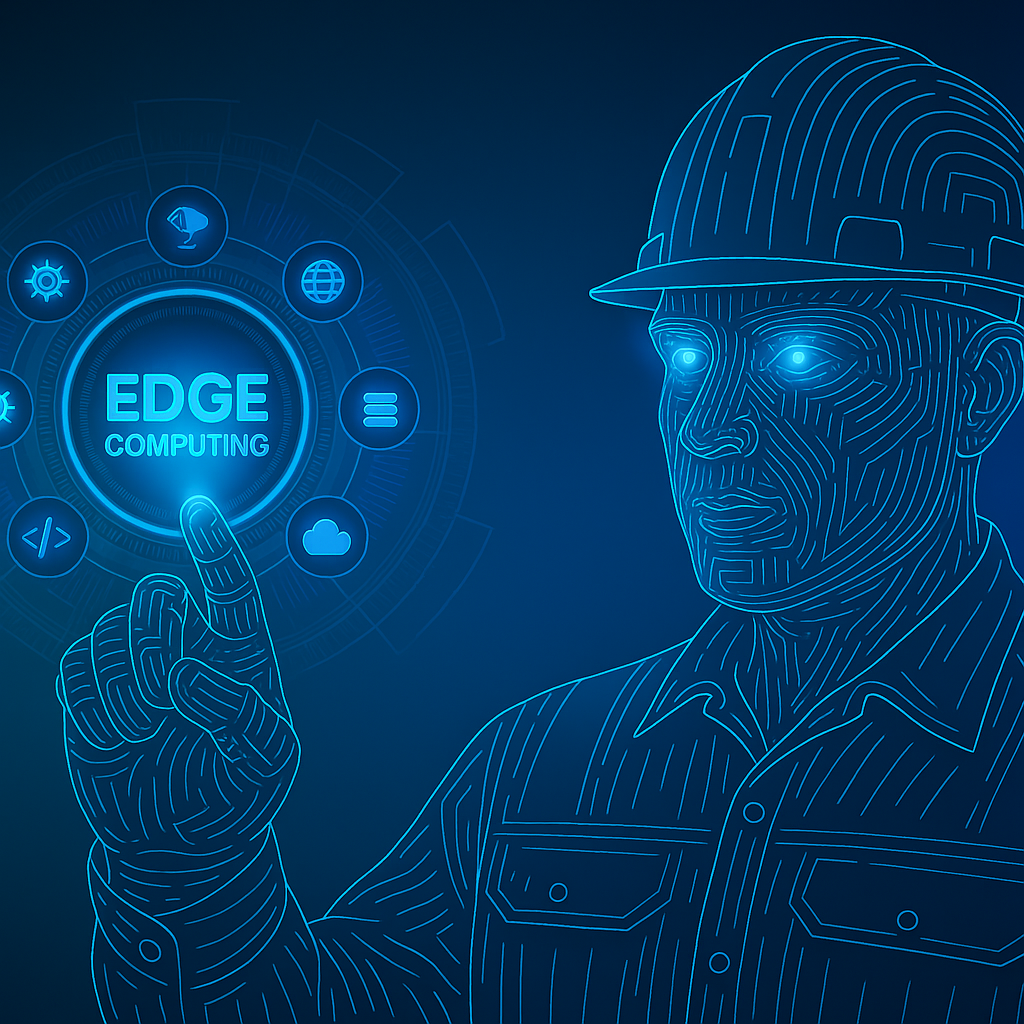
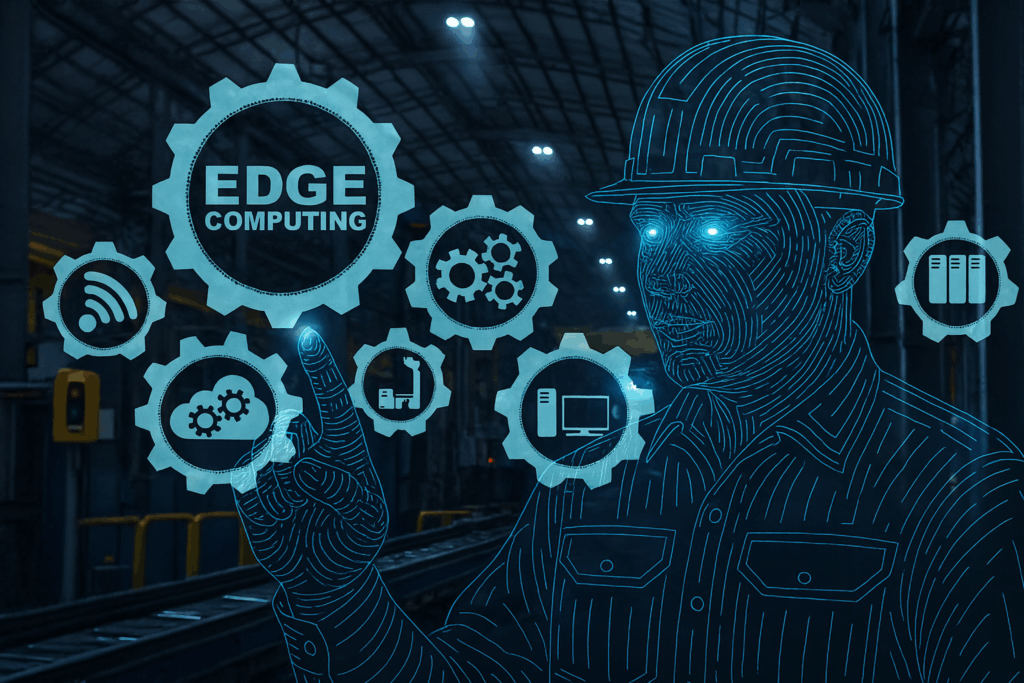
The world of data centers is evolving—driven by rapid data growth, the rise of 5G, and the proliferation of edge computing. In 2025, organizations are no longer relying solely on centralized servers; instead, they’re deploying compact edge data centers closer to end-users to reduce latency and improve performance. But what happens when those edge deployments exist in potentially explosive or hazardous environments?
This is where edge computing intrinsically safe devices step in. These specially certified tools bring real-time processing power to explosive-risk zones—like oil & gas rigs, chemical plants, and mining sites—without compromising safety. In this article, we’ll define what intrinsically safe edge computing means, explore why these devices are vital for modern data center strategies, review key benchmarks and certifications, compare notable products, and answer FAQs.
Discover our full range of intrinsically safe equipment for industrial environments designed to maximize safety in critical operations.
What does “edge computing intrinsically safe” mean?
Edge computing intrinsically safe refers to devices engineered for local data processing (“edge”) that meet intrinsic safety standards—meaning they cannot spark or overheat in explosive atmospheres.
Intrinsic safety limits the energy output—voltage, current, and heat—of a device so it cannot ignite flammable gas or dust, even if damaged. Coupling this safety with edge computing’s localized processing allows these devices to deliver real-time responsiveness in hazardous locations without compromising worker safety.

Why are intrinsically safe edge devices important in data centers?
They enable real-time data processing at hazardous sites without risking ignition, ensuring safety and uptime even in volatile conditions.
Modern edge data centers are thriving due to 5G, IoT, and the growing need for low latency. In hazardous industries such as oil & gas or chemical manufacturing, traditional electronics can be dangerous. Intrinsically safe edge devices prevent ignition risk, allowing safe data capture, local automation, and reduced network load—all while complying with strict safety standards.
Check out our complete guide to intrinsically safe devices to better understand how they work and their real-world applications.
What certifications should you look for?
Certifications prove a device is tested and approved for hazardous environments. Depending on your location and hazard zone, you should look for:
ATEX (EU) – Zone 1 & Zone 2
IECEx (Global) – Various gas and dust environments
UL Class I Division 1/2 (North America)
Each classification corresponds to the severity and likelihood of hazardous exposure. Selecting a device with the correct rating ensures you meet legal safety requirements and pass compliance inspections without issues.
How do intrinsically safe edge devices impact 2025 data center benchmarks?
In 2025, Gartner predicts 75% of enterprise data will be processed at the edge, compared to just 10% in 2018. This shift is largely driven by the need for ultra-low latency in critical operations.
Intrinsically safe devices make this possible in hazardous sites, but they do come with constraints—such as power and heat output limits that can slightly reduce computational power. However, advances in low-power chipsets and passive cooling mean today’s intrinsically safe devices are closing the gap with standard edge hardware while still meeting strict safety criteria.
Which intrinsically safe edge computing products are available in 2025?
| Product | Certifications | Compute Features | Use Case | Product Type |
|---|---|---|---|---|
| Janam XT3 | Class I Division 2 | Octa-Core, LTE, Android | Field data collection | Handheld computer |
| Janam XT2 | Class I Division 2 | Quad-Core, Android/Win | Inspections & tracking | Lightweight handheld |
| Bartec TC26ex-NI | ATEX Zone 1/2, Class II/III Div 2 | Compact Android | Offshore/mining fieldwork | Rugged one-hand device |
Best Choices by Industry
Oil & Gas: Janam XT3 – rugged, high-performance device with LTE.
Budget-Friendly: Janam XT2 – lightweight yet capable.
Confined Spaces: Bartec TC26ex-NI – compact and ergonomic for small areas.
(Each product is available from the Intrinsically Safe Store shop with full technical specifications.)
How to choose the right intrinsically safe edge device
Selecting the best intrinsically safe edge device comes down to matching hazard zone requirements, computing needs, and the environment where the device will operate.
Certifications: Ensure compliance with your hazard zone (e.g., ATEX Zone 1 vs. Class I Div 2).
Performance: Balance processing power with safety constraints.
Form Factor: Choose between handheld, wearable, or fixed units.
Connectivity: Look for LTE, 5G, and IoT protocol support.
Durability: Consider temperature range, dustproofing, and water resistance.
If you’re looking for personalized advice, speak with an expert to find the device that best fits your operations.
FAQs About Edge Computing Intrinsically Safe Devices in 2025
What is an intrinsically safe edge device?
A computing unit—handheld, gateway, or embedded—that processes data locally and is certified safe for explosive-risk environments.
How does edge computing improve safety in hazardous areas?
By processing data locally, the device can trigger safety alerts instantly without relying on distant cloud servers, reducing reaction times in emergencies.
Do these devices support 5G and IoT?
Yes. Many 2025 intrinsically safe edge devices come with built-in 5G and IoT compatibility for low-latency communication.
Are they more expensive?
Typically, yes—certification, rugged materials, and safety engineering increase costs. However, they also reduce downtime, improve safety, and meet compliance requirements.
Which industries benefit most?
Oil & gas, mining, chemical processing, utilities, and pharmaceuticals are the biggest adopters, as they often combine hazardous environments with high real-time data demands.
Conclusion
The combination of edge computing intrinsically safe technology is reshaping how data centers operate in hazardous industries. Certified devices like the Janam XT3, Janam XT2, and Bartec TC26ex-NI bring real-time processing power to areas where standard hardware can’t operate safely. While the upfront investment is higher, the long-term benefits of safety, compliance, and uptime make these devices essential in 2025.
