

























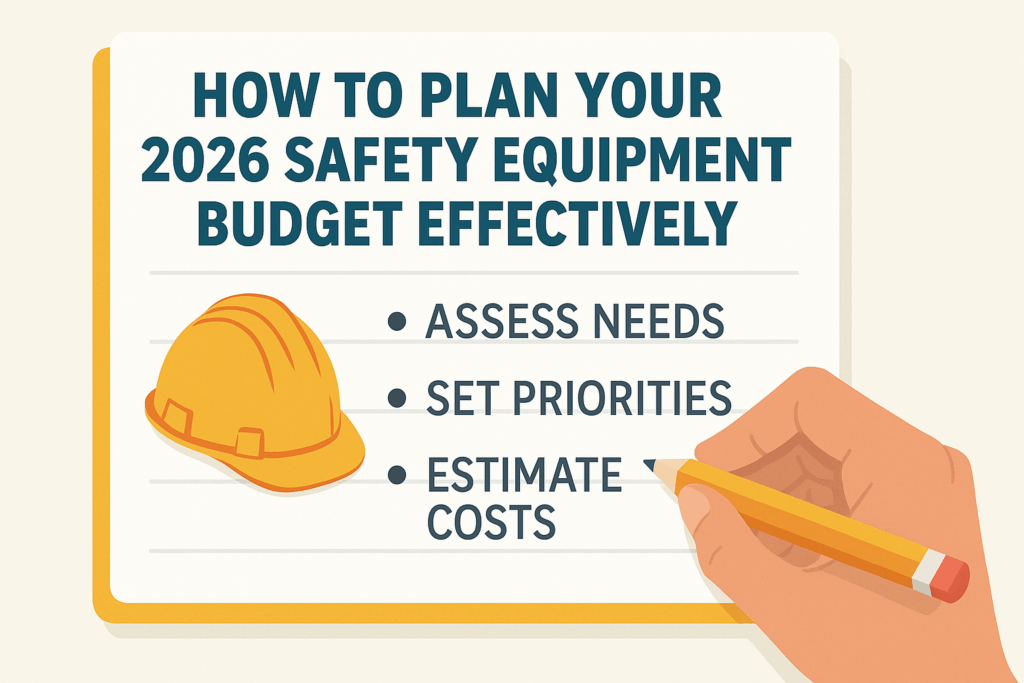
Planning your organization’s 2026 safety equipment budget is more than an annual administrative task—it’s a strategic process that directly impacts worker protection, compliance, and operational continuity. With rising equipment costs, evolving regulatory expectations, and increased demand for intrinsically safe devices, companies across oil and gas, manufacturing, utilities, food processing, mining, and chemical operations must take a proactive approach to budgeting.
This guide delivers a comprehensive blueprint for safety equipment budget planning, helping safety managers, procurement departments, and operational leaders build a forward-looking, cost-efficient budget aligned with 2026 requirements. You’ll learn the steps to forecast costs, evaluate current assets, prioritize mission-critical purchases, and reduce unnecessary spending—without compromising worker safety.
Ready to plan your safety-equipment budget with confidence?
Explore our certified safety devices and speak to our team about your 2026 plan.
Chat with a Safety Equipment Specialist Call for a Quote: (832) 699-6726Why Effective Safety Equipment Budget Planning Matters
A well-structured safety budget ensures your organization can:
Maintain compliance with OSHA, NFPA, NEC, ATEX, and IECEx standards
Reduce downtime due to equipment failure
Prevent costly workplace incidents
Replace aging equipment proactively
Improve worker productivity and performance
Support digital transformation initiatives
Reduce last-minute emergency purchases (which typically cost 15–40% more)
According to aggregated industrial safety benchmarks, organizations that proactively plan safety budgets reduce incident-related expenses by up to 25% and extend equipment lifespan by 30–50%.
Budget planning is not only about controlling costs—it’s about strengthening operational resilience and maintaining a safe working environment.

Step 1: Conduct a Full Safety Equipment Audit
Why an Audit Is the Foundation of Your 2026 Plan
A comprehensive audit provides visibility into what equipment you have, what needs replacement, and what will require investment in the coming year.
What to Include in Your Audit
Current inventory list
Equipment age and condition
Maintenance/repair history
Calibration and service schedules
Compliance certifications
Device retirement timelines
Expiration dates for consumables (filters, sensors, PPE)
Key Audit Categories
Gas detectors and related calibration tools
Personal protective equipment (PPE)
Intrinsically safe devices (phones, tablets, cameras)
Fall protection gear
Fire safety devices
Respiratory protection
Hazard communication tools
A detailed audit allows you to categorize equipment into Keep, Repair, Replace, or Retire, which becomes the foundation of your budget structure.
Step 2: Analyze Usage Rates and Failure Patterns
Understanding Equipment Lifecycles Improves Budget Accuracy
Different types of safety equipment have varying lifespans. By studying historical usage patterns, you can predict 2026 needs with greater accuracy.
Looking to reduce lifecycle cost and extend device life?
From rugged cases to charging docks and accessories — invest smart.
View All Mobility Accessories Explore Intrinsically Safe Cameras Ask About Lifetime Cost SavingsData Points to Analyze
Average device lifespan
Frequency of frontline use
Rate of accidental damage or loss
Sensor degradation rates (for gas detectors)
Charging cycle limitations (for tablets and mobile devices)
Industry Benchmarks (Summarized)
PID lamps typically require replacement every 6–18 months
Multi-gas detectors last 3–5 years on average
Intrinsically safe tablet accessories often require replacement after 2–3 years
Batteries degrade significantly after 400–500 cycles
Monitoring these patterns reduces budget risk and prevents unplanned downtime.
Step 3: Forecast 2026 Safety Requirements Based on Regulations and Projects
Regulatory Changes Influence Budgets
Compliance standards evolve, and many industries anticipate updates in 2025–2026 affecting hazardous-area operations, gas detection standards, and digital recordkeeping.
Areas to Review
OSHA updates or expected amendments
Industry-specific requirements (API, NFPA, NEC)
ATEX and IECEx certification shifts
Corporate internal safety policies
Insurance-driven safety requirements
Project and Workforce Planning
Your 2026 budget must align with:
New plant expansions
Facility upgrades
Workforce changes
Digital transformation initiatives
Turnaround/shutdown schedules
If new projects begin in 2026, allocate funds for startup safety equipment such as multi-gas detectors, intrinsically safe communication devices, and protective gear.
Prioritizing mobility devices in your 2026 budget?
Explore certified phones and tablets designed for hazardous-area operations.
Shop Intrinsically Safe Cell Phones Shop Intrinsically Safe Tablets Talk to a Mobility Device SpecialistStep 4: Prioritize Safety Equipment by Risk Level
Not All Equipment Carries Equal Importance
Prioritizing purchases ensures you allocate budget where risk is highest and regulatory compliance is mandatory.
Priority Levels
Priority 1: High-Risk, High-Compliance Equipment
Includes gear that protects workers from life-threatening hazards:
Portable gas detectors
Fixed gas detection systems
Intrinsically safe tablets and phones
Fire-resistant communication accessories
Respiratory protection
Priority 2: Daily-Use or Frontline Productivity Equipment
Frequent-use items that impact workflow efficiency:
Rugged cases
Straps and harnesses
Charging docks
Calibration kits
Priority 3: Convenience or Optimization Add-Ons
Equipment that enhances productivity but is not critical:
Spare stylus pens
Screen protectors
Carrying sleeves
Using this system ensures essential safety investments take precedence.
Step 5: Estimate Total Cost of Ownership (TCO)
TCO Unlocks Budget Accuracy Beyond Upfront Costs
The purchase price of safety gear is just the beginning. Your budget should reflect the entire lifecycle cost, including:
Key TCO Factors
Purchase cost
Maintenance and calibration
Replacement sensors
Battery replacements
Protective accessories
Software licensing (for connected devices)
Training for workers
End-of-life disposal
Example: Gas Detection TCO Breakdown (Summarized)
| Cost Element | Approx. % of Total TCO |
|---|---|
| Purchase price | 45% |
| Sensors & calibration | 20% |
| Maintenance & repairs | 15% |
| Accessories & consumables | 10% |
| Training & certification | 10% |
Ignoring TCO leads to under-budgeting and unplanned expenses mid-year.
Step 6: Build a 2026 Safety Equipment Budget by Category
Budgeting by Category Improves Control and Visibility
Break your safety budget into logical categories that align with your audit and priorities.
Recommended 2026 Budget Categories
Gas Detection Equipment
Portable multi-gas detectors
Single-gas detectors
Calibration kits
PID lamps
Intrinsically Safe Mobility Devices
Intrinsically safe smartphones
Intrinsically safe tablets
Rugged cases and sleeves
Shoulder straps and harnesses
Charging stations and docks
Stylus pens
PPE
Gloves, boots, FR gear
Helmets
Eye protection
Fall Protection
Harnesses
Lanyards
Anchors
Fire & Emergency Safety
Fire blankets
Fire extinguishers
Thermal cameras
Categorization helps you track spending and prevent budget overruns.
Step 7: Build a Procurement Timeline for 2026
A Timeline Ensures You Stay Ahead of Lead Times and Price Changes
Supply chain delays remain common across manufacturing and industrial sectors, especially for certified intrinsically safe equipment.
Create a Purchasing Timeline Based On:
Lead times (some ATEX devices require 3–8 weeks)
Calibration intervals
Seasonal weather changes
Turnaround or shutdown timing
Budget release schedules
Vendor delivery reliability
Quarterly Budget Example
| Quarter | Priority Purchases |
|---|---|
| Q1 | Gas detectors, calibration tools |
| Q2 | Intrinsically safe tablets & accessories |
| Q3 | PPE bulk purchases |
| Q4 | Replacement batteries and final-year replenishments |
This model keeps spending predictable and manageable.
Step 8: Identify Opportunities for Cost Savings
Smart Budgeting Protects Safety Without Overspending
Cost-Saving Opportunities to Explore
Buying equipment bundles
Negotiating multi-unit pricing
Standardizing equipment across teams
Repairing instead of replacing when safe
Proper storage to extend equipment life
Proactive calibration to reduce sensor drift
Using accessories to protect expensive devices
Accessories such as rugged cases, tethered straps, and protective sleeves often extend device life by up to 40–60%, reducing premature replacement costs.
Step 9: Include Contingency Funds in Your Budget
Unexpected Costs Are Guaranteed—Plan for Them
Allocate 5–15% of your safety equipment budget for:
Emergency equipment replacements
Failed inspections
Equipment recalls
Expansion of hazardous work zones
New regulatory requirements
A contingency buffer protects your budget from last-minute financial strain.
Step 10: Review Vendor Contracts and Long-Term Partnerships
Selecting the Right Vendor Is Key to Cost Efficiency
Work with vendors who offer:
Long-term pricing stability
Fast lead times
Certified intrinsically safe equipment
Strong product warranties
Ongoing customer support
Access to replacement parts and accessories
Bulk or enterprise-level purchasing options
Reliable suppliers help keep your 2026 safety operations uninterrupted and compliant.
Want to expand your knowledge on intrinsically safe equipment and compliance?
What Is Intrinsically Safe Equipment? Mastering Intrinsically Safe Compliance Intrinsically Safe Tablet Comparison GuideFAQs About Safety Equipment Budget Planning
How early should I start planning my 2026 safety equipment budget?
Begin at least 9–12 months in advance, especially if you rely on ATEX or intrinsically safe devices.
What percentage of my operations budget should be allocated to safety?
Most industrial companies allocate 3–8% of their total operational budget to safety equipment.
What equipment typically has the highest annual replacement cost?
Gas detectors, intrinsically safe tablets, and PPE have the highest lifecycle and replacement costs.
How do I reduce unexpected safety expenses?
Conduct regular audits, maintain calibration schedules, and invest in durable accessories to extend equipment life.
Do intrinsically safe accessories need to be part of my 2026 budget?
Yes—accessories such as cases, chargers, and straps reduce downtime and protect expensive devices, making them crucial budget items.
Ready to finalize your 2026 safety equipment budget?
Browse certified products, get quotes, and partner with our team for compliance-driven procurement.
Request a Custom Quote via Live Chat Call Our Team: (832) 699-6726Conclusion
Developing a proactive and strategic approach to safety equipment budget planning ensures that your organization remains compliant, productive, and financially prepared for 2026. By following this structured process—auditing equipment, forecasting regulatory needs, prioritizing purchases, evaluating TCO, and building a realistic procurement timeline—you create a budget that reduces operational risk and improves worker protection.
A well-planned budget isn’t just about controlling expenses—it’s an investment in safety, efficiency, and long-term operational success.
