


























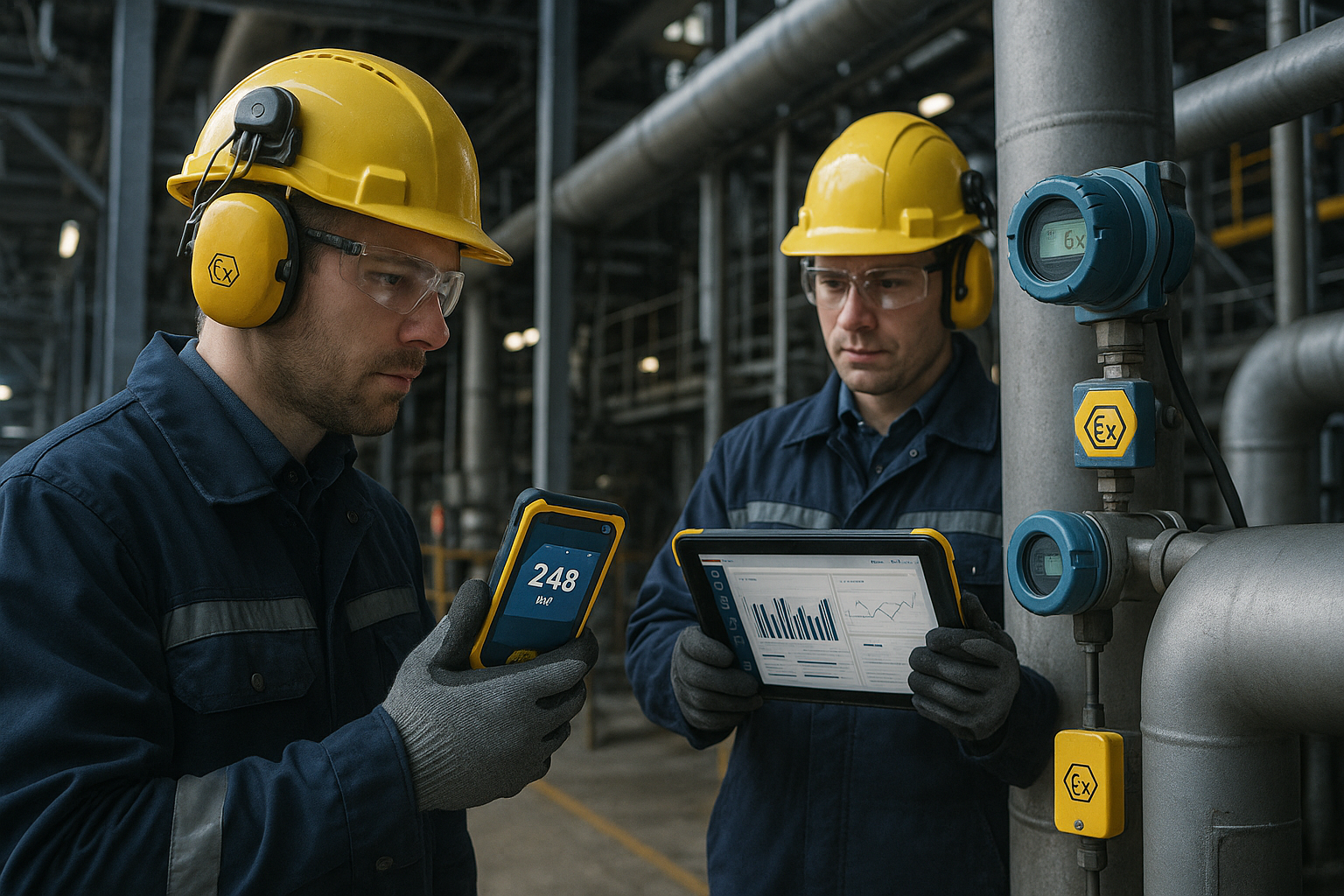
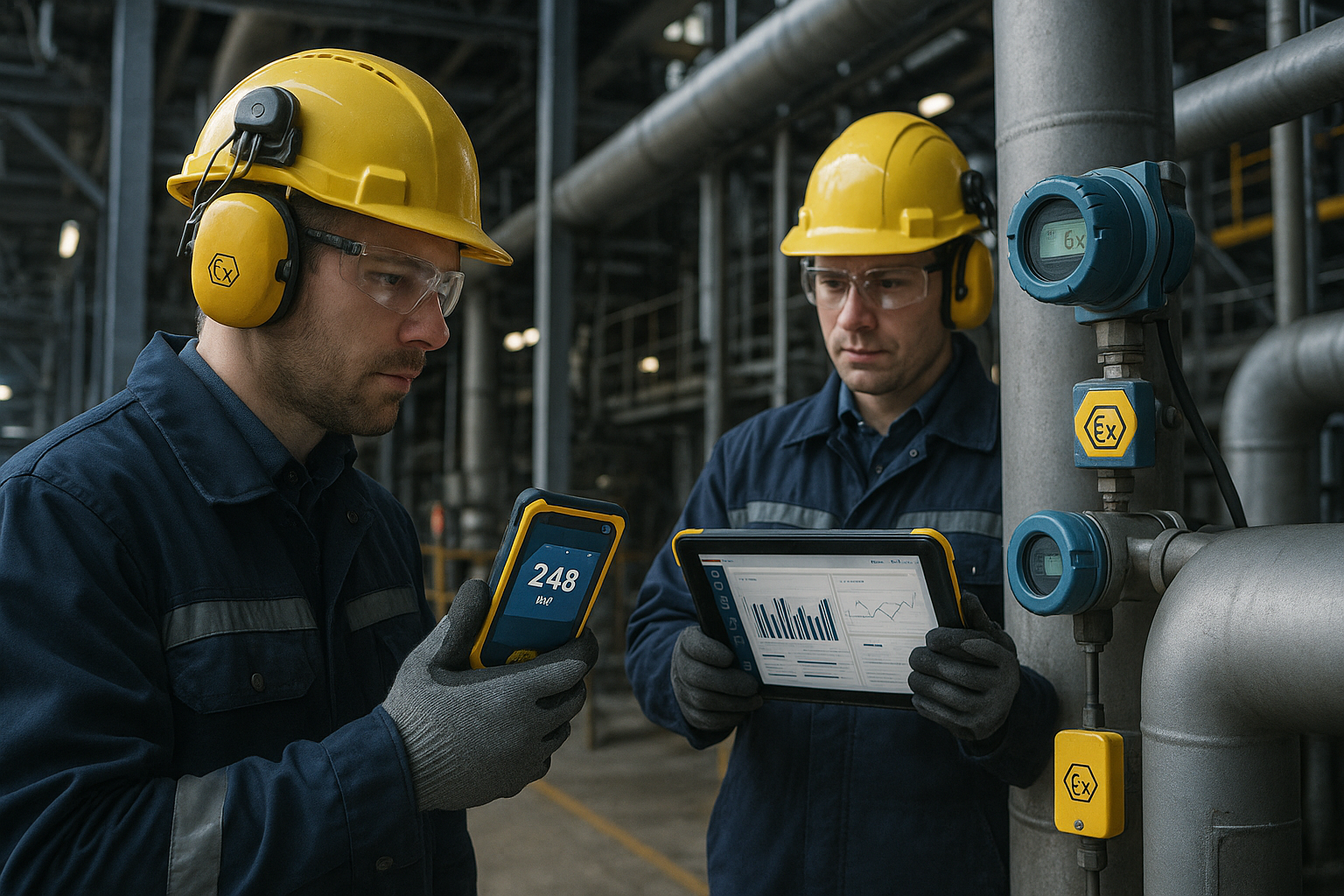
In industries where explosive atmospheres are a constant threat, the implementation of intrinsically safe devices is not just a precaution but a necessity. These devices are engineered to operate safely in environments filled with flammable gases, vapors, or dust, ensuring that the energy levels remain below the ignition threshold. This principle of intrinsic safety is crucial for preventing catastrophic incidents and maintaining a secure working environment. The demand for such devices is particularly high in sectors like oil and gas, chemical manufacturing, mining, and pharmaceuticals, where the presence of volatile substances is a daily reality. By incorporating intrinsically safe technology, these industries can significantly reduce the risk of explosions, protect their workforce, and ensure compliance with stringent safety regulations.
Understanding Intrinsically Safe Devices
Intrinsically safe devices are a critical component in industries where explosive atmospheres are a constant risk. These devices are designed to operate safely in environments laden with flammable gases, vapors, or dust. The concept of intrinsic safety revolves around the principle of limiting the energy—electrical and thermal—available for ignition. By ensuring that the energy levels are kept below the threshold that could ignite a hazardous atmosphere, these devices play a pivotal role in maintaining safety and preventing catastrophic incidents.
The need for intrinsically safe devices arises in sectors such as oil and gas, chemical manufacturing, mining, and pharmaceuticals, where the presence of volatile substances is commonplace. In these environments, even a small spark or excessive heat from electrical equipment can lead to explosions. Intrinsically safe devices mitigate this risk by incorporating design features that prevent such occurrences. This is achieved through various methods, including limiting the current and voltage, using protective barriers, and employing components that do not produce sparks.
Equip your team with certified intrinsically safe communication devices.
Shop Intrinsically Safe Cell Phones Shop Intrinsically Safe Tablets Shop Intrinsically Safe LaptopsOne of the key aspects of intrinsically safe devices is their ability to maintain functionality without compromising safety. This is particularly important in industrial settings where continuous operation is essential. For instance, sensors, transmitters, and communication devices must reliably transmit data without posing a risk. The design of intrinsically safe devices often involves rigorous testing and certification processes to ensure they meet international safety standards, such as those set by the International Electrotechnical Commission (IEC) and the National Electrical Code (NEC).
The implementation of intrinsically safe technology also extends to the maintenance and inspection of equipment. Devices are often designed to be easily accessible for routine checks and repairs, minimizing the need for extensive shutdowns. This not only enhances safety but also contributes to operational efficiency. Moreover, the use of intrinsically safe devices can lead to cost savings by reducing the need for explosion-proof enclosures and other protective measures.
In addition to their practical benefits, intrinsically safe devices also contribute to a culture of safety within organizations. By prioritizing the use of such technology, companies demonstrate a commitment to protecting their workforce and the environment. This can enhance their reputation and foster trust among stakeholders, including employees, regulators, and the public.
The evolution of intrinsically safe devices continues to be driven by advancements in technology and a growing emphasis on safety standards. As industries become more complex and the demand for energy-efficient solutions increases, the development of innovative intrinsically safe devices is likely to accelerate. This ongoing progress not only enhances safety but also supports the sustainable growth of industries operating in hazardous environments.

Who Should Use Intrinsically Safe Devices?
Intrinsically safe devices are essential for a wide range of industries where safety is paramount due to the presence of potentially explosive atmospheres. These devices are specifically designed to prevent sparks or heat that could ignite hazardous substances, making them indispensable in environments where flammable gases, vapors, or dust are present. Understanding who should use these devices involves examining the industries and scenarios where the risk of explosion is significant and the consequences of such events are severe.
The oil and gas industry is one of the primary sectors where intrinsically safe devices are crucial. In this field, workers are often exposed to volatile compounds during exploration, drilling, and refining processes. The presence of hydrocarbons and other flammable materials means that even a small spark could lead to catastrophic explosions. Therefore, using intrinsically safe equipment, such as communication devices, sensors, and control systems, is not just a regulatory requirement but a critical component of operational safety. These devices ensure that workers can perform their duties without the added risk of triggering an explosion, thereby protecting lives and assets.
Need help choosing the right intrinsically safe solution for your site?
Chat with an Intrinsic Safety Expert Call Us: 832 699 6726Chemical manufacturing is another industry where intrinsically safe devices play a vital role. Facilities that produce or handle chemicals often deal with substances that can easily ignite under the right conditions. The use of intrinsically safe equipment in these environments helps mitigate the risk of accidental ignition during routine operations or maintenance activities. By incorporating such devices, chemical plants can maintain high safety standards, ensuring that their processes run smoothly without endangering employees or the surrounding community.
Mining operations also benefit significantly from intrinsically safe devices. Underground mines, in particular, are fraught with hazards such as methane gas and coal dust, both of which are highly explosive. The confined nature of mines amplifies the potential impact of any ignition, making safety measures even more critical. Intrinsically safe devices, including lighting, communication tools, and monitoring equipment, are essential for maintaining a safe working environment. They allow miners to carry out their tasks with the assurance that their equipment will not inadvertently cause a dangerous incident.
Pharmaceutical manufacturing, though not as immediately obvious, is another sector where intrinsically safe devices are beneficial. The production of certain pharmaceuticals involves the use of volatile solvents and other flammable materials. In these settings, maintaining a controlled environment is crucial to prevent any accidental ignition that could disrupt production or harm workers. Intrinsically safe devices help ensure that the manufacturing process remains stable and secure, safeguarding both the product and the personnel involved.
In addition to these industries, any sector that involves the handling or processing of flammable materials should consider the use of intrinsically safe devices. This includes food processing plants, where dust from grains can create explosive atmospheres, and wastewater treatment facilities, where methane gas is a byproduct of decomposition. In each of these scenarios, the adoption of intrinsically safe technology is a proactive measure to prevent accidents and ensure compliance with safety regulations.
Ultimately, the decision to use intrinsically safe devices should be guided by a thorough risk assessment of the operational environment. Companies must evaluate the potential hazards present and determine the best strategies to mitigate those risks. By investing in intrinsically safe technology, businesses not only protect their workforce and assets but also demonstrate a commitment to safety and regulatory compliance. This proactive approach can lead to increased trust and confidence among employees, stakeholders, and the community at large, fostering a culture of safety and responsibility.
The Main Benefits of Intrinsically Safe Devices
- Enhanced safety by preventing ignition in hazardous environments.
- Reduction in downtime and maintenance costs due to reliability.
- Versatility across various applications and industries.
- Compliance with safety regulations, avoiding fines and legal issues.
- Improved company reputation by prioritizing safety.
Getting Started with Intrinsically Safe Devices
Embarking on the journey of integrating intrinsically safe devices into your operations requires a strategic approach, ensuring both compliance and efficiency. The first step is to conduct a thorough assessment of your operational environment. Understanding the specific hazardous areas where these devices will be deployed is crucial. This involves identifying zones that are prone to explosive atmospheres, which can be caused by flammable gases, vapors, or dust. By mapping out these zones, you can determine the exact requirements for the devices you need, ensuring they meet the necessary safety standards and certifications.
Once you have a clear understanding of your environment, the next step is to select the right intrinsically safe devices that align with your operational needs. This selection process should be guided by the specific tasks the devices will perform, whether it’s communication, data collection, or monitoring. It’s essential to choose devices that not only meet safety standards but also offer the functionality and durability required for your specific applications. Consulting with manufacturers or suppliers who specialize in intrinsically safe technology can provide valuable insights and recommendations tailored to your industry.
Training and education are pivotal in the successful implementation of intrinsically safe devices. Employees who will be using these devices need to be thoroughly trained on their operation, maintenance, and the safety protocols associated with them. This training should cover the principles of intrinsic safety, the specific features of the devices, and the procedures for regular inspections and maintenance. By ensuring that your team is well-versed in these areas, you can minimize the risk of accidents and ensure that the devices are used effectively and safely.
Integration with existing systems is another critical aspect to consider. Intrinsically safe devices should seamlessly integrate with your current infrastructure, whether it’s a communication network, data management system, or monitoring setup. This may require collaboration with IT and engineering teams to ensure compatibility and to address any technical challenges that may arise. The goal is to create a cohesive system where intrinsically safe devices enhance operational efficiency without causing disruptions.
Want to go deeper into intrinsic safety standards and classifications?
ATEX vs IECEx Certification Hazardous Area Classifications Explained Intrinsically Safe vs Explosion ProofRegular maintenance and inspection are essential to ensure the continued safety and functionality of intrinsically safe devices. Establishing a routine maintenance schedule helps in identifying potential issues before they become significant problems. This includes checking for wear and tear, ensuring that all components are functioning correctly, and verifying that the devices continue to meet safety standards. Keeping detailed records of maintenance activities can also aid in compliance with regulatory requirements and provide a clear history of device performance.
Finally, staying informed about advancements in intrinsically safe technology is crucial. The field is continually evolving, with new innovations and improvements being introduced regularly. By keeping abreast of these developments, you can ensure that your operations benefit from the latest technologies, enhancing both safety and efficiency. Engaging with industry forums, attending conferences, and subscribing to relevant publications can provide valuable insights and keep you updated on the latest trends and best practices in the use of intrinsically safe devices.
Optimal Timing for Utilizing Intrinsically Safe Devices
Determining the best time to employ intrinsically safe devices is crucial for ensuring both safety and efficiency in hazardous environments. These devices are designed to prevent ignition in potentially explosive atmospheres, making their timing of use a critical factor in risk management strategies. The decision to implement these devices should be guided by a comprehensive understanding of the operational environment, the nature of the hazards present, and the specific requirements of the task at hand.
One of the most significant considerations is the operational phase of the project or process. Intrinsically safe devices are particularly vital during the initial stages of operations, such as during installation, maintenance, or inspection activities. These phases often involve a higher risk of accidental ignition due to the increased likelihood of human error and the presence of volatile substances. By integrating intrinsically safe devices from the outset, companies can mitigate these risks, ensuring that safety protocols are adhered to even before the main operations commence.
Seasonal and environmental factors also play a pivotal role in determining the optimal timing for using intrinsically safe devices. For instance, during periods of extreme weather conditions, such as high temperatures or humidity, the risk of ignition can be exacerbated. In such scenarios, the use of intrinsically safe devices becomes even more critical. These devices are engineered to function safely under a wide range of environmental conditions, providing an additional layer of protection when natural elements could otherwise compromise safety.
Another key consideration is the lifecycle of the equipment and the frequency of its use. Regularly scheduled maintenance and inspections are prime opportunities to deploy intrinsically safe devices. During these times, equipment is often disassembled or exposed, increasing the potential for sparks or static discharge. By using intrinsically safe tools and equipment during these routine checks, companies can ensure that safety is maintained without interrupting the workflow or compromising the integrity of the equipment.
Furthermore, the introduction of new technologies or processes within a facility can necessitate the use of intrinsically safe devices. As industries evolve and adopt more advanced technologies, the complexity of operations can increase, potentially introducing new hazards. In such cases, intrinsically safe devices can provide a seamless transition, allowing for the integration of new systems without sacrificing safety. This proactive approach not only safeguards employees but also ensures compliance with industry regulations and standards.
Ultimately, the best time to use intrinsically safe devices is not a one-size-fits-all answer but rather a strategic decision based on a thorough risk assessment and understanding of the specific operational context. By considering factors such as operational phases, environmental conditions, equipment lifecycle, and technological advancements, companies can effectively determine when to implement these devices to maximize safety and efficiency. This strategic timing not only protects personnel and assets but also enhances overall operational resilience, ensuring that safety is never compromised.
Exploring the Applications of Intrinsically Safe Devices
Intrinsically safe devices are essential in environments where the presence of flammable gases, vapors, or dust could lead to catastrophic explosions or fires. These devices are meticulously designed to operate safely in such hazardous conditions by ensuring that their electrical and thermal energy levels are too low to ignite the surrounding atmosphere. The applications of intrinsically safe devices span across various industries, each with its unique set of challenges and requirements.
In the oil and gas industry, intrinsically safe devices are indispensable. This sector is fraught with potential hazards due to the constant presence of volatile substances. Devices such as intrinsically safe smartphones, tablets, and sensors are used extensively on oil rigs and refineries. These tools allow workers to communicate, collect data, and monitor equipment without the risk of igniting flammable gases. The ability to safely use electronic devices in these environments not only enhances operational efficiency but also significantly improves worker safety by enabling real-time data collection and communication.
The chemical manufacturing industry also heavily relies on intrinsically safe devices. In facilities where chemicals are produced, processed, or stored, the risk of explosion is ever-present. Intrinsically safe equipment, including pressure transmitters, temperature sensors, and flow meters, are crucial for monitoring and controlling chemical processes. These devices ensure that operations can continue smoothly without the risk of triggering an explosion. By providing accurate and reliable data, they help maintain the delicate balance required in chemical reactions, thereby preventing accidents and ensuring product quality.
Mining is another sector where intrinsically safe devices play a critical role. Underground mines are notorious for their hazardous conditions, with the presence of methane gas and coal dust posing significant explosion risks. Intrinsically safe communication devices, lighting systems, and monitoring equipment are vital for ensuring the safety of miners. These devices allow for effective communication and monitoring of environmental conditions, such as gas levels and air quality, which are crucial for preventing accidents and ensuring timely evacuations if necessary.
In the pharmaceutical industry, intrinsically safe devices are used in environments where dust from powdered substances can create explosive atmospheres. Equipment such as intrinsically safe scales, mixers, and sensors are employed to ensure that production processes are conducted safely. These devices help maintain the integrity of pharmaceutical products while safeguarding the health and safety of workers.
The food and beverage industry also benefits from intrinsically safe devices, particularly in areas where dust from grains or sugar can create explosive conditions. Intrinsically safe equipment is used to monitor and control processes such as milling, mixing, and packaging. By ensuring that these operations are conducted safely, these devices help prevent accidents and ensure the quality and safety of food products.
In summary, intrinsically safe devices are vital across a wide range of industries where explosive atmospheres are a concern. Their ability to operate safely in hazardous conditions not only protects workers and equipment but also ensures the continuity and efficiency of operations. As technology advances, the development of more sophisticated intrinsically safe devices will continue to enhance safety and operational capabilities in these critical sectors.
Frequently Asked Questions About Intrinsically Safe Devices
What Does ‘Intrinsically Safe’ Mean?
The term ‘intrinsically safe’ refers to a design approach that ensures electrical equipment is incapable of releasing sufficient energy to cause ignition in a hazardous environment. This is achieved by limiting the electrical and thermal energy available in the device, making it safe to use in areas where flammable gases, vapors, or dust may be present.
Why Are Intrinsically Safe Devices Important?
Intrinsically safe devices are vital because they protect both personnel and equipment in hazardous locations. By preventing ignition, these devices reduce the risk of explosions, which can lead to catastrophic damage, injuries, or even fatalities.
How Are Intrinsically Safe Devices Certified?
Certification of intrinsically safe devices involves rigorous testing and evaluation by recognized bodies such as Underwriters Laboratories (UL) and the International Electrotechnical Commission (IEC).
What Are the Key Components of Intrinsically Safe Design?
The design of intrinsically safe devices incorporates several key components to ensure safety, including energy-limiting circuits and materials that withstand harsh conditions.
Can Intrinsically Safe Devices Be Used in All Hazardous Areas?
While intrinsically safe devices are suitable for many hazardous areas, their suitability depends on the specific classification of the hazardous area.
Complete your intrinsically safe system with certified lighting, barriers, and gas detection.
Intrinsically Safe Fixed Lighting Intrinsically Safe Barriers Intrinsically Safe Gas DetectorsConclusion
The integration of intrinsically safe devices into hazardous environments is a testament to the commitment of industries to prioritize safety and innovation. These devices not only enhance operational safety but also contribute to efficiency and cost-effectiveness. By reducing the need for extensive protective measures and minimizing downtime, intrinsically safe technology offers a practical solution for maintaining continuous operations. As industries evolve and the demand for energy-efficient solutions grows, the development of advanced intrinsically safe devices will continue to play a pivotal role in supporting sustainable growth. Embracing this technology is not just about compliance; it’s about fostering a culture of safety and responsibility that benefits employees, stakeholders, and the community at large.
