Intrinsically Safe Products
Best Practices for Maintaining Intrinsically Safe Equipment
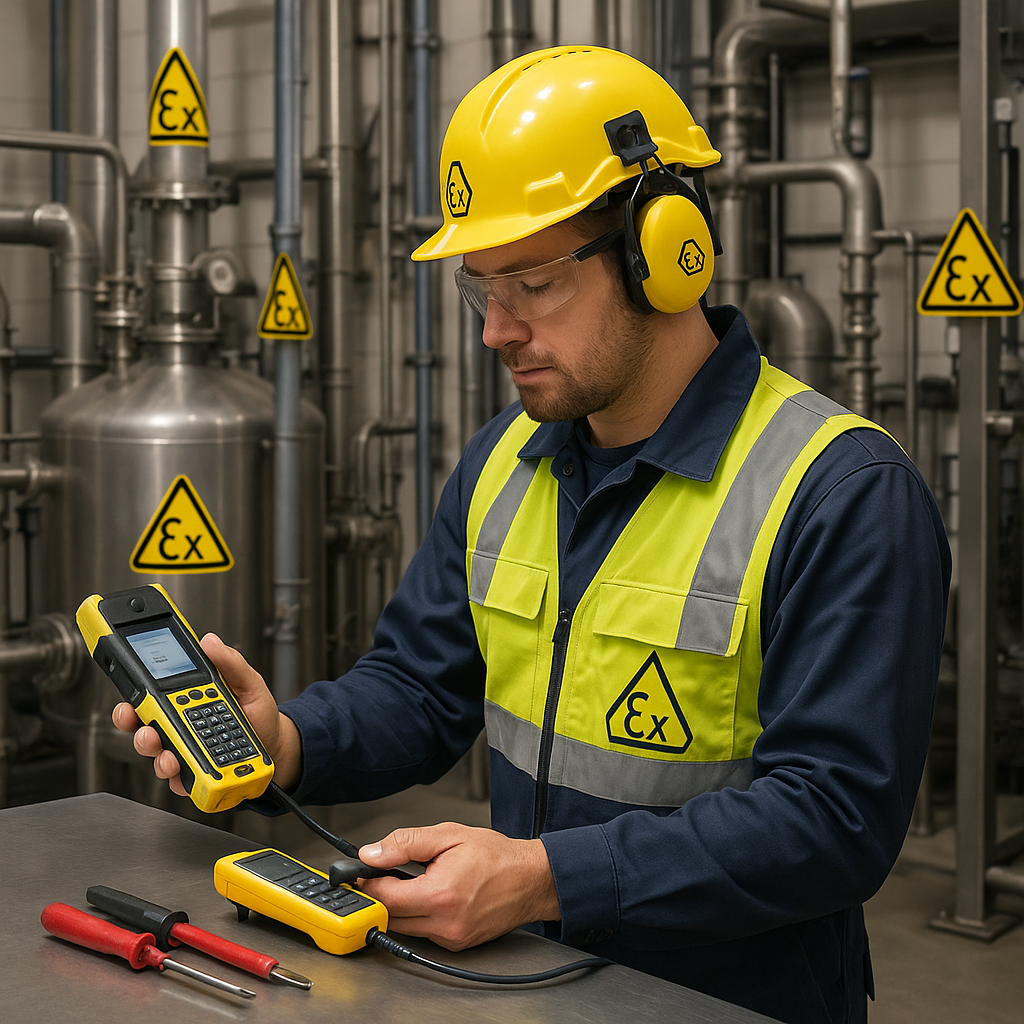
In industries where hazardous environments are a daily reality, maintaining intrinsically safe equipment is not merely a recommendation—it is an operational and regulatory necessity. Intrinsically safe equipment is specifically engineered to prevent the release of sufficient electrical or thermal energy that could ignite explosive gases, vapors, or combustible dust. This design philosophy makes such equipment indispensable in high-risk sectors such as oil and gas, mining, chemical processing, pharmaceuticals, utilities, and manufacturing.
However, intrinsic safety is not a permanent characteristic that can be taken for granted. Even the most rigorously certified device can become unsafe if it is poorly maintained, improperly modified, or exposed to harsh environmental conditions without adequate protection. Adhering to best practices in inspection, testing, documentation, and maintenance ensures that intrinsically safe equipment continues to function as intended—protecting personnel, preventing catastrophic incidents, and supporting uninterrupted operations.
This article outlines essential best practices for maintaining intrinsically safe equipment and answers common questions organizations face when managing these critical assets.
Ensure Field-Readiness: Refresh Your Certified IS Devices
Proactive maintenance schedules prevent downtime. If your equipment is approaching its end-of-life or due for inspection, ensure your teams have the certified devices they need.
Need a refresher on certifications? Learn the difference between ATEX and IECEx.
Understanding the Importance of Maintaining Intrinsically Safe Equipment
Intrinsically safe equipment achieves its safety rating through precise engineering, controlled energy levels, and strict adherence to certification standards. Maintenance plays a pivotal role in preserving these characteristics over the equipment’s lifecycle. Wear and tear, environmental exposure, improper repairs, or unauthorized replacement parts can compromise intrinsic safety—even if the device still appears functional.
In hazardous locations, the consequences of failure are severe. A single spark or hot surface can trigger explosions, fires, or toxic releases. Therefore, maintenance is not just about equipment longevity; it is about life safety, regulatory compliance, and risk management.
Regular Inspection and Testing
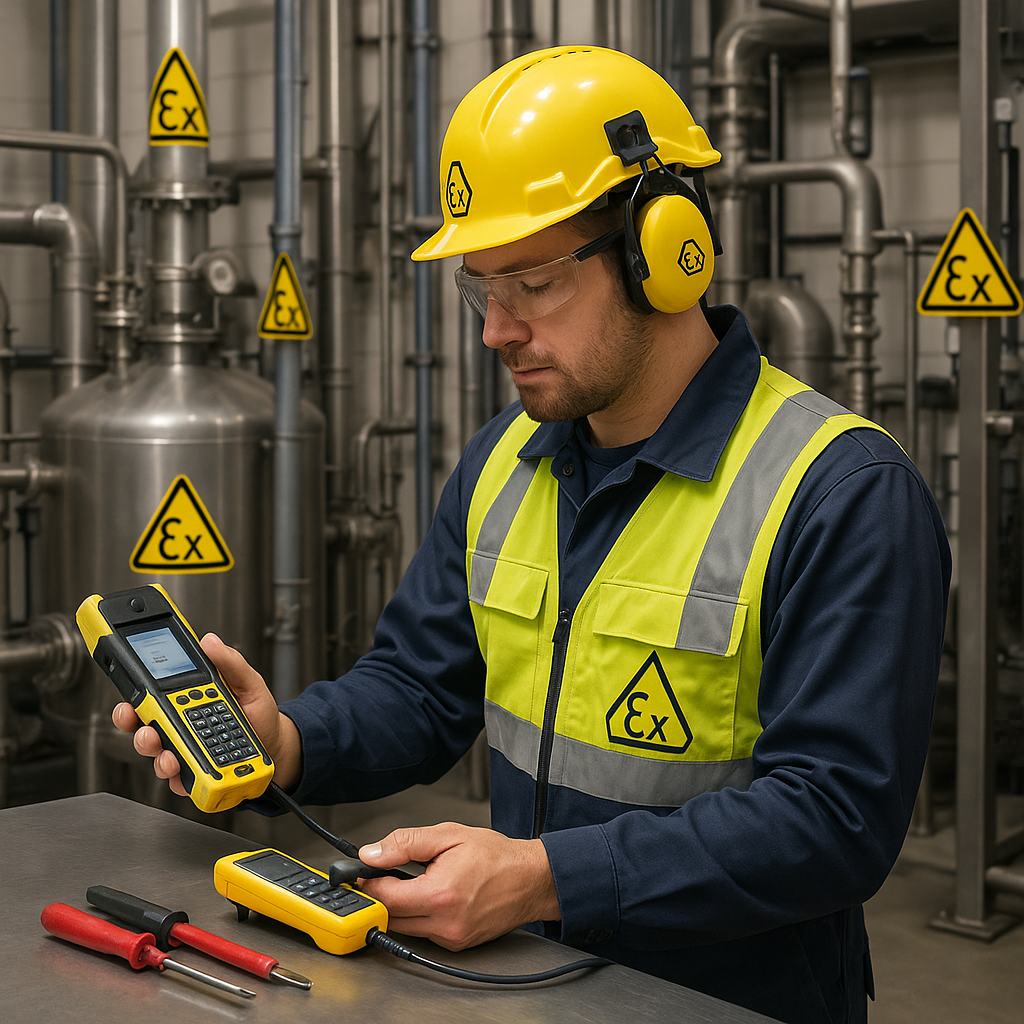
Regular inspection and testing form the backbone of any effective intrinsically safe equipment maintenance program. These activities should be scheduled, systematic, and performed by trained and authorized personnel.
Visual and Physical Inspections
Routine visual inspections should identify early warning signs of degradation, including:
- Cracked or damaged enclosures
- Loose fasteners or connections
- Corrosion from moisture, chemicals, or salt exposure
- Worn seals, gaskets, or cable entries
- Signs of overheating or discoloration
Even minor physical damage can invalidate intrinsic safety by allowing excess energy to escape or by altering heat dissipation characteristics.
Functional Testing
Functional testing ensures that equipment continues to operate within manufacturer-specified and certified limits. This may include:
- Verifying voltage, current, and resistance levels
- Testing alarms, indicators, and fail-safe functions
- Confirming battery performance and charging behavior
- Ensuring sensors or monitoring components respond accurately
Testing should always be conducted using approved methods and equipment that do not introduce ignition risks.
Scheduled Maintenance Intervals
Inspection and testing intervals should align with:
- Manufacturer recommendations
- Industry standards
- Regulatory requirements
- Environmental severity and frequency of use
High-use or harsh environments may require more frequent checks to maintain safety margins.
Streamline Maintenance With Compliant, Certified Hardware
Scheduled inspections are the perfect time to upgrade gas detection, barriers, and lighting so your intrinsically safe systems remain compliant and reliable.
Planning maintenance by zone or classification? Review hazardous area classifications here.
Documentation and Recordkeeping
Documentation is a critical but often underestimated component of intrinsically safe equipment maintenance. Accurate records provide traceability, accountability, and proof of compliance.
What Should Be Documented
Maintenance documentation should include:
- Inspection dates and findings
- Test results and calibration data
- Repairs, part replacements, and modifications
- Personnel performing the work
- References to applicable standards or procedures
These records create a complete maintenance history for each piece of equipment.
Why Documentation Matters
Proper documentation:
- Demonstrates compliance during audits and inspections
- Helps identify recurring issues or failure patterns
- Ensures continuity when personnel change
- Supports incident investigations and root-cause analysis
In regulated industries, incomplete documentation can result in citations, fines, or operational shutdowns—even if the equipment itself is functioning correctly.
Using Compatible Tools and Approved Procedures
Maintenance of intrinsically safe equipment must be performed using compatible tools and strictly controlled procedures. Improper tools or shortcuts can unintentionally introduce ignition hazards.
Non-Sparking and Approved Tools
Maintenance personnel should use:
- Non-sparking hand tools
- Approved diagnostic and test equipment
- Certified accessories and replacement components
Standard tools not designed for hazardous environments may generate sparks through impact or friction, undermining safety controls.
Following Established Procedures
Organizations should develop and enforce written maintenance procedures that include:
- Lockout and verification steps
- Safe disassembly and reassembly practices
- Proper torque and sealing requirements
- Clear instructions for handling batteries and electronics
Personnel must be trained to follow these procedures without deviation.
Training and Competency
Ongoing training ensures that technicians:
- Understand intrinsic safety principles
- Recognize how maintenance actions affect certification
- Stay current with evolving standards and technologies
Training should be refreshed regularly and documented as part of the safety management system.
Environmental Considerations
Environmental conditions play a significant role in the longevity and safety of intrinsically safe equipment. Exposure to adverse conditions can accelerate degradation and increase maintenance demands.
Key Environmental Factors
- Temperature extremes: Can affect electronics, batteries, and seals
- Humidity and moisture: Increase corrosion risk and insulation breakdown
- Chemical exposure: Can degrade enclosures and protective coatings
- Vibration and mechanical stress: Can loosen connections or damage components
Protective Measures
To mitigate environmental risks, organizations may implement:
- Protective enclosures or housings
- Climate-controlled storage and operating areas
- Corrosion-resistant materials and coatings
- Environmental monitoring to detect harmful conditions early
Adapting maintenance strategies to environmental realities helps preserve intrinsic safety over time.
Collaboration with Manufacturers and Suppliers
Strong collaboration with equipment manufacturers and authorized suppliers is an often overlooked best practice. These partners are valuable sources of technical expertise and up-to-date guidance.
Benefits of Manufacturer Collaboration
Manufacturers can provide:
- Detailed maintenance manuals and service bulletins
- Clarification on approved parts and accessories
- Training programs and certification courses
- Updates on standards changes or product recalls
Engaging manufacturers early—especially when repairs or upgrades are needed—reduces the risk of inadvertently voiding certifications.
Authorized Repairs and Modifications
Whenever possible, repairs should be performed by authorized service providers. Unauthorized modifications, even well-intentioned ones, can invalidate intrinsic safety approvals and expose organizations to significant risk.
Common Maintenance Pitfalls and How to Avoid Them
Even with established procedures, certain common mistakes can undermine an otherwise robust maintenance program. Awareness of these pitfalls is the first step toward avoiding them.
Using Uncertified or Incorrect Replacement Parts
One of the most critical errors is substituting certified components with standard or unapproved parts. This includes batteries, fuses, and internal electronic components. An incorrect part can alter the device’s energy output, violating its intrinsic safety design and voiding its certification instantly.
- Solution: Maintain a strict inventory of manufacturer-approved replacement parts. Always verify part numbers against the device’s control drawing or manual before installation.
Neglecting Enclosure Integrity
Technicians sometimes fail to properly secure an enclosure after maintenance, such as by over-tightening or under-tightening screws, using incorrect fasteners, or damaging gaskets. This compromises the enclosure’s ingress protection (IP) rating and can allow dust or moisture to enter, creating a potential ignition path.
- Solution: Always follow manufacturer torque specifications for fasteners. Inspect seals and gaskets for wear and replace them as needed during maintenance.
Inadequate Technician Training
Assuming a general maintenance technician understands the nuances of intrinsic safety is a significant risk. Without specialized training, they may not recognize the importance of specific procedures, such as maintaining component spacing or using non-sparking tools.
- Solution: Invest in regular, certified training for all personnel who handle intrinsically safe equipment. Document this training and perform competency assessments to ensure the principles are understood and applied correctly.
Get Expert Help with Your IS Maintenance Plan
Our hazardous-area specialists can help you develop a compliant maintenance strategy, validate certifications, and source the correct replacement parts and devices. Talk to us before you request a quote.
Still comparing protection methods? Read Intrinsically Safe vs. Explosion-Proof.
Frequently Asked Questions About Maintaining Intrinsically Safe Equipment
What does “intrinsically safe” mean in practical terms?
Intrinsically safe equipment is designed so that it cannot release enough energy—electrical or thermal—to ignite a hazardous atmosphere, even under fault conditions. Maintenance ensures those energy-limiting characteristics remain intact over time.
Can intrinsically safe equipment become unsafe?
Yes. Physical damage, improper repairs, unauthorized parts, or environmental degradation can compromise intrinsic safety. That is why regular inspection and maintenance are essential.
How often should intrinsically safe equipment be inspected?
Inspection frequency depends on manufacturer guidance, regulatory requirements, and operating conditions. Equipment used in harsh or high-use environments generally requires more frequent inspections.
Are standard replacement parts acceptable?
Only manufacturer-approved or certified replacement parts should be used. Substituting components—even those with similar specifications—can alter energy levels and invalidate safety certifications.
Can maintenance be performed in hazardous areas?
Some routine tasks may be permitted, but many maintenance activities require the equipment to be removed from the hazardous area or the area to be made safe. Always follow site procedures and permit requirements.
Why are non-sparking tools necessary?
Standard tools can generate sparks through impact or friction. Non-sparking tools reduce ignition risk during maintenance in or near hazardous locations.
What role does documentation play in safety?
Documentation provides proof that equipment has been properly maintained and remains compliant. It is often required during audits, inspections, and incident investigations.
Should intrinsically safe equipment be recalibrated?
Yes, if applicable. Sensors, monitoring devices, and measurement instruments should be calibrated according to manufacturer recommendations to ensure accuracy and safety.
How do environmental conditions affect maintenance needs?
Extreme temperatures, moisture, chemicals, and vibration can accelerate wear and corrosion. Equipment in such environments often requires additional protective measures and more frequent inspections.
When should manufacturers be consulted?
Manufacturers should be consulted whenever there is uncertainty about maintenance procedures, replacement parts, upgrades, or changes in operating conditions. Their guidance helps ensure ongoing compliance and safety.
Conclusion
Maintaining intrinsically safe equipment is a continuous, disciplined process that extends far beyond initial certification. Through regular inspection and testing, thorough documentation, the use of compatible tools and procedures, careful consideration of environmental factors, and close collaboration with manufacturers, organizations can preserve the integrity of their intrinsically safe assets.
By following these best practices, companies not only reduce the risk of accidents and explosions but also strengthen regulatory compliance, protect personnel, and ensure the long-term reliability of critical operations. In hazardous environments, effective maintenance is not just good practice—it is a cornerstone of operational safety and responsibility.