

Intrinsically Safe News
Class I Div 1 vs. Div 2: Key Differences (2026) | ISS
In hazardous environments, ensuring workplace safety is paramount. Selecting the appropriate hazardous area rated equipment is critical in mitigating risks and maintaining a secure working environment.
Looking for combustible dust locations? See Class II Division 1 vs Division 2.
Quick Answer: The Core Difference in 30 Seconds
The key difference between Class 1 Division 1 and Class 1 Division 2 is the probability of flammable concentrations of gases or vapors being present. A Class 1 Division 1 (C1D1) area is one where flammable concentrations can exist under normal operating conditions, either continuously or intermittently. In contrast, a Class 1 Division 2 (C1D2) area is one where these substances are only present during abnormal conditions, such as an accidental rupture or equipment failure. Choosing the right equipment for each classification is fundamental to ensuring safety and regulatory compliance.
What Defines a Class I Hazardous Location?
A Class I hazardous location, as defined by the National Electrical Code (NEC) in North America, is an area where flammable gases or vapors are or may be present in the air in quantities sufficient to produce explosive or ignitable mixtures. Understanding this class is the first step before differentiating between its divisions. The classification is based on the type of hazardous substance present, which falls under different groups (e.g., Group A for acetylene, Group D for propane). All equipment used in these locations must be specifically certified to prevent ignition of these volatile substances.
But how do you navigate the labyrinth of hazardous area products to ensure you make the right choice?
Look no further, for Intrinsically Safe Store is your trusted partner, ready to simplify the process and empower you with the needed knowledge.
As the leading authority in hazardous areas, intrinsically safe, and explosion-proof products, we offer a comprehensive range of certified hazardous area products and can source custom configurations through our direct manufacturer relationships.
Need to ensure compliance and reduce risks?
Download our free Hazardous Area Safety Checklist to ensure your site protocols are compliant with Class/Division requirements.
We believe you deserve the ability to get the job done safely and on time. That’s why we are committed to equipping you with a detailed understanding of hazardous area classifications and the safety requirements of your workplace.
By providing you with the knowledge and insights you need, we empower you to make informed decisions that prioritize the well-being of your team.
This article aims to enlighten safety professionals, facility managers, and industry experts about the critical distinctions between Class 1 Division 1 and Class 1 Division 2 hazardous area classifications.
Furthermore, we will delve into the intricacies and explore the requirements, features, and benefits of each classification in greater detail.
But that’s not where our support ends.
We go the extra mile by showcasing the range of Intrinsically Safe Store’s high-quality safety products. By doing so, we provide valuable insights to assist you in making informed decisions.
Our goal is to equip you with the knowledge and understanding to choose the most suitable certified hazardous area equipment for your specific requirements.
With a focus on compliance, performance, and workplace safety, this article equips you with the knowledge to choose the right hazardous area-rated equipment for your specific industry and applications.
Additionally, you will acquire invaluable knowledge and understanding that will enable you to:
- Understand the distinctions between Class 1 Division 1 and Class 1 Division 2 hazardous area classifications
- Explore the requirements, features, and benefits of each classification for equipment selection
- Discover how Intrinsically Safe Store’s range of safety products aligns with both Class 1 Division 1 and Class 1 Division 2 ratings
- Gain insights to make informed decisions and prioritize workplace safety in hazardous environments
Side-by-Side Comparison Table: Division 1 vs. Division 2
To select the right equipment, you must first understand the fundamental differences between Class 1 Division 1 and Division 2. The primary distinction lies in the likelihood of a hazardous atmosphere being present during operations. Division 1 designates an area where explosive gases or vapors are present continuously or intermittently under normal operating conditions. In contrast, Division 2 refers to locations where such substances are present only under abnormal conditions, such as an accidental leak or equipment failure.
| Aspect | Class 1 Division 1 (C1D1) | Class 1 Division 2 (C1D2) |
| Hazard Presence | Expected to be present continuously or intermittently during normal operations. | Present only during abnormal conditions (e.g., container failure, system breakdown). |
| Risk Level | High. Constant potential for an explosive atmosphere. | Lower. Potential for an explosive atmosphere is infrequent and temporary. |
| Equipment Requirement | Must utilize a certified protection method (e.g., intrinsically safe or explosion-proof) designed to prevent any generated heat or sparks from igniting the hazardous atmosphere during normal operation. | Equipment must be certified for Class I, Division 2 locations. Common protection methods permitted by the NEC include non-incendive equipment, which does not produce ignitable energy in normal operation, as well as explosion-proof enclosures and purged/pressurized systems. |
| Typical Environments | Paint-spraying booths, fuel transfer areas, chemical processing plants where vapors are always present. | Storage areas for flammable liquids in sealed containers, locations adjacent to C1D1 areas. |
| Cost Implication | Equipment is generally more expensive due to stricter design and testing requirements. | Equipment is typically more cost-effective as the design constraints are less severe. |
Demystifying Class 1 Division 1 and Class 1 Division 2 Ratings: Understanding Hazardous Area Classifications
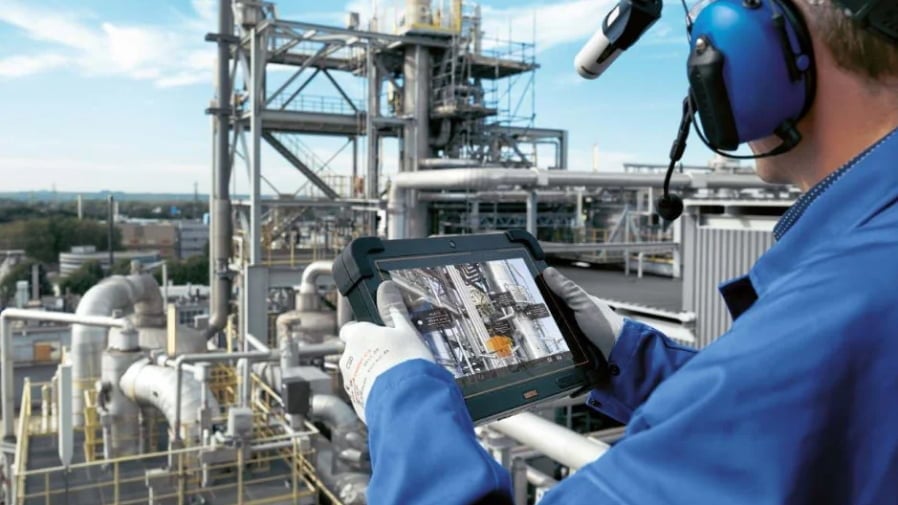
In hazardous environments, understanding Class 1 Division 1 and Class 1 Division 2 classifications is crucial for selecting the right equipment that meets safety standards.
These ratings define the level of safety precautions required for specific hazardous areas where explosive atmospheres may be present.
By familiarizing yourself with the requirements and criteria associated with each classification, you can make informed decisions, prioritizing workplace safety and compliance.
Class 1 Division 1 (C1D1) classification indicates the presence of explosive atmospheres under normal operating conditions, requiring equipment specifically designed to prevent ignition sources.
On the other hand, Class 1 Division 2 (C1D2) classification implies that explosive atmospheres are less likely to be present, but may still occur under abnormal conditions.
Both classifications have unique features, benefits, and considerations that safety professionals and industry experts must be aware of when selecting hazardous area-rated equipment.
By clearly understanding Class 1 Division 1 and Class 1 Division 2 ratings, you can navigate the complexities of hazardous area classifications and ensure the appropriate equipment is chosen to safeguard your personnel and facilities.
How to Choose the Right Certified Equipment for Your Division
When selecting hazardous area-rated equipment, several factors must be considered to ensure workplace safety and compliance.
Safety professionals, facility managers, and industry experts must carefully evaluate various aspects before making equipment choices. By considering these crucial factors, you can make informed decisions and prioritize the protection of your personnel and assets.
Intrinsically Safe Store offers a comprehensive range of intrinsically safe equipment designed specifically for hazardous environments, meeting the highest safety standards.
For example, our intrinsically safe phone cases such as Xciel iPad Mini 6 Case ATEX Zone 1 have proven to be highly valuable assets for workers in hazardous environments.
With a Class 1 Div 2 hazardous area rating and ATEX Zone 2 explosion-proof certification, these phone cases offer reliable protection for devices such as iPads, iPad Minis, iPhones, and Android phones.
Essential Certified Equipment for C1D1 & C1D2 Sites
For environments defined by Class 1 Division 1 or 2 ratings, teams rely on certified gas detection and intrinsically safe cameras for monitoring, inspection, and safety compliance.
Designed specifically for use in potentially explosive atmospheres, these cases ensure that workers can safely use their devices without risking ignition or causing accidents. For a complete list of ATEX and Class 1 Division 2 certified cases, visit our Intrinsically Safe Phone Cases category. These cases are engineered for maximum protection in high-risk environments like oil and gas, chemical plants, and manufacturing facilities.
Whether in oil and gas facilities, chemical plants, or other hazardous areas, our intrinsically safe phone cases provide peace of mind and enhanced safety for workers operating in challenging conditions.
Take into account the following factors when deciding on hazardous area-rated equipment and the various considerations associated with them:
Factor 1: Hazardous Area Classification:
- Understand the specific hazardous area classification (e.g., Class, Division) to determine the appropriate equipment requirements
- Factor in the presence of flammable gases, vapors, or combustible dust in the area
Factor 2: Environmental Conditions:
- Assess temperature extremes, humidity levels, corrosive elements, and other environmental factors that may impact equipment performance
- Choose equipment designed to withstand these conditions and maintain optimal functionality
Factor 3: Potential Ignition Sources:
- Identify potential ignition sources within the hazardous area and select equipment that eliminates or minimizes these risks
- Look for explosion-proof devices that can prevent sparks, arcs, or excessive temperatures
Factor 4: Compliance with Safety Regulations:
- Ensure that the equipment meets relevant safety regulations and standards, such as ATEX, IECEx, or NEC
- Prioritize equipment that carries appropriate certifications for your specific industry and location
Factor 5: Suitability for the Application:
- Evaluate the specific requirements of your industry and application
- Consider factors such as the need for intrinsically safe lighting, electric fans for hazardous areas, mobile devices with proper certifications, or hazardous area cameras
Recognizing the utmost significance of these factors when choosing hazardous area-rated equipment, Intrinsically Safe Store provides a wide array of safety products tailored to the distinctive requirements of hazardous environments, including:
- Intrinsically safe lighting
- Explosion-proof fans
- Mobile devices for hazardous areas
- Intrinsically safe explosion-proof cameras
- Hazardous area measurement and calibration tools
By considering these factors and choosing Intrinsically Safe Store’s reliable and compliant solutions, you can enhance workplace safety and ensure regulatory compliance.
Expert Tip: When selecting equipment for hazardous areas, thoroughly evaluate the specific hazardous conditions, adhere to industry-specific requirements, and choose Intrinsically Safe Store products that align with the appropriate Class 1 Division 1 or Class 1 Division 2 ratings.
Deep Dive: Class I, Division 1 (Normal Hazard Presence)
A Class 1 Division 1 designation means that an explosive atmosphere is expected to be present during normal, everyday operations. “Normal” conditions include not just standard production but also routine maintenance, frequent sampling procedures, and any situation where ignitable concentrations of gas or vapor are likely to exist. This high-risk classification demands the most stringent safety measures. Equipment must be approved as either explosion-proof or intrinsically safe, ensuring it cannot become an ignition source even under fault conditions.
Class 1 Division 1 hazardous area pose significant risks and require equipment that can withstand and prevent potential explosions.
Choosing the right equipment for these environments is crucial to ensure workplace safety. Class 1 Division 1-rated equipment is designed specifically for such high-risk areas.
By understanding the features and benefits of Class 1 Division 1 equipment, you can make informed decisions when selecting reliable and compliant solutions.
Intrinsically Safe Store offers a range of Class 1 Division 1-rated safety products, including explosion-proof devices, intrinsically safe lighting, hazardous area cameras, and electric fans for hazardous areas.
Key Takeaway: For extremely high-risk environments, Class 1 Division 1-rated equipment is crucial, designed to withstand potential explosions and maintain workplace safety.
Exemplifying Excellence: Class 1 Division 1 Product Showcase by Intrinsically Safe Store
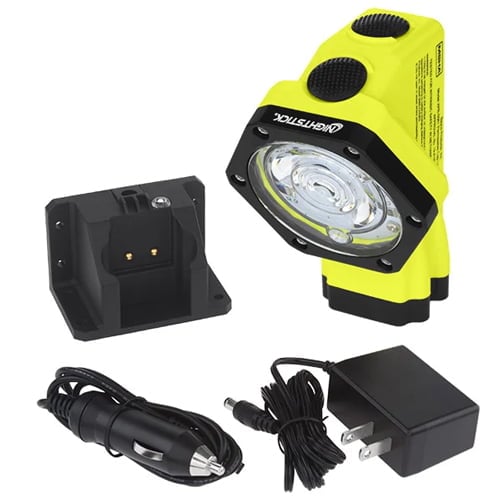
The rechargeable ATEX camp lamp nightstick XPR-5561G is an intrinsically safe device that combines spotlight, floodlight, and dual-light functionality.
It offers versatile lighting options with a high beam of 90 lumens and a low beam of 65 lumens.
Key specifications comprise:
- Weight: 0.375 lbs
- ATEX Rating: Zone 1, Zone 2
- Color: Black, Green
- CSA: Class 1 Division 1
- Hazardous Area Rating: Class 1 Division 1 Group D, Class 1 Division 1
- IECEx Certified: Yes
This floodlight emits a 70-lumen beam on high and provides up to 247 hours of runtime in “survival mode,” while the dual-light mode produces a 140-lumen beam with a 9-hour runtime.
Additionally, it is cULus, ATEX, IECEX, and MSHA certified, ensuring intrinsic safety, waterproofing, and dust proofing.
The package also includes a rechargeable lithium-ion battery, mountable charger, and AC/DC cords.
Elevating Safety Standards: Unveiling the Key Features and Benefits of Class 1 Division 1 Equipment
With our extensive range of Class 1 Division 1 equipment, let’s embark on a journey to explore the key features and benefits of Class 1 Division 1 equipment to understand why they are the go-to choice for uncompromising safety in hazardous environments.
Features and benefits of Class 1 Division 1 equipment include the following:
- Robust Construction: Class 1 Division 1-rated equipment is built to withstand extreme conditions, ensuring durability and long-lasting performance in hazardous areas.
- Explosion-Proof Design: These devices are engineered to contain and prevent explosions by eliminating potential ignition sources and maintaining a safe operating environment.
- Enhanced Safety Measures: Class 1 Division 1 equipment incorporates multiple safety features, such as flameproof enclosures, pressure relief mechanisms, and temperature controls, reducing the risk of hazardous incidents.
- Compliance with Standards: Class 1 Division 1 rated products adhere to stringent safety regulations and standards, ensuring compliance with the highest industry requirements.
- Reliable Performance: With advanced engineering and rigorous testing, Class 1 Division 1 equipment delivers consistent and reliable performance, even in the most hazardous conditions.
- Comprehensive Protection: This equipment provides comprehensive protection against flammable gases, vapors, or combustible dust, minimizing the potential for accidents and ensuring worker safety.
- Versatile Applications: Class 1 Division 1 rated devices suit various industries, including oil and gas, chemical processing, refineries, and other hazardous environments.
By choosing Class 1 Division 1-rated equipment from Intrinsically Safe Store, safety professionals can ensure that their workplace is equipped with the highest level of safety and compliance, mitigating risks and creating a secure environment for their workforce.
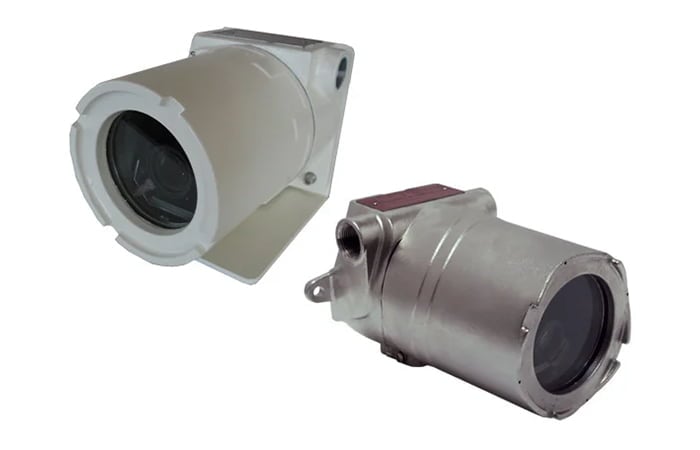
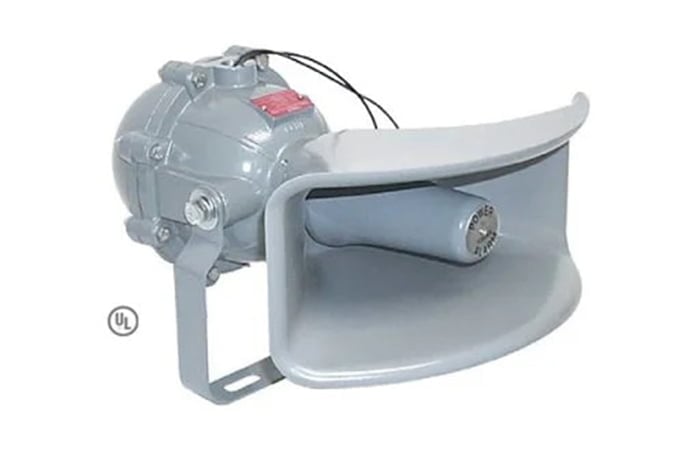
The table below shows some Class 1 Division 1-rated equipment available at Intrinsically Safe Store. Visit the collection page for more options.
⭐⭐⭐⭐⭐
“The best in its class, the Explosion Proof CCTV Camera IVC AMZ-3041-2 X-Series is certified Class I Division 1, Class 2, IECEx with ATEX 94/9/EC rating. The high resolution day/night camera is very helpful when it’s getting dark. The camera itself is very durable as it is made of a heavy-duty, cast-aluminum enclosure. This is highly useful in a hazardous environment.”—Mikel, Verified Buyer
Deep Dive: Class I, Division 2 (Abnormal Hazard Presence)
A Class 1 Division 2 location is an area where flammable gases or vapors are not normally present but may appear under “abnormal” conditions. These conditions are typically accidental and infrequent, such as a container leak, a seal rupture, or the failure of a ventilation system. Because the hazard is not persistent, the equipment requirements are less stringent than for Division 1. C1D2 equipment must be “non-incendive,” meaning it won’t be a source of ignition during its normal operation. However, unlike C1D1 equipment, it is not required to contain an explosion or be safe under fault conditions.
Class 1 Division 2 equipment plays a crucial role in ensuring workplace safety in hazardous environments where the risk of explosive atmospheres is present.
Understanding the features and benefits of Class 1 Division 2-rated equipment is essential for making informed decisions when selecting equipment for such environments.
Intrinsically Safe Store offers a range of reliable and compliant Class 1 Division 2 products designed to meet the specific requirements of hazardous areas.
Exemplifying Excellence: Class 1 Division 2 Product Showcase by Intrinsically Safe Store

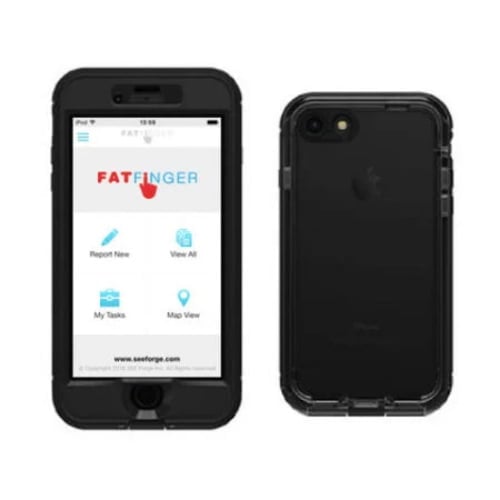
The Intrinsically Safe iPhone SE 3nd Gen ATEX Zone 2 Case provides robust protection without added bulk, featuring a fully sealed design to safeguard your phone against water and dirt while granting easy access to all controls and precise cutouts for speakers, cameras, and ports.
Compatible with Apple devices, this case allows users to utilize nearly any iPhone model in hazardous areas and harsh and wet environments.
The case also includes a transparent lens protection cover for the camera.
Key specifications comprise:
- ATEX Rating: Zone 2
- UL Hazardous Area Rating: Class 1 Division 2
If you require the Class 1 Division 2 certification label, you must send your device to our certified installation technicians. We will install the case at no charge and attach the certification and install label.
Alternatively, you can purchase the device directly from us, and we will handle the installation.
Don’t forget to insert your SIM card before shipping.
To ensure smooth handling of your device during shipping, please label your package and documentation with the following details:
- Xciel Inc. Suite 2001, 19830 Fm 1093 Rd Richmond Texas 77407, USA
- Attention Julian Lopez/Intrinsically Safe Store, contact number, +1 281 915 8927
To help us prepare to receive your device, please send a notice of shipment when printing labels to: sales@intrinsicallysafestore.com and Julian@xciel.com.
Learn More: How Intrinsically Safe Cases improve productivity
Elevating Safety Standards: Unveiling the Key Features and Benefits of Class 1 Division 2 Equipment
With our extensive range of Class 1 Division 2 safety products, we bring you a plethora of key features and benefits to enhance your safety experience.
They include the following:
- Robust Construction: Class 1 Division 2 equipment is built to withstand the challenges posed by hazardous environments, including exposure to flammable substances, extreme temperatures, and potentially corrosive elements.
- Cost-Effective Solution: Class 1 Division 2-rated equipment provides a cost-effective alternative for environments where explosive atmospheres are intermittent or limited. It allows for optimized spending while still maintaining the necessary level of safety.
- Versatility and Flexibility: Class 1 Division 2 equipment offers versatility in application, making it suitable for a wide range of hazardous environments. It allows more flexibility in selecting and relocating equipment based on changing operational needs.
- Hazardous Location Compliance: Class 1 Division 2 equipment meets the stringent requirements of hazardous location ratings, ensuring that it can safely operate in areas where flammable gases, vapors, or combustible dust may be present. This compliance enhances workplace safety and mitigates the risk of potential accidents.
- Wide Range of Products: Intrinsically Safe Store offers an extensive selection of Class 1 Division 2-rated safety products, including electric fans for hazardous areas, intrinsically safe lighting solutions, mobile devices for hazardous environments, and hazardous area cameras.
When selecting Class 1 Division 2 equipment, it is essential to consider the specific requirements of your hazardous environment and ensure compliance with safety regulations.
By choosing Intrinsically Safe Store’s Class 1 Division 2-rated products, you can trust our reliability, quality, and commitment to workplace safety in hazardous environments.
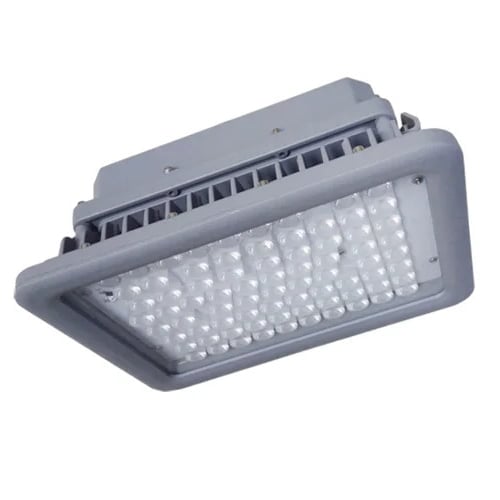
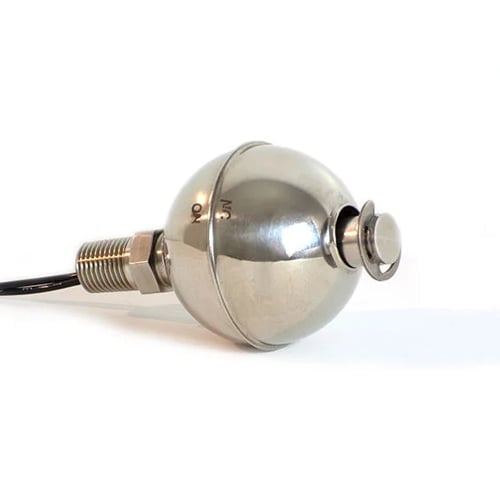
The table below shows some of our Class 1 Division 2-rated equipment. Visit the collection page for more options.
⭐⭐⭐⭐⭐
“It’s so bright and intrinsically safe, it’s perfect for dangerous environments.” —Archeal, Verified Buyer
Key Features & Benefits: A Direct Comparison
While both C1D1 and C1D2 equipment are designed for safety in hazardous areas, their features and benefits differ significantly based on the risk level they address. Understanding these differences is key to making a compliant and cost-effective decision.
Design and Construction
Class 1 Division 1 equipment features an explosion-proof or intrinsically safe design. This means the enclosure can contain an internal explosion without igniting the surrounding atmosphere, or its electrical energy is too low to cause ignition. The construction is exceptionally robust, with sealed conduits and heavy-duty materials to ensure containment and durability under the most severe conditions.
Class 1 Division 2 equipment is built to a non-incendive standard. It is designed not to produce sparks or thermal energy sufficient for ignition under normal operating conditions. The construction is durable but generally less restrictive than C1D1, as it doesn’t need to contain an internal explosion. This allows for more flexible and often lighter-weight designs.
Operational Safety and Cost
The primary benefit of C1D1 equipment is its uncompromising safety. It is engineered for failure, ensuring that even if the device malfunctions, it will not become an ignition source. This provides the highest level of protection for personnel and assets. However, this level of engineering comes at a higher initial cost.
The main benefit of C1D2 equipment is its balance of safety and cost-effectiveness. It provides sufficient protection for areas where hazardous conditions are rare, preventing ignition during normal operations. This makes it a practical and compliant choice for a wide range of industrial applications without the premium cost of C1D1-rated gear.
Making an Informed Decision: Choosing the Right Hazardous Area-Rated Equipment
When selecting hazardous area-rated equipment, making an informed decision is crucial for ensuring workplace safety and compliance.
Consider the following factors to make the right choice between Class 1 Division 1 and Class 1 Division 2 equipment:
Factor 1: Comparison Based on Specific Requirements:
- Evaluate your hazardous area classification and identify the specific requirements for your environment
- Assess factors such as gas and dust presence, temperature range, and potential ignition sources
Factor 2: Considering Cost-Effectiveness and Long-Term Needs:
- Compare the initial costs, maintenance requirements, and lifespan of Class 1 Division 1 and Class 1 Division 2 equipment
- Assess the long-term benefits and potential cost savings associated with Class 1 Division 1 classification and Class 1 Division 2 classification separately
Factor 3: Environmental Factors and Compliance:
- Take into account the environmental conditions, including temperature, humidity, and corrosive elements, to ensure the chosen equipment is suitable for your specific environment
- Verify that the equipment meets the relevant safety regulations and standards
Factor 4: Highlighting Intrinsically Safe Store’s Range of Products:
- Intrinsically Safe Store offers a comprehensive selection of hazardous area-rated equipment, including explosion-proof devices, electric fans, lighting solutions, mobile devices, and hazardous area cameras
- Our range of Intrinsically Safe products aligns with both Class 1 Division 1 and Class 1 Division 2 classifications, ensuring compliance and optimal workplace safety
By carefully considering these factors, you can make an informed decision and select the right hazardous area-rated equipment that meets your specific requirements while adhering to safety regulations.
Intrinsically Safe Store’s extensive range of products provides reliable and compliant solutions for various hazardous environments, empowering you to prioritize workplace safety effectively.
The table below provides a comparative analysis between Class 1 Division 1 and Class 1 Division 2 ratings, exploring their criteria, equipment design, safety level, and cost implications.
| Aspect | Class 1 Division 1 | Class 1 Division 2 |
| Criteria | High-risk areas with frequent presence of hazardous substances and potential for ignition | Less hazardous areas with occasional presence of hazardous substances and lower potential for ignition |
| Equipment Design | Must be designed to withstand and prevent the release of hazardous substances | Design must prevent the release of hazardous substances under normal operating conditions |
| Safety Level | Offers the highest level of safety and protection | Provides a reduced level of safety compared to Division 1 |
| Equipment Cost | Generally higher due to increased safety requirements | Often more cost-effective compared to Division 1 equipment |
Ensure Compliance with Expert Guidance
Navigating the nuances of Class 1 Division 1 and Division 2 is critical for maintaining a safe and compliant facility. An incorrect equipment choice can lead to significant safety risks and regulatory penalties. Because the stakes are so high, consulting with experts in hazardous area safety is not just a recommendation—it’s an essential step in your procurement process. Our specialists can help you perform a proper risk assessment and select equipment that provides the right level of protection without overspending.
Common Questions about Class 1 Divisions
What is the main difference between Class 1 Division 1 and Division 2?
The core difference is the likelihood of a hazardous atmosphere being present. In a Class 1 Division 1 area, flammable gases or vapors are present continuously or frequently during normal operations. In a Class 1 Division 2 area, these substances are only present under abnormal conditions, like a leak or spill.
Can I use Division 2 equipment in a Division 1 area?
No, you cannot. Division 2 equipment is not designed to be safe in an environment where explosive atmospheres are normally present. Using Div 2 equipment in a Div 1 area creates a significant risk of ignition and is a major safety violation. However, you can use Division 1 equipment in a Division 2 area, as it provides a higher level of protection than required.
How do I determine if an area is C1D1 or C1D2?
Determining the correct classification for a hazardous area requires a formal risk assessment conducted by qualified safety professionals. This process involves analyzing the types of flammable substances present, ventilation, temperature, pressure, and operational procedures according to standards from organizations like the NEC (National Electrical Code), API, and NFPA.
Are ATEX Zones and Class/Division ratings related?
Yes, they are two different systems for classifying hazardous areas. The Class/Division system is primarily used in North America, while the ATEX Zone system is standard in Europe and other parts of the world. They are roughly comparable: Class 1, Division 1 is similar to ATEX Zone 0 and Zone 1. Class 1, Division 2 is similar to ATEX Zone 2. It is crucial to use equipment certified for the specific system used in your region. For the definitions and markings side by side, see how Class I Div 2 and ATEX Zone 2 compare.
What does ‘non-incendive’ mean for C1D2 equipment?
Non-incendive means that under normal operating conditions, the equipment is not capable of producing a spark, arc, or thermal effect that could ignite a specific flammable gas or vapor. The protection method assumes the device will operate as intended. This is different from intrinsically safe (a C1D1 method), which ensures safety even during fault conditions.
Prioritize Safety and Compliance: Making the Right Choice for Hazardous Area-Rated Equipment
Selecting the appropriate hazardous area-rated equipment is of utmost importance for ensuring workplace safety and compliance in hazardous environments.
When deciding between Class 1 Division 1 and Class 1 Division 2 ratings, it is crucial to consider your environment and industry’s specific requirements.
By understanding the distinctions between these classifications and evaluating factors such as environmental conditions, potential ignition sources, and industry standards, you can make an informed decision.
Class 1 Division 1 equipment provides maximum protection in high-risk areas, while Class 1 Division 2 equipment offers cost-effective solutions for less hazardous zones.
With over 1,000 reliable and compliant intrinsically safe products, Intrinsically Safe Store is your one-stop destination for all your hazardous area equipment needs.
Prioritize safety and compliance by choosing our customized hazard-rated explosion-proof devices, safeguarding your workforce and operations.
⭐⭐⭐⭐⭐
Recommended
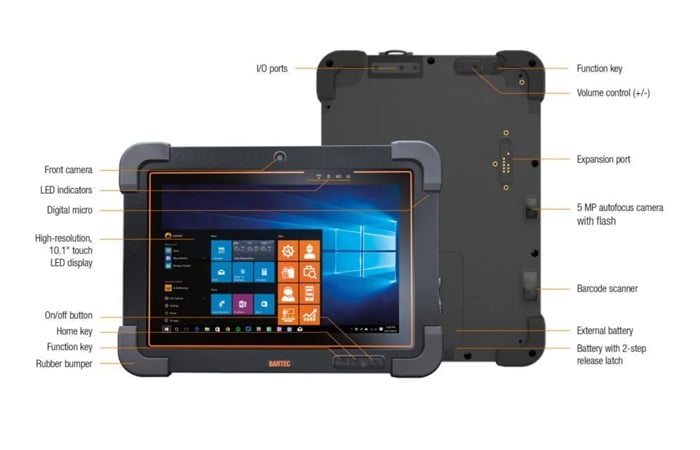
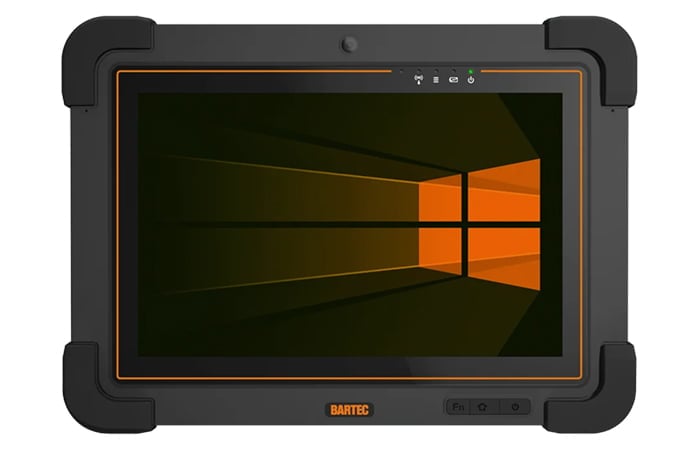
“This Intrinsically Safe Tablet Agile X IS is the best industry tablet ever made by Bartec. Not only that it is waterproof and dust proof, it is also designed to survive unexpected drops.” — Pam, Verified Buyer
Need Help Selecting The Right Certified Equipment?
Our specialists are ready to help you navigate the complexities of Class 1 Division 1 and Division 2 requirements. Contact us for a personalized consultation and a detailed quote.