Intrinsically Safe Knowledge Base
The Future of Edge Computing and Intrinsic Safety
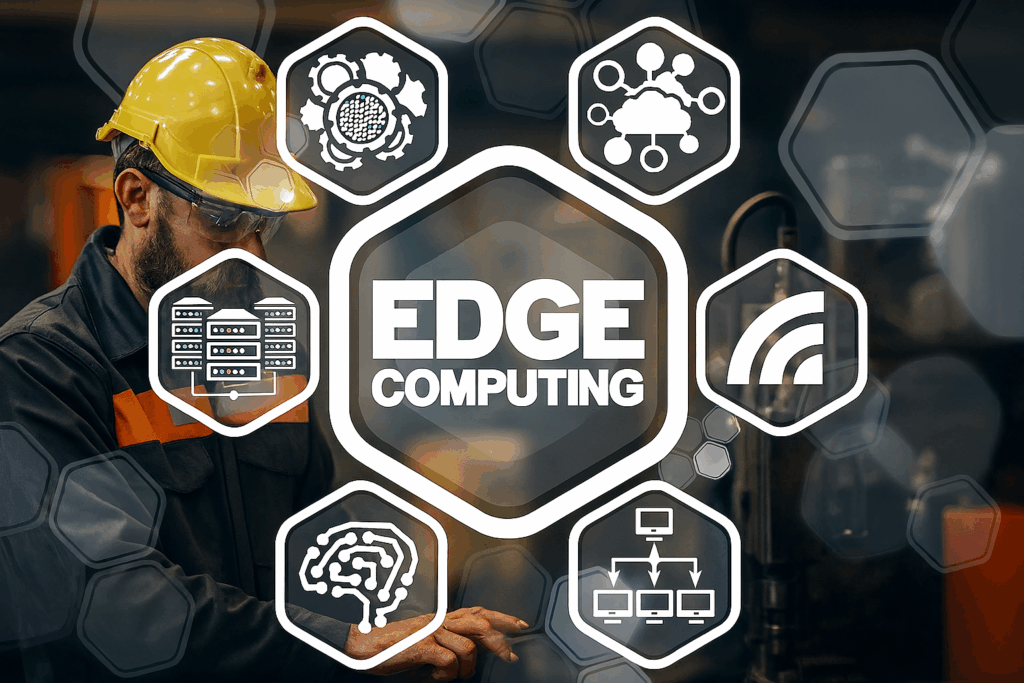
As industrial operations become increasingly digitized, the convergence of edge computing and intrinsic safety is transforming hazardous environments. From oil rigs to chemical plants, smart technology is no longer a luxury—it’s a necessity. But how do you deliver real-time processing power without risking an explosion?
This article explores how edge computing is shaping the future of intrinsically safe operations, which certifications are essential, what the best certified devices are, and how your organization can adapt today.
What Is Edge Computing in Industrial Settings?
Edge computing is a decentralized form of data processing. Rather than sending data to a centralized cloud server, edge computing handles data locally on the device, enabling faster decision-making and real-time responsiveness.
Explore more certified devices for hazardous environments → View all products
Benefits of edge computing in industrial environments:
-
Reduces latency: Data is processed instantly, even in remote or offline locations.
-
Enhances safety: On-device alerts and automation reduce human error.
-
Optimizes bandwidth: Limits data transmission to the cloud, saving network resources.
-
Supports automation: Enables AI-driven insights directly at the point of operation.
For field operations, especially in hazardous areas, this processing speed is vital. Time delays can mean the difference between incident prevention and disaster.
How Does Intrinsic Safety Fit Into Edge Computing?
Intrinsic safety (IS) ensures that electrical devices can operate safely in hazardous (explosive) environments by limiting the energy—both thermal and electrical—released during operation. This prevents devices from igniting flammable gases, vapors, or dust.
When you combine IS with edge computing, you get:
-
Smart, certified devices capable of real-time processing
-
Safer environments even in volatile zones
-
Mobile-first tools for data capture, barcode scanning, and device communication
To meet these dual demands, manufacturers must build devices that can compute quickly, stay cool, and pass rigorous safety certifications like ATEX, IECEx, or Class I Division 2.
Why Is Edge Computing Critical in Hazardous Industries?
Hazardous work environments often suffer from:
-
Limited or unreliable network access
-
Long distances between operational centers and equipment
-
High-stakes safety and regulatory pressures
Edge computing solves these problems by enabling local intelligence and instant response.
Key use cases:
-
Oil & Gas: Detect gas leaks, monitor pipeline pressure, and manage flare stacks in real time.
-
Mining: Monitor air quality, machine vibration, and personnel tracking.
-
Chemical Plants: Automate shutdown procedures based on temperature or leak detection thresholds.
-
Utilities: Use sensors and rugged handhelds to process inspection data on-site.
The ability to process data on-device, without needing constant cloud access, is becoming mission-critical.
What Certifications Are Required for Edge Devices in Explosive Zones?
To be safe for use in hazardous areas, edge-enabled devices must carry intrinsic safety certifications. The type of certification depends on both the geographic region and the type of explosive material present (gas, dust, or vapor).
Certification Overview
| Certification | Region | Environment | Example Product |
|---|---|---|---|
| ATEX Zone 1/2 | European Union | Explosive gas/dust atmospheres | Bartec TC26ex-NI |
| IECEx | Global | Similar to ATEX | Janam XT3 |
| Class I Division 2 | North America | Occasional gas/vapor presence | Janam XT2 |
| Class I Division 1 | North America | Constant/likely explosive presence | Intrinsically safe tablets and radios |
These certifications ensure that devices can be safely operated in Zone 1/2 (ATEX) or Division 1/2 (North America) without causing sparks or excessive heat.
Top Certified Intrinsically Safe Devices for Edge Computing
Here are three top-rated handheld computers designed to handle both edge computing and intrinsic safety in industrial settings:
Comparison Table: IS Edge Devices
| Product | Certifications | OS | CPU | Key Features | Use Case | Price |
|---|---|---|---|---|---|---|
| Janam XT3 | Class I Division 2 | Android 9 | 2.2GHz Octa-Core | LTE, rugged, barcode, Wi-Fi, Android Pie | Field data collection | $2,159.46 |
| Janam XT2 | Class I Division 2 | Android/Windows | 1.2GHz Quad-Core | 8MP camera, barcode, IP67, lightweight | Inspections & tracking | $1,429.80 |
| Bartec TC26ex-NI | Class I, II, III Division 2 | Android | Not disclosed | Compact, glove-friendly, one-handed use | Offshore and mining | $1,950.00 |
Best Choice by Industry:
-
Oil & Gas Fieldwork → Janam XT3
-
Budget-Conscious Safety Teams → Janam XT2
-
Underground/Compact Environments → Bartec TC26ex-NI
What Challenges Exist in Combining Edge Computing with Intrinsic Safety?
Creating intrinsically safe edge devices isn’t easy. Manufacturers must balance:
-
Heat regulation: Processors generate heat, which must be tightly controlled.
-
Power limits: Devices must operate below ignition-capable voltage thresholds.
-
Form factor constraints: Must be lightweight, rugged, and often operable with gloves.
-
Certification costs and time: Devices may take years to pass ATEX or IECEx standards.
Still, breakthroughs in low-power chipsets, passive cooling, and energy-efficient sensors are making it possible to build safe, powerful field tools.
How Will 5G and IoT Influence Intrinsically Safe Edge Devices?
5G and private LTE networks are enabling device-level data streaming, slicing, and real-time collaboration, especially in large industrial zones. Combined with IoT, this provides:
-
Lower latency for command execution
-
High-density sensor networking
-
Advanced analytics via AI or machine learning at the edge
Devices like the Bartec TC26ex-NI are already designed with these future networks in mind, ensuring compatibility with evolving smart infrastructure.
How Do Intrinsically Safe Edge Devices Improve Worker Safety?
Edge-enabled, intrinsically safe devices reduce human error by:
-
Processing alerts and safety rules instantly
-
Automating data capture (e.g., temperature, gas levels)
-
Supporting wearables and real-time tracking
-
Allowing voice-activated or touch-free operations
Instead of relying on cloud-dependent alerts, your workers get immediate notifications, ensuring they can react in time during emergencies.
What Does the Future Hold for Edge + Intrinsic Safety?
Edge computing and intrinsic safety are no longer siloed technologies. Their fusion is now powering:
-
Digital twins of industrial sites
-
AI-enabled predictive maintenance
-
Zero-trust safety ecosystems
As industries become more autonomous and data-centric, the need for certified edge hardware will only grow.
Expect to see:
-
Modular intrinsically safe edge platforms
-
ATEX-certified wearables
-
Real-time, multi-sensor data orchestration
-
Greater cloud interoperability with local fallback
Have questions about safe digital transformation? → Contact us for expert support
Frequently Asked Questions
What is an intrinsically safe edge device?
An intrinsically safe edge device is a smart electronic unit, like a mobile computer or sensor, designed to process data locally while meeting safety standards that prevent ignition in explosive environments.
How does edge computing improve safety in hazardous areas?
Edge computing improves safety by enabling real-time processing of environmental or equipment data without needing to connect to the cloud. This allows systems to instantly trigger alerts or safety responses.
Can intrinsically safe devices support 5G and IoT?
Yes, many intrinsically safe devices now support 5G and IoT protocols, provided they meet certification requirements for hazardous areas. This allows high-speed, low-latency communication even in explosive environments.
What certifications should edge devices have for explosive environments?
Devices must be certified under standards like ATEX, IECEx, or Class I/II/III Division 1 or 2, depending on the country and type of hazard. Always check the rating before deployment.
Are intrinsically safe mobile computers more expensive?
Yes, due to ruggedization, testing, and certification, IS devices usually cost more. However, this investment ensures legal compliance, worker safety, and equipment longevity in hazardous environments.
What industries benefit most from intrinsically safe edge computing?
Industries like oil & gas, mining, pharmaceuticals, utilities, and chemical manufacturing benefit most, where explosive materials are common and real-time safety management is crucial.
Conclusion: Preparing for a Smarter, Safer Future
The future of industrial operations lies in real-time data processing and extreme safety assurance. Intrinsically safe edge devices deliver on both fronts. With rugged mobile computers like the Janam XT3 and Bartec TC26ex-NI, companies can safely digitize workflows—even in the most dangerous environments.