Intrinsically Safe Products
Barcode Scanning in Hazardous Zones: Best Intrinsically Safe Scanners
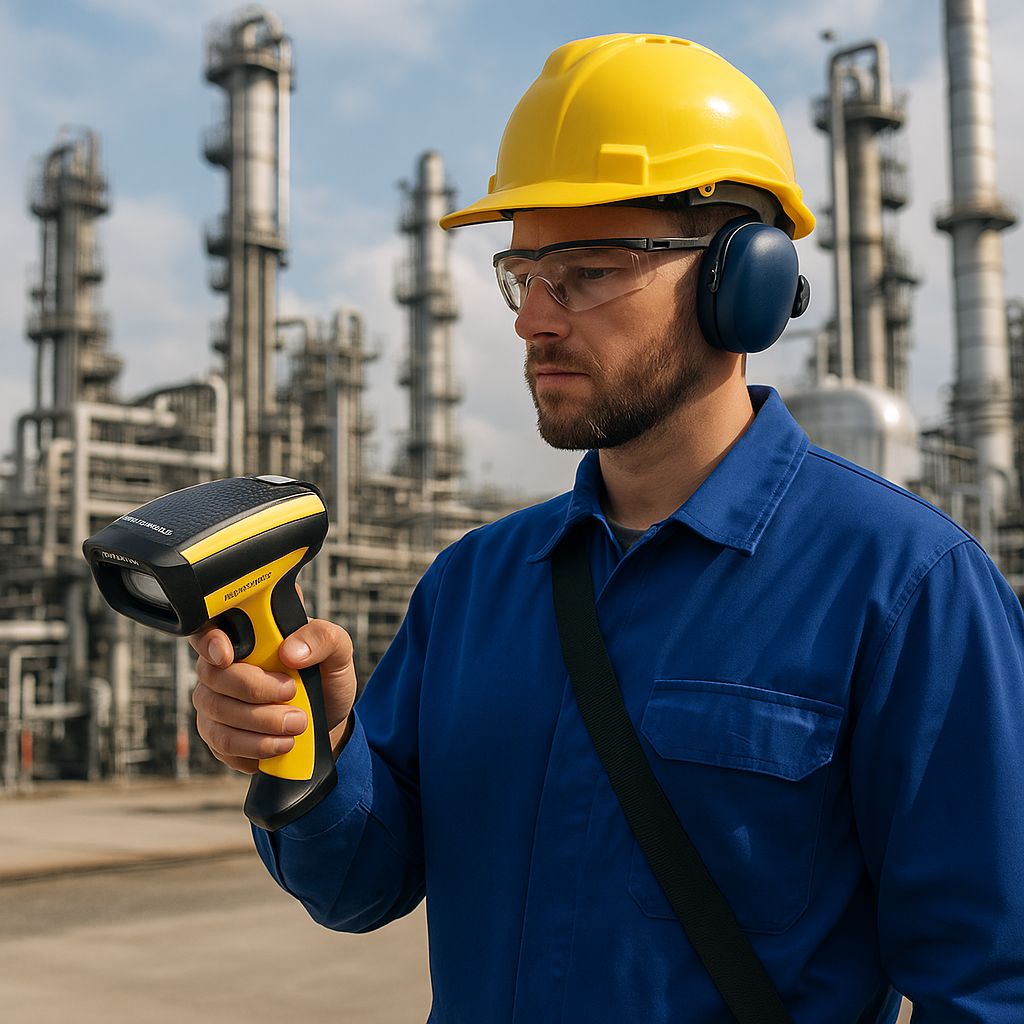
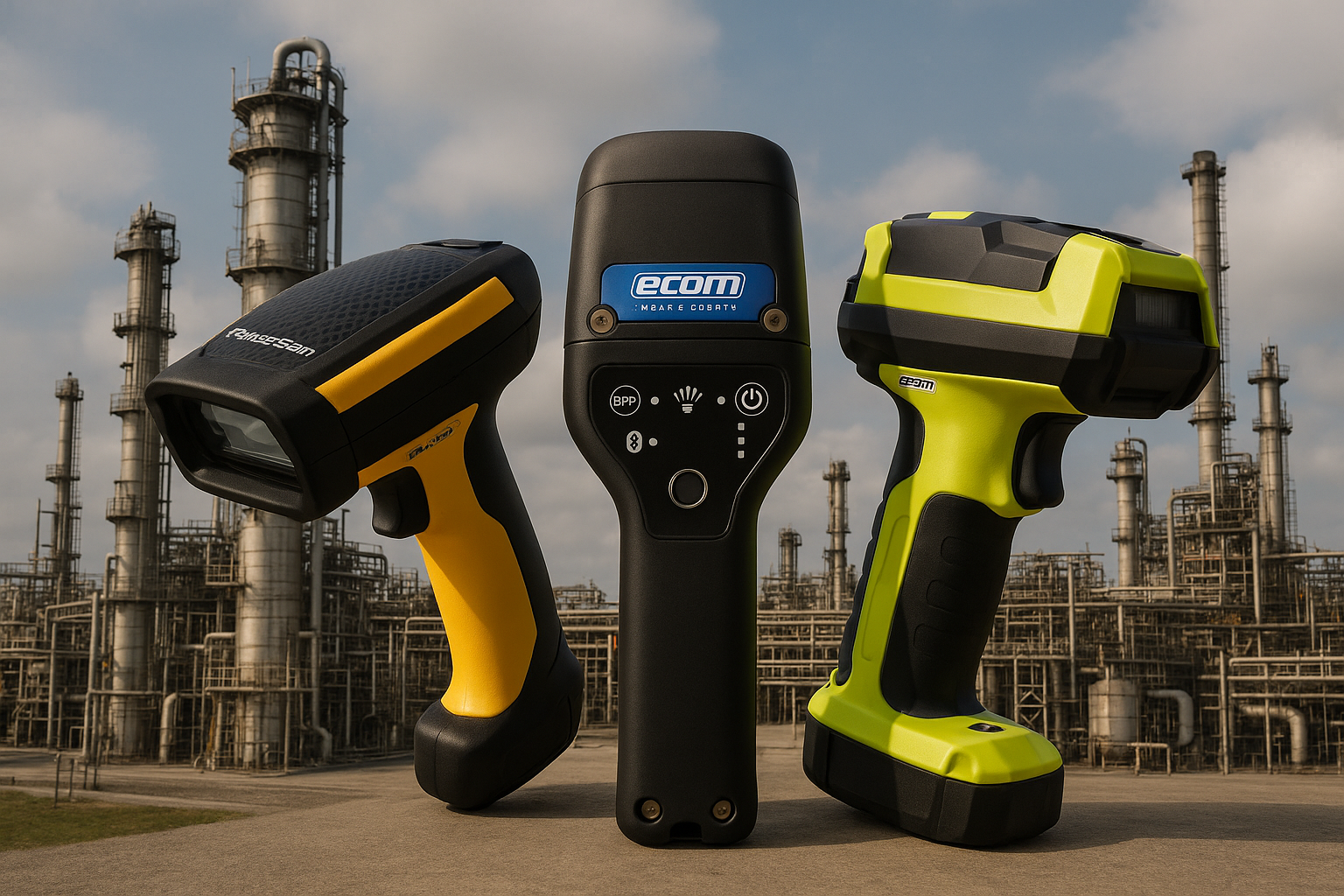
In high-risk work environments like oil refineries, chemical plants, and underground mining operations, managing inventory and assets with barcode scanners is standard practice. But traditional barcode scanners aren’t safe to use in areas where flammable gases, vapors, or dust may be present. In such cases, companies must turn to intrinsically safe scanners—devices engineered specifically for hazardous locations.
These scanners are certified to prevent ignition in explosive atmospheres, making them vital tools for businesses seeking both safety compliance and operational efficiency. In this guide, we’ll explore what makes a scanner intrinsically safe, how to choose the right model, and the top-rated options currently available.
What Is an Intrinsically Safe Scanner?
An intrinsically safe scanner is a barcode reader built to function safely in environments where the presence of flammable gases or dust could lead to explosions. The scanner is engineered to limit energy—both thermal and electrical—to levels that are incapable of igniting hazardous substances.
These devices comply with global safety standards such as:
-
ATEX (Atmosphères Explosibles) – European certification for equipment used in explosive atmospheres
-
IECEx (International Electrotechnical Commission System for Certification) – Global safety benchmark
-
UL Class I, Division 1 or 2 – North American standards for explosive gas environments
By using such scanners, organizations reduce risks and comply with stringent safety regulations that govern operations in hazardous zones.
Why Is Barcode Scanning Needed in Hazardous Zones?
Barcode scanning streamlines multiple operations:
-
Inventory tracking of tools, parts, or materials
-
Inspection logging in compliance-driven industries
-
Work order verification to ensure accuracy and accountability
-
Access control to restricted equipment or zones
-
Real-time data transfer in digitally connected environments
In high-risk sectors like petrochemicals or offshore drilling, doing all this safely requires intrinsically safe technology.
Understanding Hazardous Zone Classifications
Before selecting a scanner, it’s important to understand the zone or division where it will be used.
| Classification | Description | Examples |
|---|---|---|
| Zone 0 / Class I, Division 1 | Explosive gas atmospheres are present continuously or for long periods. | Inside fuel tanks, refinery chambers |
| Zone 1 / Class I, Division 1 | Likely to have an explosive atmosphere during normal operation. | Mixing rooms, pump stations |
| Zone 2 / Class I, Division 2 | Unlikely but possible under abnormal conditions. | Ventilation ducts, maintenance corridors |
Each zone demands specific levels of certification. Devices not appropriately rated can become ignition sources and lead to catastrophic incidents.
What Certifications Should You Look For?
When evaluating an intrinsically safe scanner, confirm these certifications:
-
ATEX Zone 1 or Zone 2: Mandatory for European installations
-
IECEx: Accepted internationally
-
UL Class I, Division 1 or 2: Standard for North America
-
IP Ratings (e.g., IP65, IP67): Indicate resistance to dust and water
-
MIL-STD-810G: Military standard for ruggedness
These ratings aren’t just safety requirements—they’re operational necessities in industries where downtime or equipment failure can be costly and dangerous.
Best Intrinsically Safe Scanners for 2025
Here’s a breakdown of the most trusted intrinsically safe barcode scanners available today, selected based on certification, ruggedness, scanning performance, and user experience.
Comparison Table
| Product Name | Certifications | Scanner Type | Key Features | Ideal Industries |
|---|---|---|---|---|
| i.safe MOBILE IS-TH1xx.1 | ATEX Zone 1, IECEx, UL C1D1 | Bluetooth Handheld | 1D/2D scanning, modular design, up to 15m range | Oil & Gas, Petrochemical |
| Bartec BCS 3600 NI | UL C1D2, IP65 | Corded/Cordless | Long-range scanner, ultra-rugged housing, 70ft range | Mining, Manufacturing |
| Pepperl & Fuchs Ident-Ex 01 | ATEX Zone 1, IECEx, C1D1 | Modular Bluetooth | RFID + barcode scanning, field exchangeable heads | Logistics, Warehousing |
| Extronics iSCAN2xx Series | ATEX Zones 1/2/21/22 | Bluetooth Handheld | Rechargeable, wireless, 1D/2D scanning | Utilities, Oil & Gas |
| BARTEC SC9EX1 Smartscanner | ATEX, IECEx, C1D1 | Smart Scanner | Zebra SE55 engine, Android-based, 5G-ready | Industrial Automation |
Which Intrinsically Safe Scanner Is Right for You?
Choosing the right intrinsically safe scanner depends on several operational factors. Here’s a breakdown to help you decide:
Best for Long-Range Scanning
Bartec BCS 3600 NI stands out with a 70-foot range and high-speed performance, making it ideal for scanning barcodes on pallets or storage shelves from a distance.
Best for Modular Flexibility
Pepperl & Fuchs Ident-Ex 01 offers plug-and-play flexibility with interchangeable heads that switch between RFID and barcode capabilities.
Best for Underground and Confined Spaces
i.safe MOBILE IS-TH1xx.1 is a compact yet robust solution with a scanning range of up to 15 meters and Bluetooth connectivity to keep workers mobile and safe.
Best for Harsh Environments
Extronics iSCAN2xx is certified across multiple zones (1, 2, 21, 22) and offers durable operation even in dusty or humid environments.
Best for Connected Operations
BARTEC SC9EX1 Smartscanner integrates high-performance scanning with Android OS and 5G connectivity, perfect for real-time cloud applications in hazardous locations.
Industry Metrics: Why Intrinsically Safe Scanners Matter
According to industry studies:
-
Over 50% of oil and gas operators experienced safety incidents due to non-compliant devices (source: IOGP)
-
85% of surveyed logistics companies with hazardous operations reported improved accuracy and safety after adopting intrinsically safe scanners (source: LogisticsIQ)
-
The average cost of an explosion in a chemical plant exceeds $3 million USD in direct damages (source: OSHA data)
Summary Table
| Metric | Value |
|---|---|
| % of oil & gas firms with incidents from unsafe devices | 50% |
| Improvement in accuracy with safe scanners | 85% |
| Avg. cost of explosion in chemical site | $3M USD |
FAQs
What is the main function of an intrinsically safe scanner?
It allows barcode scanning in hazardous zones without posing an ignition risk, making it safe for explosive environments.
Are intrinsically safe scanners compatible with all barcode types?
Most models support both 1D and 2D barcodes. Some advanced scanners also include RFID capabilities for broader asset tracking.
How do I know if a scanner is certified for my zone?
Check the device’s technical specifications and look for certifications like ATEX Zone 1 or UL Class I, Division 1. Always verify against your site’s hazardous classification.
Can intrinsically safe scanners connect wirelessly?
Yes. Many models feature Bluetooth or Wi-Fi connectivity, enabling real-time data transmission even in restricted environments.
How long do intrinsically safe scanners last?
With rugged design and sealed enclosures, most scanners last 3–5 years under heavy-duty industrial use. Battery-powered models typically have 8–12 hours of active runtime.
Maintenance and Best Practices
Maintaining intrinsically safe barcode scanners ensures long-term reliability and safety.
Maintenance Tips
-
Perform regular visual inspections for physical damage
-
Clean optical windows with non-abrasive materials
-
Recharge in approved docking stations only
-
Update firmware per manufacturer guidelines
-
Store in temperature-controlled environments
Following these practices not only prolongs device life but ensures they maintain their safety certifications.
Conclusion
Using an intrinsically safe scanner in hazardous zones is not just a matter of efficiency—it’s a safety imperative. These rugged, certified devices ensure compliance with regulatory standards while enabling critical data collection in explosive environments. From oil fields to mining tunnels, selecting the right scanner involves understanding certifications, zone classifications, and your operational needs.
When you invest in certified, intrinsically safe equipment, you’re not only protecting your team—you’re future-proofing your operations.