Intrinsically Safe Knowledge Base
Certified Safe Devices for the Food Safety and Processing Industry
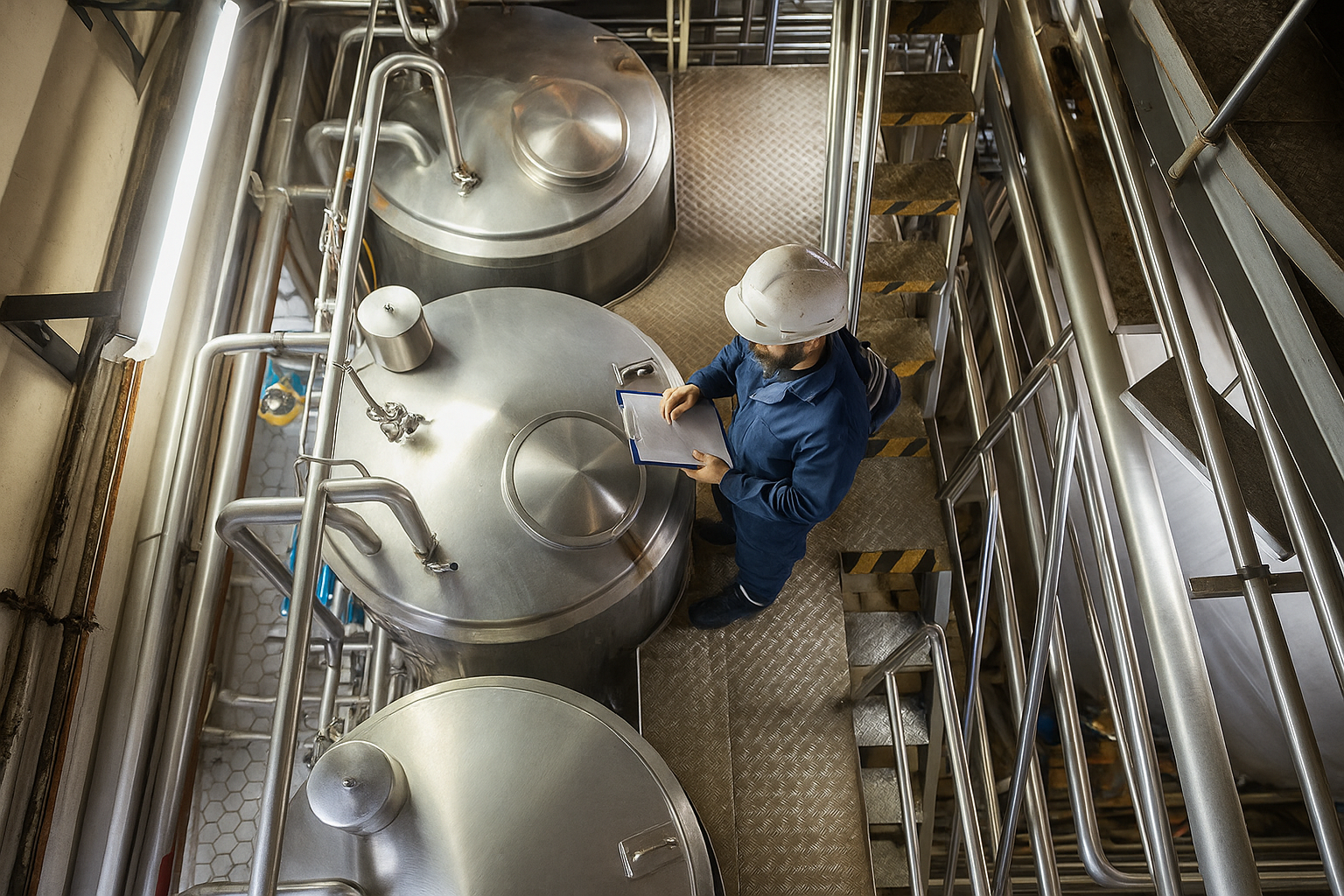
In food processing environments, safety isn’t just about meeting regulatory standards—it’s about protecting workers, preserving product integrity, and minimizing downtime. That’s where intrinsically safe for food safety equipment comes in. These devices are specially engineered to operate safely in potentially explosive environments while maintaining hygiene standards critical to food production.
In this guide, we’ll explore what makes equipment intrinsically safe for food applications, certifications to look for, and the best certified products for your operations.
What Is Intrinsic Safety in Food Processing?
Intrinsic safety is a design standard that limits electrical and thermal energy to prevent ignition in hazardous environments—like those where combustible dust or vapors are present. In food processing, this often includes:
-
Powdered substances (e.g., sugar, flour, starch)
-
Flammable cleaning agents
-
Pressurized CO₂ systems
-
Confined areas prone to dust accumulation
Devices used in these settings must not only prevent explosions but also resist water, chemical exposure, and bacterial contamination—making dual compliance (hazard and hygiene) essential.
Why Use Intrinsically Safe Equipment in Food Facilities?
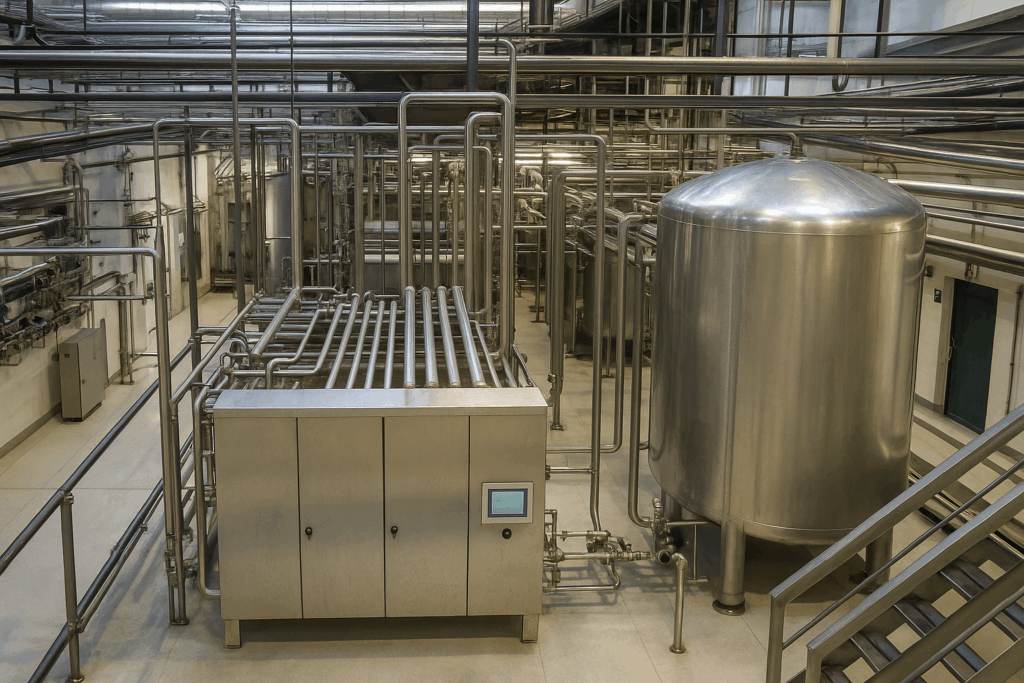
Food production involves numerous risk points—from conveyor belts dusted with flour to sterilizing lines with volatile sanitizers. Certified safe equipment mitigates these risks by:
-
Reducing ignition sources in classified hazardous zones (Zone 1/21 or Zone 2/22)
-
Supporting clean-in-place (CIP) and sanitize-in-place (SIP) protocols
-
Complying with OSHA, ATEX, IECEx, and FDA standards
-
Improving audit scores and reducing liability
Failure to use intrinsically safe gear where required can lead to fines, shutdowns, or even catastrophic accidents.
What Certifications Should You Look For?
When selecting intrinsically safe devices for food processing, make sure they meet certifications relevant to both explosion safety and food contact standards:
| Certification | Scope | Application in Food Processing |
|---|---|---|
| ATEX (EU) | Explosive atmospheres | Zone classification for gas and dust |
| IECEx (Global) | Intrinsic safety/electrical | International standard for IS electronics |
| UL/CSA (USA/Canada) | Hazardous location safety | Used for Class I/II Division areas |
| FDA / 3-A | Food-grade material | Material and cleanability compliance |
| EHEDG | Hygienic design | Ensures equipment can be fully cleaned |
Devices should include labeling such as Ex ib IIC T4 Gb or Zone 21 Dust Certified depending on your facility’s classification.
Top Intrinsically Safe Devices for Food Safety
We’ve compiled a list of the most trusted certified devices available from Intrinsically Safe Store, across four essential categories.
Explosion-Proof Control Panels
Explosion-proof panels are built to contain internal explosions without igniting the surrounding environment—ideal for areas with combustible dust or gas.
| Product | Certifications | IP Rating | Use Case | Price |
|---|---|---|---|---|
| Spectrum 1313-2-SPH | ATEX, IECEx | IP66 | Mid-size processing lines | $4,800.00 |
| Spectrum 1313-4-SPH | ATEX, IECEx | IP66 | Larger facilities with multi-unit control | $6,516.00 |
| Spectrum 1414-8-SPH | ATEX, IECEx | IP66 | Large-scale processing with multiple relays | $8,088.00 |
| TLH214AG3 CC | UL, ATEX | IP65 | Compact or backup systems | $4,320.00 |
Best Choice for: CIP/SIP environments and production lines using powdered ingredients like sugar or starch.
Intrinsically Safe Radios
Communication is critical in industrial environments—especially in emergencies. These radios are engineered to work safely in explosive zones while being easy to sanitize.
| Product | Certifications | Battery Life | Durability | Price |
|---|---|---|---|---|
| Intrinsically Safe Radio | ATEX Zone 1, UL913 | Up to 16 hrs | Water/dust resistant | $347.78 |
Best Choice for: Mobile supervisors, sanitation crews, and emergency coordinators inside production areas.
Explosion-Proof Lighting & Indicators
LED indicator lights and warning systems ensure safety visibility while maintaining compliance with hazardous and food-grade standards.
| Product | Certifications | IP Rating | Use Case | Price |
|---|---|---|---|---|
| James Industry Exit Light J Series | ATEX, UL | IP65 | Emergency signage | $1,135.38 |
| 371LEDX-120 Commander LED | IECEx, Class I Div 2 | IP66 | Conveyor alert system | $2,065.00 |
| CRESSA CSEXM2-25W-63W | ATEX, CSA | IP66 | Washdown indicator light | $607.50 |
| Tomar 2000XL Series | UL844, Class I Div 1 | IP66 | Machine zone warning | $430.00 |
| Cressa CS-EXFL-0 | ATEX Zone 1 | IP65 | General hazard area lighting | $274.63 |
Best Choice for: Signal and alert functions in areas with fluctuating gas/dust levels and high-pressure washdowns.
Explosion-Proof Cameras
Visual inspection is critical for quality control. These cameras are built to resist corrosion and prevent sparks while providing high-definition video feeds.
| Product | Certifications | Design | Use Case | Price |
|---|---|---|---|---|
| Bartec Pixavi Cam | ATEX/IECEx Zone 1 | Compact, Android-based | On-site photo/video documentation | $2,545.84 |
| CorDEX ToughPIX EXTREME TP3EX | ATEX Zone 1 | Rugged, portable | Manual inspections in CIP areas | $2,450.00 |
| Bartec Pixavi Gravity X | ATEX/IECEx Zone 1 | Touchscreen, rugged | Visual SOPs & live inspections | $3,698.69 |
| CorDEX ToughPIX DigiTherm TP3REX | ATEX Zone 1, with thermal | Dual mode (visual/thermal) | Temperature anomaly detection | $3,174.40 |
| IVC AMZ-HD41-3 CCTV | Explosion-proof, IP66 | Fixed, high-res | 24/7 packaging line monitoring | $3,893.50 |
Best Choice for: High-risk inspection zones and packaging environments requiring visual safety verification.
How to Choose the Right Intrinsically Safe Equipment
What zone classification does your facility fall under?
Food plants often fall into:
-
Zone 1/21: Frequent presence of explosive gas/dust
-
Zone 2/22: Infrequent or short-term presence
Choose devices rated for your exact zone. Always match or exceed the zone’s safety classification.
Does the device comply with food-safe materials?
In food production, it’s not enough to be explosion-proof—the device must:
-
Use 316L stainless steel or FDA-grade plastics
-
Be sealed (IP65+) against water, grease, and cleaning agents
-
Pass EHEDG or 3-A hygienic design standards
Should you choose explosion-proof or intrinsically safe design?
-
Explosion-proof = Contains internal ignition, better for stationary gear like control panels.
-
Intrinsically safe = Prevents ignition entirely, ideal for portable or sensitive electronics.
Can this device withstand your cleaning protocol?
Check compatibility with:
-
High-pressure washdowns
-
Acidic/alkaline detergents
-
Steam and temperature variation (SIP systems)
Look for corrosion-resistant materials and ingress protection (IP66/IP67+).
Frequently Asked Questions
What makes a device intrinsically safe for food processing?
An intrinsically safe device limits energy output to prevent ignition while using food-grade, washable materials. It combines explosion protection with hygienic design for dual compliance.
Can I use intrinsically safe lights and indicators during washdown?
Yes. Ensure they have IP66 or higher ratings and corrosion-resistant seals. Always verify if they are rated for your sanitation chemicals and pressure levels.
Are all explosion-proof cameras food-safe?
No. Only models with 316L stainless steel, IP67+ ratings, and compliant lenses should be used in food zones. Look for certifications like ATEX Zone 1/2 and IECEx.
How often should intrinsically safe devices be inspected?
A visual check every 3–6 months and a full operational inspection annually is recommended. Include device checks in your HACCP and safety audit cycles.
Do I need documentation for certified devices?
Yes. Keep manufacturer certificates (ATEX, UL, EHEDG) and installation records on file. These are often required during OSHA inspections or supplier audits.
Conclusion
Investing in intrinsically safe for food safety devices is not just a regulatory necessity—it’s a cornerstone of safe, efficient, and compliant food production. Whether you’re upgrading control panels, installing explosion-proof lights, or deploying safe radios and cameras, each component plays a vital role in your facility’s risk management strategy.