Intrinsically Safe Products
5 Intrinsically Safe Sensors That Are Revolutionizing Safety Monitoring
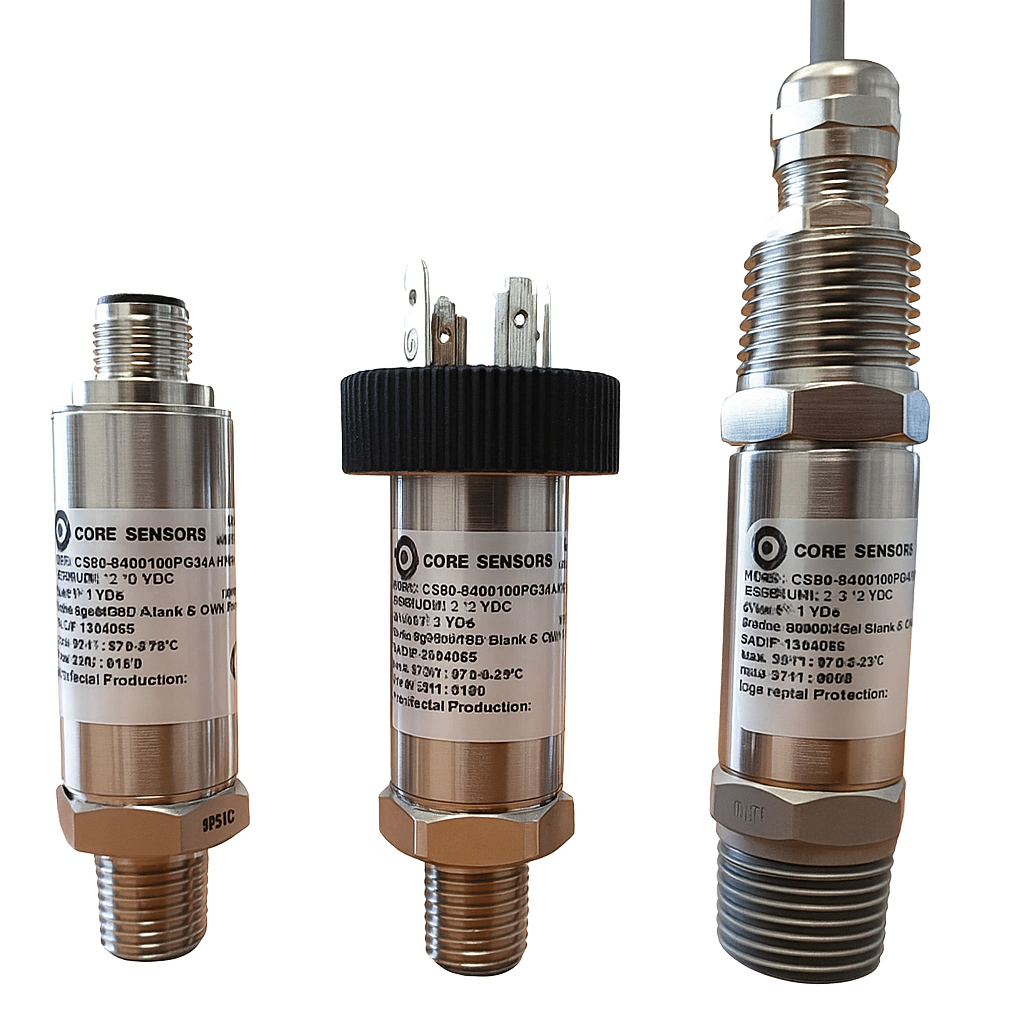
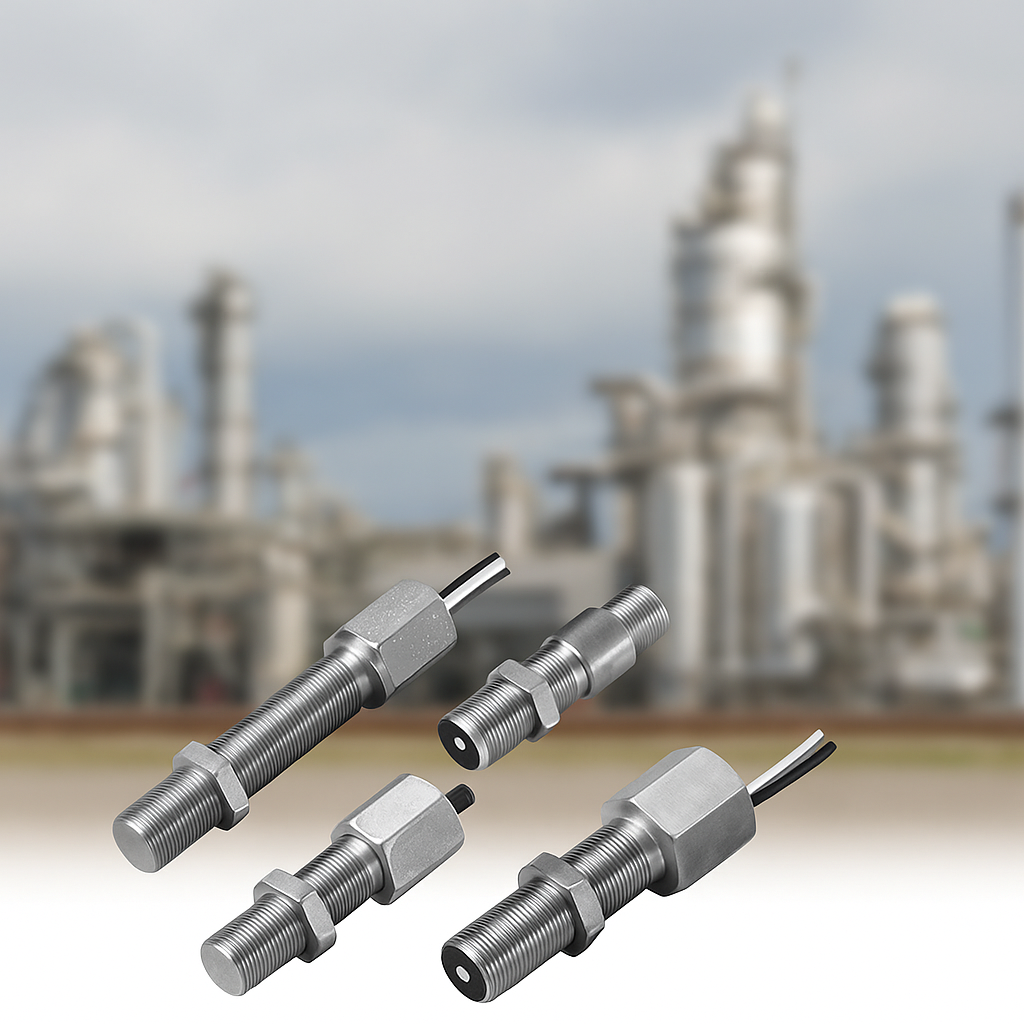
In hazardous environments, real-time safety monitoring isn’t optional—it’s mission-critical. With explosive gases, dust, and volatile chemicals present, traditional sensing equipment can become an ignition risk. That’s why the demand for the intrinsically safe sensor is rising across industries like oil & gas, mining, pharmaceuticals, and manufacturing.
This post explores five advanced intrinsically safe sensors that are transforming how companies monitor pressure, level, temperature, and more. You’ll discover how these sensors work, what certifications matter, how they compare, and how to select the best fit for your application.
What Makes an Intrinsically Safe Sensor?
Quick Answer
An intrinsically safe sensor is a device engineered to operate in explosive environments by limiting electrical and thermal energy to safe levels.
Detailed Overview
These sensors meet strict international standards like ATEX (EU), IECEx (global), UL913 (North America), and others, making them suitable for Zone 0, Zone 1, or Division 1 hazardous areas. They achieve safety by:
-
Using energy-limiting components (zener barriers, resistors)
-
Preventing fault conditions from creating sparks or hot surfaces
-
Maintaining circuit integrity under extreme conditions (humidity, vibration, temperature)
-
Reducing the risk of ignition in flammable atmospheres during routine operations or maintenance

How Are Intrinsically Safe Sensors Revolutionizing Hazardous Area Monitoring?
Quick Answer
They enable safer, smarter, and more connected operations in environments where failure isn’t an option.
Benefits and Use Cases
-
Remote Monitoring: With Modbus or 4–20 mA outputs, these sensors deliver real-time data without entering dangerous zones.
-
Predictive Maintenance: Monitor pressure spikes, tank levels, humidity shifts, or leaks before they lead to downtime.
-
Fewer Shutdowns: By detecting unsafe conditions early, operations can adjust without halting processes.
-
Better Compliance: Built-in certifications reduce liability, simplify audits, and avoid fines from safety violations.
-
Digital Integration: Many sensors integrate with SCADA, PLC, and cloud platforms for centralized control.
5 Intrinsically Safe Sensors Transforming Industry
1. RPS-409A-IS3 Intrinsically Safe Ultrasonic Sensor
-
Certifications: ATEX, IECEx
-
Measurement: Non-contact level detection
-
Output: 4–20 mA / RS485
-
Features: Compact body, rugged housing, accurate distance measurement in wet, dusty, or corrosive conditions
-
Applications: Tank level monitoring, silos, liquids and solids measurement in oil, water, wastewater
2. APG PT-500-P1 Submersible Pressure Transducer
-
Certifications: ATEX Zone 0
-
Measurement: Submersible liquid pressure
-
Output: 4–20 mA
-
Features: Fully submersible, stainless steel, factory calibrated for deep tanks
-
Applications: Chemical processing tanks, groundwater reservoirs, offshore fluid monitoring
3. E+E Elektronik EE100Ex Humidity/Temperature Sensor
-
Certifications: ATEX, IECEx
-
Measurement: Relative humidity (RH) and ambient temperature
-
Output: Analog + Modbus
-
Features: Dual-channel measurement, filter options, extended environmental range (-40°C to +60°C)
-
Applications: Cleanrooms, chemical environments, climate-controlled storage
4. APG MNU IS Modbus Ultrasonic Level Sensor
-
Certifications: ATEX, IECEx
-
Measurement: Non-contact distance/level via ultrasonic pulse
-
Output: Modbus RTU
-
Features: Solid/liquid compatibility, user-configurable via software, built-in diagnostics
-
Applications: Grain silos, food and beverage tanks, mixing vats
5. Pepperl+Fuchs NBB10-30GM50-A0 Inductive Sensor
-
Certifications: ATEX Zone 2
-
Measurement: Object detection (inductive sensing)
-
Output: Digital (switching output)
-
Features: Rugged metal housing, non-contact detection, fast switching frequency
-
Applications: Conveyor position monitoring, machine automation in explosive zones
Sensor Comparison Table
| Sensor | Certifications | Measurement Type | Output | Features | Best For |
|---|---|---|---|---|---|
| RPS-409A-IS3 Ultrasonic | ATEX, IECEx | Level/Distance | 4–20 mA, RS485 | Dust/water proof, non-contact | Tanks, grain silos, sludge pits |
| APG PT-500-P1 Pressure | ATEX Zone 0 | Submersible Pressure | 4–20 mA | Deep tank compatibility, robust design | Oil tanks, reservoirs, refineries |
| E+E EE100Ex Humidity/Temp | ATEX, IECEx | Humidity & Temp | Analog, Modbus | Wide range, dual function, filter options | Laboratories, chemical plants |
| APG MNU IS Modbus Ultrasonic | ATEX, IECEx | Level/Distance | Modbus RTU | Easy config, works with solids & liquids | Food plants, powder tanks, slurry |
| Pepperl+Fuchs Inductive | ATEX Zone 2 | Proximity | Digital (PNP) | Compact size, durable, fast response | Material handling, robotics, conveyors |
How to Choose the Right Intrinsically Safe Sensor
Quick Answer
Choose based on hazardous area zone rating, sensor type, media compatibility, output format, and maintenance access.
Buying Guide
-
Zone/Division Rating: Use Ex ia for Zone 0, Ex ib for Zone 1
-
Sensor Type: Pressure for fluids/gases, ultrasonic for non-contact level, inductive for position sensing
-
Environment: Moisture, chemical exposure, vibration? Choose corrosion-proof and IP-rated models
-
Data Output: Match analog or Modbus/RS485 output to your control system
-
Mounting Type: Threaded, flange, immersion, or surface mount depending on your vessel or location
Are Intrinsically Safe Sensors Cost-Effective?
Yes, they offer substantial ROI by:
-
Reducing risk: Prevent explosions by eliminating ignition sources
-
Saving downtime: Enable monitoring without interrupting production
-
Ensuring compliance: Avoid fines and shutdowns from audit failures
-
Improving data accuracy: Precision sensors enable better control and analytics
Over 12–24 months, these benefits outweigh higher initial cost.
Need Help Choosing? → Schedule a Call with Our Safety Experts
Frequently Asked Questions
What is the difference between Ex ia and Ex ib sensors?
Ex ia is safe for continuous explosive environments (Zone 0), while Ex ib is suitable for occasional exposure (Zone 1).
Can intrinsically safe sensors be used with standard PLCs?
Yes, with intrinsic safety barriers or isolators. Many offer 4–20 mA or Modbus for compatibility.
How often do IS sensors require calibration?
Most recommend annual calibration. Critical process environments may require quarterly checks.
Are there wireless intrinsically safe sensors?
Yes, some models integrate with wireless transmitters or edge devices for remote data acquisition.
Can I use IS sensors in wet or corrosive environments?
Yes, especially stainless steel or IP67/68-rated models like the PT-500-P1 and RPS-409A-IS3.
Conclusion
Intrinsically safe sensors are the foundation of modern safety monitoring in hazardous environments. From ultrasonic level sensing to submersible pressure and inductive proximity detection, today’s sensors are more advanced, accurate, and compliant than ever. Whether you’re retrofitting or designing a new facility, investing in the right intrinsically safe sensor pays dividends in uptime, compliance, and peace of mind.