Intrinsically Safe Products
How Intrinsically Safe Sensors Improve Safety in Hazardous Work Environments
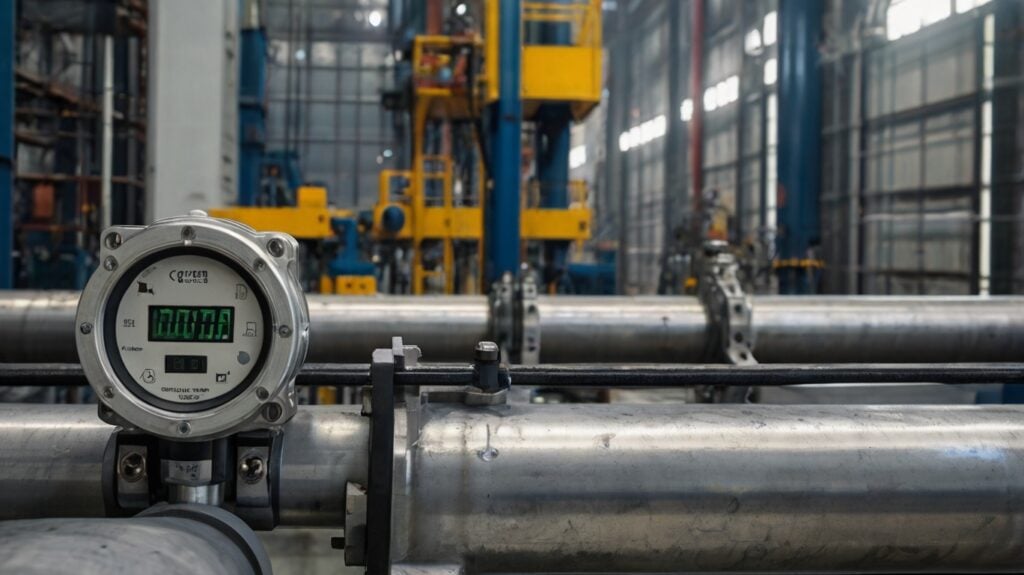
Hazardous work environments, such as oil refineries, chemical plants, and mining operations, require strict safety measures to prevent explosions and fires. One of the most critical technologies ensuring workplace safety is the intrinsically safe sensor. These sensors are designed to operate in explosive atmospheres without igniting flammable gases, dust, or vapors.
In this article, we’ll explore how intrinsically safe sensors enhance safety, their key applications, and how industries can integrate them for optimal protection.
What Are Intrinsically Safe Sensors?
Definition & Core Functionality
An intrinsically safe sensor is a low-energy device engineered to prevent the possibility of sparking a fire or explosion in hazardous environments. These sensors work by limiting the electrical and thermal energy below the ignition threshold of the surrounding atmosphere.
Key Features of IS Sensors:
- Low Voltage & Current: Prevents sparks and overheating.
- Explosion-Proof Certification: Meets ATEX, IECEx, and UL standards.
- Durability: Resistant to harsh chemicals, moisture, and dust.
- Real-Time Monitoring: Detects environmental changes instantly.
How They Differ from Explosion-Proof Sensors
| Feature | Intrinsically Safe Sensors | Explosion-Proof Sensors |
|---|---|---|
| Energy Limitation | Limits energy below ignition level | Contains explosion within housing |
| Weight & Size | Compact, lightweight | Heavy-duty enclosures |
| Cost | Lower cost due to simple design | Higher cost due to enclosures |
| Use Cases | Gas detection, pressure monitoring | Motors, control panels |

How Do Intrinsically Safe Sensors Enhance Safety?
Preventing Explosions & Fires
By limiting electrical and thermal energy, IS sensors eliminate the risk of ignition in hazardous locations. Unlike standard sensors, they are engineered to operate safely even in environments with flammable gases or dust.
Real-Time Hazard Detection
Modern intrinsically safe sensors use IoT connectivity to provide:
- Continuous Monitoring: Detects gas leaks, pressure changes, and temperature spikes.
- Remote Alerts: Sends real-time safety warnings to workers and supervisors.
- Data Logging: Improves compliance with OSHA & ATEX safety regulations.
Reducing Downtime & Maintenance Costs
IS sensors are low-maintenance because they:
- Require minimal enclosure protection
- Operate efficiently without complex cooling systems
- Have fewer failure points, increasing longevity
Top Industries Benefiting from Intrinsically Safe Sensors
Oil & Gas Industry
- Gas Leak Detection: Monitors methane, propane, and hydrogen sulfide leaks.
- Pipeline Monitoring: Detects pressure changes to prevent failures.
- Worker Safety: Wearable IS sensors alert teams of hazardous exposure.
Chemical & Pharmaceutical Plants
- Temperature & Humidity Control: Maintains safe conditions for volatile chemicals.
- Automated Fire Prevention: Monitors combustible material levels to reduce risk.
- Explosion-Proof Equipment Integration: Works alongside IS-certified devices.
Mining & Metal Processing
- Air Quality Sensors: Detects toxic gases like carbon monoxide & methane.
- Temperature Sensors: Prevents overheating in confined spaces.
- Dust Monitoring: Reduces risks of combustible dust explosions.
Manufacturing & Food Processing
- Intrinsically Safe Weight Sensors: Used in food processing plants where fine dust particles can ignite.
- Automated Shutoff Systems: Triggers emergency stop in case of overheating.
Key Types of Intrinsically Safe Sensors
| Sensor Type | Function | Industries |
|---|---|---|
| Gas Sensors | Detects toxic & flammable gases | Oil & Gas, Mining, Chemical |
| Temperature Sensors | Prevents overheating & fire risk | Manufacturing, Warehousing |
| Pressure Sensors | Monitors pressure fluctuations | Pipelines, Chemical Processing |
| Vibration Sensors | Detects mechanical failures before breakdown | Industrial Machinery, Power Plants |
| Moisture Sensors | Prevents electrical failures due to humidity | Marine, Electronics |
How to Integrate Intrinsically Safe Sensors into Your Workplace
Step 1: Conduct a Risk Assessment
- Identify high-risk zones where flammable gases, dust, or vapors are present.
- Determine sensor placement for maximum coverage.
Step 2: Choose Certified IS Sensors
- Select ATEX, IECEx, or UL-certified sensors.
- Ensure compatibility with existing IS equipment.
Step 3: Implement IoT-Enabled Monitoring
- Integrate wireless IS sensors with cloud-based safety platforms.
- Use real-time dashboards to monitor hazardous conditions.
Step 4: Train Employees
- Educate workers on proper sensor use & maintenance.
- Establish emergency response protocols for sensor alerts.
Step 5: Regular Maintenance & Compliance Checks
- Schedule routine inspections to ensure sensor accuracy.
- Keep records for OSHA & NFPA compliance audits.
Compliance & Certification Standards for Intrinsically Safe Sensors
Global Certifications to Look For
- ATEX (EU Standard) – Ensures compliance for explosive atmospheres.
- IECEx (International) – Validates safety for hazardous zones worldwide.
- UL & CSA (North America) – Certifies IS sensors for industrial applications.
- NFPA 70 (NEC Article 500) – Defines US electrical safety in hazardous areas.
Tip: Always verify that your intrinsically safe sensor meets regional certification requirements before installation.
Future Trends in Intrinsically Safe Sensor Technology
- IoT & 5G-Enabled Sensors – Faster data transfer & remote monitoring.
- AI-Powered Predictive Analytics – Reduces false alarms & improves hazard detection.
- Wireless IS Sensors – Eliminates complex wiring for safer, flexible installations.
- Eco-Friendly Sensors – Low-energy, solar-powered IS sensors for sustainability.
As IS sensor technology advances, industries will experience increased safety, automation, and efficiency.
Conclusion
Intrinsically safe sensors play a vital role in preventing explosions, fires, and worker injuries in hazardous environments. With real-time monitoring, predictive alerts, and seamless integration, these sensors enhance workplace safety and compliance across multiple industries.
Take Action Today:
Upgrade your workplace with the latest intrinsically safe sensors! Explore our collection at Intrinsically Safe Store and ensure your team’s safety.
FAQs
What is an intrinsically safe sensor?
An intrinsically safe sensor is a device designed to operate in hazardous areas without igniting flammable gases, dust, or vapors.
How do IS sensors improve workplace safety?
They provide real-time monitoring, gas detection, and automatic shutdowns, preventing accidents in explosive environments.
What industries require intrinsically safe sensors?
Industries like oil & gas, chemical processing, mining, and pharmaceuticals rely on IS sensors for safety compliance.
How do I choose the right intrinsically safe sensor?
Ensure it is ATEX, IECEx, or UL-certified, meets industry-specific needs, and integrates with existing safety systems.