Intrinsically Safe Sensors
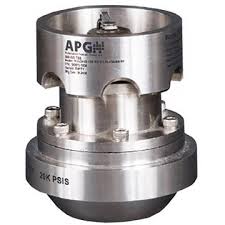
APG HU1502I Intrinsically Safe Hammer Union Pressure Transmitter
$1,565.00In Stock


Your Global Authority In Hazardous Areas
Your cart is empty.
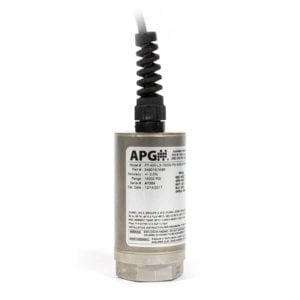
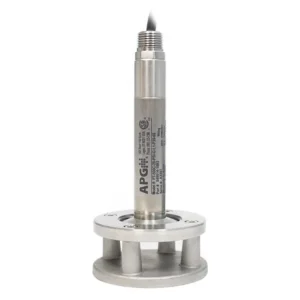
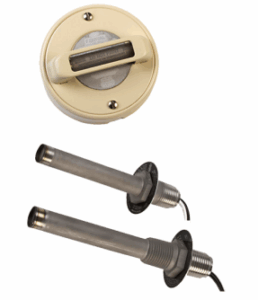
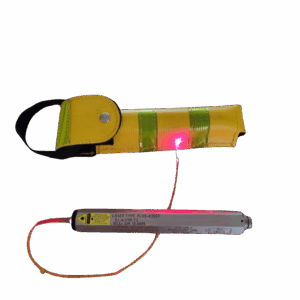
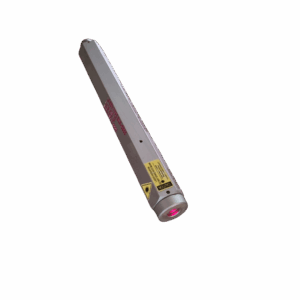
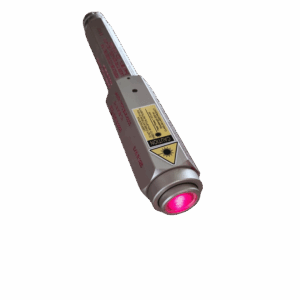
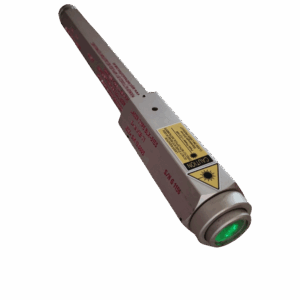
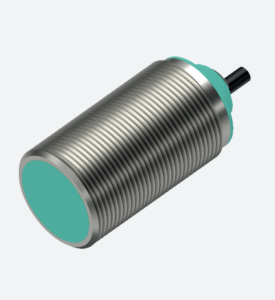
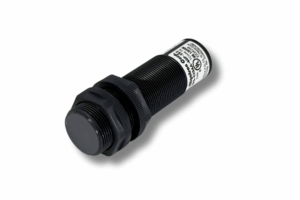
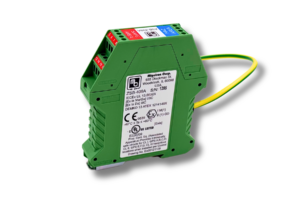
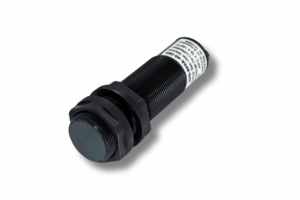
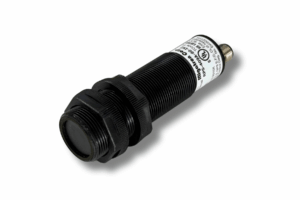
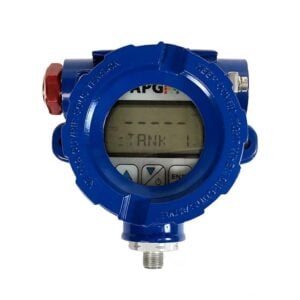

An Intrinsically Safe Sensor is an electronic device designed and certified to operate in hazardous areas where flammable gases, vapors, mists, or combustible dusts create a risk of explosion. Unlike other protection methods, intrinsic safety (I.S.) ensures that the sensor, even under fault conditions, cannot release sufficient electrical or thermal energy to ignite the hazardous atmosphere. This is achieved by strictly limiting the voltage, current, and power within the sensor’s circuitry.
Modern industrial processes rely on a vast network of sensors and switches for automation, control, and monitoring. These devices measure critical parameters like pressure, temperature, flow, level, and proximity. In hazardous locations—such as petrochemical plants, refineries, mining operations, and grain processing facilities—a standard sensor could easily become an ignition source, with catastrophic consequences. Intrinsically safe sensors perform these essential functions without compromising safety, forming a vital component of a facility’s overall risk management strategy.
The core principle of intrinsic safety is energy limitation. An intrinsically safe system, which includes the sensor, connecting cables, and an associated apparatus (like a Zener barrier or galvanic isolator), is engineered to ensure that energy levels remain below the minimum ignition energy (MIE) of the specific hazardous substance present. The I.S. barrier, located in the safe area, regulates the energy sent to the sensor in the hazardous area. This preventative approach is considered one of the safest and most flexible protection methods available, allowing for live maintenance and simpler wiring compared to explosion-proof enclosures.
To be used in hazardous locations, sensors must carry certification from a recognized body. These certifications verify that the device meets stringent design and testing standards.
In the North American system, Class 1 locations are those where flammable gases or vapors are present. The Division rating specifies the likelihood of these hazards being present in ignitable concentrations.
A Class 1, Division 1 (C1D1) rating is assigned to areas where ignitable concentrations of flammable gases or vapors can exist under normal operating conditions. This includes locations where hazards are present continuously, intermittently, or during routine repair or maintenance. Sensors rated for C1D1 are built to the highest safety standards, as they are expected to operate safely in an ever-present explosive atmosphere.
A Class 1, Division 2 (C1D2) rating applies to areas where volatile flammable liquids or gases are handled, processed, or used, but are normally confined within closed containers or systems from which they can escape only in case of accidental rupture or breakdown. A hazardous atmosphere is only present under abnormal conditions. C1D2 sensors are designed to be non-arcing and non-sparking during normal operation and to prevent ignition in the event of a fault.
Selecting the correct sensor is a non-negotiable safety requirement. Here is a breakdown of the key differences:
We provide a comprehensive selection of intrinsically safe sensors and proximity switches, rigorously tested and certified to meet the world’s leading safety standards for hazardous locations.
Our portfolio of Class 1 Division 1 proximity switches is designed for the most demanding environments where safety is paramount. These devices provide reliable position and presence sensing while ensuring compliance and preventing ignition in areas with continuous exposure to flammable gases and vapors. Each switch comes with verifiable certification for complete peace of mind.
For applications where hazardous conditions are infrequent, our Class 1 Division 2 proximity sensors offer a compliant and cost-effective solution. These sensors are built to prevent sparking under normal operating conditions, providing a robust layer of safety for areas where risks arise from equipment malfunctions or accidental spills.
For international operations or facilities adhering to IEC standards, we offer a wide range of sensors certified for ATEX and IECEx Zones. This includes sensors suitable for Zone 0 (continuous hazard), Zone 1 (likely hazard), and Zone 2 (abnormal hazard), ensuring you can find a globally-certified device for your specific application.
Choosing the right supplier for critical safety components is as important as choosing the components themselves. The Intrinsically Safe Store is your trusted partner for hazardous area sensing solutions.
We only stock products from leading manufacturers with authentic, traceable certifications from recognized bodies like UL, CSA, ATEX, and IECEx. Every sensor we sell meets the highest standards for safety and reliability, protecting your people, plant, and process.
Navigating hazardous area classifications, gas groups, and temperature codes can be complex. Our team of technical experts is available around the clock to help you select the precise sensor that meets your operational needs and regulatory obligations, ensuring a perfect fit for your application.
We understand that in an industrial environment, downtime is costly. We maintain a robust inventory and offer expedited global shipping options to ensure you receive the critical components you need as quickly as possible, helping you maintain operational continuity.
They are two different methods of explosion protection. Intrinsic Safety (IS) prevents explosions by limiting the electrical and thermal energy to a level below that required to ignite a specific hazardous atmosphere. Explosion-Proof (XP) equipment is housed in an enclosure that is designed to contain an internal explosion and prevent it from propagating to the outside atmosphere.
No, you absolutely cannot. A Class 1 Div 2 sensor is not designed or certified to be safe in an environment where an explosive atmosphere is normally present. Using a Div 2 device in a Div 1 area creates a severe ignition risk and is a major violation of safety codes. You must always use a sensor with a rating appropriate for or higher than the area’s classification.
Verification is a critical step. Check the sensor’s nameplate or label for the mark of the certifying agency (e.g., UL, FM, CSA) and the certification file number. You can then visit the certifier’s website and use their online directory to look up the file number. This will confirm the product’s certification status, standards it was tested against, and any specific conditions for safe use.