

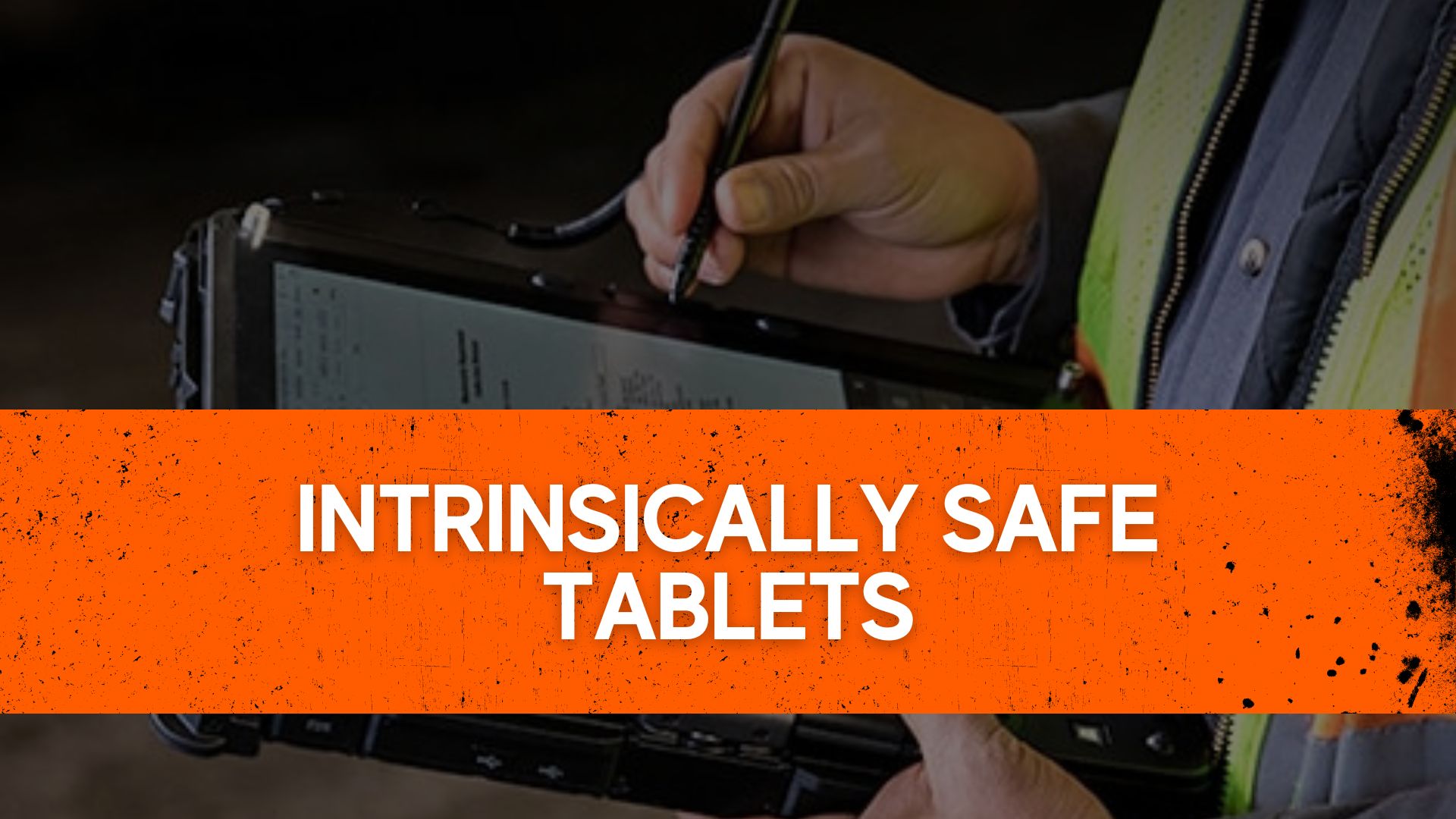
Intrinsically Safe Products
Intrinsically Safe Tablets
Class 1 Div 2 & Div 1 Enclosures for Tablets
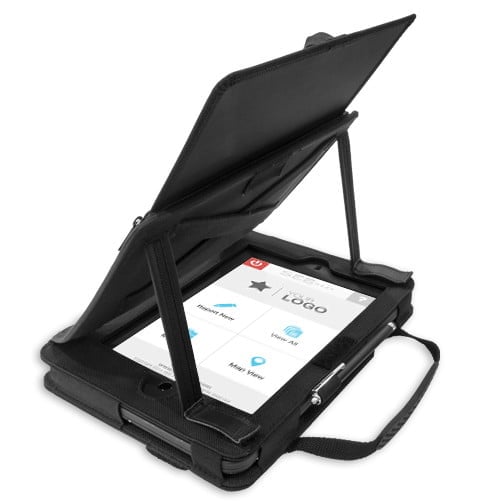
Intrinsically Safe Tablet is specifically designed and engineered for Hazardous Area environments. Tablets in Explosion Proof areas will specifically be marked with certifications such as ATEX Zone 1, ATEX Zone 2, Class 1 Division 1, Class 1 Division 2, IECEx, and more.
Tablets that are Intrinsically Safe do not mean the technology is outdated. The Intrinsically Safe Store’s wide range of Intrinsically Safe Tablets has some amazing features specific to your Hazardous Area needs. Our Tablet features include HD Video cameras, the latest Android operating systems, ruggedized ergonomic form factors, and more!
Have a look below to dive deeper into our Intrinsically Safe Cell Tablets by ECOM, iSafe, Bartec, AEGEX, and more.
Intrinsically Safe Tablets are starting to replace dedicated Intrinsically Safe Camera units. If you are wanting to consolidate devices and combine an Intrinsically Safe Camera with an Intrinsically Safe Tablet you now can. Tablets provide greater flexibility to perform other tasks using specific software. Whatever your need our team at the Intrinsically Safe Store will be able to find a solution.
Deeper Technical Detail on Certified Tablet Enclosures
Selecting the correct tablet or enclosure for a hazardous area requires a clear understanding of its technical specifications and certifications. These details are not just for compliance; they ensure the safety of personnel and the integrity of the facility.
Understanding the Certifications
The markings on a device indicate the specific hazardous environments it is approved for. Here’s a brief breakdown:
- Class I, Division 1: For areas where ignitable concentrations of flammable gases, vapors, or liquids exist continuously or intermittently under normal operating conditions. A device certified for Class I, Division 1 is designed and tested to strict standards (such as intrinsic safety or explosion-proof protection) to prevent it from igniting a hazardous atmosphere present under normal operating conditions.
- Class I, Division 2: For areas where ignitable concentrations are present only in abnormal conditions, such as an accidental rupture or breakdown of a container. C1D2 devices are safe for these less consistently hazardous locations.
- ATEX (Zones 1 & 2): This is the European equivalent. The ATEX/IECEx Zone system is broadly comparable to the NEC Division system. ATEX Zone 2 is similar to Class I, Division 2. The requirements for Class I, Division 1 environments are generally met by equipment certified for either ATEX Zone 1 or Zone 0.
- IECEx: An international certification scheme that provides a globally recognized standard for equipment used in explosive atmospheres.
Key Specifications to Consider
Beyond the primary certification, consider these critical features:
- Ingress Protection (IP) Rating: Look for ratings like IP67 or IP68, which indicate the enclosure is fully protected against dust ingress and can withstand submersion in water. This is crucial for environments with particulate matter or moisture.
- Operating Temperature Range: Hazardous areas can experience extreme temperatures. Ensure the device’s operating range (e.g., -20°C to +50°C) matches your environmental conditions.
- Construction Material: Enclosures are typically made from durable, anti-static materials like aluminum or specialized polymers to prevent static discharge, a potential ignition source.
- Battery Life: Extended battery life is vital for long shifts. Intrinsically safe designs limit energy storage, so efficient power management and long-lasting batteries are key engineering features.
Common Use Cases for Intrinsically Safe Tablets
Rugged, certified tablets are indispensable tools across various industries operating in hazardous locations. Their ability to bring digital data management and communication safely into explosive atmospheres improves efficiency and accuracy.
- Oil & Gas: Operators on drilling rigs and in refineries use tablets for asset management, maintenance checklists, and viewing schematics without needing to return to a safe zone.
- Chemical Processing: Technicians can monitor processes, record batch data, and access safety data sheets (SDS) directly from the plant floor.
- Pharmaceuticals: In clean rooms with flammable solvents, these tablets are used for electronic batch recording, ensuring data integrity and compliance.
- Mining: Supervisors use tablets for personnel tracking, equipment diagnostics, and communication in environments with methane gas.
- Aviation: Maintenance crews use them for digital work orders and accessing repair manuals when working near fuel storage and handling areas.
Frequently Asked Questions
What is the difference between an intrinsically safe tablet and a standard tablet in a certified enclosure?
An intrinsically safe tablet is designed from the component level up to be incapable of producing a spark or thermal energy sufficient to cause an ignition. Certified enclosures use various protection methods. A common type is an ‘explosion-proof’ (or flameproof) case, which is designed to contain an internal ignition. Other certified solutions may use different principles to ensure safety. Both are certified for specific hazardous areas, but intrinsically safe devices often offer a more lightweight and integrated solution.
Can I use my own iPad or Android tablet in a Class 1 Div 1 enclosure?
Yes, there are certified enclosures specifically designed to house popular consumer tablets like iPads, Microsoft Surface, or Samsung Galaxy devices. These enclosures make the entire unit compliant with Class 1 Div 1 or Div 2 standards, allowing you to use familiar technology in hazardous zones.
Do these tablets have limited features compared to regular ones?
While the internal electronics are designed to be low-power to meet safety standards, modern intrinsically safe tablets are highly capable. They run full versions of Android or Windows, feature high-resolution cameras, barcode scanners, NFC/RFID readers, and support 4G/LTE and Wi-Fi connectivity. Performance is optimized for industrial applications rather than consumer gaming.
Conclusion
Choosing the right tablet and enclosure for a Class 1 Division 1 or Division 2 environment is a critical safety decision. Understanding these nuances is the first step toward making an informed decision. To ensure you equip your team with a fully compliant solution, consult with a hazardous area specialist to verify the specific requirements of your application. From fully integrated intrinsically safe models to rugged enclosures for popular consumer devices, there is a certified solution to meet the demands of any hazardous area operation.
Find the Right Certified Tablet for Your Hazardous Area
Don’t compromise on safety or functionality. Our experts can help you select the perfect Class 1 Div 1 or ATEX-certified tablet solution for your specific needs.