Intrinsically Safe Knowledge Base
Intrinsically Safe Wearables | ATEX & C1D1 Tech | ISS
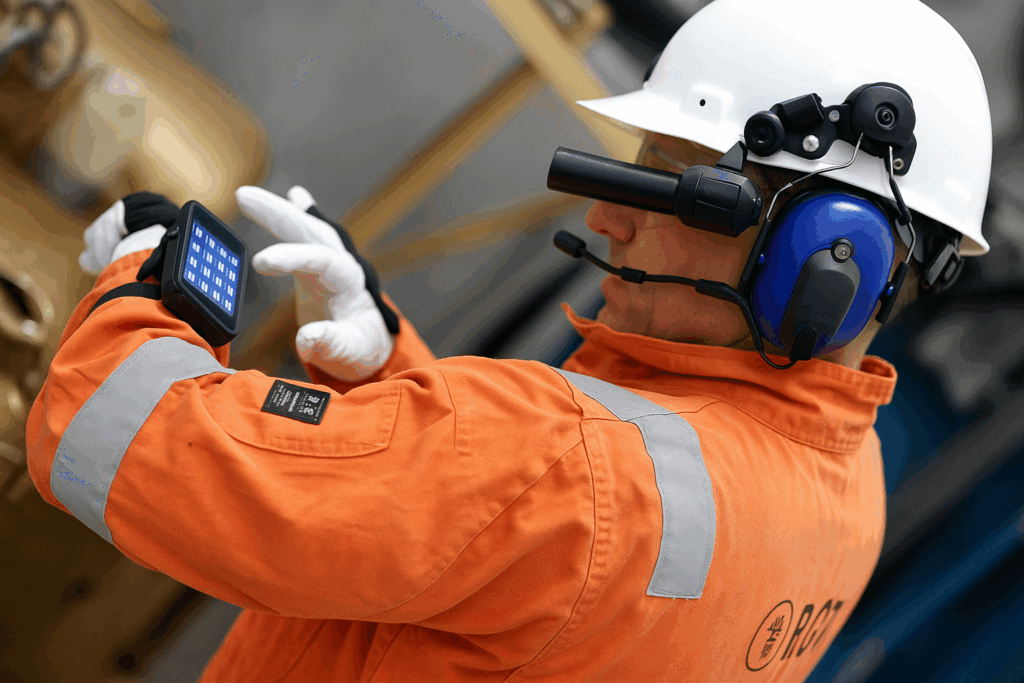
In hazardous environments such as oil rigs, chemical plants, and mining sites, wearable technology is no longer a futuristic concept—it’s a vital component of modern industrial safety strategies. As we enter 2025, intrinsically safe wearable technology is redefining the standards of workplace safety, connectivity, and operational awareness.
These wearables are not just rugged gadgets—they are engineered with precision to prevent ignition in explosive atmospheres while providing real-time data, remote access, and biometric monitoring. With tighter regulations and increasing emphasis on proactive safety, companies are turning to certified intrinsically safe solutions to meet these challenges head-on.
This article explores the key trends shaping intrinsically safe wearables in 2025, highlights must-watch innovations, and provides product comparisons to help you make informed procurement decisions.
What Is Intrinsically Safe Wearable Technology?
Intrinsically safe wearable technology includes electronic devices specifically designed to operate safely in environments with flammable gases, vapors, or combustible dust. These wearables limit electrical and thermal energy to levels that cannot ignite hazardous substances, making them compliant with certifications such as ATEX, IECEx, and CSA.
Examples include:
-
Smartwatches and fitness trackers for worker health monitoring
-
Smart glasses and headsets for remote collaboration
-
Gas detectors and environmental sensors
-
Intrinsically safe smartphones for communication and data access
Their use is especially critical in industries where conventional devices would pose unacceptable safety risks.
Why Are Intrinsically Safe Wearables Important in 2025?
The importance of intrinsically safe wearables continues to rise in 2025 due to several converging factors:
-
Regulatory Pressure: Stricter safety compliance standards worldwide are driving demand for certified safety technology.
-
Remote Workflows: As more industrial tasks are managed remotely, wearables bridge the gap between field and control rooms.
-
Data-Driven Decision Making: Wearables offer real-time insights into worker safety, environmental conditions, and system performance.
These innovations empower employers to protect their workforce while optimizing productivity, especially in dynamic or unpredictable environments.
What Are the Leading Trends in Intrinsically Safe Wearable Technology?
1. How Is AI Changing Wearable Safety Devices?
Artificial intelligence is revolutionizing wearable technology by enabling predictive safety measures. Wearables now use AI to analyze data such as body temperature, heart rate, gas exposure, and fatigue indicators to anticipate risks and alert supervisors before an incident occurs.
This predictive capability allows for:
-
Early intervention during health or safety anomalies
-
Automatic escalation protocols
-
Custom thresholds for each worker or location
AI doesn’t just react to emergencies—it helps prevent them altogether.
2. What Role Does 5G and IoT Play in Intrinsically Safe Wearables?
The rollout of 5G and expanded industrial IoT (Internet of Things) infrastructure has significantly improved the connectivity of intrinsically safe devices. With low-latency communication and high bandwidth, wearables can transmit data in real time even in remote or offshore locations.
This enables:
-
Constant location tracking of personnel
-
Real-time alerts for gas leaks or exposure
-
Seamless video and voice communication between field and control centers
Such features are vital in reducing response times during critical incidents.
3. Are Batteries in Wearables Becoming Safer?
Absolutely. Battery technology for intrinsically safe devices has seen massive improvements in 2025. The adoption of solid-state batteries reduces the risk of thermal runaway or leakage. These newer power sources are not only safer but also support longer device operation without recharging.
Advancements include:
-
Quick charging with intrinsic protection
-
Extended lifespan, often 16–24 hours on one charge
-
Enhanced safety circuits preventing overload or overheating
These improvements ensure reliability and usability during long shifts in harsh environments.
4. Are Wearables Offering More Features Than Before?
Yes—today’s intrinsically safe wearables are increasingly multifunctional. Instead of carrying multiple devices, workers can now rely on one wearable that combines:
-
Gas detection
-
GPS tracking
-
Voice and video communication
-
Environmental sensing
-
Health biometrics
This trend toward device consolidation reduces the burden on the worker while increasing monitoring coverage.
5. How Are Designs Becoming More Worker-Friendly?
Comfort and ergonomics are top priorities in 2025’s wearable designs. Lightweight materials, customizable strap systems, and simplified user interfaces are now standard. Voice-activated commands and glove-compatible controls ensure usability in the field.
Design features include:
-
Modular components for specific tasks
-
Sweat-resistant and breathable materials
-
Simplified, visual-first interfaces
By making wearables more intuitive and less intrusive, adoption rates have risen across frontline teams.
What Certifications Should Intrinsically Safe Wearables Have?
Understanding certification is crucial when evaluating wearable safety devices. The following standards dominate the industry:
| Certification | Region | Description |
|---|---|---|
| ATEX Zone 1/2 | Europe | Certifies electrical equipment for explosive atmospheres. |
| IECEx | Global | Ensures international standards for hazardous environments. |
| CSA (Class I, Div 1/2) | North America | Confirms safety in environments with flammable gases and vapors. |
| UL913 | United States | Certification for intrinsic safety in explosive atmospheres. |
Always confirm the specific certification rating for your operational zone and risk level.
Comparison of Leading Intrinsically Safe Wearables (2025)
Here’s a side-by-side comparison of popular devices:
| Product | Certifications | Features | Use Cases | Type |
|---|---|---|---|---|
| RealWear Navigator 500 | ATEX Zone 1, IECEx | HD camera, voice commands, Wi-Fi/BT | Remote collaboration, visual inspections | Smart Glasses |
| Blackline Safety G7c | ATEX Zone 1, CSA | Gas detection, real-time alerts, GPS | Gas leak detection, lone worker monitoring | Gas Detector |
| Ecom Smart-Ex 02 DZ1 | ATEX Zone 1, IECEx | 4G LTE, Android OS, push-to-talk | Hazardous area communication | Smartphone |
| Sonim RS60 IS | Class I, Div 2, IECEx | Barcode scanner, rugged touchscreen | Warehouse and field data entry | Smart Scanner |
| Smart Watch EX | ATEX Zone 2 | Heart rate, step tracking, geolocation | Worker health and fatigue tracking | Smartwatch |
Best Choice by Need:
-
Best for Hands-Free Visuals: RealWear Navigator 500
-
Best for Gas Detection and Safety Alerts: Blackline Safety G7c
-
Best for Rugged Communication: Ecom Smart-Ex 02
-
Best for Industrial Scanning: Sonim RS60 IS
-
Best for Health Monitoring: Smart Watch EX
What Industries Benefit the Most from This Technology?
Industries with explosive or hazardous environments benefit immensely from wearable safety tech. These include:
-
Oil and Gas: Monitoring gas exposure and fatigue on rigs.
-
Mining: Tracking location and environmental variables underground.
-
Pharmaceuticals: Ensuring safety in controlled cleanroom conditions.
-
Chemical Plants: Real-time leak detection and worker health analytics.
-
Utilities: Monitoring electrical and thermal hazards in power facilities.
As safety regulations tighten across these sectors, intrinsically safe wearables provide both compliance and a competitive edge.
What Are the Challenges of Implementing Intrinsically Safe Wearables?
Despite their benefits, several barriers may impact rollout:
-
High Initial Costs: Premium certifications and ruggedized components increase procurement costs.
-
Training Requirements: Workers need time to learn how to use and maintain devices effectively.
-
System Integration: New devices may require IT support to sync with existing software and safety protocols.
-
Battery Logistics: Charging stations and spare batteries must be managed carefully in remote environments.
Organizations need a comprehensive strategy that includes user training, change management, and infrastructure upgrades to overcome these challenges.
What’s the Future of Intrinsically Safe Wearable Technology?
Looking ahead, intrinsically safe wearables will continue to evolve with trends such as:
-
Edge Computing: Processing data directly on the device for faster response times.
-
Augmented Reality (AR): Enhanced visualization for field inspections and maintenance.
-
Digital Twins: Real-time 3D models linked with wearable data for proactive asset management.
-
Biosensing Integration: Advanced health analytics predicting stress, fatigue, or exposure.
These innovations are driving a shift from reactive to proactive safety strategies.
Conclusion
The year 2025 marks a significant leap forward in intrinsically safe wearable technology. With AI, IoT, and advanced ergonomics, these devices are more than just safety tools—they are enablers of operational excellence in the world’s most dangerous industries.
As regulatory demands increase and the need for real-time data becomes universal, organizations that invest in wearable safety tech will gain a strategic advantage in compliance, workforce protection, and efficiency.