

Intrinsically Safe News
What is an Intrinsically Safe Radio?
The Intrinsically Safe (IS) radio is one of the most critical forms of communication in the Oil and Gas Industry.
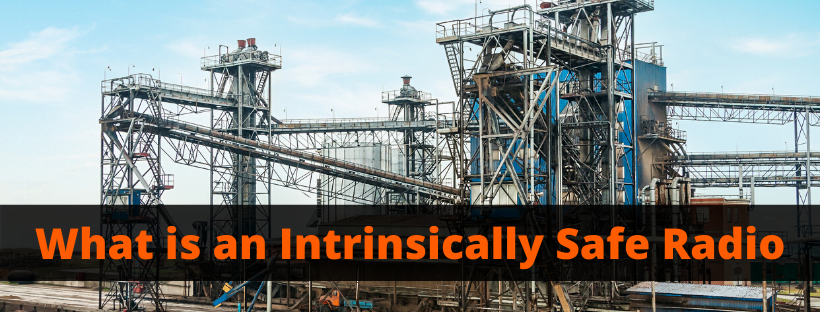
Using electronic equipment in a Hazardous Environment requires specific ratings when there are potential risks of explosions. For instance, such environments include oil rigs, refineries, gas mains, coal mines, chemical plants, factories, grain silos, and other environments where there are potentially explosive or hazardous materials. Workers shouldn’t use the standard two-way radios because they may create a dangerous hazard situation.
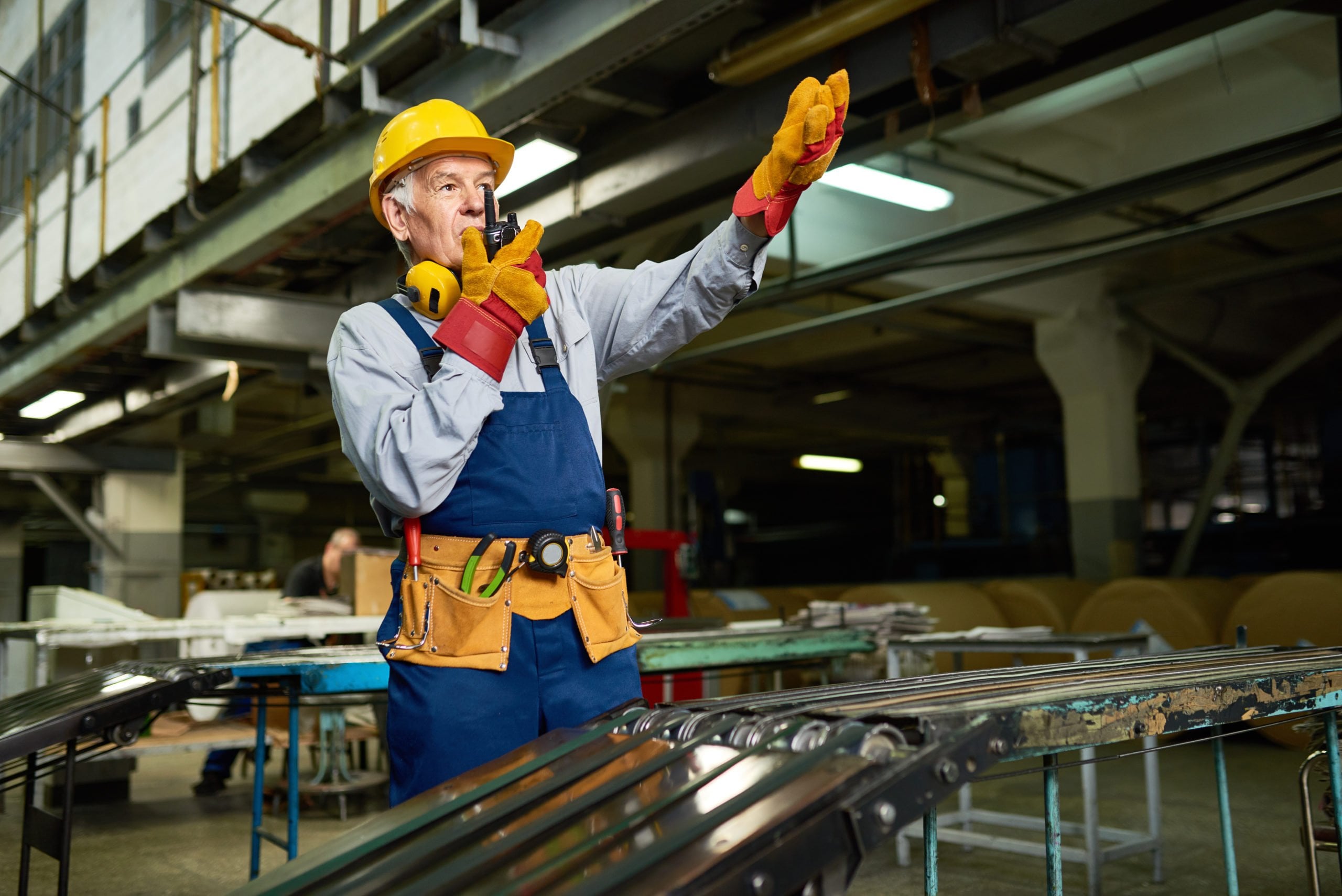
Intrinsically Safe radios are certified to prevent or eliminate the possibility of generating even the tiniest little spark. Additionally, designs must limit the amount of heat produced by the radio. The battery designs used in the radios must also prevent sparks and eliminate short-circuiting. Even the radio housing design itself must contain materials that resist or eliminate the friction that can create static electricity and generate sparks.
Radio Certification
The National Fire Protection Association set strict manufacturing codes and regulations for Intrinsically Safe two-way radios. Also, Factory Mutual, an insurance and loss prevention company approved by the US government, oversees the enforcement of the NFPA codes in manufacturing facilities.
Radios manufactured as Intrinsically Safe carry the FM (Factory Mutual) Approved certification mark.
The following is generally the USA standard for all industries for intrinsically safe. Specifically, FM Approved radios are approved in Class I, II and III, Division 1, Groups C, D, E, F, and G, and Class I, Division 2, Groups A, B, C, and D.
What features to look for an effective Intrinsically Safe Radio
Most Intrinsically Safe radios contain the features found below:
- IP55 Water and Dust Resistant
- MIL-STD-810-C, -D and -E
- Two Tone and Five Tone Codes
- 512 Channels/128 Zones
- 400-450MHz or 450-512 MHz UHF Frequencies (UHF Version)
- 136-174 MHz VHF Frequencies (VHF Version)
- Privacy Codes
- 5 Watts Transmit Power
- 3 Selectable Power Levels Per Channel
In addition to the radios, any accessories used, such as microphones and headsets, need to be intrinsically safe. You can browse our catalog of Intrinsically Safe radios and more here.
Intrinsically Safe Radios vs. Standard Two-Way Radios
A standard commercial two-way radio is not modified for hazardous locations — its internal circuitry, battery contacts, and speaker components can generate enough electrical or thermal energy to ignite flammable gases, vapors, or combustible dust if used in a classified area. An intrinsically safe radio limits that energy by design (per the intrinsic safety, or “Ex i,” protection concept) so that even under a fault condition, such as a short circuit or dropped device, the available energy stays below the level needed to cause ignition. This is a different approach from explosion-proof equipment, which instead contains a potential ignition inside a heavy enclosure rather than limiting the energy that could cause one.
ATEX and IECEx Certification for Radios Outside North America
The FM Approved and NFPA-based standards referenced above apply to the US market. Outside North America, intrinsically safe radios are typically certified under ATEX (for the European Union) and IECEx (the international scheme), following the same core protection concept but tested against IEC 60079 series standards rather than FM’s US methodology. A radio’s specification sheet should list which scheme(s) it is certified under, along with its Zone rating (ATEX/IECEx) or Class/Division rating (North America) — these are not automatically interchangeable, so equipment should be matched to the certification scheme that applies at the operating site.
Battery and Charging Considerations
The battery is one of the most safety-critical components in an intrinsically safe radio, since it is a concentrated energy source. Certified batteries are designed and tested as part of the radio’s overall IS certification — using a non-certified replacement battery, even one that appears physically compatible, can void the certification. As with other intrinsically safe battery-powered equipment, charging must take place outside the classified hazardous area unless the charger itself is separately certified for in-area use.
FAQs About Intrinsically Safe Radios
Can I use any two-way radio in a hazardous area if I’m careful?
No. Intrinsic safety is a function of the device’s certified design, not of how carefully it is handled. A standard radio carries ignition risk from its circuitry and battery regardless of the operator’s care, which is why site safety procedures typically require certified equipment for entry into classified areas.
Do accessories like headsets and microphones need their own certification?
Yes. Any accessory that connects electrically to the radio — including headsets, remote speaker microphones, and programming cables — must also be intrinsically safe and compatible with the specific radio model’s certification, since an uncertified accessory can introduce a new ignition path.
How do I know which Zone or Division my radio is rated for?
The radio’s certification label and accompanying documentation state the specific Zone(s) (ATEX/IECEx) or Class/Division/Group combination (North America) it is approved for. This should be checked against the site’s own hazardous area classification before deployment.