

























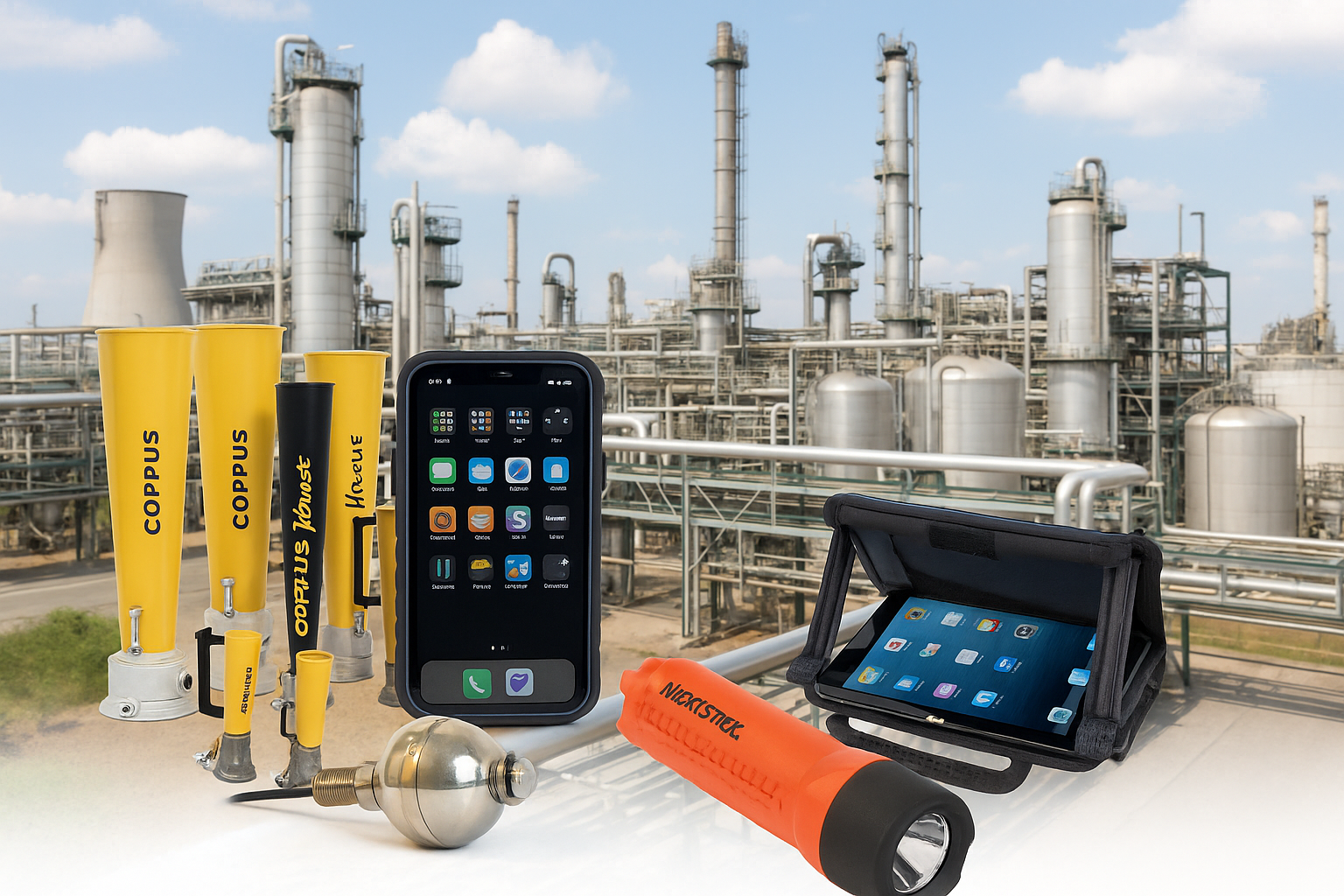

Chemical plants operate in some of the most hazardous environments in the industrial sector. The presence of flammable gases, vapors, and dust makes it critical to use devices that don’t pose a risk of ignition. That’s where intrinsically safe technology comes into play. Devices labeled as “intrinsically safe for chemical plants” are specifically engineered to operate without causing sparks or heat that could trigger an explosion.
This guide explores the top intrinsically safe devices chemical plant operators should consider, backed by safety certifications and designed for use in high-risk zones. We’ll also answer common questions about certifications, compliance, and practical deployment in chemical processing environments.
What Does “Intrinsically Safe” Mean?
Intrinsically safe devices are engineered to prevent the release of enough electrical or thermal energy to ignite flammable substances. This is achieved by using circuit designs that limit current and voltage, often encased in robust housings that prevent environmental exposure.
Such devices are critical in environments like chemical plants, refineries, and mining operations—anywhere classified as having potentially explosive atmospheres due to the presence of gases or dust.

Why Is Intrinsic Safety Critical for Chemical Plants?
Chemical plant environments are often classified as hazardous areas due to the high presence of volatile substances. An electrical spark from a standard device could be enough to cause an explosion, risking lives, infrastructure, and compliance with occupational safety standards.
Intrinsically safe equipment prevents this risk and ensures:
Worker safety in explosion-prone zones
Compliance with safety regulations like OSHA and NFPA
Operational continuity during inspections or maintenance
Insurance and liability cost reductions
In short, the use of intrinsically safe devices in chemical plants is not optional—it’s a mandatory safeguard in most jurisdictions.
What Certifications Should You Look For?
Certifications validate whether a device is genuinely safe for hazardous environments. Below are the most recognized certifications globally:
ATEX (EU): Required for equipment used in explosive atmospheres within Europe.
IECEx (Global): An international system ensuring consistent standards for explosive environments.
UL Class I, Division 1 (USA): Used primarily in North America, especially in petrochemical and chemical processing.
CSA (Canada): Canadian certification for electrical and electronic safety.
Always match the certification level to the hazardous zone classification of your plant to ensure compliance and safety.
Top Intrinsically Safe Devices for Chemical Plant Operators
Below is a curated list of best-in-class intrinsically safe devices specifically suited for chemical plant applications, categorized by function.
Intrinsically Safe Smartphones
Smartphones are indispensable for communication, logging, and even using digital forms or inspection apps. In hazardous areas, only certified intrinsically safe models should be used.
Recommended Models:
Ecom Smart-Ex® 02
Features a large display, global LTE connectivity, and is rated for Zone 1/21 and Division 1 areas. Offers Android OS and rugged durability.i.Safe MOBILE IS530.1
A robust and compact smartphone with push-to-talk capability and customizable buttons. Certified for Zone 1/21 environments and suitable for glove use.
Intrinsically Safe Tablets
Field operators often rely on tablets for real-time data entry, reporting, and live visual inspections. IS tablets offer these capabilities in a rugged, explosion-proof form.
Recommended Models:
Aegex10 Intrinsically Safe Tablet
Runs Windows 10 for enterprise-level deployment. Lightweight, yet rugged and rated for Zone 1/21 areas. Great for SCADA or ERP system interaction.Ecom Tab-Ex® 02 DZ1
An Android-based tablet with enhanced productivity tools, camera, and GPS functionality. Suitable for hazardous areas worldwide with multiple certification marks.
Intrinsically Safe Cameras
Capturing real-time imagery for inspections or documentation is key in maintenance and safety audits. Intrinsically safe cameras provide this function without introducing risk.
Recommended Models:
CorDEX ToughPIX DIGITHERM
Combines standard photography with thermal imaging, making it ideal for spotting leaks or electrical faults in flammable zones.Ecom Cube 800
Wearable, hands-free operation with HD imaging. Particularly useful for live remote collaboration and hands-free maintenance documentation.
Intrinsically Safe Gas Detectors
Chemical plant safety revolves heavily around early detection of toxic or combustible gases. Portable, intrinsically safe gas detectors ensure operators can detect threats in real time.
Recommended Models:
RAE Systems MultiRAE Pro
A versatile multi-gas detector that monitors up to six gases simultaneously. Offers wireless communication for real-time reporting.Dräger X-am® 8000
Supports simultaneous detection of up to seven gases. Ergonomically designed for fieldwork and suitable for confined space entry.
Intrinsically Safe Lighting
Reliable lighting in dim or enclosed hazardous areas is non-negotiable. Intrinsically safe lighting devices ensure illumination without the risk of spark.
Recommended Models:
Nightstick XPP-5422GM Dual-Light Flashlight
Combines flashlight and floodlight for versatile illumination. Durable and chemical resistant.Bayco XPP-5458G Headlamp
Offers hands-free lighting with multiple brightness levels. Ideal for tight inspection tasks or repairs in dark, hazardous zones.
Comparison Table: Intrinsically Safe Devices for Chemical Plants
| evice Type | Model | Certifications | Key Features | Suitable For |
|---|---|---|---|---|
| Smartphone | Ecom Smart-Ex® 02 | ATEX, IECEx, UL Div 1 | Rugged, LTE, Android, Global Use | Zone 1/21 |
| Smartphone | i.Safe MOBILE IS530.1 | ATEX, IECEx | Push-to-talk, tactile buttons | Zone 1/21 |
| Tablet | Aegex10 Intrinsically Safe Tablet | ATEX, IECEx | Windows 10, Lightweight | Zone 1/21 |
| Tablet | Ecom Tab-Ex® 02 DZ1 | ATEX, IECEx | Android, GPS, Camera | Zone 1/21 |
| Camera | CorDEX ToughPIX DIGITHERM | ATEX, IECEx | Digital + Thermal Imaging | Zone 1 |
| Camera | Ecom Cube 800 | ATEX, IECEx | Hands-free, HD video | Zone 1/21 |
| Gas Detector | RAE Systems MultiRAE Pro | ATEX, IECEx | Wireless, Multi-gas detection | All Hazardous Areas |
| Gas Detector | Dräger X-am® 8000 | ATEX, IECEx | 7 gas detection, compact | Confined spaces |
| Lighting | Nightstick XPP-5422GM | ATEX, IECEx | Dual-light mode | Indoor/Outdoor Zones |
| Lighting | Bayco XPP-5458G Headlamp | ATEX, IECEx | Head-mounted, bright, adjustable | Maintenance, Inspections |
Best Choice by Use Case
Best for Maintenance Teams: i.Safe MOBILE IS530.1 and Ecom Cube 800
Best for Engineers & Supervisors: Aegex10 Tablet for data access and SCADA control
Best for Emergency Detection: Dräger X-am® 8000 for multi-gas analysis
Best for Inspections: CorDEX ToughPIX DIGITHERM for combining visual and thermal data
Best for Communication: Ecom Smart-Ex® 02 for global LTE support and rugged usage
FAQs About Intrinsically Safe Devices
What does it mean when a device is “Zone 1 certified”?
Zone 1 certification indicates that a device can operate safely in areas where an explosive atmosphere is likely to occur during normal operations. It is one level below the highest risk classification, Zone 0.
Are intrinsically safe devices waterproof or dustproof?
Many intrinsically safe devices are rated IP65 or higher, meaning they are resistant to dust and water ingress. However, this depends on the specific model and should be verified in the product specifications.
Can I use my regular smartphone with a rugged case instead?
No. A regular smartphone, even inside a rugged or waterproof case, is not intrinsically safe. It can still emit sparks or reach surface temperatures that pose a fire risk in hazardous zones.
Are intrinsically safe devices difficult to maintain?
These devices are designed for durability and minimal maintenance. Many come with diagnostics tools, and their firmware is designed to self-monitor for faults. Regular inspections are still required per safety standards.
Do intrinsically safe devices have the same performance as regular ones?
Performance varies by model, but modern intrinsically safe devices are increasingly comparable in terms of speed, features, and connectivity. However, battery life and hardware size may be slightly different due to safety constraints.
Conclusion
Working in chemical plants involves managing constant risk, especially in classified hazardous zones. Choosing intrinsically safe devices for communication, inspection, gas detection, and illumination isn’t just smart—it’s often a legal requirement. Whether you’re managing field operations or conducting maintenance, selecting the right certified tools ensures both safety and compliance.
For the full range of ATEX and IECEx certified equipment, visit the Intrinsically Safe Store’s product catalog. Equip your chemical plant teams with technology that protects them while keeping operations running efficiently.
