























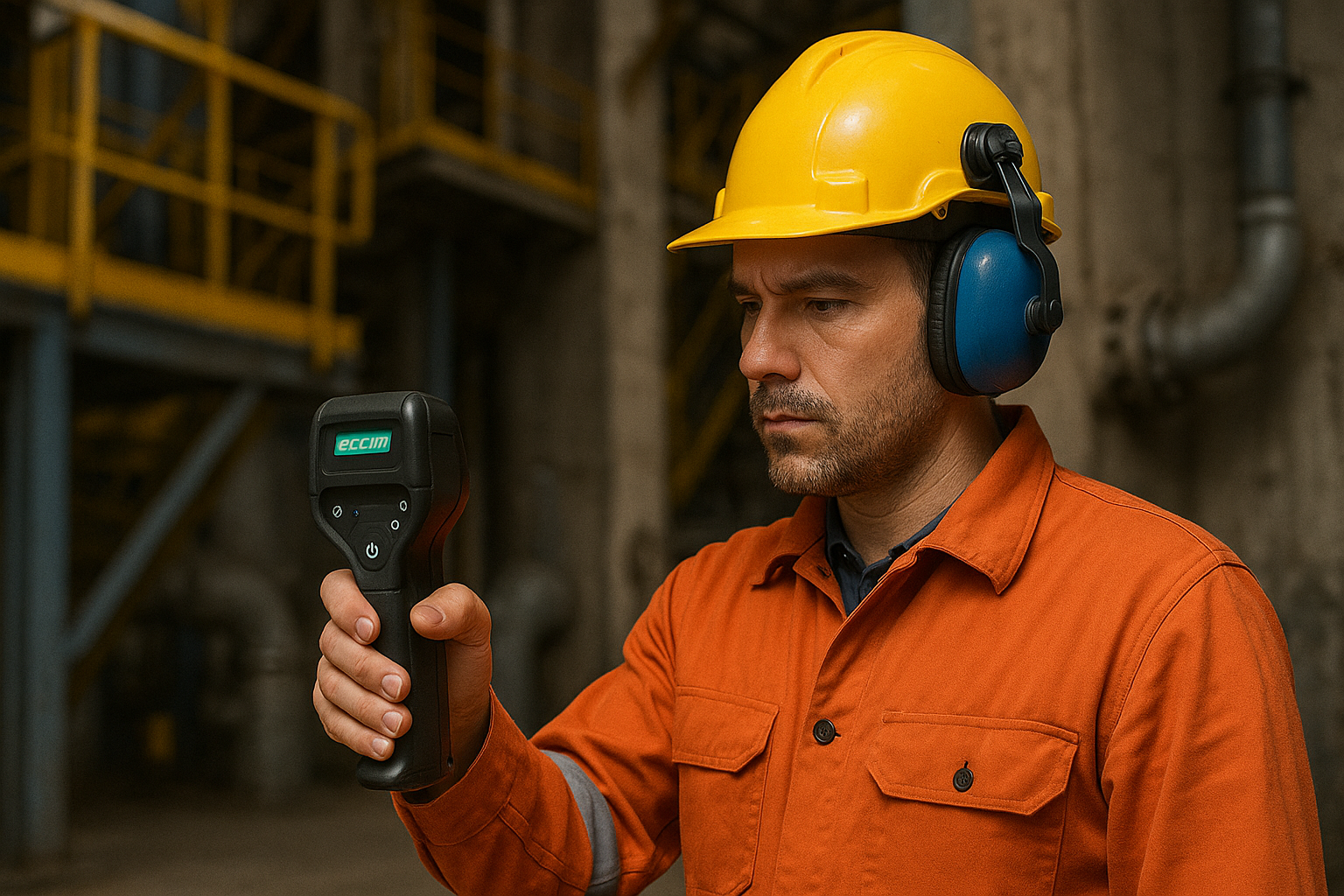
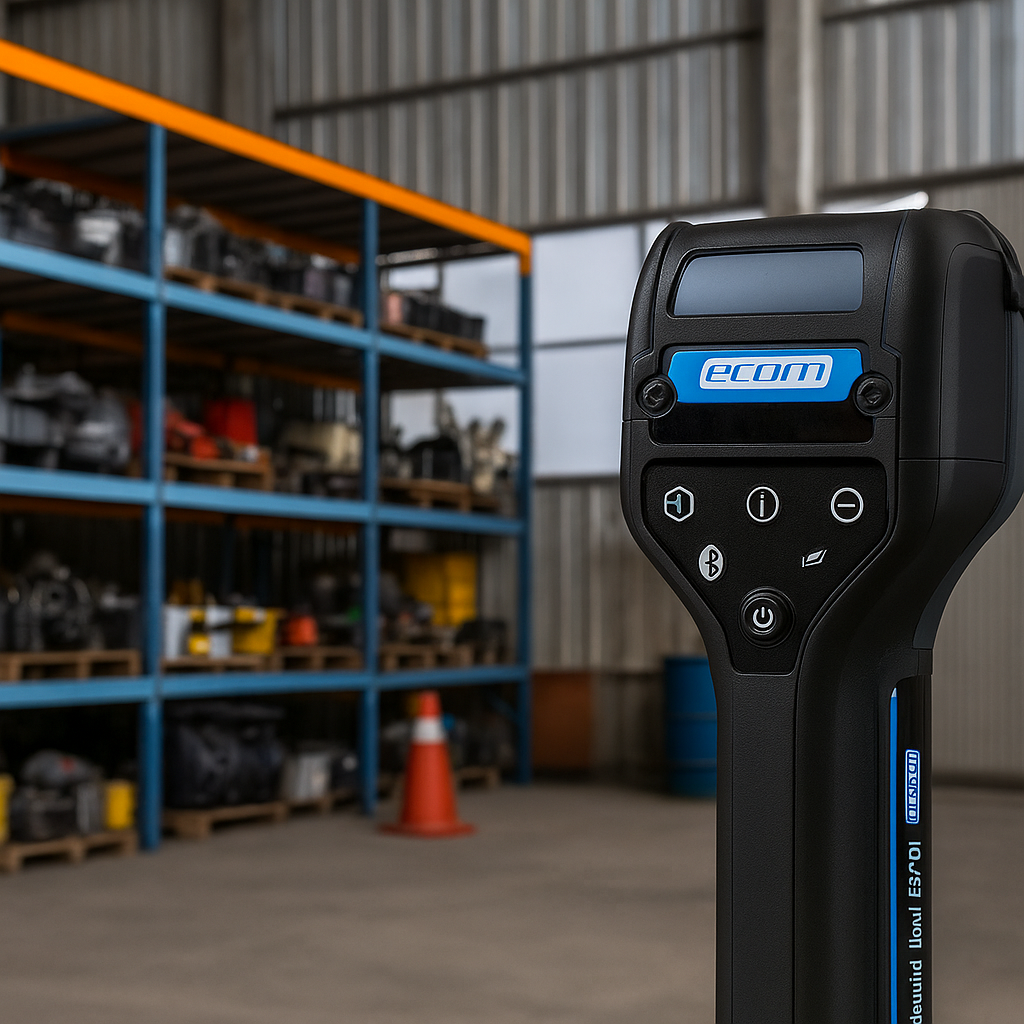
In industrial environments where flammable gases, vapors, or dust are present, even the smallest spark can lead to disaster. That’s why standard barcode scanners are not suitable for hazardous locations. The solution? The intrinsically safe barcode reader—a device engineered to operate safely and efficiently in explosive atmospheres while maintaining high scanning accuracy and speed.
Whether tracking assets on offshore platforms, scanning inventory in refineries, or performing inspections in chemical plants, these devices enable fast and reliable data capture without compromising safety.
This guide will help you understand the differences between barcode scanners and readers, the certifications that matter, and the pricing of today’s top-rated intrinsically safe models, available now at Intrinsically Safe Store.
Shop Intrinsically Safe Barcode Solutions
Build your hazardous-area kit with: Handheld Computers · ATEX Tablets · Barcode Readers
What Is an Intrinsically Safe Barcode Reader?
An intrinsically safe barcode reader is a handheld or mobile device designed to capture barcode and RFID data in hazardous areas. “Intrinsically safe” (IS) means the device is engineered to limit electrical and thermal energy to prevent sparks or heat that could ignite explosive gases or dust.
Key Functions of Intrinsically Safe Readers:
Scan barcodes and RFID tags safely in Zone 1 or Class I, Division 1 areas.
Transmit data wirelessly via Bluetooth®, Wi-Fi, or cable.
Integrate with industrial tablets, smartphones, or ERP systems.
These devices are essential in oil and gas, chemical, and mining industries—where safety compliance is as important as operational efficiency.

Scanner vs Reader: What’s the Difference?
The terms scanner and reader are often used interchangeably, but in industrial applications, they have key distinctions.
| Feature | Barcode Scanner | Barcode Reader |
|---|---|---|
| Primary Function | Captures printed barcode images | Captures and decodes data (barcode or RFID) |
| Data Output | Sends raw scan data | Sends interpreted, usable data |
| Technology Used | Laser or imaging sensors | Imaging + processing chip |
| Use Case | Simple barcode entry | Complex inventory and asset tracking |
| Speed & Accuracy | Fast, but limited to barcodes | High accuracy, supports RFID and multiple formats |
In short, barcode scanners collect visual data, while barcode readers process and interpret it. In hazardous areas, intrinsically safe readers—like the Ecom Ident-Ex 01—combine both capabilities for versatile industrial use.
Not Sure If You Need a Scanner or a Reader?
Compare certifications and requirements, then get a tailored recommendation: ATEX vs IECEx · What is Class 1 Div 1?
Featured Product: Ecom Ident-Ex 01 Barcode Scanner/RFID Reader
Overview
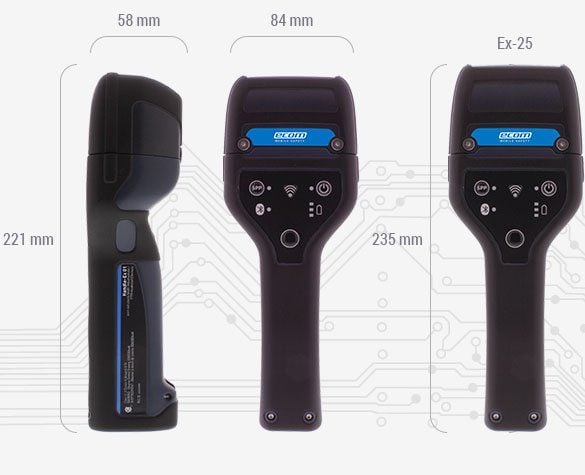
The Ecom Ident-Ex 01 Barcode Scanner/RFID Reader is a Zone 1 and Class I, Division 1 certified handheld device designed for hazardous area barcode and RFID data capture. With robust construction and fast scanning capability, it’s an ideal tool for industries that demand precision and compliance.
Price: $2,083.69
Available at: Intrinsically Safe Store
Key Features
Dual Functionality: Barcode scanning and RFID reading in one compact device.
Explosion Protection: Certified for ATEX, IECEx, and North American standards.
Wireless Communication: Bluetooth® connectivity for seamless data transfer.
High-Speed Processing: Fast decode times even on damaged or dirty barcodes.
Ergonomic Grip: Designed for long shifts in field operations.
| Specification | Details |
|---|---|
| Model | Ecom Ident-Ex 01 |
| Certifications | ATEX, IECEx, Class I Division 1 |
| Connectivity | Bluetooth®, USB |
| Scan Type | 1D/2D Barcode + RFID |
| Weight | 400g |
| Battery Life | Up to 12 hours |
| Price | $2,083.69 |
This model stands out for its multi-standard certification, ensuring compliance across Europe, North America, and Asia. It’s the perfect tool for mobile workers who need speed, safety, and flexibility in their data capture workflows.
Need the Full Mobile Scanning Setup?
Pair your reader with certified devices and accessories for field work: Handheld Computers · ATEX Tablets · Scanner Accessories
Why Choose an Intrinsically Safe Barcode Reader?
1. Certified for Hazardous Locations
Intrinsically safe readers are certified for use in ATEX Zones 0, 1, or 2 and Class I Division 1 or 2 environments. This ensures no ignition risk from electrical or thermal energy.
2. Enhanced Accuracy and Range
These devices can scan barcodes, QR codes, and RFID tags from greater distances and angles, even in low-light or dusty conditions—ensuring reliable data capture.
3. Improved Productivity
By combining barcode and RFID functionality, workers reduce manual input, speeding up asset tracking, inspection reporting, and logistics processes.
4. Rugged Construction
Built to withstand drops, shocks, and chemical exposure, these readers are tested for the harshest environments. The Ecom Ident-Ex 01, for instance, maintains performance in temperatures from -20°C to +50°C.
Understanding Intrinsic Safety Certifications
What Is ATEX Certification?
The ATEX Directive 2014/34/EU regulates equipment for explosive atmospheres within the European Union. Devices like the Ecom Ident-Ex 01 are tested to ensure they don’t produce heat or sparks capable of ignition.
| Zone | Risk Level | Typical Location |
|---|---|---|
| Zone 0 | Continuous exposure | Inside fuel or chemical tanks |
| Zone 1 | Likely during operation | Refining areas, pipelines |
| Zone 2 | Unlikely, but possible | Storage or maintenance zones |
What Is IECEx Certification?
IECEx is the international equivalent of ATEX, recognized globally. It ensures the same level of protection, allowing devices to be used across multiple markets.
What About Class and Division Ratings?
In North America, hazardous areas are classified as:
Class I – Flammable gases or vapors
Division 1 – Normal operation with explosive atmosphere likely
Division 2 – Abnormal operation only
The Ecom Ident-Ex 01 meets both ATEX and Class I Division 1 standards, making it a truly global intrinsically safe barcode reader.
How Do Intrinsically Safe Readers Improve Industrial Efficiency?
| Advantage | Impact on Operations |
|---|---|
| Instant Data Capture | Faster tracking of tools, parts, and personnel |
| Wireless Communication | Real-time updates to central databases |
| Safety Compliance | Reduces risk of explosions |
| Rugged Design | Fewer device failures and replacements |
| Long Battery Life | Extended field operation hours |
For example, refinery technicians using the Ecom Ident-Ex 01 can scan hundreds of assets daily without needing to re-enter data, minimizing errors and improving throughput.
How to Select the Right Intrinsically Safe Barcode Reader
When choosing an intrinsically safe scanner or reader, consider these factors:
Certification Compatibility: Ensure ATEX and IECEx certifications match your site’s classification.
Data Requirements: If you need both barcode and RFID capability, choose a hybrid device like the Ident-Ex 01.
Connectivity: Look for Bluetooth® or Wi-Fi for wireless sync.
Battery and Endurance: At least 10–12 hours runtime for shift coverage.
Durability: IP65 or higher rating for dust and water resistance.
Pricing Overview: What to Expect
Intrinsically safe barcode readers are premium tools due to their certification and ruggedization process.
| Device Type | Typical Price Range (USD) | Use Case |
|---|---|---|
| Basic ATEX Barcode Scanner | $900 – $1,500 | Small warehouses, light-duty use |
| Hybrid Scanner + RFID Reader (e.g., Ecom Ident-Ex 01) | $1,800 – $2,500 | Oil & gas, refineries, industrial logistics |
| Integrated Mobile Computer with Scanner | $2,500 – $4,000 | Field inspection and asset tracking systems |
At $2,083.69, the Ecom Ident-Ex 01 strikes the ideal balance between price, performance, and safety certification, making it one of the most trusted intrinsically safe readers on the market.
Ready to Deploy Intrinsically Safe Data Capture?
Get expert guidance and build a compliant scanning workflow for your site.
FAQs: Intrinsically Safe Barcode Readers
1. What makes a barcode reader “intrinsically safe”?
It’s designed to limit energy output, preventing sparks or heat that could ignite explosive gases or dust. Certification ensures the reader is safe for hazardous zones.
2. Can I use a regular barcode scanner in a hazardous area?
No. Standard scanners are not tested for ignition risks. Only ATEX or IECEx certified barcode readers are safe for use in explosive atmospheres.
3. What’s the difference between RFID and barcode scanning?
Barcodes require a line of sight, while RFID can read multiple tags simultaneously from greater distances. Many intrinsically safe readers combine both for flexibility.
4. Do intrinsically safe readers work with mobile devices?
Yes. Most connect via Bluetooth® to ATEX-certified tablets or smartphones, enabling mobile data entry and asset management.
5. How long does the battery last on an intrinsically safe barcode reader?
Typical runtime ranges from 10–14 hours, depending on usage intensity and environmental conditions.
Key Benefits Summary
Compliant with ATEX, IECEx, and Class I Division 1 standards
Combines barcode and RFID reading in one device
Bluetooth® wireless data transfer
Lightweight and ergonomic for field use
High accuracy even on damaged or low-contrast codes
Extended battery life for long shifts
These benefits make intrinsically safe readers indispensable for operations where accuracy and safety must go hand-in-hand.
Conclusion: Safety, Speed, and Compliance in One Device
An intrinsically safe barcode reader like the Ecom Ident-Ex 01 empowers industrial teams to collect and process data safely and efficiently in hazardous environments. With global certifications, wireless connectivity, and unmatched durability, it’s engineered for professionals who can’t afford downtime or risk.
Equip your workforce with technology that keeps pace with your safety standards.
