



























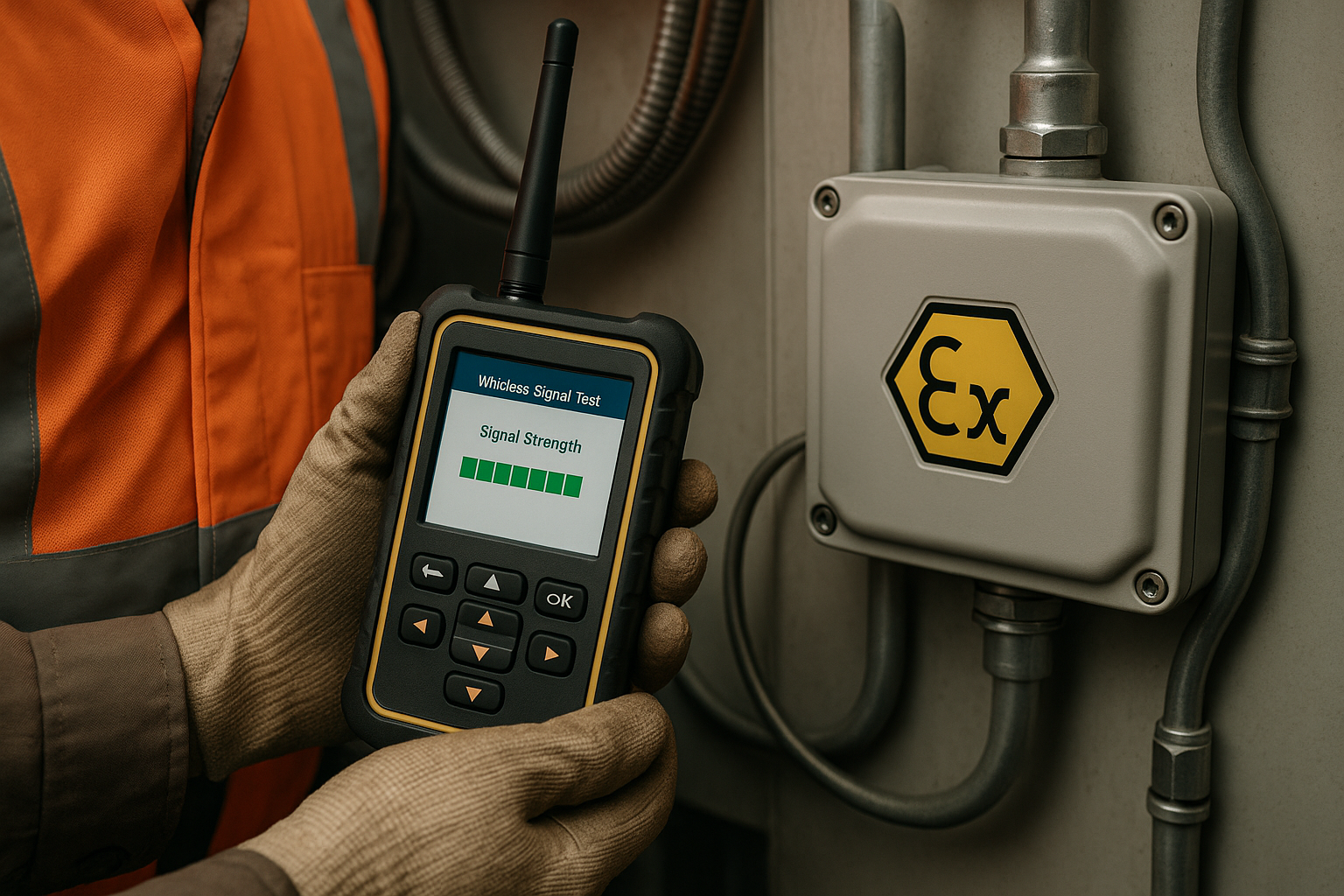
Wireless communications—Wi‑Fi, LoRaWAN, ISA100 and other industrial protocols—enable safer, more flexible operations in hazardous areas when deployed correctly. This primer covers the engineering controls, certification considerations, segregation strategies and practical testing steps that help minimize ignition risk while unlocking the benefits of wireless IIoT in classified zones.
Bridging the Gap: Wireless Tablets & SCADA
Discover how to safely integrate mobile wireless devices with your existing SCADA infrastructure to enhance real-time data visibility in hazardous zones.
View the SCADA Integration GuideWhy wireless matters in hazardous areas
Moving to wireless in Ex zones reduces cable runs, decreases personnel exposure during inspections, and enables distributed sensor networks for predictive maintenance. However, the convenience of wireless introduces new considerations: radio equipment, power sources, and installation practices must preserve the intrinsic safety or explosion protection strategy for the area.
- Reduced wiring and cable trays lower physical ignition sources and simplify retrofits.
- Remote monitoring via wireless can minimize confined space and hot work entries.
- Wireless protocols allow deployment of low‑power sensors in hard‑to‑reach locations.
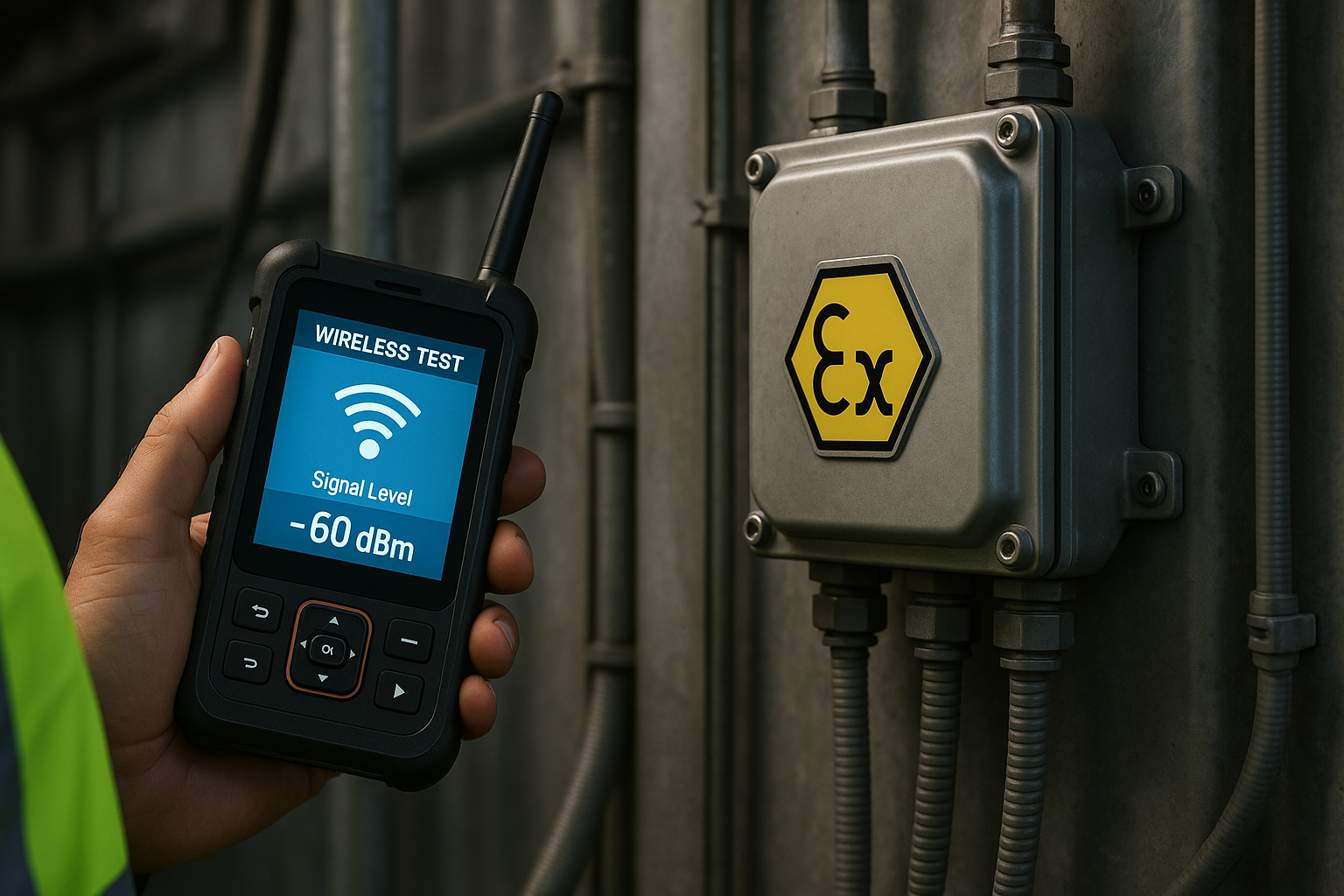
Key deployment steps for safe wireless systems
A structured approach ensures safety and compliance. Follow these high‑level steps when planning and installing wireless equipment in classified locations.
- Zone assessment and equipment selection: confirm zone classification (Zone 0/1/2 or Zone 20/21/22) and choose devices with appropriate Ex certification or install in certified enclosures.
- Power strategy: select intrinsically safe power sources or isolate supply using approved barriers to prevent ignition-capable faults.
- Segregation and mounting: locate wireless radios outside the highest-risk zones where possible, and use certified antennas, conduits and glands for penetrations.

Product Comparison
| Product | Description | Price | Details |
|---|---|---|---|
| Solexy SWA/SWS-R 5G Router | Explosion-proof 5G/4G LTE industrial router designed for Zone 1 and C1D1 wireless connectivity. | $3,256.20 | View Details |
| Aegex 100M Tablet | Windows 11 intrinsically safe tablet designed for real-time data visibility in hazardous zones. | $4,206.60 | View Details |
| Atexxo iPad Pro 11 | High-performance iPad Pro 11 conversion for Zone 2, ideal for mobile SCADA and inspections. | $3,812.40 | View Details |
Equip Your Site with Certified Wireless Hardware
From rugged gateways to high-performance access points, find the exact Ex-rated equipment required for your wireless industrial network.
Shop All Wireless ProductsRelated Resources
FAQs
Can I place a standard Wi‑Fi access point inside a Zone 1 area?
No. Standard consumer Wi‑Fi APs are not certified for classified zones. Use purpose-built Ex-certified devices or mount standard APs outside the classified area and use Ex-approved antennas or cabling.
What wireless protocols are suitable for hazardous locations?
Low-power wide-area protocols like LoRaWAN, as well as industrial standards such as ISA100 and WirelessHART, are commonly used because they support low-power intrinsically safe nodes and robust industrial networking.
How do I verify a wireless device’s Ex suitability?
Check the manufacturer’s datasheet and IECEx/ATEX markings for the device or its enclosure, and confirm compatibility with the area’s gas/dust group and temperature class.
Are antenna penetrations a weak point for Ex integrity?
Yes. All penetrations must use certified glands or sealed feed-throughs and be installed per wiring rules (IEC 60079‑14) to maintain zone integrity.
What testing is recommended before commissioning a wireless system?
Perform radio coverage and interference surveys, Ex marking validation, power fault analysis, and functional tests under real environmental conditions. Document results in the project handover folder.
Conclusion
Wireless communications can safely extend monitoring and control into hazardous areas when planned and implemented with Ex-certified hardware, appropriate power strategies, and careful installation practices. Work with experienced integrators, verify markings and test thoroughly before commissioning. To explore certified products for your site, visit our products catalog or contact our technical team for a deployment review.
