

























Zone 1 Explosion Proof Motor
Showing the single result
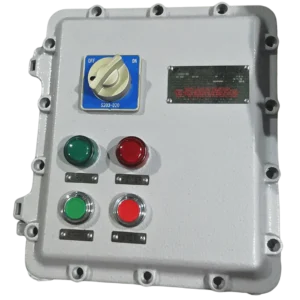
- Zone 1 explosion-proof engines are engineered to safely operate in hazardous areas where explosive gas atmospheres are likely during normal operations.
- These engines meet rigorous international safety standards, including ATEX and IECEx certifications, ensuring they prevent ignition in risky environments.
- Selecting the right explosion-proof engine involves understanding Zone 1 classifications, material requirements, and industry-specific applications.
Introduction to Zone 1 Explosion Proof Engines
Zone 1 explosion-proof engines are indispensable in industries where safety is paramount, such as oil and gas, chemical manufacturing, and mining. Zone 1 environments are classified as areas where explosive gas-air mixtures are likely to occur during normal operation. These engines are meticulously designed to prevent ignition, offering a critical safety measure in hazardous locations.
Industries require engines with explosion-proof certifications like ATEX or IECEx, which confirm the equipment’s ability to operate without triggering an explosion. This guide delves into the intricacies of these engines, highlighting their design, certifications, and industry applications.
Understanding Zone 1 Classifications
What Defines Zone 1?
Zone 1 is a hazardous area classification for explosive gas atmospheres. These zones are characterized by the likely presence of flammable gases, vapors, or mists during regular operations. The likelihood of such atmospheres demands stringent safety measures, making explosion-proof equipment vital.
Comparison with Other Zones
While Zone 0 involves continuous or long-term presence of explosive atmospheres, Zone 1 sees such conditions occasionally in normal operations. Zone 2, on the other hand, involves rare and short-lived explosive atmospheres. These classifications guide the selection of appropriate safety equipment.
Certifications for Zone 1 Equipment
Zone 1 explosion-proof engines must meet international standards, such as:
- ATEX Directive (Europe): Focused on preventing ignition and maintaining operational safety.
- IECEx Standards (Global): Ensures engines can operate across international borders while maintaining safety integrity.
Design Principles of Explosion Proof Engines
Explosion-proof engines employ robust engineering to ensure safety. Their design includes:
1. Flameproof Enclosures (Ex d)
Engines use heavy-duty enclosures that contain internal explosions and cool escaping gases, preventing ignition in the external atmosphere.
2. Heat Dissipation
Efficient heat management prevents surface temperatures from exceeding the ignition point of surrounding gases. Heat sinks and advanced materials often feature in their construction.
3. Material Selection
Materials like stainless steel and aluminum are commonly used for their durability, corrosion resistance, and strength under extreme conditions.
4. Spark and Arc Prevention
Intrinsically safe circuits and non-sparking materials minimize ignition risks during operations.
Safety Standards and Compliance
Explosion-proof engines undergo rigorous testing and certification to ensure compliance with global safety standards:
- ATEX Certification: Verifies that the engine can operate safely in explosive atmospheres under European guidelines.
- IECEx Certification: Provides a unified standard for global markets, ensuring the equipment meets consistent safety levels.
- North American Standards: UL and CSA certifications are vital for engines used in the US and Canada.
Compliance with these standards ensures the reliability of engines in hazardous environments and protects personnel and property.
Industry Applications of Zone 1 Explosion Proof Engines
1. Oil and Gas
In refineries and offshore platforms, explosion-proof engines power pumps, compressors, and generators. Their ability to withstand volatile environments makes them indispensable.
2. Chemical Manufacturing
The chemical industry uses these engines to drive mixers and agitators in potentially explosive settings. Their design prevents accidental ignition of volatile chemicals.
3. Mining
In underground mines, methane gas and coal dust create a high explosion risk. Explosion-proof engines ensure safe operations in such hazardous environments.
4. Pharmaceutical Production
Dust from active pharmaceutical ingredients can be highly explosive. Engines designed for Zone 1 ensure safe operation in these controlled environments.
Installation and Maintenance Best Practices
Proper installation and maintenance are critical for the safe operation of Zone 1 explosion-proof engines. Best practices include:
- Certified Installation: Use professionals trained in hazardous area standards.
- Regular Inspections: Check for wear, corrosion, or damage to enclosures.
- Documentation: Maintain detailed logs of inspections and repairs.
- Training: Ensure personnel understand the engine’s safety features and operation.
Conclusion
Zone 1 explosion-proof engines are a cornerstone of safety in hazardous industries. By adhering to international safety standards and incorporating robust design principles, these engines provide peace of mind in environments fraught with explosive risks. Selecting the right engine, backed by certifications like ATEX or IECEx, ensures operational safety and efficiency.
FAQs
What are Zone 1 explosion-proof engines used for?
They are used in hazardous areas where explosive gas atmospheres may occur during normal operations. Typical applications include power generation, chemical processing, and mining operations.
How do these engines prevent explosions?
Explosion-proof engines contain potential internal explosions within robust enclosures, preventing ignition of external explosive atmospheres.
What certifications should I look for?
ATEX and IECEx certifications are essential for global operations, while UL and CSA certifications are critical in North America.
Can these engines operate in Zone 0 areas?
No, Zone 0 areas require intrinsically safe equipment designed for continuous explosive atmospheres.
How often should explosion-proof engines be inspected?
Regular inspections should be conducted based on manufacturer recommendations, typically every 6 to 12 months, depending on operational conditions.