

























Introduction: Why Safe Ventilation Matters in Hazardous Environments
Airflow management in industrial settings is not just about comfort—it’s a critical safety measure. In hazardous environments where combustible gases, vapors, or dust are present, improper ventilation can increase the risk of explosions. Intrinsically safe ventilation fans provide a reliable solution by ensuring that the airflow system itself does not become an ignition source.
Industries such as oil and gas, chemical processing, pharmaceuticals, and mining operate in environments where explosive atmospheres are common. A single spark from an improperly designed electrical component can cause catastrophic consequences. This is why intrinsically safe ventilation fans are essential—they are engineered to operate with energy levels too low to ignite flammable substances.
This guide explores how these fans work, their benefits, key installation and maintenance practices, and how to choose the right fan for your industrial needs.
What Are Intrinsically Safe Ventilation Fans?
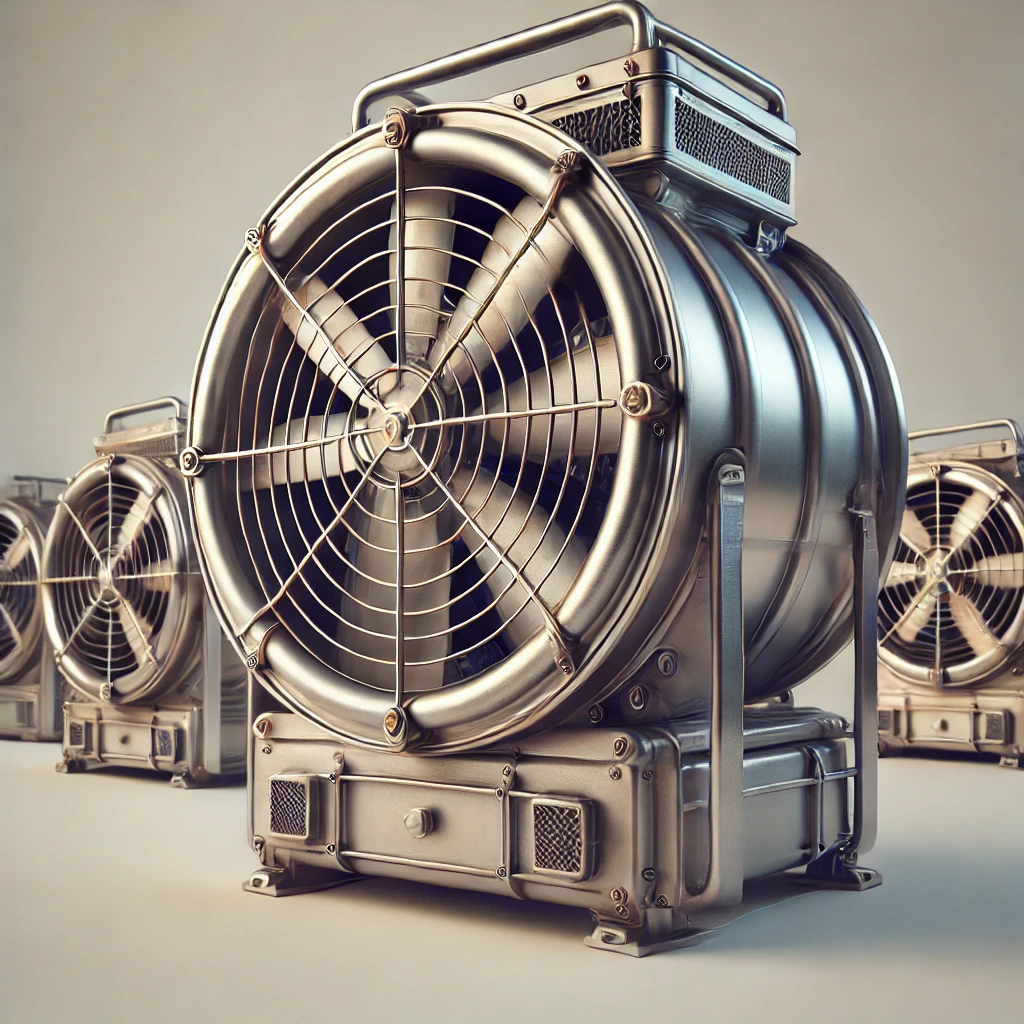
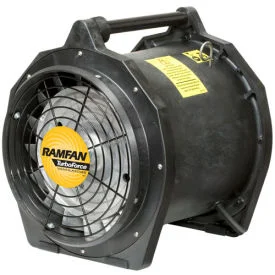
Intrinsically safe ventilation fans are specialized air-moving devices designed for use in hazardous (classified) locations. Unlike explosion-proof fans, which rely on reinforced enclosures to contain explosions, intrinsically safe fans prevent ignition at the source by limiting the electrical and thermal energy they emit.
Key Features of Intrinsically Safe Ventilation Fans
- Low Energy Operation: Fans operate at reduced voltage and current, minimizing ignition risk.
- Certified Safety Compliance: Must meet ATEX, IECEx, or NEC standards for hazardous environments.
- Corrosion-Resistant Materials: Often made from stainless steel, aluminum, or non-sparking plastics.
- Static-Free Components: Reduce electrostatic discharge, a common ignition source in flammable environments.
- Temperature Control: Prevents overheating, which could lead to spontaneous combustion.

How Intrinsically Safe Ventilation Fans Work
These fans function by controlling airflow patterns in hazardous areas to dilute and remove combustible gases, vapors, or dust. They help:
- Reduce concentration levels of flammable materials below explosive limits.
- Maintain temperature stability, preventing heat buildup.
- Prevent accumulation of hazardous particles, ensuring air quality remains safe.
Explore our collection of Intrinsically Safe Ventilation Fans designed for high-risk environments.
Comparison: Intrinsically Safe vs. Explosion-Proof Fans
| Feature | Intrinsically Safe Fans | Explosion-Proof Fans |
|---|---|---|
| Ignition Prevention | Limits energy to avoid sparks | Contains explosions within the fan enclosure |
| Weight & Size | Lightweight, compact | Heavier due to reinforced enclosures |
| Energy Efficiency | More efficient due to low power draw | Higher energy consumption |
| Ideal Applications | Hazardous zones with low-energy ignition risks | Areas where explosions could occur internally |
While both solutions enhance safety, intrinsically safe fans are ideal where continuous ventilation is needed without risking ignition.
Why Intrinsically Safe Fans Are Essential in Hazardous Zones
1. Preventing Explosions in High-Risk Areas
Industries that handle petrochemicals, pharmaceuticals, grain storage, and manufacturing often contain explosive atmospheres. A properly designed airflow system ensures that flammable gases and dust do not reach dangerous concentrations.
2. Compliance with Industry Safety Standards
Many national and international regulations require intrinsically safe or explosion-proof equipment for hazardous areas. The most critical certifications include:
- ATEX (Europe)
- IECEx (International)
- NEC 500/505 (North America)
3. Reducing Long-Term Maintenance Costs
Since intrinsically safe fans operate with minimal energy and heat generation, they experience less wear and tear, reducing maintenance costs over time.
Not sure which ventilation fan is right for your hazardous zone? Schedule a free consultation with our safety experts.
Installation Guidelines for Intrinsically Safe Ventilation Fans
Proper installation is critical to ensuring that the fan performs safely and efficiently.
1. Determine the Hazardous Zone Classification
Before installation, identify if the site falls under:
- Zone 0, 1, or 2 for gases/vapors
- Zone 20, 21, or 22 for combustible dust
Each zone requires specific fan ratings based on the level of explosion risk.
2. Follow Electrical Safety Regulations
Ensure all wiring and power connections meet intrinsic safety standards. Use:
- Explosion-proof junction boxes
- Proper conduit sealing to prevent gas infiltration
3. Secure Proper Ventilation Pathways
- Position fans for maximum airflow efficiency while maintaining safety distance from ignition sources.
- Avoid airflow obstructions that could cause hazardous buildup.
Maintenance Best Practices for Safe Operation
Even with intrinsically safe design, regular inspections and maintenance are required to prevent system failures.
1. Routine Inspections
- Check motor performance: Look for unusual vibrations or slow speeds.
- Inspect wiring and seals: Ensure they remain intact to prevent electrical faults.
- Test airflow efficiency: Verify that hazardous gases or dust aren’t accumulating.
2. Cleaning and Upkeep
- Use non-conductive cleaning materials to avoid static buildup.
- Remove dust and debris regularly to maintain efficiency.
3. Documentation and Compliance Audits
Keep detailed maintenance logs to ensure compliance with OSHA, NEC, and ATEX regulations.
Choosing the Right Intrinsically Safe Ventilation Fan
When selecting a fan, consider:
| Factor | Recommendation |
|---|---|
| Hazardous Zone Rating | Choose Zone 1 or 2 for gas, Zone 21 or 22 for dust |
| Airflow Capacity (CFM) | Match with space ventilation needs |
| Material Composition | Corrosion-resistant, non-sparking metals |
| Temperature Resistance | Must withstand industrial operating conditions |
For highly explosive areas, choose low-voltage, brushless motors that further reduce risk.
Industries That Rely on Intrinsically Safe Fans
- Oil & Gas Facilities: Removes flammable vapors to prevent ignition.
- Pharmaceutical Manufacturing: Ensures safe airflow when handling volatile chemicals.
- Mining Operations: Prevents coal dust accumulation from reaching explosive concentrations.
- Chemical Processing Plants: Maintains compliance with HAZLOC ventilation requirements.
Conclusion: Enhancing Safety with Intrinsically Safe Fans
Intrinsically safe ventilation fans play a crucial role in preventing explosions in hazardous areas. By limiting electrical energy and heat, these fans provide continuous and safe airflow while meeting strict industry safety standards.
To maintain a safe and compliant workplace, always:
- Choose certified intrinsically safe fans for hazardous locations.
- Follow proper installation and maintenance guidelines.
- Conduct regular safety inspections to prevent equipment failures.
Investing in high-quality, intrinsically safe ventilation solutions is not just a regulatory requirement—it’s a commitment to workplace safety.
Frequently Asked Questions (FAQs)
What makes a ventilation fan intrinsically safe?
An intrinsically safe ventilation fan is designed to limit electrical and thermal energy to prevent ignition of hazardous gases, vapors, or dust, even under fault conditions.
Can intrinsically safe fans be used in all hazardous zones?
No, intrinsically safe fans must be specifically certified for the zone in which they are installed—like Zone 1 for gases or Zone 21 for dust.
How often should intrinsically safe ventilation fans be inspected?
Routine quarterly inspections are recommended, with a comprehensive annual check to ensure optimal performance and compliance with safety standards.
What are the key factors to consider when selecting an intrinsically safe fan?
Key factors include hazardous zone classification, airflow capacity (CFM), material composition, and compliance with ATEX, IECEx, or NEC standards.
Are intrinsically safe fans more expensive than standard ones?
Yes, intrinsically safe fans tend to be more expensive due to the specialized materials, engineering, and certification requirements. However, they are crucial for ensuring safety in hazardous environments.
