Intrinsically Safe Knowledge Base
Understanding Intrinsic Safety: A 2025 Guide for Safety Managers and Engineers
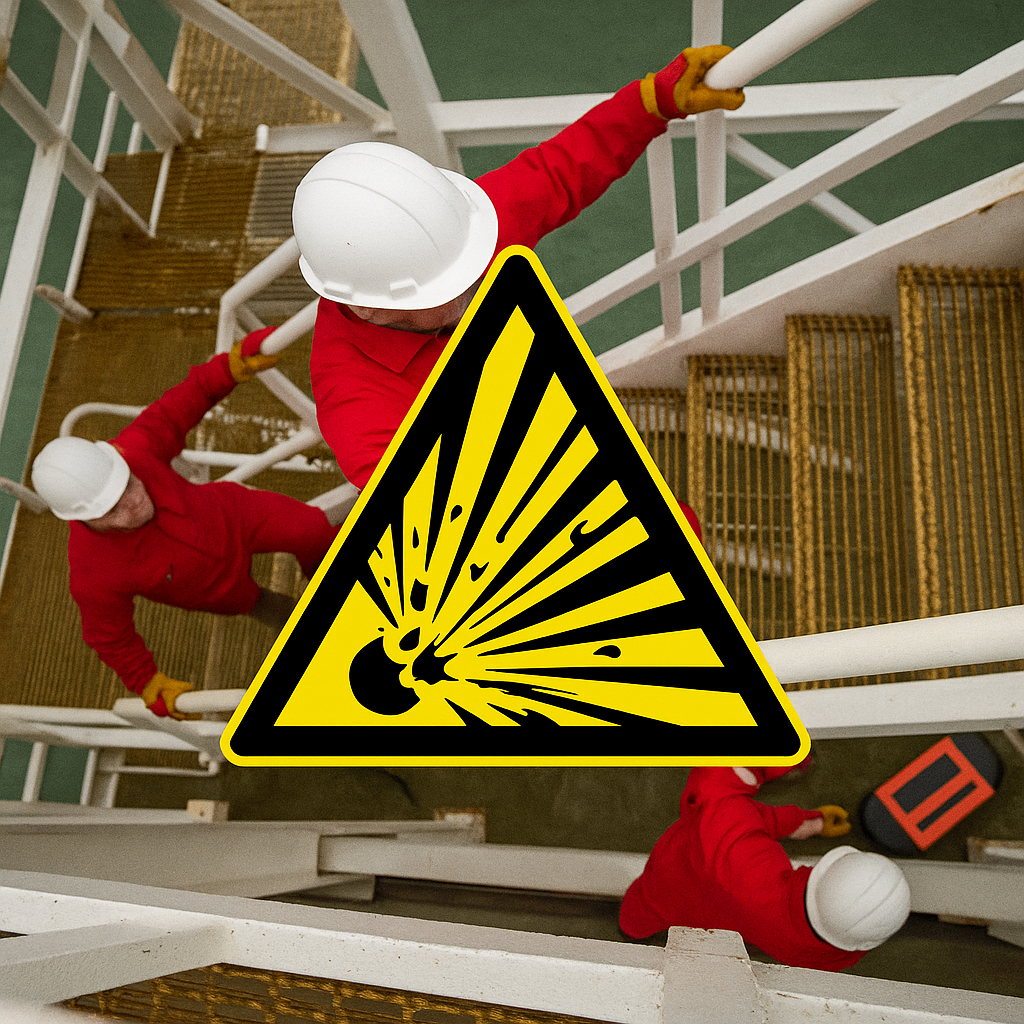
Hazardous work environments require specialized equipment to ensure that electrical and thermal energy do not pose a risk of ignition. From oil rigs to chemical processing plants, industries operating in explosive atmospheres must adhere to strict safety protocols. One of the most fundamental safety principles in these environments is the use of intrinsically safe equipment.
This guide aims to provide safety managers and engineers with a 2025-ready understanding of intrinsic safety. We’ll cover what it means, why it’s critical, how to identify certified devices, and which products are leading the market today.
What Does Intrinsically Safe Mean?
Intrinsically safe (IS) refers to electrical equipment and wiring that is incapable of releasing sufficient energy to cause ignition in a hazardous environment, even under fault conditions. Rather than containing an explosion like explosion-proof equipment, intrinsically safe devices are designed to prevent ignition from occurring at all.
Discover our full line of intrinsically safe smartphones built for hazardous environments.
How Intrinsic Safety Works
-
Current and Voltage Control: Devices operate with power levels below ignition thresholds.
-
Fail-Safe Design: Circuits are engineered to prevent spark generation, even during faults.
-
Temperature Regulation: Components are kept below the auto-ignition temperature of flammable gases or dust.
-
Energy Limiting Barriers: Resistive, capacitive, and inductive energy is minimized using electronic barriers.
Learn how intrinsically safe barriers protect your operations.
By eliminating ignition sources, IS devices are inherently safer and often require less extensive installation procedures compared to explosion-proof alternatives.
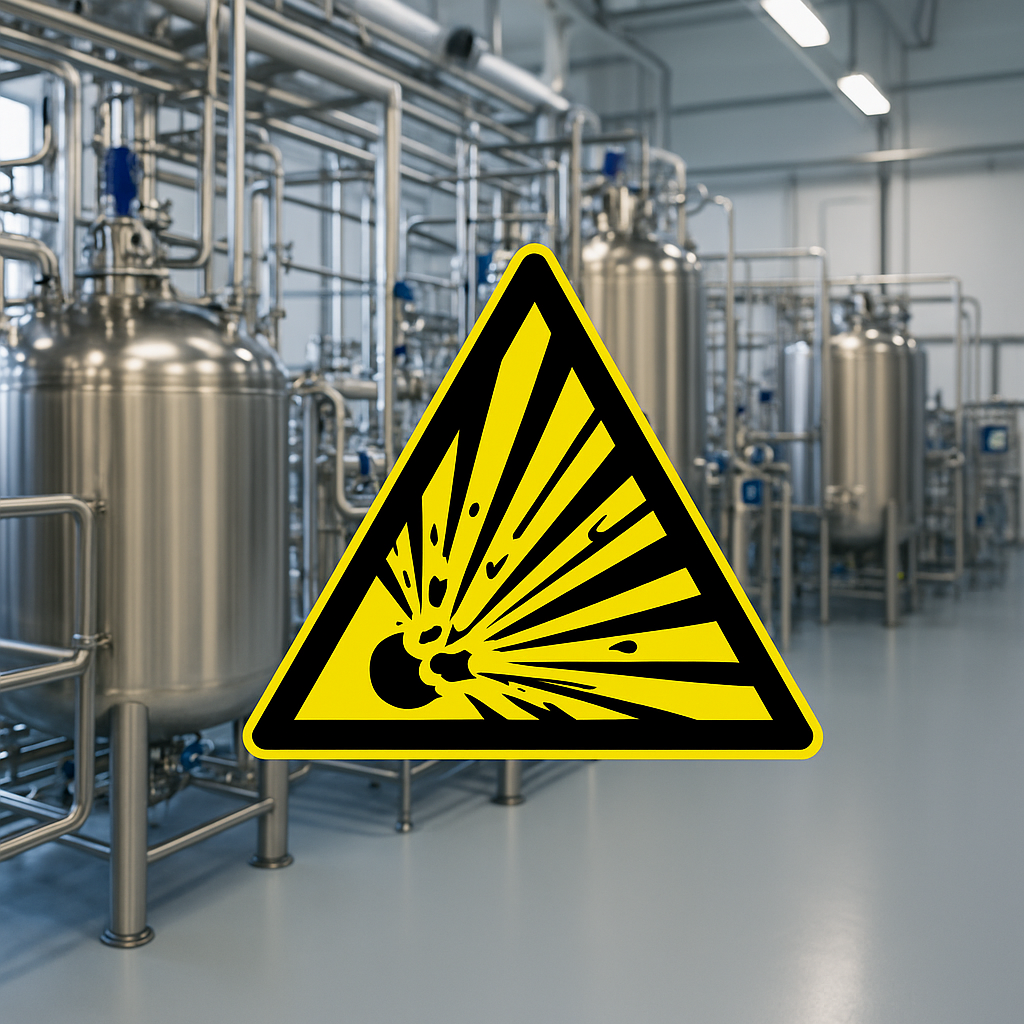
Why Intrinsic Safety Is Critical in 2025
The global push for safer, smarter, and more sustainable industrial operations has brought renewed focus to intrinsic safety. Compliance with international standards is not just regulatory—it’s operationally strategic.
Key Benefits
-
Enhanced Worker Safety: Prevents explosions in volatile environments.
-
Regulatory Compliance: Meets ATEX, IECEx, UL, and CSA standards.
-
Cost Efficiency: Reduces the need for heavy enclosures and complex conduit systems.
-
Operational Continuity: Lowers the risk of shutdowns and incidents due to unsafe equipment.
-
Sustainability Compliance: Aligns with ESG goals and ISO safety initiatives.
The implementation of intrinsically safe equipment is no longer optional; it’s essential for future-ready operations.
Understanding Hazardous Area Classifications
Before selecting any equipment, it’s important to understand the type of hazardous zone or division you’re working in. These classifications help define the level of risk and guide appropriate equipment selection.
European (ATEX/IECEx) Zone System
-
Zone 0: Explosive atmosphere is continuously present.
-
Zone 1: Likely presence of explosive gases during regular operations.
-
Zone 2: Explosive atmosphere is not likely to occur during normal operation, and if it does, it will exist only for a short time.
North American (NEC/CEC) Division System
-
Class I, Division 1: Flammable gases or vapors are present under normal operating conditions.
-
Class I, Division 2: Flammable substances are only present under abnormal conditions.
Explore our Zone 0 certified equipment collection for continuous protection.
Key Matching Table
| Classification System | Zone/Division | Typical Environment |
|---|---|---|
| ATEX / IECEx | Zone 0 | Fuel tanks, offshore rigs |
| ATEX / IECEx | Zone 1 | Chemical mixing stations |
| ATEX / IECEx | Zone 2 | Storage rooms with ventilation |
| NEC / CEC | Division 1 | Paint spray booths |
| NEC / CEC | Division 2 | Power plants, gas stations |
Certification Standards for Intrinsically Safe Equipment
Choosing certified equipment ensures compliance and reduces liability. The most widely recognized safety certifications include:
ATEX (Europe)
-
Mandatory in the EU for equipment used in explosive atmospheres.
-
Certification categories: Zone 0 (Category 1G), Zone 1 (Category 2G), Zone 2 (Category 3G).
IECEx (Global)
-
Globally accepted standard.
-
Ensures that products meet strict testing protocols for explosive atmospheres.
UL and CSA (North America)
-
UL Class I, Division 1 and Division 2 approvals.
-
CSA Group certifications for Canada.
Certifications must match your site’s classification to be valid and effective. Always verify documentation provided by the manufacturer.
Intrinsically Safe vs. Explosion-Proof: What’s the Difference?
These two safety methodologies often get confused. Here’s a breakdown:
| Feature | Intrinsically Safe | Explosion-Proof |
|---|---|---|
| Principle | Prevents ignition | Contains explosion |
| Power Level | Low | Higher |
| Installation | Easier, fewer materials | More expensive, requires heavy enclosures |
| Maintenance | Simplified | More complex |
| Ideal Use | Sensors, phones, tablets | Motors, compressors, high-power devices |
Intrinsically safe systems are often preferred where portability, lightweight design, and ease of use are essential.
Best Intrinsically Safe Products for 2025
Here are top-rated intrinsically safe products available to safety professionals and engineers, carefully selected for their certifications, performance, and industry-specific use cases.
i.safe MOBILE IS540.1 5G Smartphone
-
Certifications: ATEX Zone 1, IECEx, Class I Div 2
-
Key Features: 5G connectivity, Qualcomm Snapdragon processor, IP68 rating
-
Use Case: Mobile communication in oil & gas and chemical sectors
Ecom Tab-Ex® Pro DZ2 Rugged Tablet
-
Certifications: ATEX Zone 2, IECEx
-
Key Features: 10.1” screen, Samsung Galaxy platform, Android OS
-
Use Case: Ideal for field inspections, digital reporting, and mobile maintenance
Extronics iSCAN2xx Bluetooth Scanner
-
Certifications: ATEX Zones 1 & 2, IECEx
-
Key Features: Ergonomic, wireless design, scans 1D/2D barcodes
-
Use Case: Inventory management in refineries and hazardous warehouses
Bartec Agile X IS Windows Tablet
-
Certifications: ATEX Zone 1, IECEx
-
Key Features: Windows 10, sunlight-readable display, multiple I/O ports
-
Use Case: Suited for SCADA access, HMI operations, and process automation
GfG G450 Multi-Gas Detector
-
Certifications: ATEX Zone 1, IECEx, UL
-
Key Features: Simultaneous detection of up to four gases, rugged and compact
-
Use Case: Worker safety and atmospheric monitoring in confined spaces
How to Select the Right Intrinsically Safe Device
Selecting the right product involves more than just certification. Consider these key criteria:
1. Know Your Hazard Zone
Match the equipment certification to the hazard level of your zone or division.
2. Determine the Function
Will the device be used for communication, data entry, gas detection, or asset tracking?
3. Environmental Resistance
Look for IP ratings, MIL-STD certifications, and temperature tolerance.
4. Ergonomics and Usability
Evaluate battery life, screen readability, and button layouts for field use.
5. Support and Compatibility
Check for software integrations, firmware updates, and accessories like docking stations and carrying cases.
Need help choosing the right gear? Talk to an expert to match your zone and use case.
Frequently Asked Questions (FAQs)
What does “intrinsically safe” actually prevent?
Intrinsically safe equipment prevents the ignition of flammable gases or dust by keeping electrical and thermal energy below hazardous levels.
Can I use an intrinsically safe smartphone in Zone 0?
Only if it is specifically certified for Zone 0. Most IS smartphones are rated for Zone 1 or 2.
Are intrinsically safe devices more expensive?
Upfront costs may be higher, but they often lead to savings in installation and maintenance.
Do IS devices require special installation?
Less so than explosion-proof devices. Intrinsically safe systems often require simple barriers and approved wiring, but they still must meet code.
How long do IS devices last?
With proper maintenance and handling, intrinsically safe equipment can last 3–7 years depending on environmental conditions.
Maintenance Tips for Intrinsically Safe Equipment
To ensure the longevity and continued compliance of IS devices:
-
Inspect barriers and wiring connections regularly
-
Store devices in temperature-controlled, dust-free environments
-
Avoid unauthorized modifications
-
Replace worn-out batteries with certified replacements
-
Log inspections and servicing activities as part of regulatory compliance
Conclusion
The importance of intrinsically safe equipment in 2025 cannot be overstated. As industries continue to digitize and expand into more hazardous environments, having the right safety-certified technology in place is essential for protecting workers and assets alike. From smartphones and tablets to scanners and gas detectors, today’s IS devices are more capable and user-friendly than ever before.
Engineers and safety managers must remain informed and proactive in selecting, deploying, and maintaining this critical equipment. Doing so ensures not only compliance but also efficiency and peace of mind.