

Intrinsically Safe Batteries
RICO DSD-EX-60 EnerSys Explosion-Proof Battery & Charger System
$3,792.31Available

Your Global Authority In Hazardous Areas
Your cart is empty.
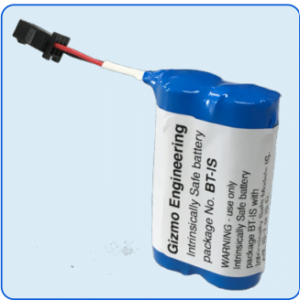

Powering equipment in hazardous locations requires more than just a standard battery; it demands a certified power source engineered to prevent ignition in explosive atmospheres. Intrinsically safe and explosion-proof batteries are designed with specific safety circuits, construction, and energy-limiting characteristics to ensure they cannot produce a spark or heat capable of igniting flammable gases, vapors, or dust. Whether your operation falls under ATEX, IECEx, or North American Class/Division standards, using a certified battery is a non-negotiable aspect of workplace safety and regulatory compliance.
Our selection covers a comprehensive range of chemistries and form factors to meet the demands of various certified devices. From high-energy-density primary lithium batteries for long-deployment sensors to robust rechargeable NiMH battery packs for daily-use instruments like gas detectors and two-way radios, we provide reliable, certified power solutions that maintain the integrity of your equipment’s safety rating.
Selecting the correct battery is critical for both safety and operational reliability. An incorrect choice can void your equipment’s certification and create a significant safety risk. To ensure you make a compliant choice, consider the following key factors:
Certified batteries are the unseen power behind critical operations across numerous industries where safety is paramount. Their specialized design makes them essential for a wide array of portable and remote equipment, including:
At Intrinsically Safe Store, we understand the critical importance of using correct, fully certified components in hazardous environments. Our commitment goes beyond simply selling products; we provide confidence and peace of mind. We source our batteries exclusively from reputable manufacturers who adhere to the strictest global safety standards. Our team of experts possesses deep knowledge of hazardous area classifications and can guide you through the complexities of ATEX, IECEx, and Class/Div requirements to ensure you select the precise battery for your application and equipment. With complete traceability and a focus on compliance, we are your trusted partner in maintaining the highest levels of operational safety.
An intrinsically safe or explosion-proof battery is designed and constructed to prevent it from causing an explosion in a hazardous environment. This is achieved through energy-limiting circuits that prevent sparks, temperature control to avoid hot spots, and often robust, sealed enclosures. These batteries undergo rigorous testing and certification by third-party bodies to standards like ATEX, IECEx, and UL to verify their safety.
An ATEX certified battery is a battery that has been approved for use in potentially explosive atmospheres within the European Union, according to the ATEX Directive. The certification includes specific markings that detail the level of protection and the zones (e.g., Zone 0, 1, or 2) in which it is safe to operate, ensuring it meets stringent EU safety requirements for hazardous locations.
Yes, lithium batteries can be safe for hazardous locations, provided they are specifically designed, tested, and certified for that purpose. Certified intrinsically safe lithium batteries incorporate advanced safety features like protection circuits and thermal fuses to manage their high energy density safely. You must only use lithium batteries that carry the appropriate hazardous area certification (e.g., ATEX, IECEx) for your specific environment.
The primary difference lies in their design and certification. An intrinsically safe battery contains internal protective circuitry to limit the voltage and current to levels below what is needed to ignite a specific hazardous atmosphere. Standard batteries lack these safety circuits and can easily produce sparks or heat sufficient to cause an explosion, making them unsafe for use in classified hazardous areas.
The safest and most reliable method is to consult the equipment’s original user manual, certification documents, or the manufacturer’s control drawing. These documents will list the specific part numbers of all approved batteries. Using a non-approved battery will void the equipment’s intrinsic safety certification and compromise safety. If you are unsure, our expert team can help you identify the correct, compliant battery for your certified device.