
























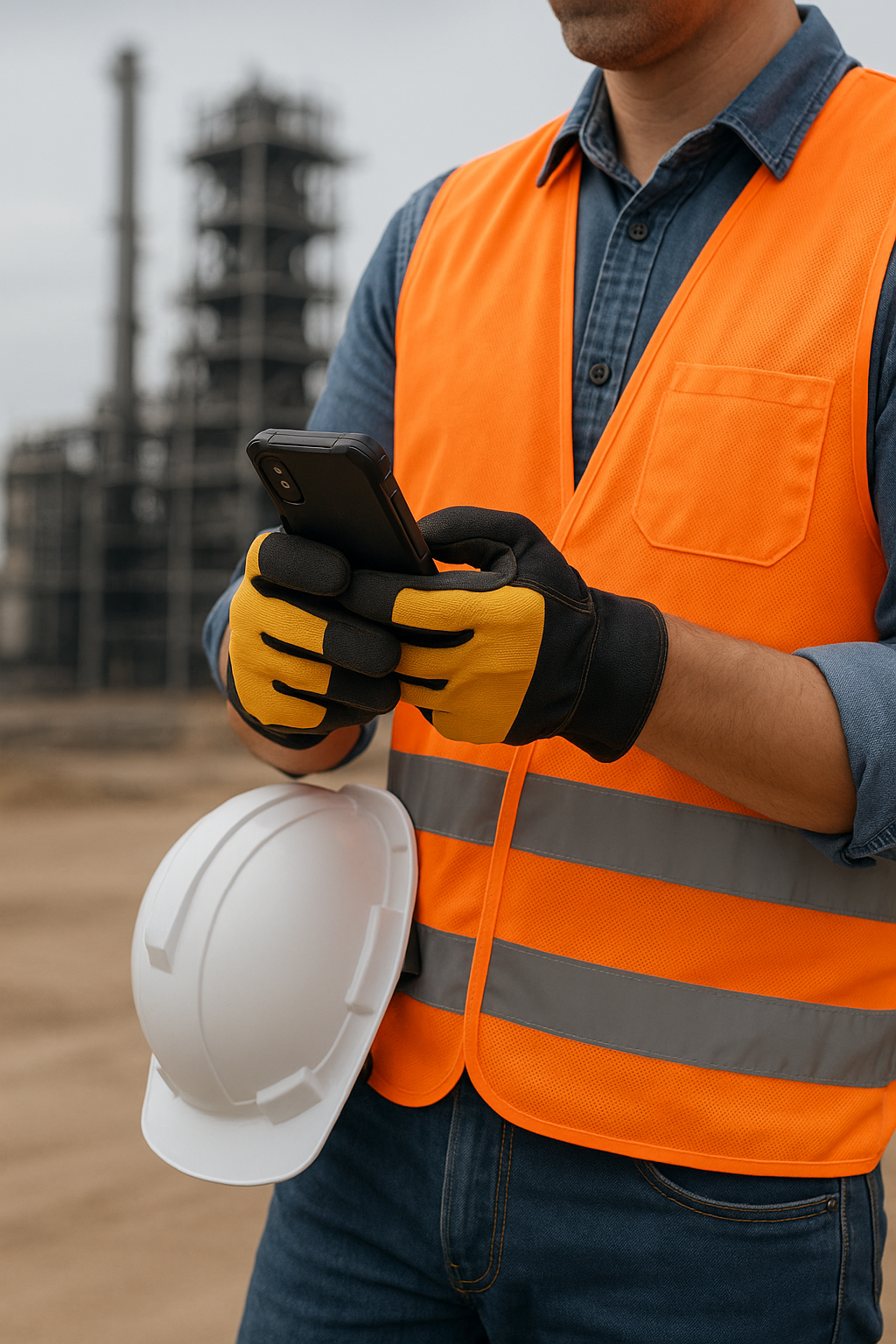
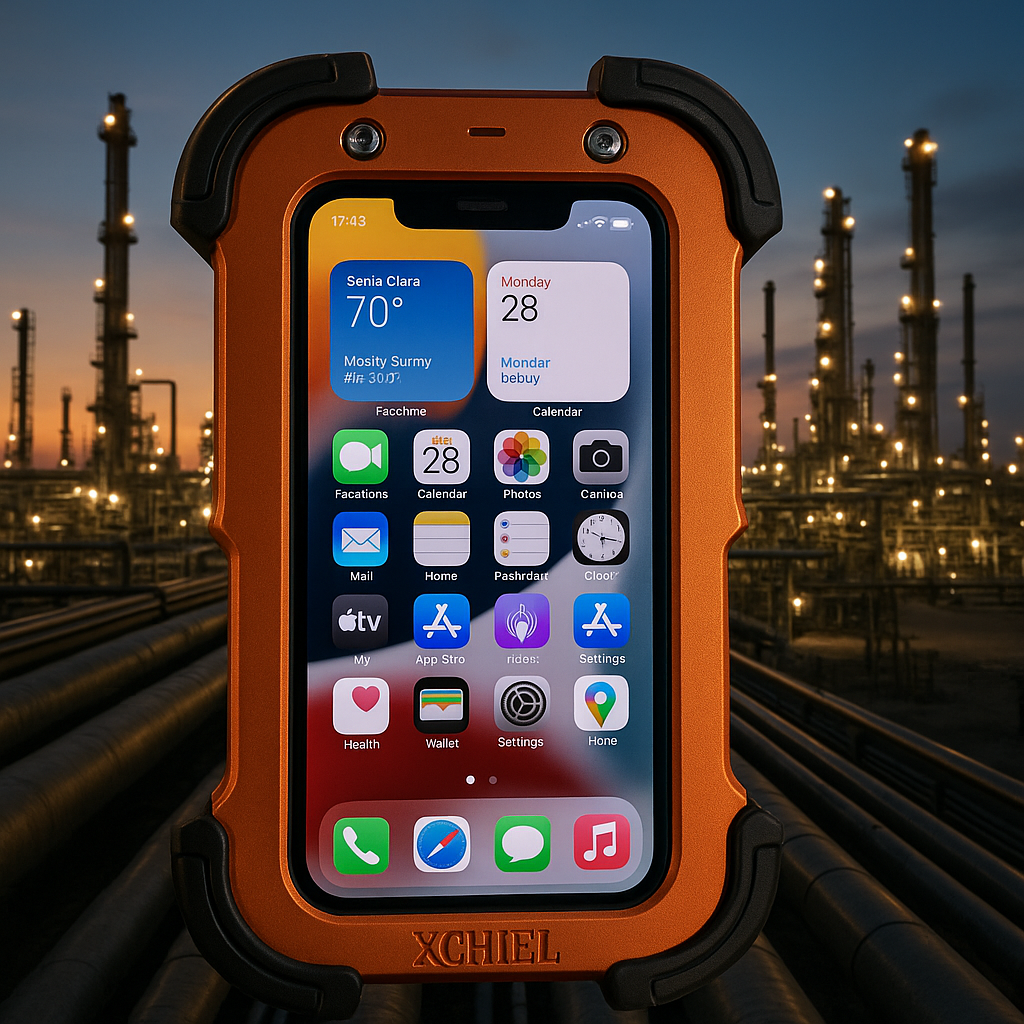
In environments where flammable gases, vapors, or dusts are present, the use of standard smartphones like iPhones can pose a serious safety hazard. This is particularly true in industries such as oil and gas, chemical processing, and mining. While iPhones are engineered for durability and smart performance, they are not inherently designed for use in hazardous or explosive environments.
Enter the intrinsically safe iPhone case—a certified, rugged enclosure that transforms your regular iPhone into a safe tool for use in volatile conditions. These specially engineered cases adhere to strict safety standards, including ATEX and IECEx certifications, ensuring your device won’t spark, overheat, or become an ignition source.
In this comprehensive guide, we explore how intrinsically safe iPhone cases work, why they’re critical for industrial safety, and which certified models you should consider.
What is an Intrinsically Safe iPhone?
An intrinsically safe iPhone is not a modified smartphone, but rather a standard iPhone enclosed in a rugged, certified case that prevents it from igniting flammable substances in hazardous areas. The case is designed to control the energy output of the device—thermal, electrical, or mechanical—to levels below what could cause ignition.
These cases are critical in zones where explosive gas atmospheres are likely to occur and are often required for regulatory compliance. They’re built with materials that withstand extreme temperatures, shocks, and corrosive elements, while maintaining full phone functionality.

Why Do Hazardous Environments Require Intrinsically Safe iPhone Cases?
Many industrial sectors operate in environments classified as hazardous zones or explosive atmospheres. These classifications, such as ATEX Zone 1 or Class I Division 2, indicate a high likelihood of flammable gas or dust being present.
In these settings, any spark or high surface temperature can result in a catastrophic explosion. Smartphones can generate enough energy to trigger such events, especially during charging, app usage, or device malfunctions. Here’s why using an intrinsically safe iPhone case is essential:
Explosion Prevention: Certified cases limit energy release and block physical access to electrical components that might spark.
Regulatory Compliance: Using certified gear helps meet workplace safety mandates such as ATEX, IECEx, or NEC 500.
Uninterrupted Communication: Workers can safely use phones for voice, data, and emergency response in explosive zones.
Device Durability: These cases offer enhanced drop protection, weather sealing, and chemical resistance.
What Certifications Should You Look For?
Not all rugged iPhone cases are created equal. Only specific certifications ensure safety in explosive atmospheres. Here are the most important ones:
ATEX Certification
The ATEX Directive (2014/34/EU) governs equipment intended for use in explosive atmospheres in the European Union. There are two zones:
Zone 1: Likely presence of explosive gas.
Zone 2: Less frequent exposure to explosive gases.
ATEX-certified cases for iPhones indicate suitability for use in such zones without causing ignition.
IECEx Certification
The IECEx system provides a global standard for equipment used in explosive environments, accepted in many non-EU countries. It ensures consistent safety testing and documentation across borders.
Class I Division 2 (C1D2)
This North American standard (from NEC and NFPA) is used for environments where flammable gases are handled under abnormal conditions, like leaks or maintenance. It is frequently required in petrochemical and utility industries in the U.S. and Canada.
How Do Intrinsically Safe iPhone Cases Work?
These protective cases work by limiting the energy—both electrical and thermal—that a phone can release. Here’s how:
1. Energy Limitation
By incorporating resistors, temperature controls, and circuit protection, the case ensures that the internal electronics of the iPhone remain below ignition thresholds.
2. Sealed Enclosure
Most certified cases are completely sealed to prevent the ingress of explosive gases, dust, and moisture. This helps contain any malfunction internally.
3. Shock and Pressure Resistance
Cases are built to survive harsh mechanical impacts and resist high-pressure jets or chemical sprays, ensuring ongoing protection in challenging environments.
4. Functional Access
Despite their rugged build, these cases preserve the full usability of the iPhone—camera, touchscreen, Wi-Fi, and Bluetooth remain operational, enabling field data capture, video calls, and mobile apps.
What Are the Top Intrinsically Safe iPhone Cases?
Let’s compare some of the best intrinsically safe iPhone cases available today. All products listed below are certified and tested for safe use in explosive areas.
Product Comparison Table
| Model | Certifications | Features | Compatible Models | Best Use Case |
|---|---|---|---|---|
| XCIEL XCiPhone 14 | ATEX Zone 2, C1D2 | Sealed, rugged, lightweight | iPhone 14 | Oil & Gas, Chemical Plants |
| XCIEL XCZ1 iPhone 12/12 Pro | ATEX Zone 1, IECEx | Shockproof, reinforced aluminum frame | iPhone 12, 12 Pro | Underground Mining, Refineries |
| aXtion Extreme iPhone 12 Case | ATEX Zone 2, C1D2 | Weatherproof, MIL-STD-810H certified | iPhone 12 | Utilities, Food Processing Plants |
| i.Safe MOBILE iPhone 11 Case | ATEX Zone 2, C1D2 | Compact design, thermal control features | iPhone 11 | Field Engineering, Environmental Labs |
| Bartec Pixavi iPhone Case | IECEx, ATEX Zone 2 | Advanced materials, drop-rated to 2m | iPhone 13, iPhone XR | Process Automation, Oil Rigs |
Best Choice by Industry
Oil & Gas: XCIEL XCiPhone 14—robust and certified for common use zones.
Mining: XCIEL XCZ1 iPhone 12/Pro—zone 1 certified with reinforced construction.
Utilities: aXtion Extreme—resilient under temperature swings and mechanical shocks.
Environmental Services: i.Safe MOBILE case—compact, rugged, with thermal protections.
Frequently Asked Questions (FAQs)
Can I use a regular iPhone in a hazardous area?
No. Standard iPhones are not designed for hazardous zones. Using one without certification can cause sparks or overheating, posing an ignition risk.
Do intrinsically safe iPhone cases affect phone functionality?
While they may add some bulk, certified cases are engineered to allow normal operation, including touchscreen, camera, audio, and connectivity features.
Are these cases specific to iPhone models?
Yes. Each intrinsically safe case is designed for a particular iPhone model to ensure proper fit and certification. Always confirm compatibility before purchase.
Are these cases waterproof?
Most intrinsically safe cases are sealed to resist moisture, dust, and chemical exposure. Many also meet IP ratings such as IP65 or higher.
How do I know if a case is truly certified?
Look for official documentation from certification bodies like ATEX, IECEx, or UL. Certification numbers should be visible on the product or included in the packaging.
Industry Statistics: Why Intrinsic Safety Matters
Let’s look at the numbers backing the importance of intrinsic safety:
| Metric | Data Source | Value |
|---|---|---|
| Annual industrial explosions in the U.S. | U.S. Chemical Safety Board | 250+ incidents |
| Percent of these caused by electrical devices | NFPA / OSHA Reports | ~22% |
| Average cost of an industrial explosion | Marsh Risk Consulting | $1.1M to $12M+ |
| OSHA fines for non-compliant safety practices | OSHA Annual Review | Up to $145,000 per violation |
Properly certified equipment, including smartphones and tablets, is a core part of compliance and injury prevention strategies.
Conclusion
The modern industrial workplace relies heavily on mobile communication and digital documentation—even in explosive or hazardous areas. However, these environments demand more than just durability; they require intrinsic safety.
Intrinsically safe iPhone cases bridge the gap between smart technology and industrial safety. By using certified solutions tailored to your iPhone model and work environment, you ensure operational continuity without compromising safety protocols.
Whether you’re working on an oil rig, in a chemical plant, or within a utility inspection team, investing in a certified intrinsically safe iPhone case is both a safety and productivity decision.
