



























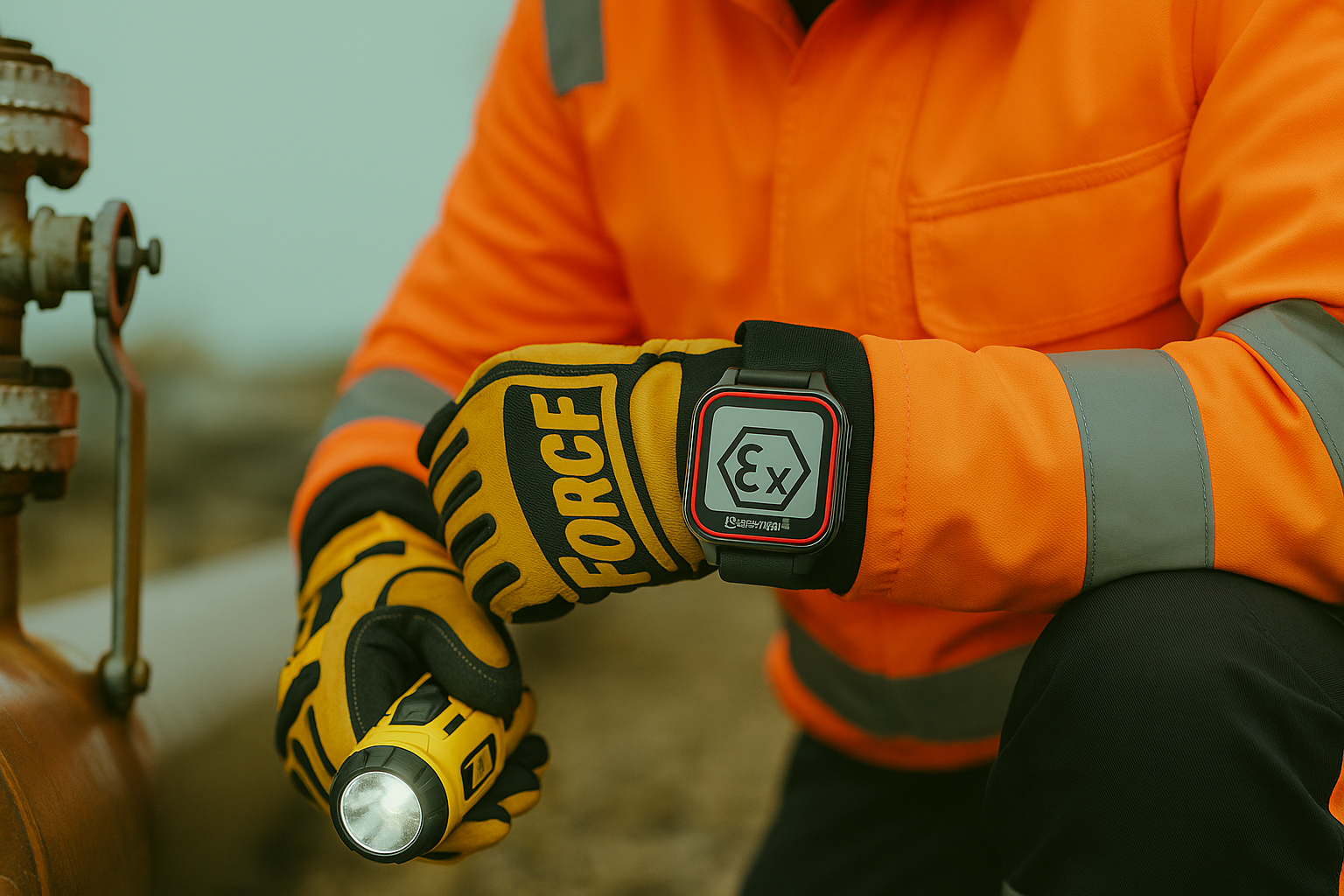
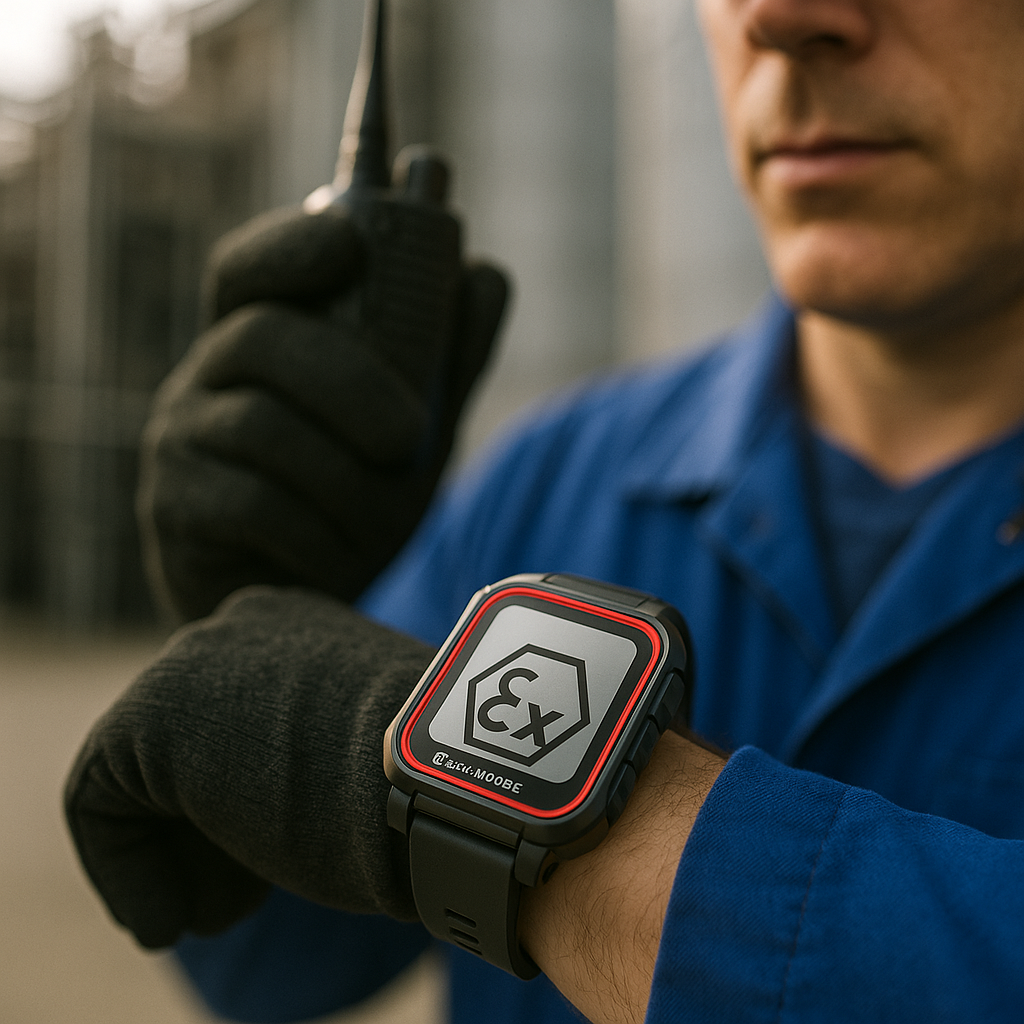
Hazardous industries such as oil and gas, petrochemicals, and mining have long relied on two-way radios and rugged mobile devices for field communication. But as technology evolves, a new device is stepping into the spotlight: the intrinsically safe smartwatch. These wearables are revolutionizing real-time communication, safety monitoring, and productivity in explosive-prone environments.
Certified for use in ATEX Zone 1/21 and Zone 2/22 areas, intrinsically safe smartwatches are not just tools for telling time—they are safety companions, emergency responders, and remote collaboration hubs all on your wrist. In this article, we’ll explore why these wearables are changing the game in hazardous locations, how they work, and which models are leading the industry.
What Is an Intrinsically Safe Smartwatch?
An intrinsically safe smartwatch is a rugged, explosion-proof wearable device designed for use in environments where flammable gases, vapors, or dust may be present. These devices are engineered to limit electrical and thermal energy—eliminating the risk of ignition under fault conditions.
Certifications You Should Expect:
ATEX (European Union): Zone 1, Zone 2
IECEx (International): For global compliance
Class I, Division 1 or 2 (North America): Optional but often included
These certifications make intrinsically safe smartwatches suitable for oil refineries, offshore rigs, chemical plants, and grain storage facilities.

How Do Intrinsically Safe Smartwatches Work?
Unlike standard smartwatches, intrinsically safe models are built with specialized circuits, casings, and temperature regulation. They limit voltage and current to prevent sparks, and use non-sparking materials and encapsulation techniques. Most models include:
Push-to-Talk (PTT) over LTE or Wi-Fi
Real-time GPS location tracking
Man-down detection and SOS alerts
Integration with industrial safety apps
Ruggedized design with water and dust resistance
They enable hands-free, always-on communication that complies with safety standards—an essential feature in environments where seconds matter.
Why Are Intrinsically Safe Smartwatches Critical for Field Teams?
1. Hands-Free Safety Communication
Workers in high-risk areas can’t always handle radios or phones. With voice-activated PTT and wrist-mounted alerts, smartwatches allow seamless communication—even while climbing ladders or wearing PPE.
2. Emergency Alert Capabilities
Features like man-down detection, SOS buttons, and geofencing help locate workers and alert supervisors instantly when something goes wrong.
3. Improved Productivity Through Digital Workflows
From receiving maintenance orders to updating field reports, intrinsically safe smartwatches streamline field operations—minimizing time spent on paperwork and maximizing uptime.
4. Real-Time Monitoring & Location Tracking
Supervisors can monitor movement, confirm safe zones, and track worker health stats in real time—ensuring compliance and boosting situational awareness.
Comparison Table: Best Intrinsically Safe Smartwatches (2025)
Below are top intrinsically safe smartwatch models available at the Intrinsically Safe Store Explosion-Proof Watch Category:
| Product | Certifications | Key Features | Use Case | Battery |
|---|---|---|---|---|
| i.safe MOBILE IS-SW1.1 | ATEX Zone 1/21, IECEx, CSA | SOS, PTT, GPS, BLE 5.0, fitness tracking | Oil & Gas, Chemical Plants | Up to 10 Days |
| Ecom Smart-Ex Watch 01 | ATEX Zone 2/22, IECEx | Integrated with Android/iOS, messaging, alerts | Maintenance, Inspection | Up to 7 Days |
| Bartec PIXAVI Watch | ATEX Zone 1, IECEx | Fall detection, LTE, remote monitoring | Emergency Services | Up to 10 Days |
Best for Each Industry:
Oil & Gas: IS-SW1.1 for full Zone 1/21 coverage and PTT
Utilities & Inspections: Ecom Smart-Ex Watch for simple compliance
Emergency Response: PIXAVI Watch for advanced LTE and monitoring
FAQs About Intrinsically Safe Smartwatches
What environments require an intrinsically safe smartwatch?
Any workplace with potential exposure to flammable gases, vapors, dust, or fibers—such as oil rigs, refineries, mines, and grain silos—should use ATEX-certified smartwatches to comply with safety regulations and reduce explosion risks.
Are intrinsically safe smartwatches waterproof and rugged?
Yes. Most models are IP68-rated, ensuring they are waterproof and dustproof. They are also designed to withstand extreme temperatures, vibration, and shock.
Can intrinsically safe smartwatches replace radios?
In many use cases, yes. With Push-to-Talk, LTE/Wi-Fi support, and long battery life, these devices are lighter and more versatile than traditional two-way radios.
How do they improve safety for lone workers?
Smartwatches with man-down alerts, GPS tracking, and SOS functions ensure quick response times in case of accidents—especially for workers operating in remote or isolated areas.
Are there recurring costs or subscriptions?
Some features like LTE or Zello-based PTT require data plans or app licenses. Others function entirely on internal Wi-Fi networks. Always confirm the tech spec with the supplier.
How Smartwatches Are Transforming Safety Metrics
According to data from Deloitte, McKinsey, and the National Safety Council, companies adopting wearable safety tech like intrinsically safe smartwatches have reported:
25–30% reduction in response time to worker emergencies
19% decrease in lone worker incidents
22% increase in compliance accuracy
33% faster incident reporting
Summary Table of Industry Impact
| Metric | Improvement | Source |
|---|---|---|
| Emergency Response Time | ↓ 30% | Deloitte IoT Safety Study |
| Lone Worker Incidents | ↓ 19% | McKinsey Safety Tech Review |
| Audit & Compliance | ↑ 22% | National Safety Council |
| Incident Logging Speed | ↑ 33% | IOGP Wearables Pilot |
Smartwatches aren’t just wearable tech—they’re proactive safety systems.
Integration with Field Management Platforms
Many intrinsically safe smartwatches now support integration with:
Zello (PTT)
Microsoft Teams
Procore, SAP, and other ERP systems
Work order and inspection apps
SCADA platforms
This means smarter, faster workflows and seamless communication between field workers and command centers.
Key Considerations Before You Buy
1. Certification
Ensure your work zone (Zone 1/2 or Class I Div 1/2) matches the certification level of the smartwatch.
2. Connectivity Needs
Determine whether you need Wi-Fi, LTE, or Bluetooth-only functionality.
3. Battery & Power Management
Look for hot-swappable batteries or long runtime (7–10 days), especially for multi-shift operations.
4. User Interface & App Support
Make sure the device supports relevant apps, can be updated easily, and is user-friendly under field conditions (gloves, dirty environments, etc.).
Conclusion: Are Intrinsically Safe Smartwatches Worth It?
If your team operates in a hazardous environment where safety and uptime are mission-critical, investing in an intrinsically safe smartwatch is not just smart—it’s essential.
These wearables bridge the gap between safety compliance and operational efficiency, enabling better communication, faster response times, and real-time awareness—all from the wrist of your frontline team.
