


























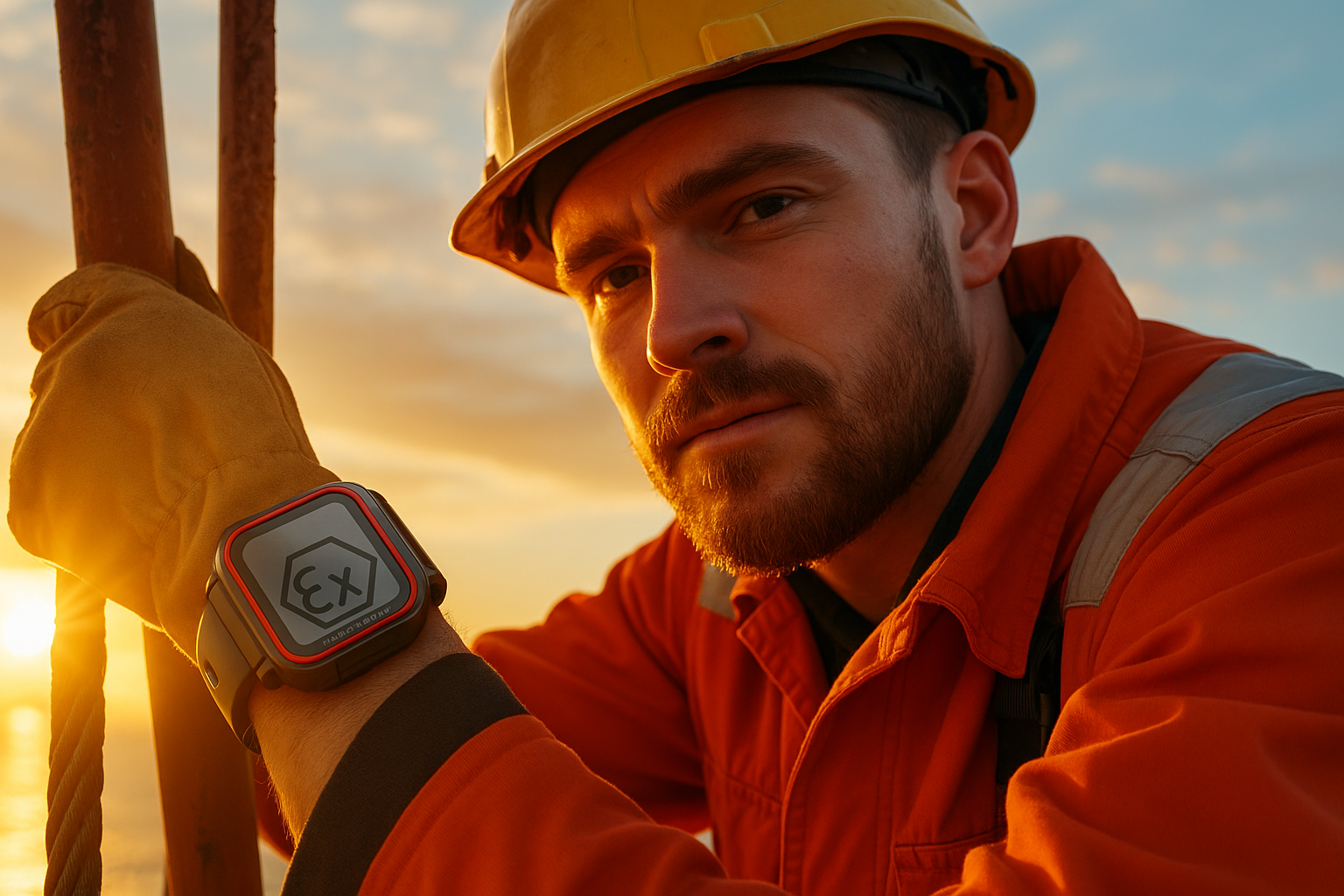
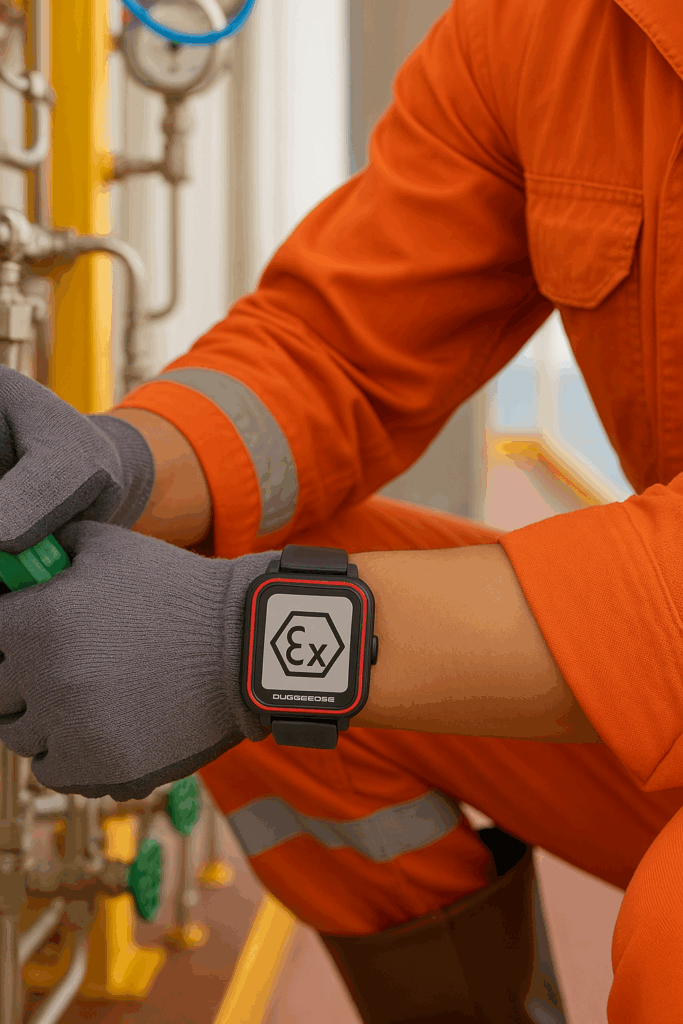
Industrial safety is entering a new era — one where wearable technology is doing more than just tracking time or fitness. Among these innovations, the intrinsically safe smart watch is emerging as a vital piece of equipment for field workers operating in hazardous environments. From chemical plants and oil rigs to confined mining spaces, smartwatches designed for hazardous zones are transforming the way teams stay safe, connected, and compliant.
What Is an Intrinsically Safe Smart Watch?
An intrinsically safe smart watch is a wearable device engineered to be safe for use in explosive or flammable environments. These smartwatches meet strict safety certifications such as ATEX Zone 1, Class I Division 1, and IECEx, which prevent them from igniting hazardous gases, vapors, or dust.
Unlike commercial smartwatches, these devices are rugged, explosion-proof, and often equipped with real-time monitoring and emergency response features. They are purpose-built for industries like:
Oil & Gas
Chemical Manufacturing
Mining
Pharmaceutical Production
Utilities & Energy

Why Are Smartwatches Becoming Essential in Hazardous Work Environments?
Smartwatches are reshaping field safety by providing hands-free access to vital data, instant alerts, and continuous monitoring. This reduces response time during emergencies and supports compliance efforts.
Key benefits include:
Real-time health and safety monitoring
Biometric tracking (heart rate, oxygen levels)
Lone worker protection and man-down alerts
Seamless communication with control centers
Integration with IoT devices and cloud platforms
How Does an Intrinsically Safe Smart Watch Work?
An intrinsically safe smart watch operates by limiting its electrical and thermal output to safe levels. This ensures it will not act as an ignition source in flammable environments. The technology inside includes:
Isolated circuitry to prevent sparks
Reinforced casings made from anti-static materials
Low-energy wireless connectivity such as Bluetooth Low Energy (BLE) and Wi-Fi 6E
Biometric sensors for real-time health tracking
GPS & IoT modules for location and data syncing
These features allow the device to operate securely in ATEX Zone 1 and Class I Division 1 environments.
Learn more about How ATEX Certification Works and why it matters for your safety equipment.
What Certifications Should You Look for?
When evaluating intrinsically safe wearables, certifications are non-negotiable. The most critical ones include:
| Certification | Region | Use Case | Description |
|---|---|---|---|
| ATEX Zone 1 | EU | Explosive gas zones | Ensures the device is safe for areas where flammable gases are likely present. |
| Class I Div 1 | USA/Canada | Oil & gas, mining | Certifies safety in environments where explosive substances are present under normal operation. |
| IECEx | Global | All industries | International standard equivalent to ATEX and UL. |
Always verify certification markings directly on the product or its technical datasheet.
What Are the Top Features of Intrinsically Safe Smart Watches?
1. Biometric Tracking
Measure vital signs such as heart rate, skin temperature, blood oxygen, and fatigue levels. This is critical for early detection of heat stress or health anomalies.
2. Lone Worker Safety & Emergency Alerts
Advanced sensors detect falls, immobility, or panic triggers and instantly alert supervisors or dispatch emergency services.
3. Real-Time GPS & Location Tracking
This helps supervisors locate team members during emergencies or evacuations, even in complex or multi-level facilities.
4. Two-Way Communication
Integrated mic and speaker or vibration alerts allow silent or hands-free communication in loud or hazardous zones.
5. Edge & Cloud Integration
Data can be synced with industrial IoT hubs for dashboard visualization, analytics, and compliance reporting.
How Does the RuggedEdge EdgeOne IoT Hub & EdgeWatch Improve Worker Safety?
The RuggedEdge EdgeOne IoT Hub & EdgeWatch is a standout solution. This Class I Division 1 and ATEX Zone 1certified wearable system offers:
5G & Wi-Fi 6E connectivity
Biometric health tracking
Edge computing for faster data processing
Emergency alerts & man-down detection
Integration with smart helmets, vests, and IoT platforms
| Feature | EdgeWatch Smartwatch | EdgeOne IoT Hub |
|---|---|---|
| Certifications | Class I Div 1, ATEX Zone 1 | Class I Div 1, ATEX Zone 1 |
| Connectivity | Bluetooth, Wi-Fi | Wi-Fi 6E, 5G |
| Biometric Sensors | Yes | Supports integration |
| Man Down Alerts | Yes | Yes |
| Use Case | Wearable monitoring | Data aggregation & transmission |
Best Choice for:
Emergency response coordination
Remote and lone worker tracking
Real-time compliance reporting
Who Should Use an Intrinsically Safe Smart Watch?
These devices are ideal for any worker operating in explosive or flammable environments. Specific industries and roles include:
Oil rig operators
Chemical plant technicians
Mining supervisors and engineers
Pharmaceutical line workers
Field inspectors in energy or utilities
If you work in oil rigs, chemical plants, or mining operations, browse our Safety Gear for Hazardous Zones today.
What Are the Industry Trends for Wearable Safety Devices?
According to MarketsandMarkets, the global market for industrial wearable devices is projected to reach $8.4 billion by 2028, growing at a CAGR of 19.8% from 2023. Key drivers include:
Increasing regulatory pressure for worker safety
Rising investments in IIoT (Industrial Internet of Things)
Growing adoption in oil & gas and manufacturing sectors
Demand for predictive health analytics
Current adoption rate by industry (2025):
| Industry | Adoption Rate |
|---|---|
| Oil & Gas | 63% |
| Chemicals | 55% |
| Mining | 48% |
| Utilities | 41% |
| Pharmaceuticals | 39% |
How Do These Devices Compare to Traditional PPE?
| Feature | Intrinsically Safe Smart Watch | Traditional PPE |
|---|---|---|
| Real-time Alerts | Yes | No |
| Health Monitoring | Yes | No |
| Location Tracking | Yes | No |
| Certification | ATEX, IECEx | Depends on item |
| Hands-Free Communication | Yes | No |
| Data Analytics | Yes | No |
Conclusion: Smart wearables don’t replace PPE — they enhance it with proactive safety features that help prevent accidents before they happen.
How to Choose the Right Intrinsically Safe Smart Watch?
When selecting a smart watch for hazardous environments, consider the following:
Certifications (ATEX Zone 1, Class I Div 1)
Connectivity (Wi-Fi 6E, Bluetooth LE, 5G)
Battery life for long shifts
Durability (shockproof, dustproof, waterproof)
Emergency & biometric features
Compatibility with existing systems or IoT hubs
If you’re unsure where to start, the EdgeWatch from RuggedEdge is an excellent first step — especially when bundled with the EdgeOne Hub for broader safety coverage.
Are Intrinsically Safe Smart Watches Worth the Investment?
Absolutely. When you factor in the cost of downtime, injury, or non-compliance, smart wearables pay for themselves many times over. Their ability to monitor, alert, and integrate with safety protocols not only saves lives but also helps companies avoid fines, legal action, and reputational damage.
Get expert advice on choosing the right smartwatch for your operations.
Contact Our Safety Specialists
Conclusion: The Future of Field Safety Is on Your Wrist
Intrinsically safe smart watches like the EdgeWatch are redefining how industrial teams approach safety, health monitoring, and communication. Designed for the most hazardous zones, these devices offer a proactive, data-driven approach to worker protection — right from the wrist.
If you’re operating in explosive environments, don’t rely solely on traditional PPE. Add smart, certified wearable technology to your safety arsenal today.
