

























Reliable communication can be the difference between safety and disaster in hazardous environments. In Class I Division 1 and Class I Division 2 areas—where explosive gases or vapors may be present—teams depend on communication devices that prevent ignition. This is where intrinsically safe radios come in. Whether in oil and gas, chemical production, mining, or confined-space operations, an Iintrinsically safe walkie talkie ensures workers stay connected without introducing a spark or heat source.
This 2025 guide compares the top IS walkie talkies, explores C1D1/C1D2 certification requirements, covers pricing, range, and explains how to select the right radio for hazardous operations.
What Is an Intrinsically Safe Walkie Talkie?
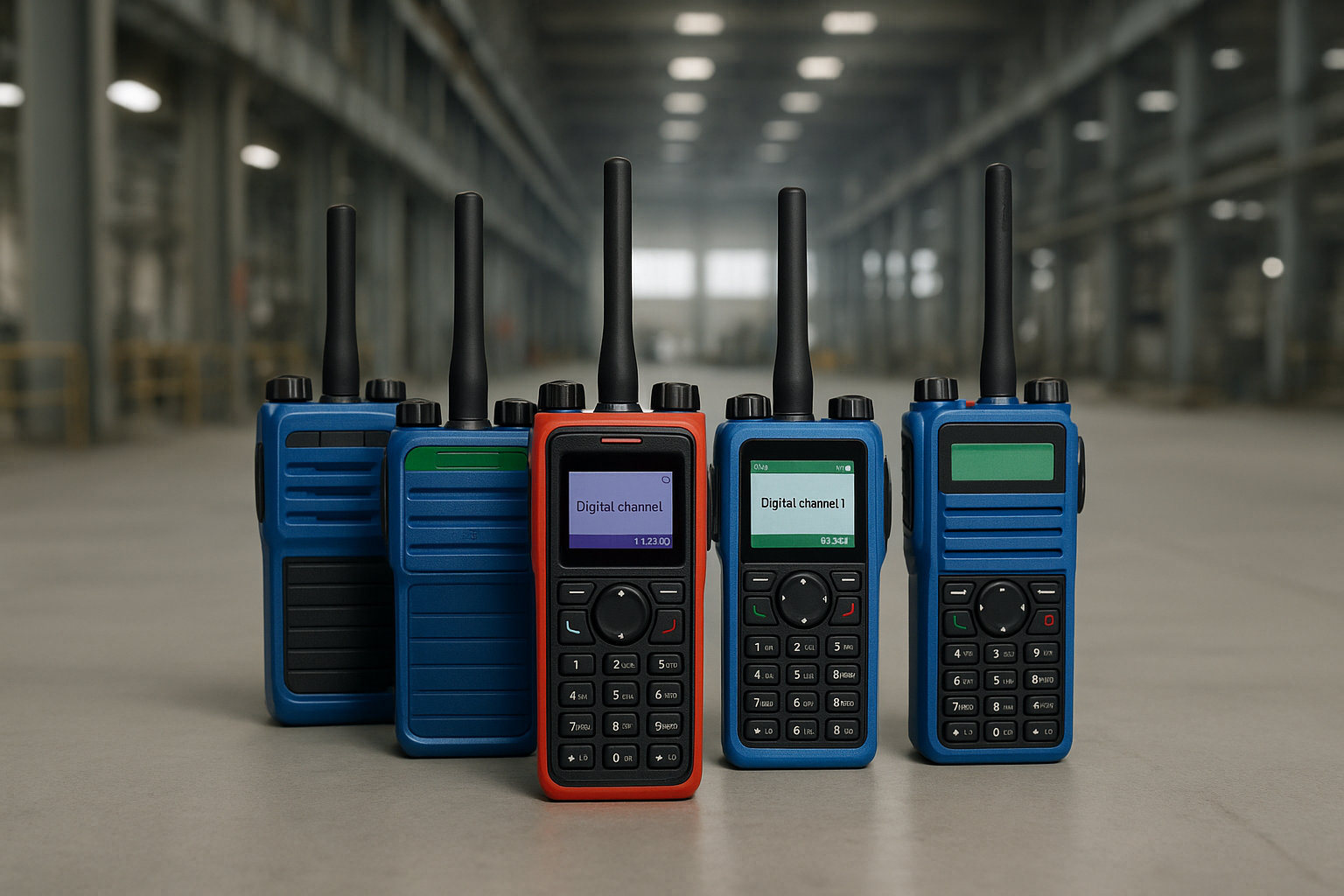
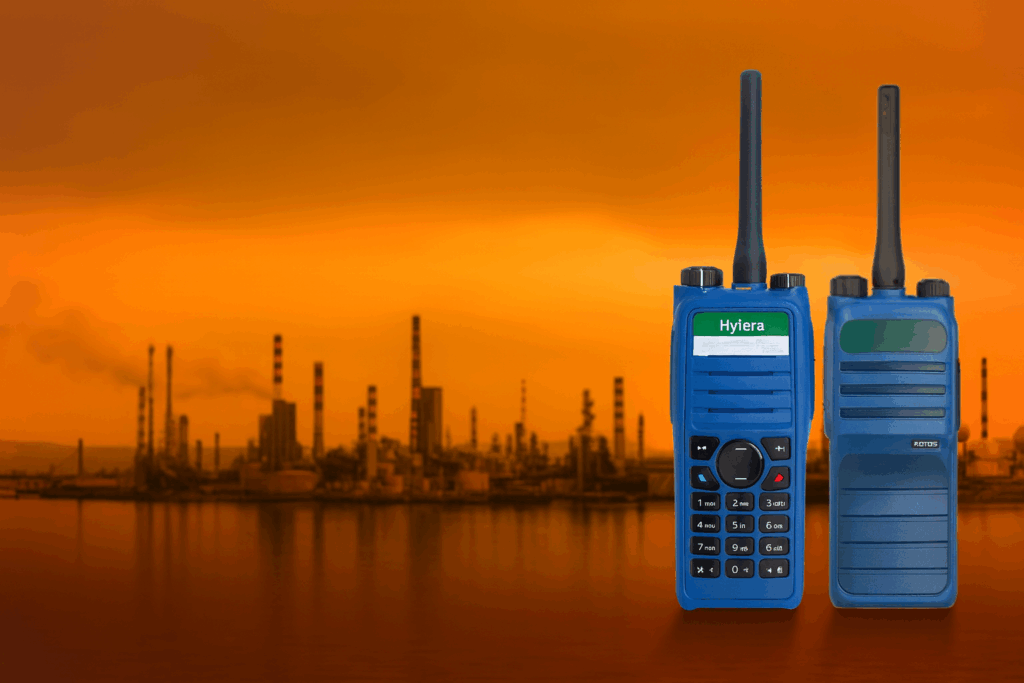
An intrinsically safe walkie talkie is a two-way radio engineered to operate in explosive atmospheres without generating heat or sparks that could ignite flammable gases or vapors. These radios meet safety standards such as C1D1, C1D2, ATEX, and IECEx.
They incorporate sealed housings, current-limiting circuits, reinforced internal separation, anti-static materials, and explosion-tested battery systems to ensure safe operation.

New to hazardous-area certifications? Strengthen your IS radio selection with these guides:
What Is Class 1 Div 1? ATEX Certification ExplainedWhy Are Intrinsically Safe Radios Required for C1D1/C1D2 Sites?
C1D1 and C1D2 areas present explosion risks during normal or abnormal operations. Radios produce RF energy, which can trigger ignition if not properly controlled. Non-IS radios are unsafe and non-compliant with OSHA, NEC, and NFPA codes.
IS radios provide:
Safe operation during gas releases
Continuous communication during shutdowns
Compliance with NEC 500 requirements
Prevention of ignition from internal electrical components
These devices are essential for wellheads, drilling rigs, chemical storage areas, reactor zones, and loading racks.
What Is the Cost of an Intrinsically Safe Walkie Talkie?
The Iintrinsically safe walkie talkie typically costs $650 to $1,800, depending on certification, technology, and features.
Typical Price Ranges
Entry-Level (C1D2): $650–$900
Durable, long-battery radios for low-risk flammable environments.
Mid-Range (C1D1/C1D2): $900–$1,300
Digital/analog capability, noise suppression, advanced safety features.
Premium (High-End C1D1): $1,300–$1,800
Bluetooth, GPS, extended range, reinforced housings, high-capacity certified IS batteries.
Compare certified C1D1 / C1D2 intrinsically safe radios for your facility:
Shop Intrinsically Safe Walkie Talkies Explore C1D1/C1D2 RadiosWhat Factors Influence the Price of IS Radios?
Key Cost Drivers
1. Certification Level
C1D1 radios demand stricter energy-limiting designs.
C1D2 radios are more flexible → lower cost.
2. Technology: Analog vs. Digital
Digital radios offer clearer audio, better battery life, encryption, and extended range.
3. Battery Certification
IS batteries require the same certification as the radio → increased cost.
4. Housing Materials
Explosion-tested housings, reinforced plastics, and sealed gaskets affect pricing.
5. Added Features
Bluetooth, GPS, man-down alerts, text messaging, and WiFi connectivity increase price.
Top Intrinsically Safe Walkie Talkies for 2025
Below is a comparison of the top models available at Intrinsically Safe Store.
2025 Best IS Radios Comparison Table
| Model | Certification | Range | Key Features | Best For | Product Type |
|---|---|---|---|---|---|
| Motorola XPR 7550 IS | C1D1 | Long | GPS, Bluetooth, rugged build | Oil & gas | Digital |
| Motorola XPR 7580e IS | C1D1 | Extended | WiFi, advanced audio | Petrochem & refining | Digital |
| Motorola CP100d IS | C1D2 | Medium | Simple UI, long battery | Manufacturing, utilities | Digital/Analog |
| Hytera PD792i UL913 | C1D1 | Long | Digital/analog, GPS | Chemical plants | Digital |
| i.safe MOBILE IS-M1 | C1D1/Zone 1 | Medium | Rugged, Android integration | Global ATEX sites | Digital |
Build a complete hazardous-area communication & safety system:
Add Intrinsically Safe Gas Detectors Hazardous-Area Fixed Lighting Explosion-Proof AlarmsBest Choice by Industry
Oil & Gas / Drilling
Motorola XPR 7550 IS
Refining / Petrochemical
Motorola XPR 7580e IS
Manufacturing / Utilities
Motorola CP100d C1D2
Chemical Plants / Tank Farms
Hytera PD792i
Global ATEX/IECEx Sites
i.safe MOBILE IS-M1
What Is the Typical Range of IS Walkie Talkies?
Range depends on terrain, structures, and frequency band.
Real-World Range Examples
Indoor industrial sites: 0.5–1.5 miles
Refineries, tank farms, and processing units block signal paths.
Outdoor oilfields / terminals: 1–3 miles
Medium obstruction, moderate range.
Open terrain / line-of-sight: 3–5+ miles
Ideal conditions maximize range, especially with digital radios.
Do Intrinsically Safe Radios Support Bluetooth?
Yes—only if both the radio and accessory are intrinsically safe certified.
Radios like the Motorola XPR 7550 IS support IS-rated Bluetooth headsets, allowing hands-free operation during maintenance or confined-space entry.
C1D1 vs. C1D2: How Does Certification Affect Your Radio Choice?
C1D1
Explosive gases present during normal operation
Strictest engineering requirements
IS batteries mandatory
Required for drilling, chemical reactors, tank farms
C1D2
Explosive gases present only during abnormal conditions
Approved for lighter industrial environments
More cost-effective
If uncertain, choose C1D1—it covers both classifications.
How to Choose the Right Intrinsically Safe Radio
Choosing the best Iintrinsically safe walkie talkie depends on certification, features, range, and durability.
Selection Checklist
Required hazardous-class rating (C1D1/C1D2)
Digital vs. analog communication needs
Audio performance in high-noise areas
Battery capacity & IS approval
Required range
Compatibility with existing site radios
Extra features: GPS, man-down, Bluetooth
Industry Benchmarks: IS Radio Adoption
Across hazardous industries:
84% of facilities use intrinsically safe radios
63% have upgraded to digital IS models since 2022
42% improved emergency response times after upgrading
51% standardized to C1D1-certified radios
Benchmark Summary
| Metric | Value |
|---|---|
| IS radio adoption | 84% |
| Digital radio upgrades | 63% |
| Faster emergency response | 42% |
| Sites standardizing to C1D1 | 51% |
Intrinsically Safe Accessories
Accessories must be IS certified to maintain compliance.
Common IS Accessories
C1D1/C1D2 certified batteries
IS shoulder mics
IS headsets
Reinforced belt clips & cases
Hazardous-area rated antennas
Non-certified accessories invalidate IS certification.
Need help choosing the right C1D1/C1D2 intrinsically safe radio?
Our hazardous-area specialists can recommend the best models, share pricing, and provide fast quotes.
Chat With a Safety Expert Call Us: (832) 699-6726 Browse All IS EquipmentFAQs
1. What is the average price of an intrinsically safe walkie talkie?
Between $650 and $1,800, depending on certification and features.
2. Does C1D1 mean a device is safer than C1D2?
Yes—C1D1 is the stricter hazardous-area rating.
3. Do IS radios have the same range as normal radios?
Yes—range is influenced by environment, not certification.
4. Can I use a regular battery in an IS radio?
No—only IS-certified batteries maintain safety compliance.
5. Are digital IS radios better?
Digital radios offer clearer audio, better range, and longer battery life.
Conclusion
An Iintrinsically safe walkie talkie is a critical safety device for C1D1/C1D2 operations. From refineries to drilling rigs, IS radios prevent ignition risks while delivering dependable communication. Understanding certifications, pricing, range, and features ensures your team uses radios designed for extreme environments.
Equipping your workforce with the right IS radio enhances safety, compliance, and operational efficiency in hazardous areas.
