






















Gas detection systems are a primary line of defense against toxic or flammable atmospheres in industrial settings. Determining appropriate inspection and calibration intervals for both portable and fixed gas detectors is not a one-size-fits-all decision; it requires a structured approach that considers sensor technology, environmental stressors, regulatory requirements, and historical performance data. This article consolidates industry benchmarks, gives practical scheduling options, and outlines recordkeeping strategies so safety managers and maintenance teams can reduce downtime, maintain compliance, and ensure reliable alarm performance.
Expand Your Hazardous Area Knowledge
Safety compliance goes beyond gas detection. Explore our deep-dive guides on vibration sensors and industrial safety protocols to protect your facility.
Browse Our Safety BlogUnderstanding Inspection Intervals and Why They Matter
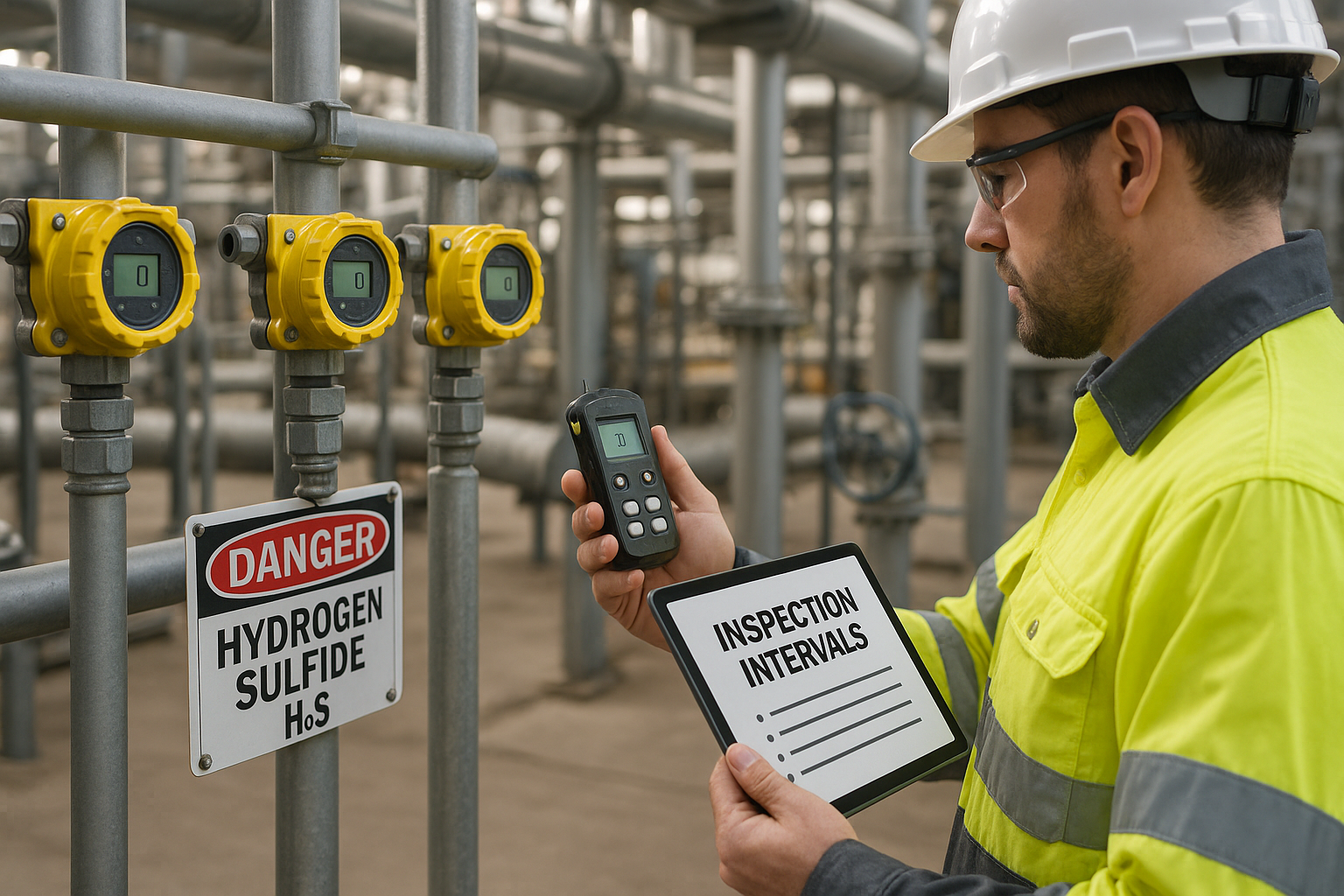
Inspection intervals are critical because gas detectors gradually lose sensitivity or can fail outright due to contamination, sensor ageing, mechanical shock, or environmental extremes. When detectors are not tested or calibrated at appropriate intervals, the consequences range from nuisance alarms that erode trust in the system to missed alarm conditions that can result in injuries, environmental releases, or catastrophic fires and explosions. Effective interval planning balances safety risk with operational feasibility; overly conservative intervals increase maintenance burden and cost without proportional safety benefit, while overly lax intervals increase exposure to undetected hazards.
Several factors should be considered when defining inspection and calibration intervals. First, sensor technology plays a central role: electrochemical sensors for toxic gases have different aging and cross-sensitivity behaviours than catalytic bead sensors used for combustible detection or infrared sensors for hydrocarbon monitoring. Second, the process environment—presence of silicones, hydrogen sulphide, particulates, or corrosive vapors—can shorten sensor life and increase contamination risk. Third, how the device is used (continuous fixed monitoring vs. frequently handled portable devices) influences mechanical wear and exposure risk. Fourth, manufacturer guidance provides necessary baseline intervals, but field experience and failure data often justify deviations. Finally, regulatory and corporate compliance obligations set minimum expectations for documentation and audit readiness.

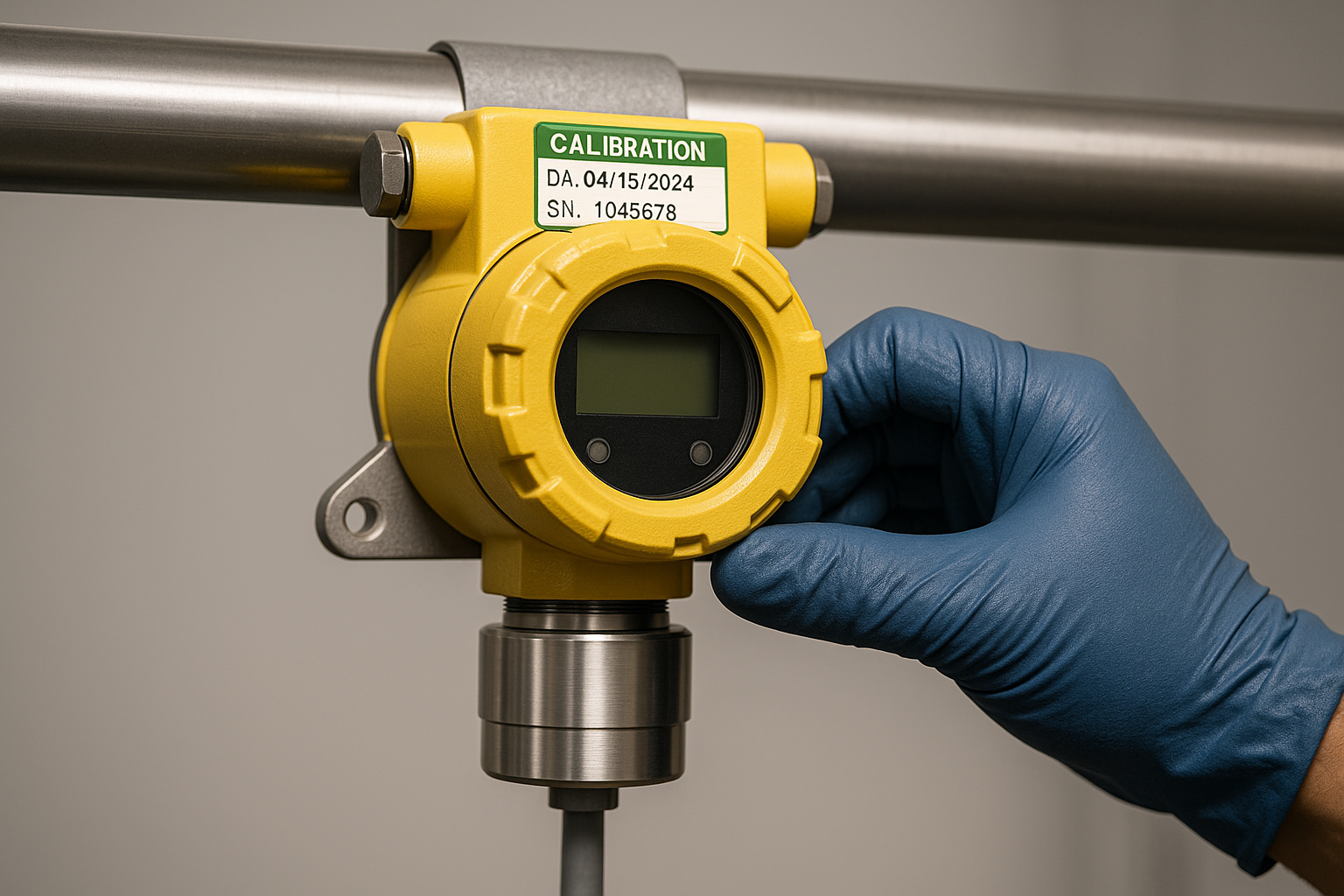
To translate these considerations into schedules, many organizations use a layered approach: daily bump tests for portable units and visual checks for fixed sensors, routine functional checks (weekly to monthly) in moderate environments, and full calibrations at manufacturer-recommended intervals or earlier when trending indicates drift. Critical locations such as confined-space access points, compressor suction areas, or sampling points in high-value processing will typically be in the highest-frequency category. Low-risk or sheltered detectors can sometimes extend calibration intervals, but only with robust trending and documented justification. By combining data-driven review with a clear asset registry and CMMS triggers, you can ensure intervals are both defensible and practical to execute.
Additionally, consider calibration methodology: two-point calibrations (zero and span) are standard for many toxic gas sensors, while multi-point calibrations and response time verification are appropriate for safety-critical detectors. Sensor cleaning and environmental controls (sinter maintenance, protective membranes) can significantly reduce fouling and extend service life. Case example: a midstream operator reduced false alarms and extended calibration intervals by 30% after installing flame arrestors and a pre-filtering regime at detector sampling points—showing that engineering controls can be as impactful as administrative changes to inspection frequency.
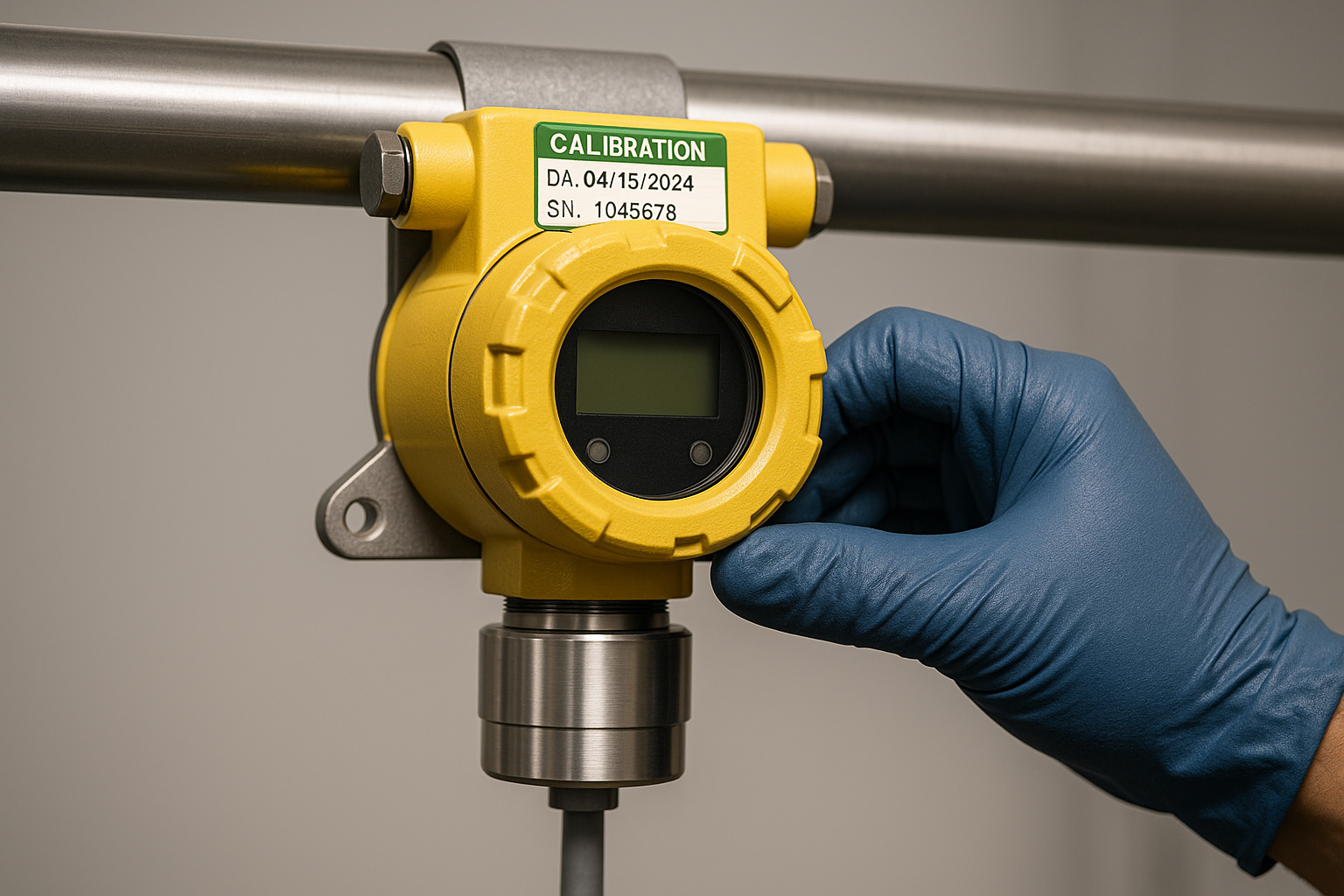
Key Benefits of UL Certification
- Assures the device meets widely recognized safety and performance standards, helping reduce ignition and safety risk in classified areas.
- Simplifies procurement and regulatory review across jurisdictions that recognize UL or equivalent marks.
- Reflects a level of manufacturing quality control and traceability that supports predictable life-cycle planning.
- Often correlates with more complete technical documentation and testing data to support site engineers.
- Provides a robust baseline for integrating detectors with other certified systems and for acceptance testing during commissioning.
Product Comparison
| Product | Category | Price | Link |
|---|---|---|---|
| Ion Science TIGER XT Handheld VOC Gas Detector | Handheld VOC Detector | $9,093.60 | View Details |
| SENKO SI-100 Fixed Gas Detector | Fixed Gas Detection System | $748.44 | View Details |
| SENKO SGT-P Replaceable Single-Gas Detector | Portable Single-Gas Detector | $188.02 | View Details |
Certified Gas Detection Solutions
Don’t compromise on sensor accuracy. Explore our full range of UL-certified intrinsically safe gas detectors designed for the most demanding industrial environments.
Shop Intrinsically Safe DetectorsPractical Implementation: Building an Inspection Program
To operationalize intervals, follow these steps: create an asset register that captures location, sensor model, serial numbers, calibration due dates, and manufacturer notes. Use a risk matrix to categorise each detector’s priority (high/medium/low) and apply baseline intervals accordingly. High-priority assets should have daily bump testing and quarterly calibrations in harsher conditions; medium assets may follow weekly checks and six-month calibrations; low-priority detectors may be placed on a 12-month calibration cycle if monitoring shows acceptable stability.
Adopt a software-based approach where possible: a CMMS or dedicated gas detection management platform automates reminders, stores calibration certificates as attachments, and provides reporting for audits. Train technicians to perform bump tests and calibrations consistently, using approved gas standards and documented procedures. Keep calibration gas cylinders in a controlled inventory with expiry tracking to ensure traceable, accurate standards. Additionally, plan spare sensors and devices to avoid prolonged downtime after failures, and define escalation procedures when a detector fails calibration or shows unusual drift.
Finally, incorporate continuous improvement: review alarm logs and calibration data quarterly to identify trending issues and update intervals. Where certain sensors repeatedly fail or drift rapidly, work with the vendor to troubleshoot root causes—perhaps protective sinters, periodic cleaning, or a change in sensor type is warranted. Use internal audits and third-party verification for critical locations to validate that the inspection program delivers the intended safety outcomes.

FAQs
How often should portable gas detectors be bump-tested?
Best practice is to bump-test portable detectors before first use on each shift in high-risk operations. For routine monitoring in low-risk settings, a documented, risk-based frequency (e.g., daily or weekly) may be acceptable if supported by performance data and management of change controls.
What is the recommended calibration interval for fixed gas detectors?
Many facilities start with 6–12 month calibration intervals for electrochemical sensors and shorter intervals (3–6 months) for catalytic or contaminated environments. Always review manufacturer guidance and site-specific data when finalising the schedule.
Can bump testing replace formal calibration?
No. Bump testing verifies response to a known concentration and ensures alarm functionality, but calibration adjusts the detector’s measurement output to a traceable standard. Calibration is required periodically and after any event that could change sensor characteristics.
What records should be maintained for inspections and calibrations?
Maintain a centralized log that includes date, technician, device ID and serial number, test gas levels, calibration offsets, and corrective actions. Storing digitised calibration certificates and linking them to the asset within a CMMS streamlines audits and trend analysis.
When should I replace sensors instead of recalibrating?
Replace sensors when they repeatedly fail calibration, show progressive drift beyond acceptable limits, have exceeded manufacturer recommended service life, or when response times degrade significantly. Document the decision and the rationale in maintenance records.
Conclusion
Establishing defensible inspection and calibration intervals for gas detectors requires combining manufacturer guidance with site-specific risk analysis and data-driven adjustments. Daily bump tests, timely calibrations, robust recordkeeping and trend analysis collectively ensure reliable detection and faster response to hazardous releases. Implement the steps outlined above—asset register, risk categorisation, automated scheduling, and regular review—to turn inspection intervals into a dependable component of your process safety management system. For certified detectors, calibration kits, and management tools, see our products and explore deeper guidance in our knowledge center. If you need assistance building a site-specific maintenance plan, contact our technical team for an operational review and recommendations tailored to your facility.