


























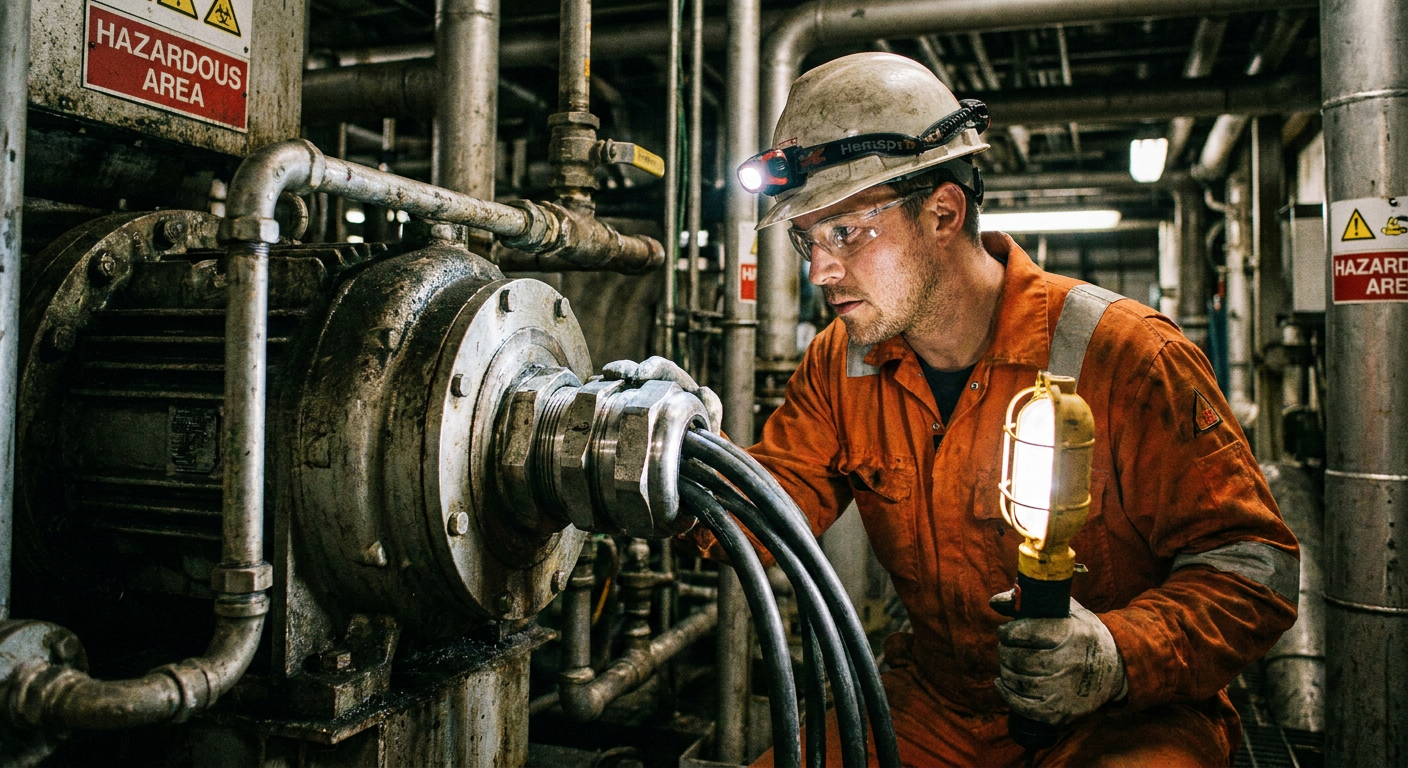
In the high-stakes theatre of hazardous area operations, where a single spark can have catastrophic consequences, the focus often falls on the large, complex pieces of machinery. The motors, the control panels, and the processing vessels are seen as the primary characters in the drama of industrial safety. Yet, the integrity of this entire performance often depends on one of the smallest, most ubiquitous, and dangerously overlooked components: the Ex-rated cable gland. To view this critical device as a simple piece of hardware, a commodity to be fitted and forgotten, is to fundamentally misunderstand its role. It is not merely a mechanical terminator for a cable; it is a precision-engineered safety device that upholds the entire explosion protection concept of the equipment it enters. This article moves beyond the basics of installation to explore a far more profound and necessary philosophy: the complete lifecycle management of Ex cable glands. This holistic approach treats each gland as a critical asset, tracking its journey from initial specification and selection, through meticulous installation, diligent in-service inspection, and finally to its safe and compliant decommissioning. It is a framework for transforming a potential point of failure into a verifiable pillar of safety, ensuring that compliance and integrity are not just assumed, but are actively managed and documented for the entire operational life of your facility.
Master Hazardous Area Regulations
Effective lifecycle management requires a deep dive into the legal frameworks governing explosion protection. Expand your technical knowledge with our detailed breakdown of intrinsic safety standards and regulations.
Read the Standards GuideBeyond Installation: A Deep Dive into the Lifecycle Management of Ex Cable Glands
In the complex and high-stakes world of hazardous area installations, attention is often drawn to the major pieces of equipment—the motors, the control panels, the lighting fixtures. These are the visible, active components of a system designed to operate safely amidst potentially explosive atmospheres. Yet, the integrity of these entire systems often hinges on one of the most ubiquitous and frequently underestimated components: the cable gland. In a hazardous, or ‘Ex’, environment, a cable gland is far more than a simple mechanical device for terminating a cable. It is a precision-engineered, safety-critical component that maintains the explosion protection concept of the enclosure it enters. Given this crucial role, treating its existence as a simple “fit and forget” task is a dangerous oversight. This is where the concept of lifecycle management becomes not just best practice, but an essential pillar of process safety. Lifecycle management of cable glands in Ex installations is a holistic, cradle-to-grave philosophy that encompasses every stage of the component’s existence, from initial design and selection through to its final decommissioning, ensuring that safety and compliance are actively managed and verified at every single step.
The Chain of Responsibility: Who Manages Cable Gland Lifecycles in Hazardous Areas?
Pinpointing a single individual or department responsible for the lifecycle management of cable glands in Ex installations is a fundamentally flawed approach. The reality is far more complex and interconnected, resembling a relay race where the baton of responsibility is passed seamlessly from one expert to another. A failure at any stage, a dropped baton, compromises the integrity of the entire safety system. This continuum of responsibility begins long before a gland is ever physically present on-site and extends far beyond its initial installation, encompassing every phase from conceptual design to eventual decommissioning. True safety and compliance are not the product of one person’s diligence but the result of a collective, documented, and unbroken chain of custody, where each link understands its specific duties and the critical impact it has on the links that follow. This shared ownership model is the only robust method for ensuring that a component as critical as a cable gland performs its safety function without fail for its entire operational life in a potentially explosive atmosphere.
- Design Engineer/Specifier: Responsible for selecting the correct gland based on application, environment, and standards.
- Procurement/Supply Chain: Ensures the specified, certified gland is purchased from a reputable source.
- Electrical Technician/Installer: Responsible for meticulous, compliant installation following manufacturer’s instructions.
- Asset Integrity Manager/Maintenance Engineer: Manages the long-term inspection and maintenance schedule.

Zero Failure Integrity: Engineered Ex-Rated Solutions
| Product Model | Classification & Standard | Price |
|---|---|---|
| Explosion Proof Cable Connector – 3/4″ MC-HL Gland View Details |
C1D1, C2D1 Rated Optimized for high-risk Metal Clad (MC-HL) deployments. |
$219.28 |
| Explosion Proof Cable Gland – 1/2″ NPT View Details |
ATEX / IP68 Global compliance for hazardous gas and dust environments. |
$37.32 |
Complete Your Ex-Rated Wiring System
A precision-engineered cable gland is only as effective as the cable it protects. Ensure total system integrity by pairing your CMP glands with our certified, high-performance industrial cables.
Shop Certified Industrial CablesFAQs
What does ‘lifecycle management’ actually mean for an Ex cable gland?
Lifecycle management for an Ex cable gland is a comprehensive, cradle-to-grave philosophy that ensures the component performs its safety function correctly from the moment it is specified until it is permanently removed from service. It involves selection, installation, inspection, and decommissioning.
How critical is the initial selection process, and what are the key factors?
The initial selection is the most critical stage. Key factors include matching the Ex protection concept, cable type, sealing range, material selection, IP rating, and temperature range.
Can I reuse a cable gland after removing it from an installation?
No. Ex cable glands are considered “one-shot” safety devices. The seals and armour clamping mechanisms are permanently set during the first installation and cannot be reliably reused.
How often should Ex cable glands be inspected, and what should I look for?
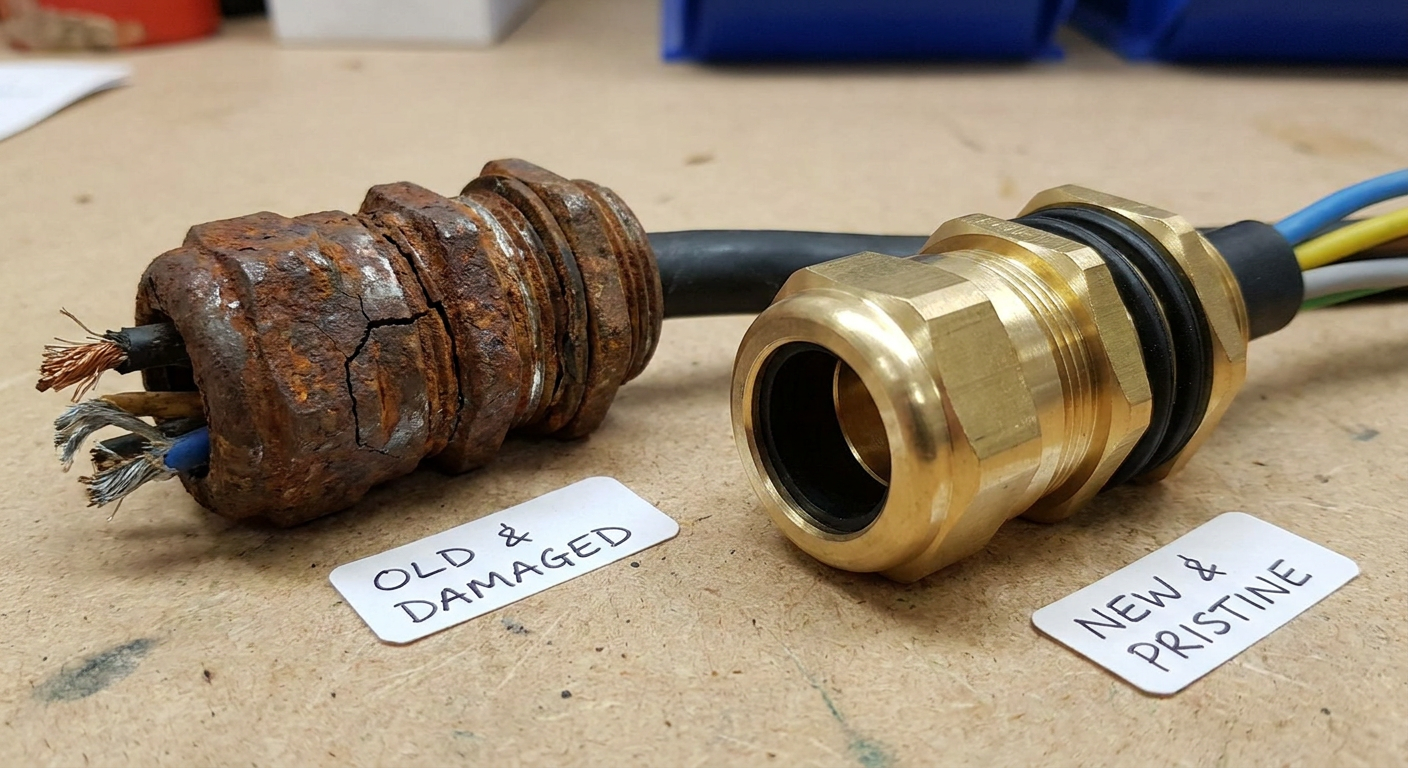
Inspection frequency is risk-based. Visual inspections can be frequent, while close and detailed inspections are more periodic. Look for corrosion, damage, looseness, and seal degradation.
Where can I find guidance on lifecycle management for Ex cable glands?
Guidance can be found in the IEC 60079 series of standards (specifically -14 and -17), manufacturer’s documentation, company procedures, and from competent, trained personnel.
Conclusion
The journey through the lifecycle of an Ex cable gland, from the first line on a specification sheet to the final turn of a blanking plug, reveals a profound truth about hazardous area safety: it is a continuous, interconnected process, not a series of isolated events. The “fit and forget” mentality is the single greatest threat to the long-term integrity of an Ex installation. Adopting a comprehensive lifecycle management strategy is the only robust defence. This approach transforms the cable gland from a passive, anonymous component into an active, intelligent asset with a fully documented history. It acknowledges that the initial selection, based on a deep understanding of the environment and application, sets the foundation for success. It reinforces that a flawless installation by a competent, trained technician is the most critical moment in translating theoretical safety into physical reality. Most importantly, it champions the ongoing vigilance of inspection and data-driven maintenance, recognising that time, vibration, and environmental attack are silent adversaries that must be proactively managed. By embracing this philosophy, you are not merely ticking compliance boxes; you are investing in the fundamental safety of your people, the protection of your assets, and the long-term reliability of your operations. Every inspection logged, every data point analysed, and every proactive replacement made is a testament to a culture that understands that in the world of explosive atmospheres, true safety is found not in a single action, but in the unwavering commitment to the entire lifecycle.
