



















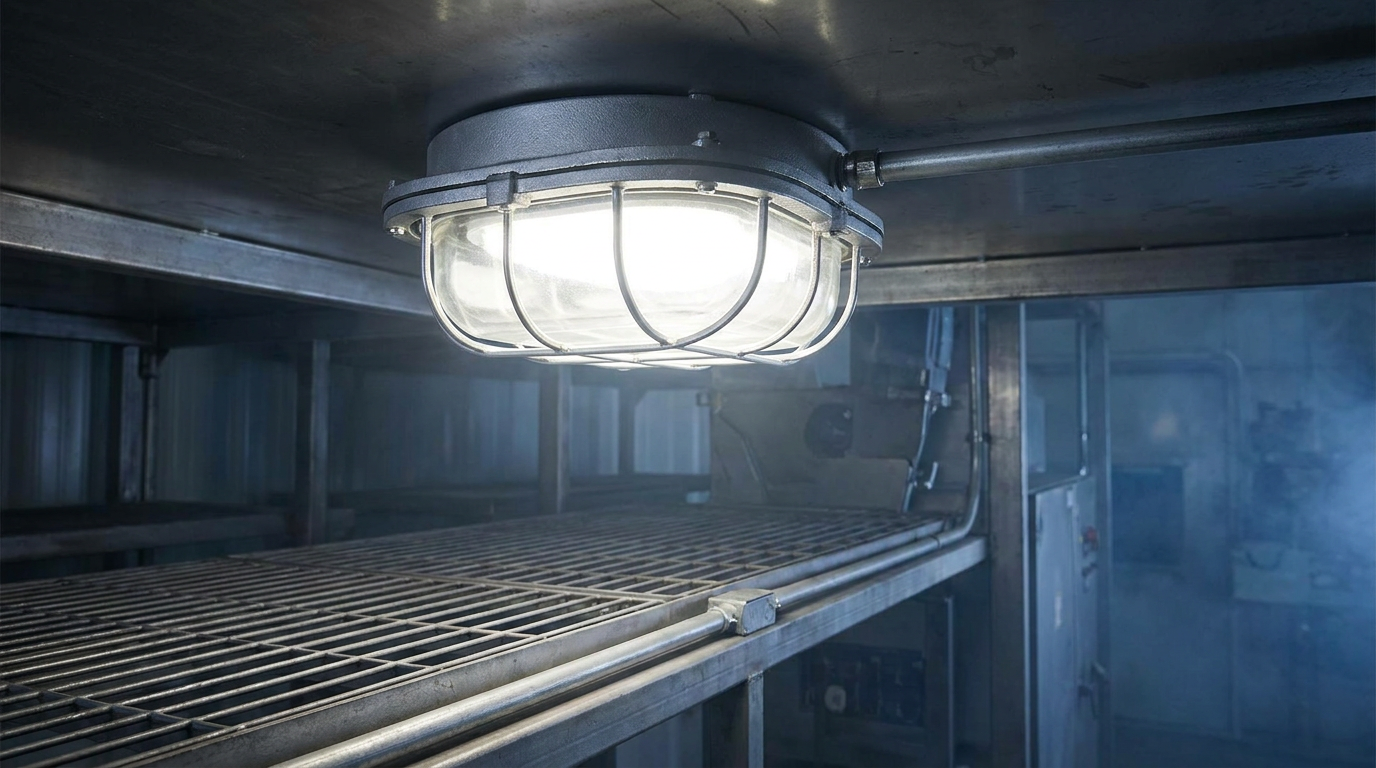
Ensuring the safety of personnel and facilities in hazardous locations is a top priority for any industrial operation. When it comes to environments where flammable gases or vapors are present, the selection of electrical equipment is not just a matter of performance, but of survival. This is especially true for Class 1 Division 1 explosion proof lighting, which is specifically designed to prevent the ignition of these volatile substances. Choosing the right lighting is a critical decision that impacts safety, compliance, and operational efficiency. This buyer’s guide will walk you through the essential considerations for selecting the appropriate Class 1 Division 1 explosion proof lighting for your specific needs, ensuring you meet the stringent requirements for these high-risk areas.
What is Class 1 Division 1 Explosion Proof Lighting?
Class 1 Division 1 is a hazardous location classification defined by the National Electric Code (NEC) in the United States. This classification applies to areas where flammable gases or vapors are present continuously, intermittently, or periodically under normal operating conditions. As required by NFPA 70 Article 500, any electrical equipment used in these locations must be designed to be ‘explosion proof’. This means that the lighting fixture is housed in an enclosure that can withstand an internal explosion of a specified flammable gas or vapor, and prevent the ignition of the surrounding atmosphere. The design of Class 1 Division 1 explosion proof lighting focuses on containing any potential sparks or explosions within the fixture, making it a critical safety component in hazardous environments.
Uncertain about your hazardous area classification?
Specifying the wrong equipment can lead to critical compliance failures. Read our comprehensive guide to understanding NEC classification differences to accurately determine your facility’s requirements.
Read the Classification GuideKey Features to Look for in Explosion Proof Lighting
When selecting Class 1 Division 1 explosion proof lighting, there are several key features to consider to ensure both safety and performance:
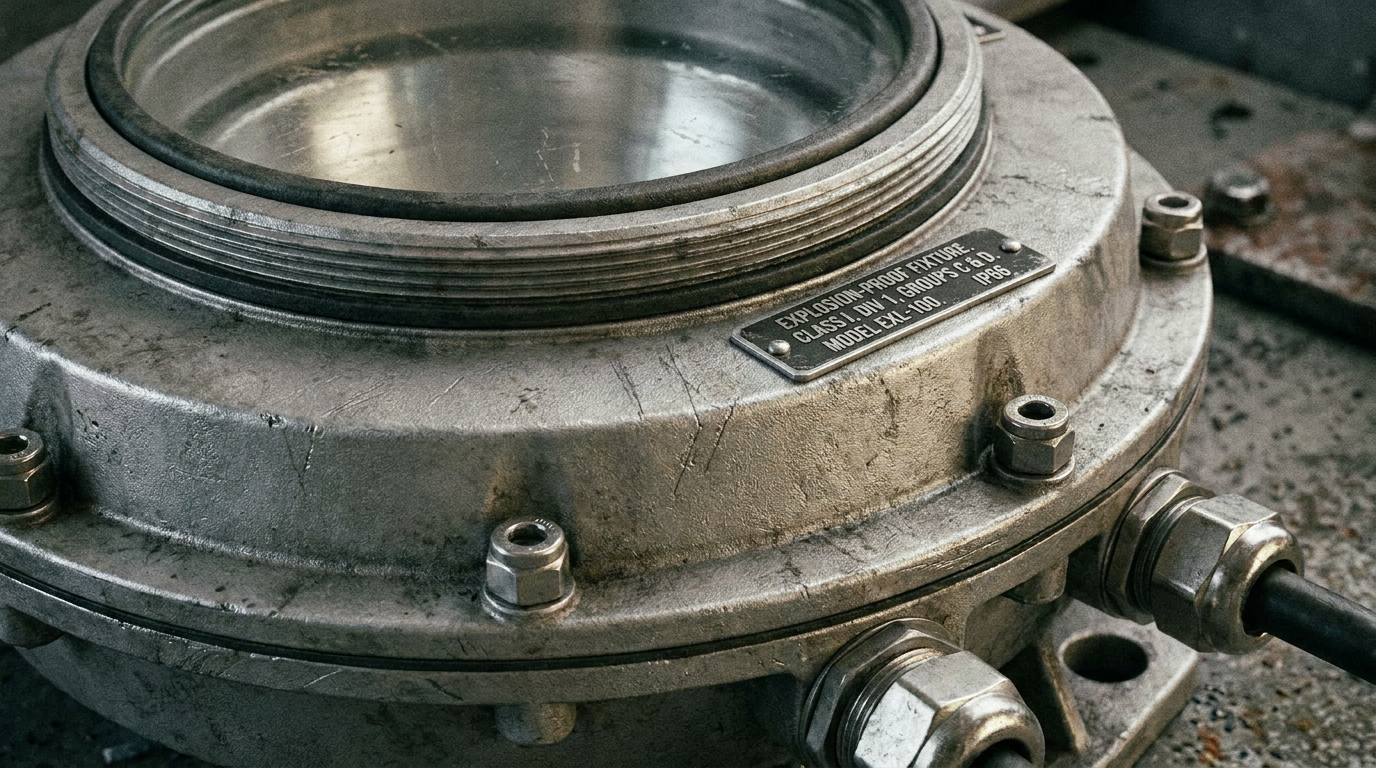
- Durable Construction: The housing of the light fixture should be made from robust materials like copper-free aluminum or stainless steel to resist corrosion and physical impact.
- Sealed Enclosure: The enclosure must be tightly sealed to prevent the entry of flammable gases or vapors and to contain any internal ignition event. Look for NEMA and IP ratings that indicate the level of protection against dust, water, and other environmental factors.
- Thermal Management: The fixture should be designed to dissipate heat effectively to prevent the surface temperature from reaching the ignition point of the surrounding hazardous materials.
- High-Quality Components: All internal components, including the LED driver, wiring, and terminals, must be rated for hazardous locations and designed for long-term reliability.
Installation and Maintenance Best Practices
Proper installation and maintenance are just as important as selecting the right fixture. Here are some best practices to follow:
- Always have a qualified and certified electrician perform the installation in accordance with the NEC and local regulations.
- Ensure that all conduits, seals, and fittings are also rated for Class 1 Division 1 locations.
- Regularly inspect the fixtures for any signs of damage, corrosion, or wear.
- Follow the manufacturer’s recommendations for cleaning and maintenance to ensure the integrity of the seals and the overall safety of the fixture.
Recommended Class 1 Division 1 Explosion Proof Lighting
The following products from our catalog are certified for use in hazardous areas and directly relevant to this guide:
| Product Category | Rating / Certification | Link |
|---|---|---|
| Explosion Proof Lighting | Class I Div 1 | Shop Now |
| Class I Division 1 Rated Equipment | Class I Div 1 | Shop Now |
Frequently Asked Questions
What is the difference between Class 1 Division 1 and Class 1 Division 2?
Class 1 Division 1 locations are areas where flammable gases or vapors are present under normal operating conditions. Class 1 Division 2 locations are areas where these substances are present only under abnormal conditions, such as a container failure or a system breakdown.
Can I use a Division 2 light in a Division 1 area?
No, you cannot use a Division 2 rated light in a Division 1 area. Division 1 has much stricter requirements, and using a lower-rated fixture would be a serious safety violation. However, you can use a Division 1 light in a Division 2 area.
Are all LED lights explosion proof?
No, not all LED lights are explosion proof. Only lights that have been specifically designed, tested, and certified to meet the requirements for hazardous locations can be considered explosion proof. Always look for the appropriate certification markings.
What is the T-rating of an explosion proof light?
The T-rating (Temperature Code) indicates the maximum surface temperature that a fixture can reach. This is a critical safety factor, as the surface temperature must always be below the auto-ignition temperature of the hazardous materials present in the area.
How often should I inspect my explosion proof lighting?
The frequency of inspection depends on the specific environment and the manufacturer’s recommendations. However, a good practice is to perform a visual inspection at least once a year and a more detailed inspection every two to three years. As per NFPA 70 Article 500, regular maintenance is essential for ensuring continued safety.
Equip Your Facility with Certified Illumination
Explore our complete catalog of rugged, high-performance Class 1 Division 1 fixed lighting fixtures. Engineered for volatile environments and fully compliant with NFPA 70 standards.
Browse Fixed Lighting OptionsConclusion
Choosing the right Class 1 Division 1 explosion proof lighting is a critical decision that should not be taken lightly. The three main takeaways from this guide are: always verify the hazardous location classification, carefully evaluate the features of the lighting fixture, and ensure proper installation and maintenance by qualified professionals. By following these guidelines, you can select lighting that not only meets the stringent safety requirements of the NEC but also provides reliable and efficient illumination for your hazardous environment. Investing in high-quality, certified explosion proof lighting is an investment in the safety of your personnel and the protection of your assets. When in doubt, always consult with a hazardous location expert to ensure you are making the right choice for your Class 1 Division 1 explosion proof lighting needs.