





















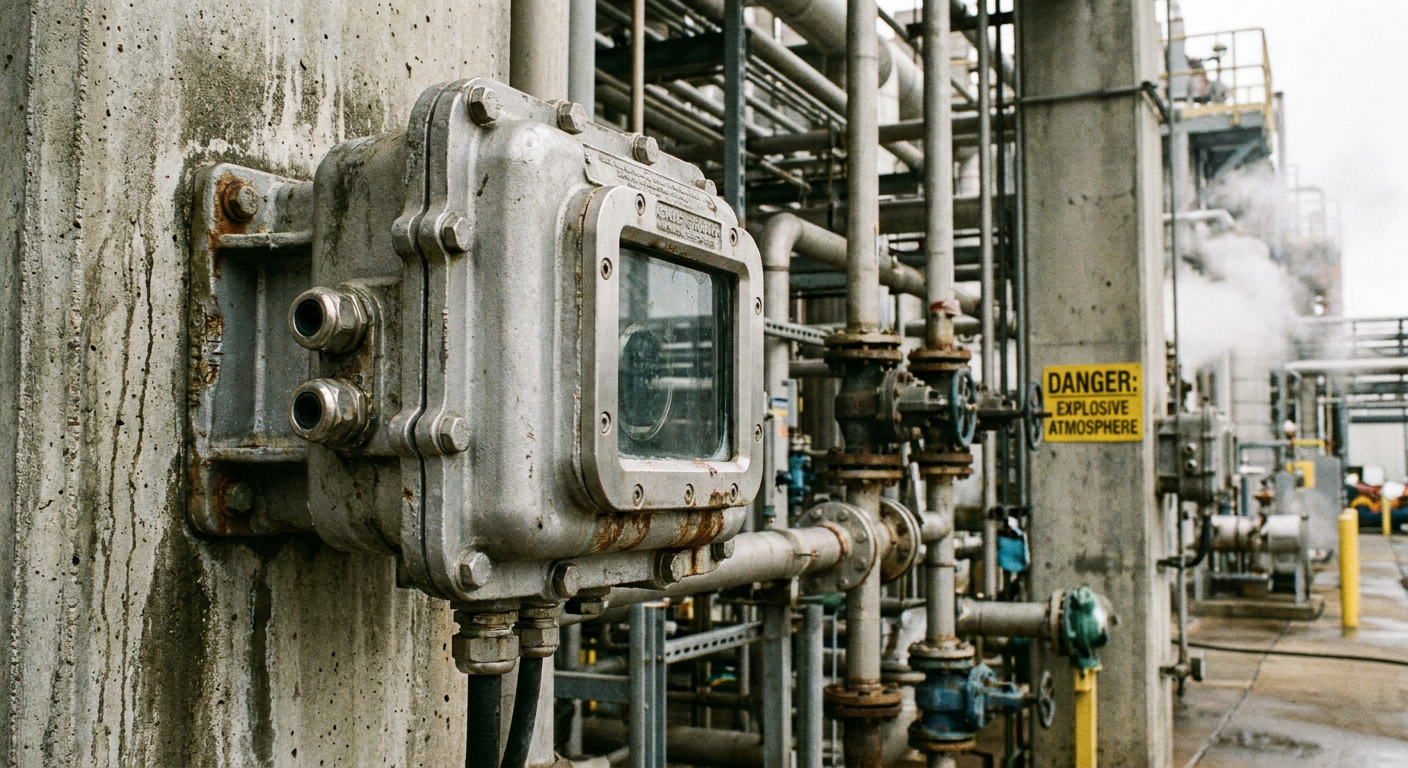
Surveillance in hazardous locations presents a unique set of challenges. Standard cameras, with their electrical components, can become ignition sources in environments with flammable gases, dust, or fibers. This is where an explosion proof camera housing becomes a critical safety component. An explosion proof camera housing is a specially designed enclosure that contains any internal explosion, preventing it from igniting the surrounding hazardous atmosphere. These rugged housings are built to withstand the pressure of an internal blast and cool any escaping gases to a temperature below the ignition point of the ambient atmosphere. This guide will walk you through the essential aspects of selecting, installing, and maintaining an explosion proof camera housing, ensuring your surveillance system enhances safety rather than compromising it. Understanding the nuances of these housings is crucial for compliance and protecting both personnel and assets in volatile environments.
Understanding Explosion Proof Protection
The term “explosion proof” is often misunderstood. It does not mean that the housing is indestructible or that it will prevent an explosion from occurring. Instead, it refers to a specific method of protection. As required by NFPA 70 Article 501, an explosion proof camera housing is designed to contain an internal explosion of a specified gas, vapor, or dust. The housing is constructed with sufficient strength and features flame paths—small, precise gaps—that allow hot gases to cool as they exit the enclosure, preventing ignition of the external hazardous atmosphere. This containment strategy is a key differentiator from other protection methods like intrinsic safety, which limits the electrical energy to prevent an explosion from happening in the first place. When selecting an explosion proof camera housing, it is essential to match the housing’s classification to the specific hazardous materials present in the environment.
Confused by Class, Division, and Group Ratings?
Ensuring your surveillance equipment meets NFPA and NEC standards shouldn’t be a guessing game. Read our comprehensive guide to accurately identify the protection methods required for your specific volatile environment.
Read the Area Classification GuideKey Factors in Selecting an Explosion Proof Camera Housing
Choosing the right explosion proof camera housing is a critical decision that impacts the safety and reliability of your surveillance system. Here are the key factors to consider:
- Hazardous Area Classification: The housing must be certified for the specific Class, Division, and Group of the hazardous location. This information is determined by the type of flammable substances present.
- Material and Construction: Housings are typically made from stainless steel or aluminum. Stainless steel offers superior corrosion resistance, making it ideal for offshore and chemical environments, while aluminum is a lighter and more cost-effective option.
- NEMA/IP Rating: The housing should have a high NEMA or IP rating to protect the camera from dust, water, and other environmental factors. A rating of NEMA 4X or IP66 is common for these applications.
- Camera Compatibility: Ensure the housing is large enough to accommodate your chosen camera and any associated components, such as lenses, heaters, and blowers.
Installation and Maintenance Best Practices
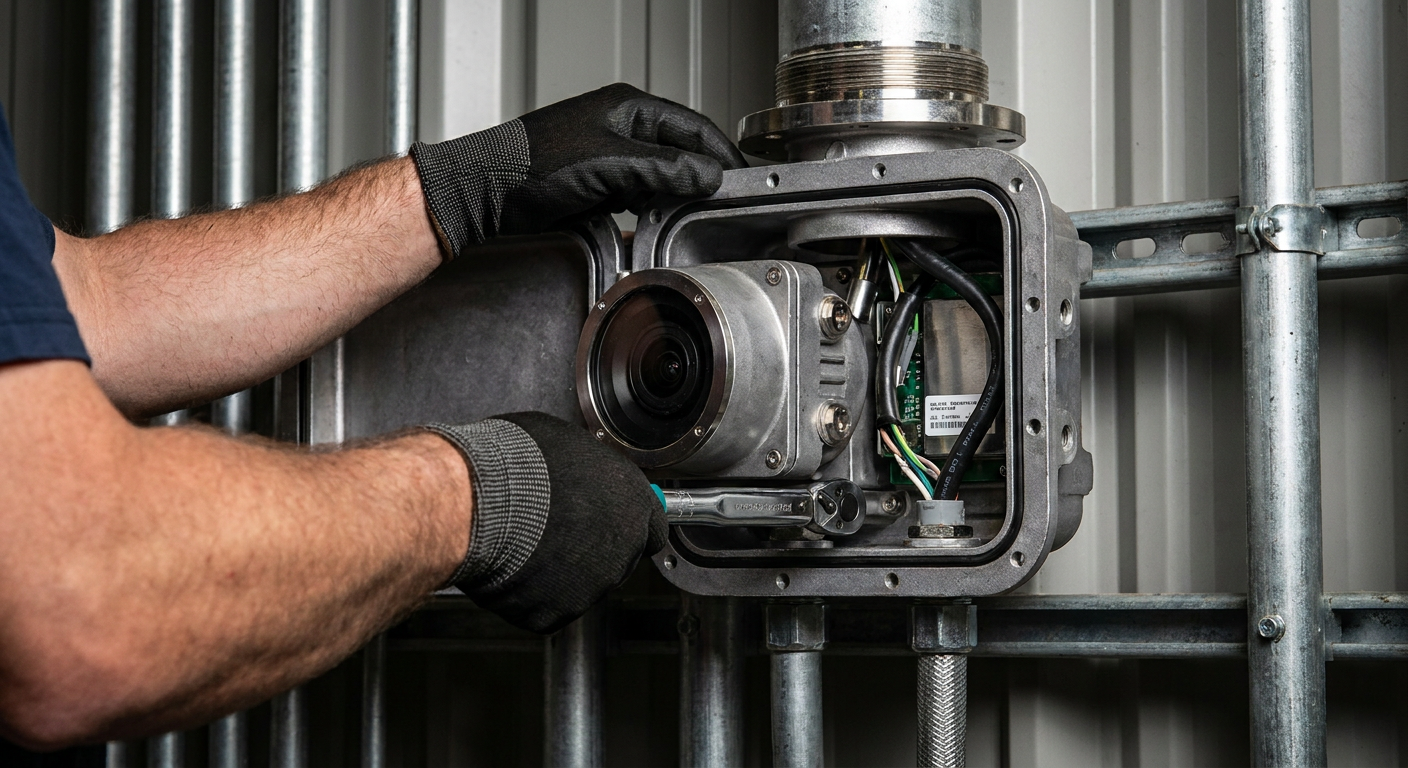
Proper installation and maintenance are crucial for maintaining the integrity of an explosion proof camera housing. Here are some best practices to follow:
- Always follow the manufacturer’s installation instructions and adhere to the requirements of the National Electrical Code (NEC) or other relevant local codes.
- Ensure all entries into the housing are sealed with certified explosion-proof fittings and glands.
- Periodically inspect the housing for any signs of damage, corrosion, or wear. Pay close attention to the flame paths and ensure they are clean and unobstructed.
- Only trained and authorized personnel should perform maintenance on explosion-proof equipment.
Recommended Products for Explosion Proof Camera Systems
The following products from our catalog are certified for use in hazardous areas and are essential for building a complete explosion-proof camera system:
| Product Category | Rating / Certification | Link |
|---|---|---|
| Explosion Proof Camera Enclosures | Class I Div 1 / ATEX Zone 1 | Shop Now |
| Intrinsically Safe Cameras | Class I Div 1 / ATEX Zone 0 | Shop Now |
Frequently Asked Questions
What is the difference between Class I, Division 1 and Class I, Division 2?
Class I, Division 1 locations are areas where flammable gases or vapors are present continuously or intermittently under normal operating conditions. Division 2 locations are areas where these substances are present only in abnormal conditions, such as a leak or equipment failure. Equipment for Division 1 must be more robust than for Division 2.
Can I use any camera inside an explosion proof housing?
While the housing provides the explosion protection, the camera inside must still be suitable for the application. It’s important to consider factors like operating temperature and power consumption. Some explosion proof housings are sold as complete systems with a pre-installed and certified camera.
How often should I inspect my explosion proof camera housing?
The frequency of inspection depends on the environment and the manufacturer’s recommendations. However, a good practice is to inspect the housing at least once a year. In harsh environments with high levels of corrosion or dust, more frequent inspections may be necessary.
What are flame paths and why are they important?
Flame paths are the small, precisely machined gaps between the surfaces of an explosion proof housing. They are designed to cool hot gases from an internal explosion as they escape, preventing them from igniting the surrounding hazardous atmosphere. It is critical that these paths are never painted, greased, or obstructed in any way.
Do I need special tools to install an explosion proof camera housing?
While you may not need special tools, you do need to use certified explosion-proof fittings, conduit, and seals. All installation work should be performed by a qualified electrician who is familiar with the requirements of NFPA 70 Article 501 and other relevant standards.
Equip Your Facility with Certified Explosion-Proof Housings
Protect your critical surveillance cameras with our rugged, Class I Division 1 and ATEX-certified enclosures. Engineered from marine-grade stainless steel and heavy-duty aluminum to withstand severe blasts and corrosive elements.
Browse Certified Camera HousingsConclusion
An explosion proof camera housing is an indispensable component for ensuring the safety and security of any facility with hazardous locations. By understanding the principles of explosion-proof protection, carefully selecting a housing based on the specific hazardous area classification, and following best practices for installation and maintenance, you can create a surveillance system that is both effective and compliant. The key takeaways are the importance of matching the housing to the hazard, the critical role of proper installation, and the need for regular inspections to maintain the integrity of the protection. Investing in the right explosion proof camera housing is an investment in the safety of your personnel, the protection of your assets, and the peace of mind that comes with a robust and reliable safety solution. When in doubt, always consult with a qualified expert to ensure you are selecting the correct explosion proof camera housing for your application.