






















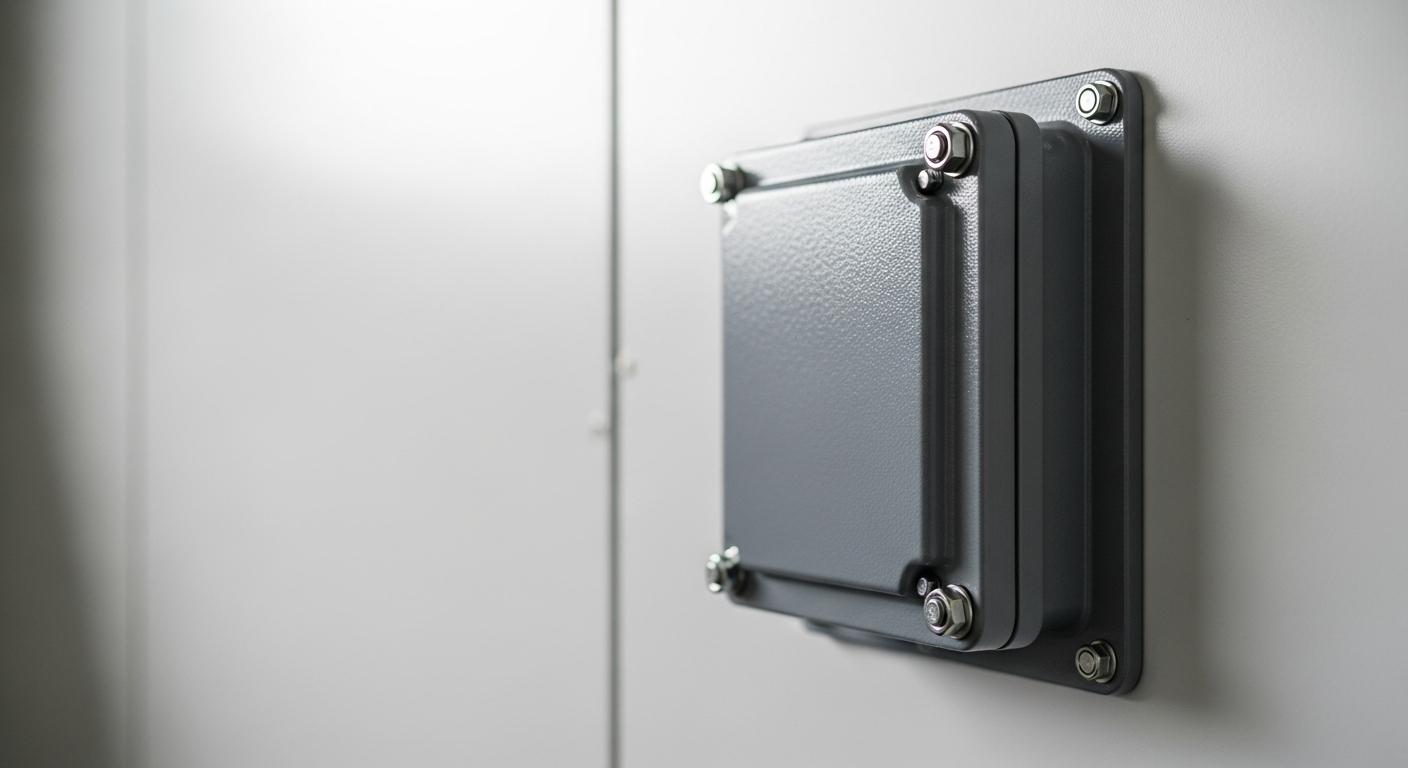
To define what an explosion proof enclosure is, you have to understand its core purpose: containment, not prevention. Unlike intrinsically safe systems that limit energy, these enclosures are built to withstand an internal explosion from arcing components or high temperatures and stop it from igniting the surrounding hazardous atmosphere. The primary function of an explosion proof enclosure is to contain the blast and cool the escaping hot gases through carefully engineered flame paths, making them incapable of igniting flammable gases, vapors, or dust outside the box. This heavy-duty construction is essential for housing electrical equipment like switches, circuit breakers, and controls in environments such as petrochemical plants, refineries, and grain elevators where a single spark could lead to catastrophic failure.
Learn More About Hazardous Area Enclosures
Understanding specific classifications is key to safety. Our detailed guide explains the requirements for Class 1 Division 2 locations.
Understanding the Core Function of an Explosion Proof Enclosure
The term ‘explosion proof’ can be misleading. It doesn’t mean the enclosure can survive an external blast. Instead, its design focuses on containing an internal ignition event. If flammable gas or vapor seeps into the enclosure and is ignited by an electrical component, the enclosure’s heavy-duty construction ensures the explosion is contained within its walls. The most critical design element is the ‘flame path,’ a series of very precise, tight joints and seals between the body and the cover. As the hot, high-pressure gas from the internal explosion escapes through these paths, it is cooled to a temperature below the ignition point of the surrounding hazardous atmosphere. The integrity of these flame paths is paramount and must meet stringent standards like UL 1203, which governs explosion-proof and dust-ignition-proof electrical equipment for use in hazardous locations. This standard dictates material strength, construction tolerances, and testing procedures to guarantee the enclosure performs its containment function reliably.
Key Characteristics of a Certified Enclosure
Not all heavy-duty boxes qualify as explosion proof. Certified enclosures have specific features mandated by regulatory bodies to ensure they perform under extreme pressure. Understanding these characteristics helps in selecting the right equipment for your facility’s safety and compliance.
- Robust Construction: They are typically made from cast aluminum, stainless steel, or galvanized steel, materials capable of withstanding the force of an internal explosion without rupturing or deforming.
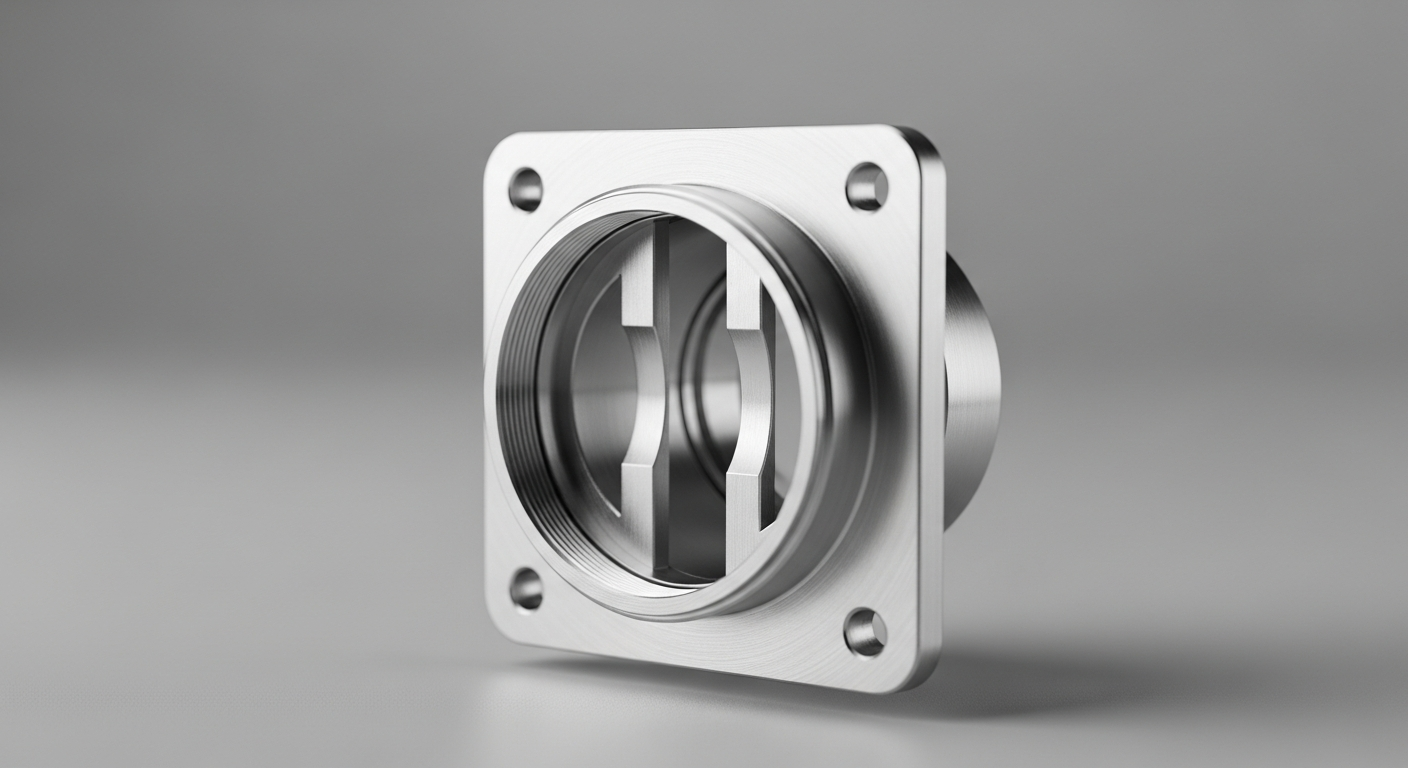
- Machined Flame Paths: The surfaces of the cover and the body are precisely machined to create long, narrow gaps. These paths are engineered to cool escaping gases effectively before they reach the outside atmosphere.
- Threaded Joints: For conduit entries and covers, a minimum of five full threads must be engaged to create a secure and effective flame path, preventing hot gases from escaping prematurely.
- Certified Gaskets and Seals: While not primarily for flame arresting, specialized gaskets are used to achieve a high NEMA or IP rating for protection against water and dust ingress, which is crucial for maintaining the internal components.
Common Applications in Hazardous Locations
Explosion proof enclosures are critical in any industry where flammable substances are present. Their application is mandated by safety codes like the NEC (National Electrical Code) in the United States and ATEX directives in Europe. Deploying the correct enclosure is not just a best practice; it is a legal requirement for protecting personnel and assets.
- Oil & Gas Industry: From offshore rigs to onshore refineries, these enclosures protect control panels, motors, and lighting systems from igniting hydrocarbon vapors.
- Chemical Processing Plants: They house electrical connections and monitoring equipment in areas where volatile chemicals are mixed, stored, or transported.
- Paint and Finishing Booths: Solvent-based paints release flammable vapors, requiring all electrical components, including switches and fans, to be housed in explosion proof enclosures.
- Wastewater Treatment Facilities: Methane and other flammable gases can accumulate, necessitating the use of certified enclosures for pumps, sensors, and control systems.
- Aerospace and Defense: In fuel storage and maintenance areas, these enclosures protect critical electrical systems from igniting jet fuel vapors or other combustible materials.
Recommended Products for Explosion Proof Enclosures
The following products from our catalog are certified for use in hazardous areas and directly relevant to this guide:
| Product Category | Rating / Certification | Link |
|---|---|---|
| Explosion Proof Junction Box | Class I Div 1 / ATEX Zone 1 | Shop Now |
Shop Certified Explosion Proof Junction Boxes
Ensure maximum safety and compliance in your facility with our range of certified enclosures designed for the most demanding hazardous environments.
Frequently Asked Questions
What is the difference between explosion proof and intrinsically safe?
An explosion proof enclosure contains an internal explosion, while an intrinsically safe device is designed with low-energy circuitry that prevents it from creating a spark or heat capable of causing an ignition in the first place. They are two different methods of protection.
Can I drill a hole in an explosion proof enclosure?
No. You should never modify an explosion proof enclosure by drilling holes or making other alterations. Any modification voids its certification and compromises the integrity of the flame path, rendering it unsafe for use in a hazardous location.
What does NEMA 7 mean for an enclosure?
A NEMA 7 rating indicates that an enclosure is designed for indoor use in Class I, Division 1 locations, which are areas where flammable gases or vapors are present under normal operating conditions. It is constructed to contain an internal explosion.
How often do explosion proof enclosures need to be inspected?
Inspection frequency depends on the environment and local regulations, but a common practice is to perform detailed visual inspections annually. Checks should focus on the integrity of the enclosure body, seals, and ensure all bolts are properly tightened and flame paths are clear of debris or corrosion.
Are explosion proof and weatherproof the same thing?
No, they are not the same. ‘Explosion proof’ refers to the ability to contain an explosion. ‘Weatherproof’ (e.g., NEMA 3R or 4X) refers to protection against environmental factors like rain, snow, and dust. An enclosure can be both, but one rating does not imply the other.
Chat for a Quote Call: 832-699-6726
An explosion proof enclosure is a critical safety component, not just a simple box. Its primary role is to contain an internal ignition and cool the escaping gases to prevent a larger, catastrophic explosion in the surrounding hazardous environment. This requires robust construction, precisely machined flame paths, and strict adherence to certification standards like UL 1203. Selecting, installing, and maintaining this equipment correctly is non-negotiable for ensuring operational safety and regulatory compliance. Always consult with qualified experts to select the correct enclosure for the specific demands of your hazardous location.