






















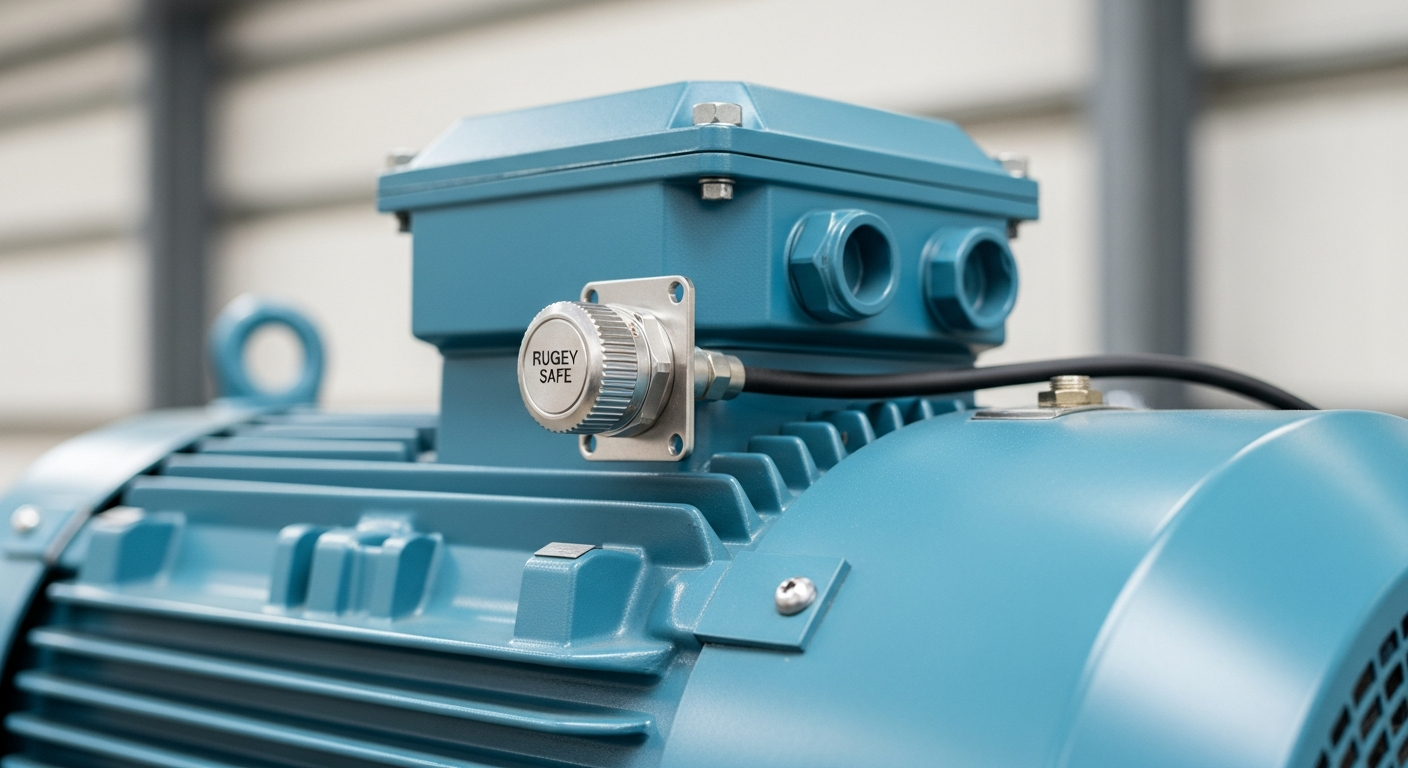
Unscheduled downtime in a hazardous industrial environment is more than an operational headache; it’s a significant safety risk. An unexpected equipment failure can compromise safety protocols and lead to catastrophic events. This is why implementing predictive maintenance in hazardous areas is a critical strategy for modern facilities. Unlike reactive or preventive maintenance, a predictive approach uses real-time data from certified sensors to anticipate failures before they occur, allowing for planned interventions that enhance both safety and efficiency. By leveraging technologies like intrinsically safe sensors and IIoT platforms, operators can move from a fixed maintenance schedule to a data-driven one, ensuring that critical assets like pumps, motors, and compressors operate reliably within their certified safety parameters.

Harness the Power of IIoT for Smarter Maintenance
Predictive maintenance relies on a network of smart, connected devices. Understand how the Industrial Internet of Things transforms manufacturing and safety.
Understanding PdM in Classified Locations
Predictive Maintenance (PdM) is a proactive strategy that involves continuously monitoring the condition of equipment during operation to predict when maintenance should be performed. In hazardous locations—defined by the presence of flammable gases, vapors, liquids, or combustible dusts—this practice takes on a new level of importance. The goal is not just to prevent downtime but to prevent equipment failures that could serve as an ignition source. Any monitoring device installed must be certified as intrinsically safe or explosion-proof to ensure it doesn’t introduce a spark or heat that could ignite the hazardous atmosphere. This aligns with standards like NFPA 70B, the Recommended Practice for Electrical Equipment Maintenance, which emphasizes the importance of condition-based monitoring to ensure the ongoing integrity of electrical systems in all environments, including hazardous ones. Implementing a PdM program in these areas means carefully selecting certified sensors, ensuring secure data transmission, and integrating insights into a comprehensive safety management system.
Key Technologies for Predictive Maintenance in Hazardous Areas
Deploying a successful PdM program requires a suite of specialized, certified technologies designed to operate safely in explosive atmospheres. These tools collect and analyze data without compromising the integrity of the hazardous location classification. Key components include:
- Intrinsically Safe (IS) Sensors: These are the foundation of any PdM strategy in hazardous areas. IS-certified sensors for vibration, temperature, acoustic emissions, and pressure are designed with low-power circuits that cannot produce a spark or thermal effect sufficient to cause ignition. They can be installed directly on critical assets like motors, pumps, and gearboxes.
- Wireless Data Transmission Protocols: To avoid complex and expensive conduit runs, wireless protocols like WirelessHART and ISA100.11a are often used. These low-power mesh networks provide reliable and secure data transmission from sensors to a central gateway, ensuring that real-time condition data is always available for analysis.
- Explosion-Proof Gateways and Edge Devices: Data collected by sensors needs to be aggregated and often processed locally before being sent to the cloud or an on-premise server. Explosion-proof gateways serve this purpose, collecting data from multiple sensors and performing initial analysis at the ‘edge’ to reduce latency and data transmission costs.
- Advanced Analytics and AI/ML Platforms: The raw data is fed into sophisticated software platforms that use machine learning algorithms to detect anomalies, identify patterns indicative of developing faults, and predict the remaining useful life of an asset. These platforms can send automated alerts to maintenance teams, complete with diagnostic information.
Steps to Implement a Successful PdM Program
Transitioning from a traditional maintenance schedule to a predictive model is a strategic process. Following a structured approach ensures that the implementation is safe, effective, and delivers a strong return on investment. Here are the essential steps for rolling out a predictive maintenance program in hazardous locations:
- Conduct an Asset Criticality Analysis: Not all equipment requires advanced monitoring. Start by identifying the most critical assets—those whose failure would cause the most significant safety risks, production losses, or environmental impact. Focus your initial PdM efforts on this group.
- Select and Install Certified Monitoring Equipment: Based on the failure modes of your critical assets, choose the appropriate intrinsically safe sensors. For example, use vibration sensors for rotating equipment like motors and pumps, and thermal imagers for electrical connections in switchgear. Ensure all hardware carries the correct certifications (e.g., ATEX, IECEx, or Class/Division) for your specific hazardous area.
- Establish a Secure Data Infrastructure: Plan how data will flow from the sensors to your analytics platform. This involves setting up wireless networks, configuring gateways, and ensuring robust cybersecurity measures are in place to protect sensitive operational data from unauthorized access.
- Integrate with Your CMMS: To be effective, PdM insights must translate into action. Integrate your analytics platform with your existing Computerized Maintenance Management System (CMMS). This allows the system to automatically generate work orders when a potential failure is detected, streamlining the workflow for your maintenance team.
- Launch a Pilot Program and Scale: Begin with a small-scale pilot project on a select group of critical assets. Use this phase to fine-tune the system, train your team, and demonstrate the value of the program. Once you have established clear success metrics and a scalable process, you can progressively roll out the PdM program across your facility.
Recommended Products for Predictive Maintenance
The following products from our catalog are certified for use in hazardous areas and are essential components for monitoring critical assets in a predictive maintenance program:
| Product Category | Rating / Certification | Link |
|---|---|---|
| Explosion Proof Motors | Class I, Division 1 & 2 / ATEX Zone 1 | Shop Now |
Shop Certified Explosion Proof Motors
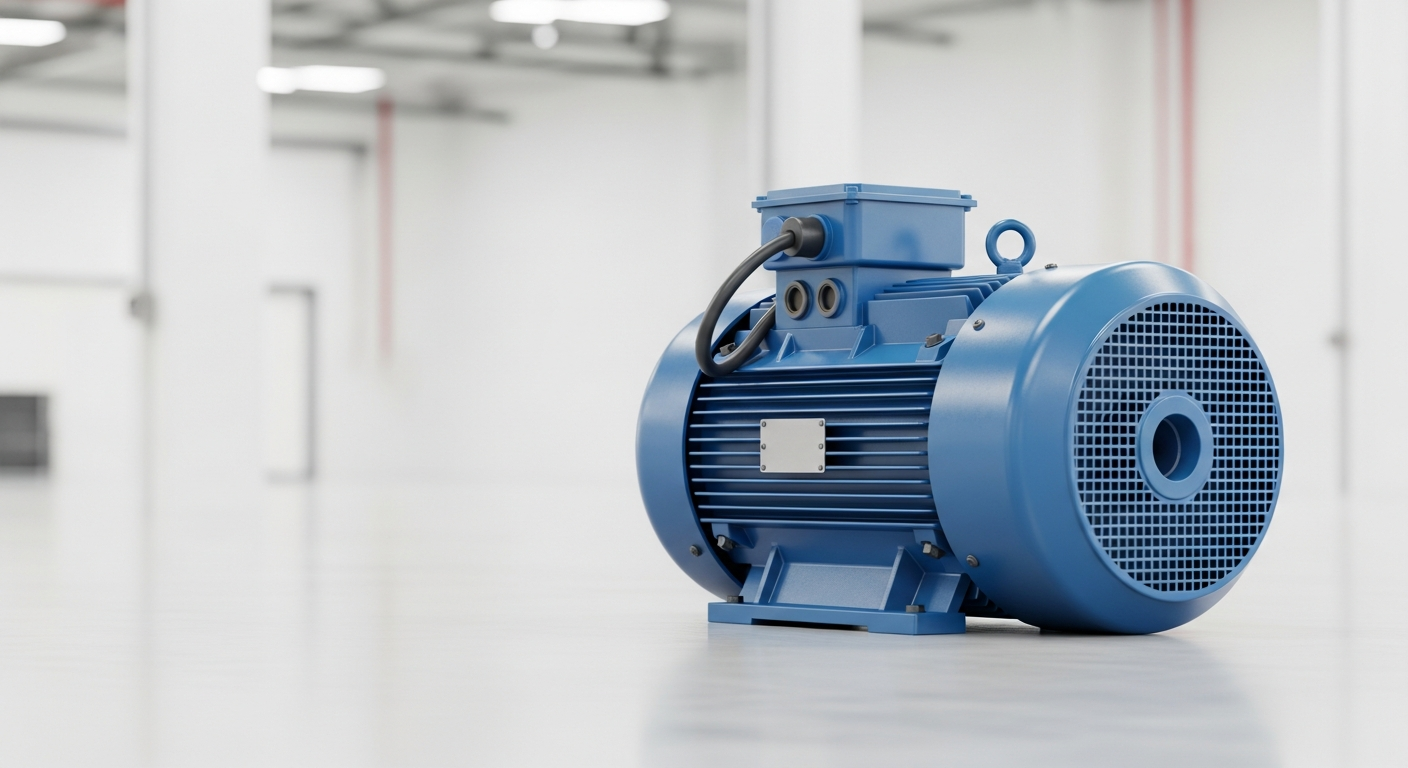
Ensure the reliability and safety of your rotating equipment with motors specifically designed and certified for hazardous environments.
Frequently Asked Questions
What is the difference between preventive and predictive maintenance?
Preventive maintenance is performed on a time-based or usage-based schedule, regardless of the equipment’s actual condition. Predictive maintenance uses data from condition-monitoring sensors to predict when a failure will occur, so maintenance is only performed when necessary.
Are wireless sensors safe for Class I, Division 1 areas?
Yes, provided they are certified as Intrinsically Safe for that specific environment. Intrinsically Safe (IS) wireless sensors are designed with low-energy circuits that cannot generate enough energy to ignite the hazardous atmosphere, making them safe for use in Class I, Division 1 locations.
How does predictive maintenance improve safety in hazardous areas?
Predictive maintenance improves safety by identifying potential equipment failures before they happen. This prevents unexpected breakdowns that could create an ignition source (like a sparking motor or an overheating bearing) in an explosive atmosphere, thus reducing the risk of fire or explosion.
What kind of data is collected for predictive maintenance?
Common data points include vibration analysis, temperature readings, acoustic signatures, oil analysis, and electrical current monitoring. The specific data collected depends on the type of equipment and its likely failure modes. For example, vibration data is critical for rotating machinery like pumps and motors.
What are the first steps to start a PdM program?
The first step is to perform an asset criticality assessment to identify which pieces of equipment are most vital to your operation and safety. Following this, you should identify the most common failure modes for these assets and then select the appropriate certified sensor technology to monitor for those specific conditions.
Chat for a Quote Call: 832-699-6726
Conclusion
Successfully implementing a predictive maintenance program is a transformative step for any facility operating in hazardous environments. It marks a shift from reactive problem-solving to proactive risk mitigation, directly enhancing operational safety, reducing costly unplanned downtime, and optimizing maintenance resources. By leveraging certified intrinsically safe sensors and powerful analytics, you can gain unprecedented insight into the health of your most critical assets. Ultimately, the strategic application of predictive maintenance in hazardous areas is not just an efficiency upgrade; it is a fundamental investment in a safer, more reliable, and more resilient operation.