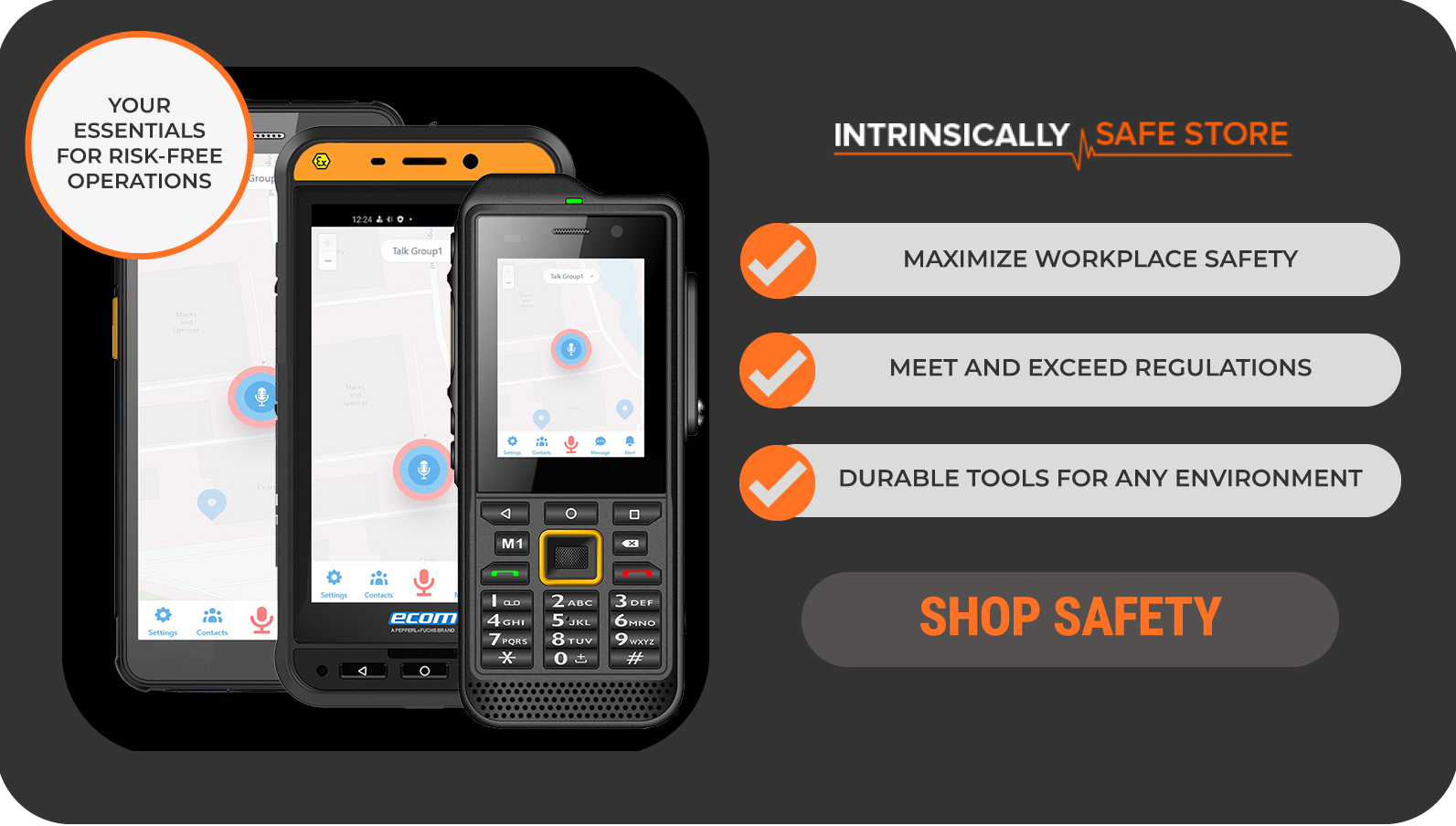





















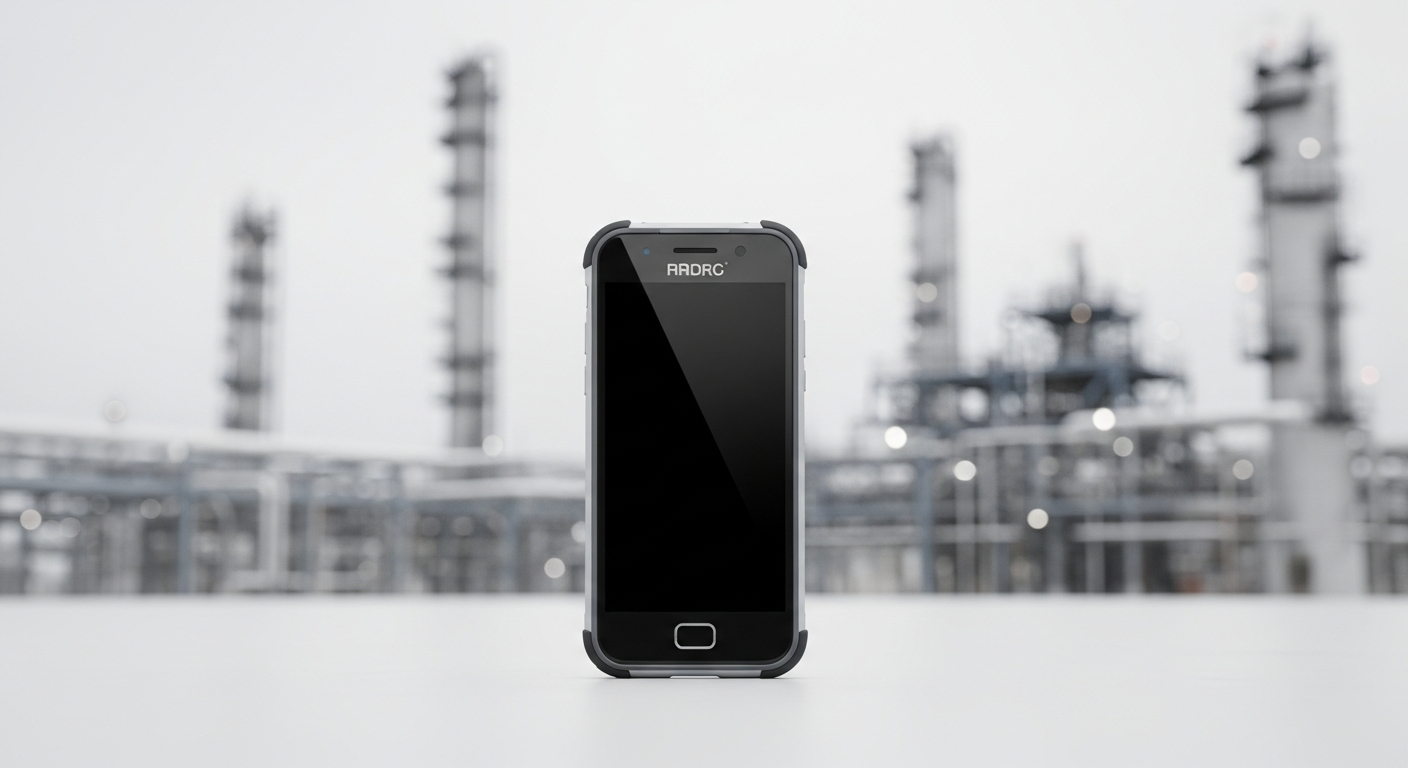
Selecting the right communication device for a hazardous environment is a critical decision for safety and operations. For facilities where flammable gases, vapors, or liquids are present, understanding your class 1 div 1 cell phone options is essential for compliance and preventing ignition events. These specialized devices are engineered to eliminate ignition risks, ensuring that a simple call or data transfer doesn’t become a source of danger. As technology improves, more options become available, each with a different mix of ruggedness, functionality, and certification. This guide compares key features to help you choose the correct intrinsically safe mobile device for your team’s needs, supporting both safety and productivity in demanding industrial settings.
Expand Your Knowledge on Intrinsically Safe Devices
While phones are essential, understanding the role of other mobile devices like tablets can provide a more complete operational picture. See how they fit into the hazardous area ecosystem.
Understanding Class 1 Division 1 Certification
Before looking at specific models, it is important to understand what Class 1 Division 1 certification means. This NEC (National Electrical Code) classification defines a hazardous location where ignitable concentrations of flammable gases, vapors, or liquids can exist under normal operating conditions. Equipment for this environment must be designed as intrinsically safe or explosion-proof. For a cell phone, this means its internal circuitry cannot produce a spark or thermal effect that could ignite the surrounding atmosphere. Every component, from the battery to the screen, is designed to prevent energy release. Certification bodies like UL test these devices against standards such as UL 913 to ensure they meet these strict requirements. A C1D1 certified phone has been proven to operate safely in the most volatile environments.
Key Features to Evaluate in C1D1 Cell Phones
When comparing your class 1 div 1 cell phone options, functionality and durability are just as important as the certification itself. Workers in harsh environments need a device that can withstand physical abuse while providing modern communication capabilities. Here are the essential features to consider:
- Ingress Protection (IP) Rating: This two-digit number indicates the device’s resistance to solids (like dust) and liquids (like water). Look for ratings of IP67 or IP68, which signify the phone is dust-tight and can survive submersion in water.
- MIL-STD-810G/H Certification: This U.S. military standard tests for durability against drops, shock, vibration, extreme temperatures, and more. A phone that passes these tests is built to survive the rigors of an industrial site.
- Battery Life and Replaceability: Operations can’t stop for a dead battery. Look for devices with long-lasting batteries and, if possible, options for field-replaceable batteries that are also certified for hazardous area use.
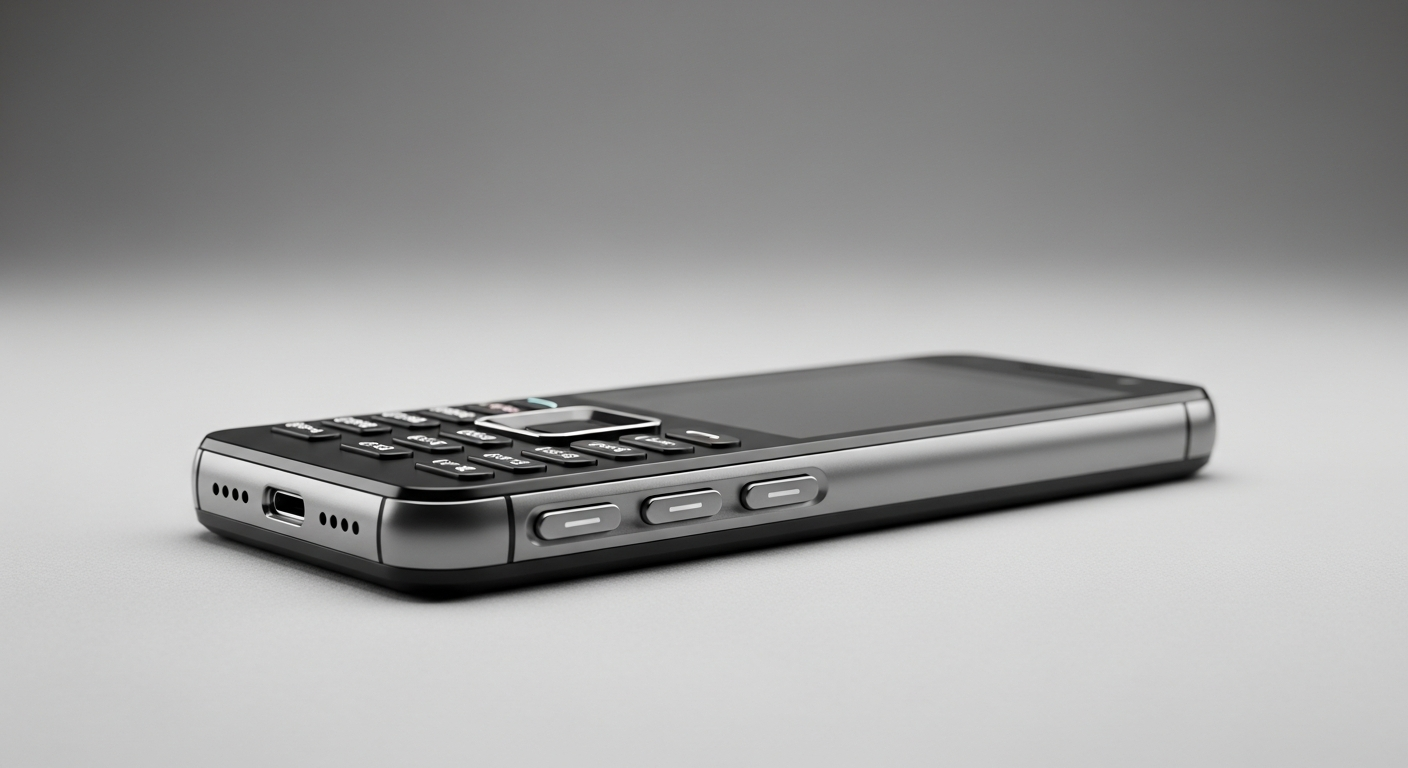
- Push-to-Talk (PTT) Functionality: For many teams, instant, walkie-talkie-style communication is vital. Many intrinsically safe phones include a dedicated, programmable PTT button that integrates with various PTT-over-cellular applications.
Operating System and Software Considerations
The operating system (OS) determines a smartphone’s user interface, app compatibility, and security. Most modern intrinsically safe cell phones run on Android, which offers flexibility and a wide range of industrial applications. However, not all Android versions are equal.
- Version and Update Support: Prioritize devices running a recent version of Android. More importantly, check the manufacturer’s policy on security and OS updates. Regular updates are critical for patching vulnerabilities and ensuring long-term usability.
- Pre-loaded Software and Bloatware: Some manufacturers pre-install useful industrial tools, such as lone worker protection apps or device management clients. Conversely, others may include unnecessary consumer apps (bloatware) that can clutter the device and pose a security risk. A cleaner OS is often preferable.
- Enterprise Mobility Management (EMM/MDM) Compatibility: For large-scale deployments, the ability to manage, monitor, and secure the fleet of devices remotely is essential. Ensure your chosen phone is compatible with major EMM or MDM platforms like SOTI MobiControl, VMware Workspace ONE, or Microsoft Intune.
- Specialized App Ecosystem: Consider the specific software your team needs. Will they be conducting digital inspections, accessing technical manuals, or using video conferencing? Ensure the device’s hardware (camera, processor, RAM) is sufficient to run these applications smoothly in the field.
Recommended Products for Class 1 Div 1 Mobility
The following products from our catalog are certified for use in hazardous areas and directly relevant to this guide:
| Product Category | Rating / Certification | Link |
|---|---|---|
| Intrinsically Safe Cell Phones | Class I Div 1 / ATEX Zone 1 | Shop Now |
| Class I Division 1 Rated Mobility | Class I Division 1 | Shop Now |
Shop Certified Intrinsically Safe Cell Phones
Our curated selection of Class 1 Div 1 cell phones meets the strictest safety standards without compromising on performance. Find the right device for your team’s compliance and communication needs.
Frequently Asked Questions
What is the main difference between an intrinsically safe and an explosion-proof phone?
An intrinsically safe phone is designed with low-power circuitry that cannot generate enough energy to cause an ignition. An explosion-proof phone is housed in a heavy-duty enclosure that can contain an internal explosion, preventing it from igniting the external hazardous atmosphere. For mobile devices, intrinsic safety is the far more common and practical approach.
Can I use a regular smartphone with a Class 1 Div 1 certified case?
No, you cannot. A case cannot make a non-certified device intrinsically safe. The entire electronic device, including its internal components and battery, must be designed and certified from the ground up to meet the strict energy-limiting requirements for safe use in a hazardous area.
Are 5G-enabled Class 1 Div 1 cell phones available?
Yes, several manufacturers now offer 5G-capable intrinsically safe smartphones. This provides faster data speeds, which is important for applications like high-definition video calls for remote assistance or transferring large data files from the field.
Do these phones work with standard SIM cards from carriers like AT&T or Verizon?
The vast majority of intrinsically safe cell phones are unlocked and compatible with major cellular carriers worldwide. They use standard Nano-SIM or eSIM technology, allowing you to use your existing corporate mobile plan without any special carrier requirements.
How does Push-to-Talk (PTT) work on these cell phones?
Modern intrinsically safe phones use Push-to-Talk over Cellular (PoC or PTTOC) applications. These apps use the phone’s 4G or 5G data connection to provide instant, walkie-talkie-like communication. Many devices feature a dedicated, programmable side button for quick PTT access, mimicking the feel of a traditional two-way radio.
Chat for a Quote Call: 832-699-6726
Choosing the right device for a Class 1 Division 1 environment is a critical part of industrial safety. The process requires understanding safety certifications, evaluating ruggedness against site conditions, and ensuring the device has the software and connectivity to support your workforce. By prioritizing C1D1 certification, MIL-STD-810 durability, and enterprise-grade software support, you can select a device that improves both safety and efficiency. Equipping your team with the correct tools is a direct investment in your operation, and the right class 1 div 1 cell phone options provide the reliable, compliant connectivity your team needs.