






















Description
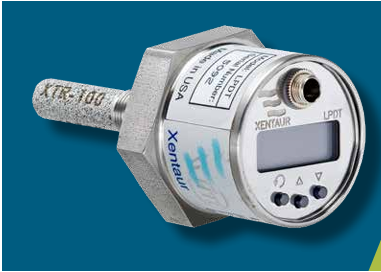
COSA Xentaur Loop Powered Transmitter LPDT
The COSA Xentaur Loop Powered Transmitter LPDT is a high-precision gas detection solution built for continuous monitoring in hazardous environments. Designed for safety-critical operations, this compact yet rugged transmitter integrates seamlessly into industrial control systems via 4-20mA loop power. It’s the go-to device for chemical plants, refineries, and oil & gas facilities where reliable gas monitoring is essential.
Engineered to perform in harsh environments, the LPDT offers accurate detection with long-term stability and minimal maintenance. With its explosion-proof enclosure, easy calibration process, and flexible mounting options, this device ensures operational safety and regulatory compliance across Class I Division 1 and ATEX Zone 1 areas.
Key Features:
✅ Class I, Division 1 Certified – Safe for North American hazardous locations
✅ ATEX Zone 1 Rated – Suitable for explosive atmospheres
✅ 4-20mA Loop-Powered Output – Simple integration with control systems
✅ Rugged Explosion-Proof Housing – Built for hazardous area installations
✅ Modular Sensor Design – Fast and easy replacement in the field
✅ High Stability – Long calibration interval reduces maintenance needs
✅ Multiple Gas Compatibility – Supports various toxic and combustible gases
✅ NEMA 4X/IP66 Rated – Dust-tight and weather-resistant
✅ Simple Two-Button Interface – User-friendly setup and calibration
✅ Remote Calibration Capability – Enhances worker safety and uptime
📦 Package Options:
🔹 LPDT Base Unit – Without sensor
🔹 LPDT + Sensor Head – Choose from available gas sensors
🔹 LPDT + Remote Sensor Kit – Includes cable and mounting bracket
COSA Xentaur LPDT Technical Specifications:
| Specification | Details |
|---|---|
| Model | COSA Xentaur LPDT |
| Power Supply | Loop Powered (4–20 mA) |
| Output Signal | 4–20 mA Analog Signal |
| Certification | Class I Division 1, ATEX Zone 1 |
| Ingress Protection | IP66 / NEMA 4X |
| Display | Optional digital display |
| Calibration | Manual or Remote Calibration |
| Interface | Two-button interface |
| Compatible Gases | Toxic & Combustible Gases (configurable) |
| Operating Temperature | -20 °C to +50 °C (-4 °F to 122 °F) |
| Humidity Range | 0–95% RH (non-condensing) |
| Housing Material | Explosion-Proof Aluminum |
| Mounting Options | Wall, Pipe, or Remote Sensor Mount |
| Weight | 1.2 kg (2.65 lbs) |
Certifications & Compliance:
🔗 Class I Division 1 – Certified for use where flammable gases are present continuously or intermittently
🔗 ATEX Zone 1 – Approved for explosive gas atmospheres
🔗 IP66 / NEMA 4X – Resistant to dust, water jets, and corrosion
🔗 Download Datasheet
Applications of COSA Xentaur LPDT:
🔹 Oil & Gas
🔹 Petrochemical Facilities
🔹 Refineries
🔹 Chemical Manufacturing
🔹 Industrial Gas Plants
What’s in the Box?
📦 1x LPDT Transmitter
📦 1x Sensor Head (if selected)
📦 1x Mounting Bracket Kit
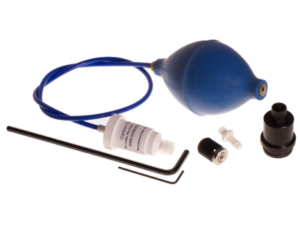
📦 1x Calibration Adapter
📦 1x Documentation Kit
Ordering & Shipping Details
📦 Lead Time: 10 weeks
📍 Shipping Terms: Worldwide delivery with expedited shipping available
💳 Payment Options: Credit Card, PayPal, and Net 30 terms upon approval
FAQs:
What gases can the COSA LPDT detect?
It supports a wide range of toxic and combustible gases, depending on the sensor module selected.
Is this device certified for Class I Division 1?
Yes, it is fully certified for use in Class I Division 1 hazardous locations.
Does it require a separate power supply?
No, it is loop-powered and operates on a standard 4-20mA connection.
How often does it require calibration?
The transmitter features high long-term stability, with recommended calibration every 6–12 months depending on use conditions.