

























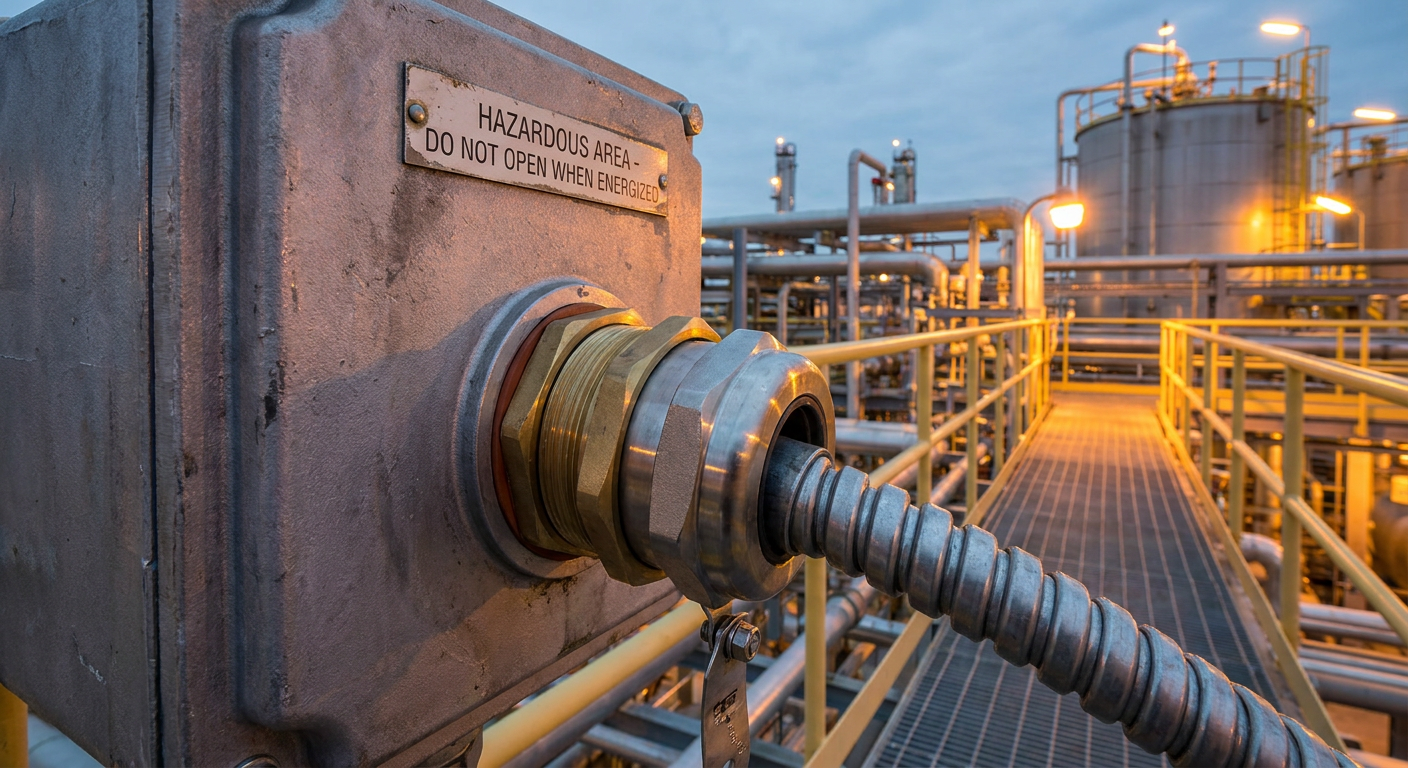
In the high-stakes world of hazardous area operations, safety is a system built from countless interconnected parts. While massive motors and complex control panels often capture our attention, the integrity of the entire system frequently hinges on one of the smallest and most overlooked components: the cable gland. It is a common but dangerous mistake to view these devices with a “fit and forget” mentality, treating them as simple hardware rather than the critical safety components they are. This approach ignores the dynamic reality of industrial environments, where vibration, corrosion, temperature extremes, and chemical exposure relentlessly work to degrade even the most robust installations. A compromised cable gland can nullify the expensive and complex explosion protection of an entire piece of equipment, creating a direct pathway for a catastrophic event. To counter this risk, a more sophisticated and holistic philosophy is required—a complete lifecycle management strategy. This guide will take you on a comprehensive journey through this essential process, exploring how to manage an Ex cable gland from its initial specification and selection, through meticulous installation, diligent inspection, and eventual replacement, ensuring that this vital link in your safety chain remains strong and secure for its entire operational life.
Understand ATEX Certification for Hazardous Areas
Ensure your cable glands and overall installations meet the strictest compliance standards. Review our comprehensive guide on ATEX-certified equipment to navigate international safety regulations and mitigate operational risks.
Read the ATEX Compliance GuideA Deep Dive into Cable Gland Lifecycle Management in Hazardous Areas
When we talk about safety in hazardous areas, the conversation often gravitates towards large, complex equipment like motors, control panels, and lighting fixtures. While these are undeniably critical, the integrity of any Ex installation is only as strong as its weakest link. In many cases, that weak link can be a component that is small, often overlooked, and deceptively simple: the cable gland. To truly ensure long-term safety and compliance in explosive atmospheres, we must move beyond a simple “fit and forget” mentality and embrace a comprehensive philosophy known as lifecycle management. This approach treats the cable gland not as a disposable commodity, but as a critical safety device whose performance must be managed from its initial specification all the way through to its eventual replacement. It is a continuous process of planning, execution, verification, and documentation that ensures the gland performs its vital function of maintaining the explosion protection concept for the entire operational life of the equipment it is connected to.
Lifecycle management for an Ex cable gland can be broken down into four interconnected phases: Specification and Selection; Installation; Inspection and Maintenance; and finally, Replacement and Decommissioning. Each phase presents its own unique challenges and requires a distinct set of skills and knowledge. A failure or oversight in any one of these stages can have a cascading effect, compromising the safety of the entire system. For instance, selecting a technically perfect cable gland is rendered useless if it is installed incorrectly. Similarly, a flawless installation can degrade over time if it is not subject to a robust inspection and maintenance regime. This holistic view is what separates a truly safe installation from one that merely looks compliant on paper. It is a shift in mindset from a one-time task to an ongoing responsibility, demanding diligence from the design engineer in the office to the technician on the plant floor. Understanding this complete journey is the first and most crucial step for any professional working with Ex-rated electrical systems.
The lifecycle begins with the Specification and Selection phase, which is arguably the most critical. The decisions made here will dictate the potential for safety for the gland’s entire life. Making the wrong choice at this stage creates a fundamental flaw that no amount of expert installation or diligent inspection can fully rectify. The selection process is a meticulous exercise in matching the gland’s capabilities to the specific demands of the application and the hazardous environment. This goes far beyond simply matching the thread size. The engineer must consider the type of explosion protection required (e.g., Ex ‘d’ flameproof, Ex ‘e’ increased safety), the specific gas or dust group present, and the temperature class of the area. Furthermore, the physical properties of the cable itself are paramount. Is it an armoured cable requiring a clamping mechanism for the armour, or is it unarmoured? What is the overall diameter of the cable, and more importantly, the diameter of the inner bedding? The gland’s seals must be perfectly matched to this diameter to provide a certified level of ingress protection (IP rating) and, in the case of a flameproof gland, to prevent the propagation of an internal explosion. Material selection is another crucial consideration, factoring in potential corrosion from chemicals or saline environments. A brass gland might be suitable for a general industrial setting, but in a marine or chemical processing environment, stainless steel or a specialized polymer might be essential to prevent degradation that could compromise the seal or flamepath. This stage requires a thorough review of manufacturer datasheets, certification documents (like ATEX or IECEx certificates), and the specific standards relevant to the installation.
Once the correct gland has been selected, the lifecycle moves into the Installation phase. This is where the theoretical safety specified by the engineer is translated into physical reality. It is also the phase where human error poses the greatest risk. A cable gland is not a simple plumbing fitting; it is a precision-engineered safety component, and its installation must be treated as such. The work must be carried out by personnel who are not only competent in general electrical work but have also received specific training on the installation of Ex-rated cable glands. Every gland manufacturer provides detailed installation instructions, and these must be followed to the letter. Deviating from these instructions, even in what might seem like a minor way, can invalidate the certification and compromise safety. Common installation errors include over-tightening, which can damage the cable’s inner sheath, crush the seals, and lead to a phenomenon known as ‘cold flow’ that loosens the connection over time. Conversely, under-tightening is equally dangerous, as it can result in a poor seal, allowing moisture or dust ingress, and in a flameproof gland, it can create a gap in the flamepath that is too large to cool escaping hot gases, thereby failing to prevent ignition of the external atmosphere. Other critical steps include the proper preparation of the cable, ensuring it is clean and cut squarely, and the correct termination of the armour for armoured glands to ensure both electrical earth continuity and mechanical retention. The use of correct, manufacturer-approved tools is also non-negotiable. Using an adjustable wrench instead of a properly sized spanner, for example, can damage the gland’s body and prevent the application of the correct torque, setting the stage for a future failure.
Following a successful installation, the gland enters its longest phase: Inspection and Maintenance. During this operational period, the gland is subjected to the rigours of the plant environment, including vibration, temperature cycling, corrosion, and potential impact. The purpose of inspection and maintenance is to verify that the gland continues to provide the level of protection it was designed for. The frequency and type of inspection are dictated by standards such as IEC 60079-17, which outlines three grades of inspection: visual, close, and detailed. A visual inspection can be done from a distance and looks for obvious signs of damage or corrosion. A close inspection is hands-on, checking for the gland’s security, signs of damage to the cable at the entry point, and any visible degradation of the seals. A detailed inspection may require the equipment to be de-energized and partially disassembled to check internal components, a process that should only be undertaken by highly competent personnel under a strict permit-to-work system. Inspectors are trained to look for subtle clues of impending failure: rust streaks indicating a breach in the material or coating, cracking or hardening of elastomeric seals due to UV or chemical exposure, and any signs that the gland has become loose. Maintenance on cable glands is typically minimal if the selection and installation were performed correctly. It may involve cleaning the exterior to allow for proper inspection or, in very specific circumstances and following manufacturer guidance, re-torquing the gland. Any gland that shows significant signs of damage or degradation must be flagged immediately for replacement, leading to the final phase of its lifecycle.
The final phase, Replacement and Decommissioning, closes the loop. A cable gland may need to be replaced for several reasons: it may have been damaged, it may have reached the end of its operational life as determined by environmental factors, or the system itself may be undergoing a modification that requires a different cable. The process of replacing a gland is just as critical as the initial installation. All the same safety procedures, permits, and competency requirements apply. The area must be made safe, the equipment de-energized and isolated, and the old gland removed carefully. This stage also provides a valuable learning opportunity. The decommissioned gland should be examined to understand why it needed replacement. Was the failure due to corrosion? This might suggest that a different material should be used for the new gland. Was it physical damage? This might indicate a need for additional mechanical protection in that area. Was the seal degraded? Perhaps a material with better chemical or UV resistance is required. This feedback loop is the “management” aspect of lifecycle management. It allows engineers and technicians to continuously improve the safety and reliability of the plant by learning from the performance of components in the real world. By documenting these findings and using them to inform future selection and installation practices, the entire safety system becomes more robust and resilient, ensuring that the critical, often-underestimated role of the cable gland is managed with the professionalism it demands throughout its entire life.

Defining Roles and Responsibilities in Ex Cable Gland Management
Ensuring the long-term safety and integrity of an Ex installation is not the burden of a single individual but a shared responsibility woven through every stage of a cable gland’s lifecycle. Establishing clear ownership and accountability from initial specification to eventual replacement is the cornerstone of a robust hazardous area safety strategy. When a component as critical as a cable gland fails, the consequences can be catastrophic, and a thorough investigation will inevitably trace the failure back to a breakdown in this chain of responsibility. Therefore, understanding who is accountable at each step is not merely a procedural formality; it is a fundamental practice in risk mitigation. This collective ownership ensures that every decision, every action, and every inspection is performed with the highest level of diligence, competence, and awareness of the high-stakes environment in which these components operate.
The Specification and Design Engineer: The Architect of Safety
The lifecycle of an Ex cable gland begins long before it is ever physically handled on site; it starts on the desk of the specification or design engineer. This individual carries the immense responsibility of interpreting the hazardous area classification data and translating it into a precise, compliant, and effective component selection. Their task begins with a deep analysis of the hazardous environment, including the gas or dust group (e.g., IIA, IIB, IIC), the temperature class (T-rating), and the required Ingress Protection (IP) rating to prevent the ingress of dust and moisture. They must then meticulously match these environmental demands with the specific application, considering the type of cable being used—whether it is armoured or unarmoured, its material, and its overall diameter—and the type of Ex protection concept employed by the enclosure it will terminate into (e.g., Ex d, Ex e, Ex i). This initial selection, documented in the project specifications, is the foundational step upon which all subsequent safety depends. Choosing the right component from a range of certified Ex cable glands is not merely a technical choice; it is the first critical link in the safety chain. An error at this stage, such as specifying a gland with an incorrect T-rating or one that is incompatible with the cable’s armour, can create a latent failure point that may not be discovered until it is too late. The engineer is therefore responsible for creating a specification that is not only compliant with standards like IEC 60079-14 but is also unambiguous, leaving no room for misinterpretation by procurement or installation teams.
The Procurement and Purchasing Team: The Gatekeepers of Compliance
Once the specification is set, the responsibility shifts to the procurement or purchasing department. Their role extends far beyond simply sourcing the specified part at the best price. In the context of Ex equipment, they act as crucial gatekeepers of compliance. Their primary responsibility is to ensure that the product they purchase is the exact product specified by the design engineer, complete with the correct certifications and markings. The temptation to substitute a specified gland with a seemingly “equivalent” but cheaper alternative from an unverified supplier is a significant risk. Such substitutions, often made without a full understanding of the technical nuances of Ex certification, can introduce non-compliant and dangerous components into a critical safety system. The procurement team must be trained to recognise the importance of certification documents, to verify the authenticity of the supplier, and to understand that in hazardous areas, “equivalent” is not good enough unless it has been technically approved by a competent person. They are responsible for maintaining a clear purchasing trail, ensuring that the delivered goods match the purchase order and the original engineering specification, and that all relevant documentation, such as the EU Declaration of Conformity and installation instructions, is received with the components and passed along to the relevant teams.
The Competent Installation Technician: Where Theory Meets Reality
The installation phase is where the theoretical safety designed by the engineer is made real. The responsibility here falls squarely on the shoulders of the competent installation technician or electrician. The term “competent” is key; it implies that the individual has the necessary training, knowledge, and experience to perform the work safely and correctly according to recognised standards, such as those demonstrated by a CompEx certification. Their responsibility is to install the cable gland in strict accordance with the manufacturer’s instructions. This is not a step to be overlooked or rushed. Every detail matters: ensuring the cable is prepared correctly, assembling the gland’s components in the proper sequence, tightening the gland to the correct torque value to achieve an effective seal without damaging the cable’s inner sheath, and properly terminating the armour for both earth continuity and pull-out resistance. A perfectly specified and procured gland can be rendered completely ineffective by poor installation. For instance, under-tightening can compromise the IP rating and the flamepath, while over-tightening can damage the cable and the gland’s seals, creating a potential point of failure. The installer is the last person to handle the gland before it is energised, and they are responsible for visually inspecting it to ensure it is the correct type, free from damage, and installed in a way that guarantees its Ex protection method will function as intended.
The Diligent Inspector and Maintenance Personnel: The Guardians of Long-Term Integrity
Once an installation is commissioned, the responsibility for its continued safety transitions to inspection and maintenance personnel. The lifecycle of a cable gland is not over; it has simply entered its operational phase. According to standards like IEC 60079-17, all Ex equipment, including cable glands, must be subjected to a regular regime of inspections. These inspections can be visual (from a distance), close (within arm’s length), or detailed (requiring the equipment to be opened and sometimes de-energised). The inspector is responsible for meticulously checking the condition of every installed cable gland. They are looking for signs of corrosion, physical damage from impact, incorrect fitting, evidence of modification, and ensuring the gland is still securely tightened. They check that the gland’s seals are not showing signs of cracking or perishing due to environmental factors like UV exposure or chemical attack. This role requires a sharp eye and a deep understanding of what to look for. The inspector’s findings, meticulously recorded in the site’s Ex equipment register, directly inform the maintenance strategy. They are responsible for identifying when a gland is no longer fit for service and needs to be replaced, thereby preventing a potential failure before it can occur. This ongoing vigilance is what ensures the installation remains as safe as the day it was first signed off.
The Accountable Site Manager or Asset Owner: The Ultimate Responsibility
Finally, the ultimate responsibility for the entire lifecycle rests with the site manager or asset owner. This individual or entity holds the overarching legal and moral duty to ensure the safety of the facility and its personnel. While they may delegate specific tasks to engineers, technicians, and inspectors, they cannot delegate the ultimate accountability. Their responsibility is to create and enforce a safety management system that ensures every other role in this chain is filled by competent individuals. They must ensure that proper procedures for specification, procurement, installation, and inspection are in place and are being followed. They are responsible for allocating sufficient resources—time, training, and budget—for the correct management of Ex equipment. Furthermore, they are responsible for ensuring that all necessary documentation, from design specifications to inspection records, is created, maintained, and readily available, forming an unbroken “golden thread” of evidence that demonstrates due diligence and compliance. In the event of an incident, it is the asset owner who will be held accountable for the integrity of this entire system. Their role is to foster a pervasive culture of safety where the critical importance of every component, no matter how small, is understood and respected by everyone on site.
Unlocking Long-Term Safety and Efficiency: The Core Benefits of Ex Cable Gland Lifecycle Management
Adopting a comprehensive lifecycle management strategy for cable glands in Ex installations is not merely a procedural enhancement; it is a fundamental shift in philosophy from a reactive, “fit and forget” mindset to a proactive, continuous cycle of safety and operational assurance. This strategic approach acknowledges that a cable gland is not a static component but a dynamic seal, constantly interacting with its environment and subject to degradation over time. The benefits of this structured oversight extend far beyond simple compliance, permeating every facet of a hazardous area operation, from the safety of personnel on the ground to the financial health of the entire enterprise. By treating the selection, installation, inspection, and eventual replacement of each gland as interconnected stages of a single, crucial process, facilities can unlock profound advantages in safety, reliability, and long-term cost-effectiveness. This holistic view transforms the humble cable gland from a simple commodity into a managed asset, a critical control barrier whose integrity is actively and meticulously maintained throughout its operational life.
The most significant and non-negotiable benefit of a robust lifecycle management program is the profound enhancement of site safety. In a hazardous environment, a cable gland’s primary function is to maintain the integrity of the explosion protection concept of the enclosure it terminates into. Whether it’s a flameproof (Ex d) enclosure designed to contain an internal explosion or an increased safety (Ex e) enclosure designed to prevent sparks and hot surfaces, the cable gland is the critical link that upholds that protection. A lifecycle approach ensures this barrier is never compromised. For instance, without regular inspection, the elastomeric seals within a gland can degrade due to UV exposure, chemical attack, or extreme temperature cycling. This degradation leads to hardening, cracking, and a loss of sealing pressure, creating a potential flame path or ingress point for flammable gases or dust. A structured management program, with its scheduled inspections, identifies this degradation long before it becomes a critical failure. It ensures that the gland selected was correct for the cable type and diameter in the first place, preventing common installation errors like “cold flow” in the seals, which can compromise the seal over time. This proactive vigilance directly prevents the conditions that could lead to a catastrophic incident, safeguarding human life and protecting the facility from devastating consequences.
Beyond the immediate safety implications, rigorous lifecycle management is the bedrock of sustained regulatory and standards compliance. Navigating the complex web of international and regional standards, such as IEC 60079, ATEX, and IECEx, is a major challenge for any operator in the hazardous area sector. These standards don’t just govern the initial selection and installation; they implicitly demand ongoing verification to ensure the installation remains compliant for its entire life. A lifecycle management system provides the framework and, crucially, the documented evidence to demonstrate this due diligence. When an auditor arrives on site, they are not just looking at the present state of the installation; they are assessing the processes that keep it safe. Having a detailed record for each gland—documenting the initial selection rationale, installation torque values, the name of the certified installer, and a full history of inspection dates, findings, and corrective actions—provides an unimpeachable audit trail. This traceability proves that the facility is not merely compliant by chance but is actively managing its explosion-proof integrity. This systematic approach de-risks the operation from a legal and financial standpoint, preventing costly fines, forced shutdowns, and the severe reputational damage that accompanies non-compliance.
From an operational perspective, the implementation of cable gland lifecycle management is a direct driver of increased plant reliability and uptime. In any complex industrial process, unplanned downtime is a significant source of financial loss. A single failed cable gland, seemingly a minor component, can be the root cause of a major shutdown. If a gland fails to prevent moisture or dust ingress (loses its IP rating), it can lead to the short-circuiting and failure of critical control and instrumentation equipment. This can halt a production line, disrupt a refining process, or take a vital safety system offline. A lifecycle management program functions as a form of predictive maintenance for these critical connection points. Regular, detailed inspections can identify early signs of seal fatigue, corrosion on the gland body, or improper strain relief on the cable before they lead to equipment failure. By scheduling the replacement of a deteriorating gland during a planned maintenance window, the facility avoids the chaos and exorbitant cost of an emergency shutdown. This proactive stance ensures process continuity, maximises asset availability, and contributes directly to the operational efficiency and profitability of the plant. The initial investment in high-quality components is a key part of this strategy; you can browse our range of durable, certified solutions on our products page to see how superior materials contribute to a longer, more reliable service life.
Finally, embracing a full lifecycle perspective delivers significant long-term cost-effectiveness by focusing on the Total Cost of Ownership (TCO) rather than just the initial purchase price of the gland. A common but dangerous mistake is to select cable glands based on the lowest unit cost, without considering the long-term financial implications. A cheaper, lower-quality gland may be more susceptible to environmental degradation, require more frequent inspections and maintenance, and have a shorter operational lifespan, leading to higher replacement costs over time. The true TCO calculation must encompass the initial acquisition cost, installation labour, the cost of the inspection and maintenance program, and, most importantly, the potential cost of failure. The cost of a single failure—factoring in lost production, emergency repair labour, potential equipment damage, and possible regulatory fines—can easily dwarf the entire initial procurement cost of all the glands on a project. A lifecycle management approach inherently favours the selection of high-quality, durable glands that are correctly specified for the application. While the upfront cost may be slightly higher, these superior components reduce the frequency of maintenance interventions, extend the period between replacements, and drastically lower the risk of a costly failure. This strategic investment results in a significantly lower TCO, demonstrating that proper management of these critical components is not a cost centre, but a powerful tool for financial optimisation and risk mitigation.

Getting Started: A Practical Framework for Cable Gland Lifecycle Management in Ex Environments
Embarking on a structured lifecycle management program for cable glands within your hazardous area installations is one of the most significant steps you can take to enhance safety, ensure compliance, and improve operational reliability. This process is not merely an administrative task but a fundamental engineering discipline that begins long before a gland is ever tightened onto a cable. It is a continuous cycle of planning, execution, verification, and action that safeguards the integrity of your entire Ex electrical system. The initial phase involves establishing a robust framework that integrates selection, installation, inspection, and maintenance into a single, cohesive strategy. This foundational work ensures that every cable gland, from the moment it is specified to the day it is decommissioned, performs its critical safety function without fail. A lapse at any stage can compromise the explosion protection concept, potentially turning a multi-million-dollar piece of certified equipment into an uncertified, and therefore dangerous, ignition source. Getting started means shifting the mindset from viewing cable glands as simple commodity components to recognizing them as engineered safety devices that demand meticulous attention throughout their entire operational life.
The Foundation: Rigorous Selection and Specification
The very first step in the lifecycle of a cable gland is its selection, a process that requires deep technical consideration and cannot be overstated in its importance. A common pitfall is to treat gland selection as an afterthought, but this initial decision dictates the potential for safety and reliability for years to come. Your starting point should be a comprehensive analysis of the application’s specific requirements. This begins with the cable itself. You must have precise data on the cable’s construction, including its type (armoured or unarmoured), the material of the outer sheath, and its exact outer and, if applicable, inner bedding diameters. The gland must be certified to form an effective seal on that specific cable diameter range; a mismatch can lead to a loss of ingress protection (IP rating) or, more critically, a failure of the flameproof path. Beyond the cable, you must match the gland’s protection concept to that of the enclosure it will be terminating into. For instance, a flameproof (Ex d) enclosure requires a certified Ex d barrier gland or a specific type of compression gland, depending on the cable and installation conditions, to contain an internal explosion and prevent it from propagating to the surrounding hazardous atmosphere. Conversely, an increased safety (Ex e) enclosure requires a gland that maintains its IP rating and provides secure cable retention to prevent strain on the internal terminals. For a deeper dive into the various types and their specific applications, exploring our extensive range of certified cable gland products can provide valuable context. Furthermore, environmental factors are paramount. You must specify a gland material, such as nickel-plated brass, stainless steel, or a specialized polymer, that can withstand the corrosive agents, temperature extremes, and UV exposure present in its intended location. Creating a detailed ‘Cable Gland Schedule’ or specification sheet for your project is a best practice that formalizes this process, ensuring consistency and providing a crucial document for procurement, installation, and future inspections.
Equip Your Facility with Industrial-Grade Cables
The integrity of your cable gland relies entirely on the quality of the cable it terminates. Source rugged, high-performance cables engineered specifically for power, energy, and hazardous area applications.
Browse Power & Energy CablesThe Critical Phase: Ensuring Competent and Correct Installation
Once the correct gland has been specified and procured, the focus shifts to the installation phase, which is arguably the most critical point where human error can undermine the entire safety case. A perfectly selected gland, if installed incorrectly, offers no protection. Therefore, establishing a protocol for competent installation is a non-negotiable part of your lifecycle management program. This begins with ensuring that all personnel tasked with fitting cable glands in hazardous areas are not just experienced electricians but are demonstrably competent according to standards like IEC 60079-14. This often means they hold recognized CompEx certifications or have undergone equivalent, rigorous training and assessment. Your installation protocol must mandate the strict adherence to the manufacturer’s installation instructions for each specific gland type. These instructions contain vital information regarding the sequence of assembly, the preparation of the cable, and, most importantly, the precise torque values for tightening the gland’s components. The use of calibrated torque wrenches is not a luxury; it is a necessity to prevent the two most common and dangerous installation faults: under-tightening and over-tightening. An under-tightened gland will fail to achieve the required IP seal and may not provide adequate cable clamping, leading to potential pull-out. An over-tightened gland can damage the cable’s inner bedding, compromise the sealing ring, or even induce cold flow in the cable sheath over time, eventually leading to a loose connection and a failed seal. Your framework should also include verification steps, such as a secondary inspection by a supervisor or a quality control inspector, before the equipment is energized. Documenting each installation with a sign-off sheet that records the installer, the date, the equipment tag, and the torque values applied provides invaluable traceability for future maintenance and audits.
The Ongoing Commitment: Establishing Inspection and Maintenance Regimes
Lifecycle management is, by its nature, an ongoing process. After correct installation, the focus transitions to a structured regime of inspection and maintenance designed to ensure the gland continues to perform its safety function throughout its operational life. The international standard IEC 60079-17 provides the definitive framework for this, outlining the types and frequencies of inspections required for Ex equipment. Your management plan should incorporate these requirements, tailoring them to your site’s specific environmental conditions and operational risks. Inspections are typically graded into three levels: visual, close, and detailed. A visual inspection can be done from a distance to check for obvious signs of damage or corrosion. A close inspection is more thorough, performed within arm’s length to check the security of the gland, the condition of the cable entry, and any visible degradation of the seals. A detailed inspection, which may require the equipment to be de-energized and opened, is the most comprehensive, allowing for the verification of internal seals and connections. Your plan must define the periodicity for each inspection level for different plant areas. For example, glands in a harsh, corrosive offshore environment will require a much more frequent and rigorous inspection schedule than those in a climate-controlled indoor Zone 2 area. The maintenance aspect of your plan should be proactive rather than reactive. This involves tasks such as periodic cleaning of glands to remove corrosive deposits, checking and re-tightening connections if permitted by the manufacturer and site procedures, and replacing any damaged or excessively corroded components. Meticulous record-keeping is the backbone of this phase. Every inspection and maintenance action must be logged against the specific asset tag, creating a complete history that is essential for demonstrating compliance to regulatory bodies and for identifying trends that might indicate a systemic issue with a particular gland type or installation practice.
Ex Cable Gland Lifecycle Management
| Phase | Primary Responsibility | Key Actions | Critical Risks if Mishandled |
|---|---|---|---|
| Specification & Selection | Design Engineer & Procurement | Analyze hazardous environment (gas/dust, T-rating, IP rating). Match protection concept (Ex d, Ex e) and select appropriate materials for environmental stressors. | Fundamental flaws in safety concept; incompatible materials leading to rapid degradation. |
| Installation | Competent Technician | Strictly follow manufacturer instructions. Apply correct torque values using calibrated tools. Properly prepare cable and terminate armor. | Compromised flamepath; seal damage due to over-tightening (cold flow) or loose connections. |
| Inspection & Maintenance | Inspector & Maintenance Personnel | Conduct visual, close, and detailed inspections per IEC 60079-17. Monitor for corrosion, seal degradation, and physical damage. Maintain meticulous records. | Unnoticed deterioration of seals or structure, creating direct pathways for a catastrophic event. |
| Replacement & Decommissioning | Site Manager & Asset Owner | Replace components based on condition triggers (not age). Analyze decommissioned glands to inform future selection. Ensure proper change documentation. | Continued use of safety devices that are no longer fit for purpose; failure to learn from real-world wear. |
Navigating the Timeline: When to Implement Cable Gland Lifecycle Management in Ex Environments
The question of when to perform lifecycle management on cable glands in hazardous areas is not one with a simple, calendar-based answer. It is a common misconception to view this process as a singular event, such as a five-year or ten-year replacement schedule. Instead, a robust lifecycle management strategy is a continuous, evolving process that begins long before the gland is ever installed and continues until its final, documented decommissioning. The “when” is not a point in time, but rather a series of critical stages and triggers throughout the asset’s entire operational existence. A forward-thinking engineer or technician understands that the most effective management is proactive, not reactive, and is woven into the very fabric of the facility’s safety and maintenance culture. This approach shifts the focus from merely replacing a failed component to actively preserving the integrity of the entire explosion protection system, thereby safeguarding personnel, protecting assets, and ensuring regulatory compliance.
The Foundational Stage: Pre-Installation and Design
The absolute most critical and impactful time to begin lifecycle management is during the initial design, specification, and procurement phase. This is the point of maximum leverage, where decisions have the most profound and long-lasting consequences on safety, reliability, and long-term cost. Choosing the wrong cable gland at this stage can lock an installation into a future of frequent, costly, and high-risk maintenance interventions. The selection process must go far beyond simply matching the cable diameter and thread size. It requires a holistic assessment of the operational environment. Factors such as the specific gas or dust group, the ambient and operating temperature range, the potential for exposure to corrosive chemicals, the level of UV radiation, and the presence of mechanical stress or vibration must all be meticulously considered. Opting for a lower-cost nickel-plated brass gland in a highly corrosive offshore environment, for instance, is a false economy that will inevitably lead to premature degradation and a compromised Ex protection concept. A more appropriate choice, such as a 316L stainless steel gland, while having a higher initial purchase price, offers vastly superior corrosion resistance, extending its reliable service life and drastically reducing the frequency of replacement. This is the essence of considering Total Cost of Ownership (TCO) over simple upfront cost. At this stage, lifecycle management involves documenting the rationale for the selection, ensuring the chosen product has the correct and current certifications (ATEX, IECEx, etc.), and confirming its suitability for the specific protection concept (Ex d, Ex e, etc.).
The Critical Checkpoint: Installation and Commissioning
The next crucial “when” occurs during the installation and commissioning of the equipment. A perfectly specified cable gland can be rendered completely ineffective, and even dangerous, by improper installation. This phase represents the transition from theoretical safety to applied safety. Lifecycle management at this point is about establishing a verified and documented baseline. The installation must be carried out by competent personnel who are not only trained in the correct assembly techniques for that specific make and model of gland but who also understand the critical importance of each step. This includes ensuring the cable’s bedding and armour are prepared correctly, tightening the gland to the manufacturer’s specified torque values to achieve a proper seal without damaging the cable or the gland’s components, and verifying the integrity of the ingress protection (IP) seal. Upon completion, an initial detailed inspection, as prescribed by standards like IEC 60079-17, should be performed and meticulously documented. This initial inspection report becomes the foundational document for the gland’s entire service life. It captures the “as-installed” condition, providing a benchmark against which all future inspections will be compared. Without this baseline, it becomes incredibly difficult to accurately assess the rate of degradation or identify subtle changes over time. This is the moment to confirm that the right gland was installed in the right place, in the right way, and to create the first entry in its lifecycle record.
The Ongoing Vigil: Routine Inspection and Maintenance
Once the installation is operational, lifecycle management enters its longest phase: ongoing inspection and maintenance. The “when” during this period is dictated by a risk-based inspection schedule. International standards, such as IEC 60079-17, provide a framework for this, recommending maximum intervals for different grades of inspection (visual, close, and detailed). However, these are maximums, not mandatory schedules. The actual frequency must be determined by the end-user based on the specific environmental conditions, the equipment’s criticality, and the manufacturer’s recommendations. For instance, a cable gland on a static control panel in a climate-controlled indoor Zone 2 area may only require a close inspection every three years. In stark contrast, a gland on a high-vibration pump motor in a coastal, saline Zone 1 environment with significant temperature fluctuations might demand a close inspection annually, or even every six months. The environmental stressors are the key determinant. Constant vibration can cause components to loosen over time, compromising both the flamepath and the IP seal. Extreme temperature cycling causes materials to expand and contract at different rates, which can reduce the compression on elastomeric seals, leading to a loss of sealing effectiveness. Exposure to aggressive chemicals or salt spray can accelerate corrosion, potentially eating away at the gland body or seizing the threads, making future maintenance impossible without destroying the gland. Therefore, the “when” of inspection is a dynamic variable, not a fixed constant. It is a judgement made by competent engineers and technicians based on a thorough understanding of the risks.
The Trigger Point: Degradation and Replacement
The final “when” in the active lifecycle of a cable gland is the point at which it must be replaced. This decision should not be based on the component’s age but on its condition. A cable gland does not have a fixed “best before” date. Its replacement is triggered when an inspection reveals that it is no longer fit for purpose and cannot guarantee the integrity of the Ex protection concept. The signs that trigger a replacement are varied and must be identified by a trained inspector. Obvious physical damage, such as cracks in the gland body or a bent entry thread, is a clear indicator. Heavy corrosion that pits the surface, especially on the flamepath of an Ex d gland, or that prevents the gland from being properly tightened, necessitates immediate replacement. The condition of the elastomeric seals is paramount; if they are brittle, cracked, swollen, or show signs of significant “compression set” (failing to rebound when pressure is released), they can no longer provide a reliable seal against either the environment or the propagation of an internal explosion. Similarly, stripped threads on any part of the assembly, a deluge seal that has perished, or a shroud that has become brittle and fallen apart all compromise the gland’s function. The decision to replace is the culmination of the lifecycle management process. It is the point where the accumulated data from previous inspections informs a proactive safety intervention, removing a degraded component from service before it can contribute to a catastrophic failure. This proactive stance is not just best practice; it is a fundamental pillar of process safety in hazardous environments.
A Comprehensive Guide to Ex Cable Gland Lifecycle Management
Managing the lifecycle of a cable gland within an explosive (Ex) atmosphere is a task that demands precision, foresight, and an unwavering commitment to safety standards. It is a journey that begins long before a technician ever touches the component and extends far beyond the initial installation. Each stage—from selection and installation to ongoing inspection and eventual replacement—is a critical link in a chain that protects personnel, assets, and the environment. Viewing a cable gland not as a simple piece of hardware, but as a dynamic safety device whose performance must be guaranteed over time, is the foundational principle of effective lifecycle management. This approach moves beyond a “fit and forget” mentality, which is dangerously inadequate for hazardous areas, and embraces a holistic, documented process that ensures the integrity of the Ex protection concept is never compromised. This comprehensive management is not just a best practice; it is a fundamental requirement under standards like IEC 60079, ensuring that the initial safety certification of the equipment is maintained throughout its entire operational life.
The Critical First Step: Meticulous Selection and Specification
The lifecycle of an Ex cable gland begins with the selection process, a phase where incorrect decisions can introduce latent failures that may not become apparent until it is too late. The selection is far more complex than simply matching the gland size to the cable diameter. It requires a deep and thorough analysis of the application’s specific environmental, mechanical, and electrical demands. The first consideration must always be the type of protection required by the hazardous area classification. A cable gland intended for an Ex d (flameproof) enclosure must be certified as such, capable of containing an internal explosion and preventing its propagation to the surrounding atmosphere. In contrast, a gland for an Ex e (increased safety) installation must ensure it does not produce sparks or arcs and maintains its ingress protection (IP) rating to prevent the ingress of dust and moisture, which could compromise the terminals within the enclosure. The material of the gland is another paramount consideration. In a corrosive offshore environment, a standard nickel-plated brass gland might quickly degrade, compromising its structural integrity and sealing capabilities. In such a case, 316L stainless steel or a specialised polymer might be the only viable options. This decision must be informed by a chemical compatibility analysis, considering all substances the gland may be exposed to, including cleaning agents and process fluids. Furthermore, the temperature range of the application dictates the required temperature class of the gland, ensuring the sealing materials remain stable and effective, whether in the freezing conditions of the arctic or the high heat of a processing plant.
Precision in Practice: Installation Best Practices
Once the correct cable gland has been selected, the focus shifts to installation, a stage where human error is the most significant risk factor. A perfectly specified, high-quality gland can be rendered completely ineffective by improper installation techniques. The manufacturer’s installation instructions are not merely guidelines; they are a mandatory part of the certification and must be followed to the letter. The process begins with meticulous cable preparation. The cable sheath must be clean, undamaged, and perfectly round in the area where the seal will be applied. Any nicks, cuts, or flat spots on the cable can create a potential leak path, invalidating the IP rating and, in the case of an Ex d gland, compromising the flamepath. For armoured cables, the preparation of the armour is equally critical. The armour must be terminated correctly within the gland to ensure both mechanical retention and, crucially, electrical earth continuity. A poor earth connection can be a significant ignition risk. The use of proper, calibrated tools is non-negotiable. Applying the correct torque when tightening the gland components is essential. Under-tightening will result in a poor seal and inadequate cable retention, while over-tightening can damage the gland’s seals, the cable’s inner bedding, or even the conductors themselves through a phenomenon known as cold flow, where the insulation material deforms under pressure over time. The sequence of tightening is also vital; typically, the seal on the cable is engaged and tightened before the gland is fully secured to the enclosure, ensuring each part of the system performs its function correctly without being compromised by another.
The Watchful Eye: Inspection, Maintenance, and Testing
Installation is not the end of the journey. To ensure continued safety, a robust inspection and maintenance regime is essential throughout the gland’s operational life, as mandated by standards such as IEC 60079-17. This regime is typically tiered into different levels of inspection. Visual inspections can be carried out as part of routine operator rounds and involve looking for obvious signs of trouble like heavy corrosion, physical damage, or a gland that is visibly loose. These can often be done without de-energizing the equipment. A more thorough ‘close’ inspection requires the inspector to be within arm’s length of the gland to check for more subtle issues. This could involve attempting to move the cable to check for tightness, looking for hairline cracks in the gland body, or checking for signs of degradation in the external seals, such as hardening or crumbling due to UV exposure or chemical attack. The most rigorous level is the ‘detailed’ inspection, which requires the circuit to be de-energized and isolated. This allows the gland to be opened, where applicable and safe, to inspect the internal seals, the armour termination, and the condition of the cable within the gland. The frequency of these inspections is determined by a risk assessment, considering the harshness of the environment and the type of equipment. A gland on a vibrating piece of machinery in a highly corrosive zone will require a much more frequent and detailed inspection schedule than a static installation in a climate-controlled indoor area. Meticulous record-keeping is the backbone of this process, creating a history for each asset that allows for the identification of trends and informs decisions about future maintenance and replacement.
End of Life: The Replacement Process
Every component has a finite lifespan, and the decision to replace a cable gland should be a proactive one, driven by the data gathered during inspections, rather than a reactive response to a failure. The triggers for replacement are varied. Obvious physical damage, severe corrosion that compromises the gland’s structure, or a seal that has lost its elasticity are clear indicators. However, other factors might also necessitate replacement. For instance, if a process change introduces a new chemical to the environment, existing glands may no longer be materially compatible and must be replaced. Similarly, if a detailed inspection reveals an installation error that cannot be rectified without damaging the gland or cable, replacement is the only safe option. The replacement process itself must be treated with the same rigor as a new installation. A like-for-like replacement is often the simplest path, but it is crucial to verify that the original specification is still appropriate for the current operating conditions. If a direct replacement is not available, a thorough management of change process must be implemented to select and approve a suitable alternative, a process that must be documented and approved by a competent authority. All replacement activities must be fully documented, updating the asset’s history to reflect the change and ensure the integrity of the plant’s Ex register is maintained for future reference and compliance audits.
Frequently Asked Questions (FAQs) on Ex Cable Gland Lifecycle Management
Navigating the complexities of hazardous area installations requires a deep understanding of every component, no matter how small. Cable glands are a prime example; they are not merely cable entry devices but critical safety components that form the first line of defence in preventing catastrophic events. Over the years, we’ve received numerous questions from engineers, project managers, and maintenance technicians about the proper handling of these devices throughout their operational life. This section addresses the most common and critical queries, providing detailed, practical answers to help you ensure compliance, safety, and operational integrity in your Ex installations.
What is the real difference between a barrier gland and a standard Ex d gland, and when must I use a barrier type?
This is one of the most crucial questions in cable gland selection, and the answer lies in understanding the specific failure modes of cables and the nature of explosion protection. A standard Ex d (flameproof) cable gland is designed to work with a perfectly manufactured, “healthy” cable. It typically uses a compression seal that grips the outer sheath of the cable to provide an environmental seal (IP rating) and another seal on the inner sheath (if present) to provide cable retention. For flameproof protection, it relies on the cable itself being a solid, continuous barrier that prevents gases from migrating down its internal structure. The gland’s flameproof integrity is maintained at the threaded connection to the enclosure, which forms a precise ‘flamepath’. However, this entire system assumes the cable’s construction is perfectly solid and does not allow for gas migration.
A barrier-type cable gland, on the other hand, makes no such assumption. It is designed for situations where the cable itself could act as a conduit for flammable gas. Instead of just a compression seal, a barrier gland features a chamber that is filled with a two-part epoxy or silicone-based sealing compound. This compound flows around the individual conductors of the cable, creating a 100% gas-tight seal that is independent of the cable’s construction quality. This ‘barrier’ effectively stops any gas that might be migrating through the interstices of the cable from entering the enclosure. The mandate to use a barrier gland, as per standards like IEC 60079-14, arises under specific conditions, including:
- When the cable is not sufficiently compact or has fillers that could degrade or shrink over time, creating potential leak paths.
- In Zone 1 Ex d installations where the connected enclosure has a volume greater than 2 litres.
- When connecting to equipment that contains a source of ignition and is situated in a Zone 1 area, and the cable length is less than 3 metres.
- In environments with gases that have a very small molecular structure (like hydrogen), which can more easily migrate through cable structures.
Essentially, you use a standard Ex d gland when you can guarantee the cable itself will not be a path for gas. You must use a barrier gland when you cannot guarantee this, thereby building the ultimate failsafe directly into the termination.
Can I reuse a cable gland after it has been installed and then removed?
The short and safe answer is a definitive no. A cable gland is fundamentally a single-use safety device. The reasoning behind this is rooted in the mechanics of how its seals and armour-clamping components function. The primary seals within a cable gland, both the outer seal for environmental protection (IP rating) and the inner seal for explosion protection (where applicable), are made from elastomeric materials. During proper installation, these seals are compressed and deformed to create a perfect, tight fit around the cable’s specific diameter. This deformation is permanent; the material takes a ‘compression set’. If you were to remove the gland and attempt to reinstall it, even on the exact same piece of cable, the seal would not be able to replicate its original sealing pressure and integrity. It would be like trying to reuse a crushed gasket; it will inevitably create microscopic gaps that compromise both the IP rating and, more critically, the explosion protection concept.
Furthermore, in the case of armoured cables, the armour clamping ring or cone is designed to bite into the metal armour to create a secure mechanical and electrical bond for earth continuity. This process also involves permanent deformation of the components. Reusing them would result in a poor and unreliable armour lock and a potentially high-resistance earth path, which is a significant safety hazard in itself. The cost of a new, certified cable gland is infinitesimally small compared to the potential cost of an equipment failure, production downtime, or a catastrophic explosion resulting from a compromised seal. Always treat cable glands as a single-use item and replace them whenever an assembly is dismantled.
How often should cable glands in an Ex installation be inspected, and what are the different levels of inspection?
Inspection frequency is not a one-size-fits-all answer; it is determined by a risk-based approach outlined in standards such as IEC 60079-17 (Inspection and maintenance of electrical installations in hazardous areas). The frequency depends on the Zone classification, the harshness of the environment (e.g., presence of corrosive chemicals, salt spray, high vibration, extreme temperatures), and the type of equipment. However, the standard does define three distinct levels of inspection:
- Visual Inspection: This can be performed from a distance, without de-energizing the equipment. For a cable gland, the inspector is looking for obvious signs of damage, such as heavy corrosion, visible cracks in the gland body, or signs that the cable is pulling out of the gland. This is a basic check to ensure the component is still physically intact.
- Close Inspection: This is performed within arm’s length of the equipment, allowing for a more thorough examination without the use of tools or opening the enclosure. The inspector would check for the correct gland type (is the label visible and correct for the area?), ensure the gland is securely attached to the enclosure, check for any signs of cable degradation near the gland entry, and look for damage to the gland body or seals that wasn’t visible from afar.
- Detailed Inspection: This is the most comprehensive level and requires the equipment to be de-energized and isolated. It involves the use of tools and may require the enclosure to be opened. For the cable gland, a detailed inspection would include checking the tightness of the gland’s attachment to the enclosure and the tightness of the sealing nut on the cable. It verifies that all components are present and correctly assembled. It is an intrusive inspection that confirms the as-installed integrity of the entire termination.
As a general guideline, installations in harsh environments might require a ‘Close’ inspection annually, while those in cleaner, more stable environments might extend this to every three years. ‘Detailed’ inspections are often aligned with major maintenance shutdowns. The most important takeaway is that your facility must have a documented inspection strategy based on a thorough risk assessment of your specific operating conditions.
Does the material of the cable gland (e.g., brass, stainless steel, plastic) matter for different hazardous environments?
Absolutely. The choice of material is a critical selection criterion that directly impacts the long-term safety and reliability of the installation. It’s not just about mechanical strength; it’s about chemical compatibility, corrosion resistance, and electrical properties. Nickel-plated brass is the most common material, offering a good balance of strength, corrosion resistance, and cost-effectiveness for general industrial and hazardous area applications. However, in more aggressive environments, it may not be sufficient. For instance, in offshore applications or coastal facilities with high salinity, or in chemical plants with specific corrosive agents, 316L stainless steel is often the preferred choice. It offers superior resistance to chloride-induced pitting and crevice corrosion, ensuring the gland’s mechanical integrity and the integrity of its flamepaths over a much longer lifespan.
Polymer or plastic glands also have their place. They are often used in Ex e (Increased Safety) applications where impact resistance is less of a concern. Their primary advantage is complete immunity to corrosion and resistance to a wide range of chemicals that might attack metallic glands. They are also lighter and can be more cost-effective. However, they have limitations regarding temperature range and mechanical strength compared to their metallic counterparts. Finally, aluminium glands are available but come with restrictions. Due to the risk of generating an incendiary spark from impact (a thermite reaction with rust), their use is often prohibited in the highest-risk Zone 0 areas and restricted in Zone 1. The material choice must be a conscious decision based on a thorough analysis of the installation environment’s chemical makeup, temperature, and physical hazards.
Conclusion: From Component to Cornerstone: The Lasting Impact of Lifecycle Management
The journey through the lifecycle of an Ex cable gland reveals a profound truth: in hazardous area safety, there are no minor parts. Adopting a comprehensive lifecycle management strategy elevates the cable gland from a simple, disposable component to a cornerstone of your facility’s safety and operational integrity. This approach demands a fundamental shift in perspective, moving away from the reactive, short-sighted “fit and forget” mindset to a proactive, continuous cycle of planning, verification, and documentation. We have seen that this is a shared responsibility, weaving a thread of accountability from the design engineer meticulously specifying the correct material and protection concept, to the competent technician applying the precise torque during installation, and finally to the diligent inspector searching for the subtle signs of degradation during routine checks.
By embracing this holistic view, you are not just ticking a compliance box; you are actively building a more resilient, reliable, and fundamentally safer operation. The benefits are undeniable, manifesting as enhanced protection for your personnel, unwavering compliance with complex international standards, increased plant uptime through the prevention of component failure, and significant long-term cost savings by focusing on total cost of ownership. The meticulous management of each cable gland, from cradle to grave, is a testament to an organization’s commitment to safety excellence. It is the embodiment of the principle that true safety is not a destination, but an ongoing process built upon the professional management of every single critical component.
