

























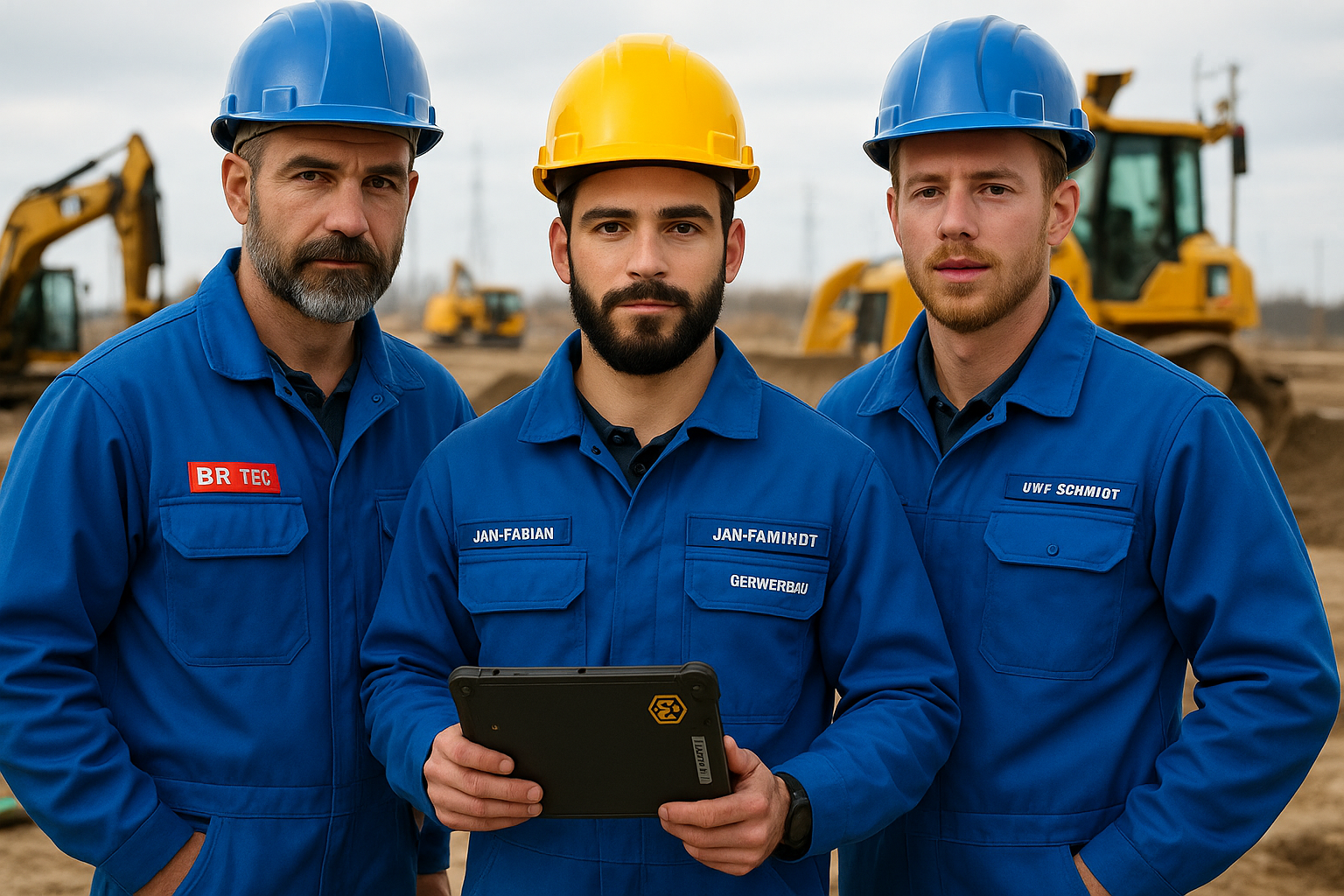
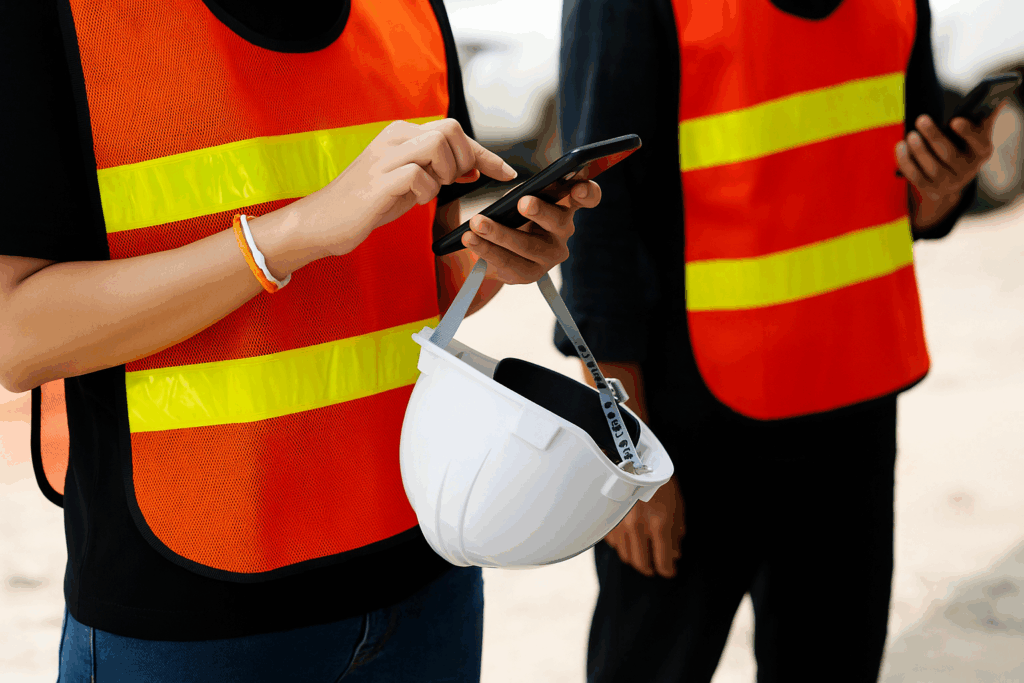
In 2025, rugged industries such as oil and gas, chemical processing, mining, and pharmaceuticals increasingly rely on smart devices for communication, data collection, and monitoring. However, these devices must be protected when used in hazardous environments, especially where flammable gases, vapors, or dust particles are present. That’s where intrinsically safe cases come in.
An intrinsically safe case transforms a standard mobile device into one that complies with international safety standards for use in explosive or volatile areas. These specialized cases are engineered to prevent the generation of sparks or high surface temperatures that could ignite an atmosphere.
In this guide, we explore the top intrinsically safe cases for iPhones, iPads, and tablets, highlight their key certifications, and help you choose the right case for your needs in 2025.
What Is an Intrinsically Safe Case?
An intrinsically safe case is a certified enclosure that allows electronic devices like smartphones and tablets to be safely used in hazardous locations. These cases provide barriers against heat, sparks, and electrical discharge by enclosing the device in a secure, rugged housing. Additionally, they maintain full functionality of the device without compromising user safety.
Such cases are commonly used in sectors where there’s a risk of explosions, such as refineries, paint shops, grain storage facilities, and manufacturing plants. They are tested and certified to prevent ignition in explosive atmospheres caused by flammable gas or dust.

Why Do You Need an Intrinsically Safe Case?
Using an uncertified device in a hazardous environment can lead to disastrous consequences. Even the smallest electrical spark from an unprotected phone can trigger an explosion in the presence of combustible gases or dust. Intrinsically safe cases eliminate this risk and ensure full compliance with workplace safety standards.
Here are the top reasons to invest in one:
Risk Mitigation: Prevent accidental ignition in ATEX or IECEx classified zones.
Device Longevity: Shield your phone or tablet from physical wear, extreme temperatures, and chemical exposure.
Regulatory Compliance: Meet the safety requirements of OSHA, ATEX, IECEx, and other global safety standards.
Operational Continuity: Use critical mobile tools in environments where they’d otherwise be prohibited.
Organizations that operate in hazardous locations are increasingly required to use intrinsically safe devices and accessories to maintain operational licenses and insurance coverage.
What Are the Required Certifications?
Not all rugged cases are created equal. For a case to be truly “intrinsically safe,” it must be certified by a recognized testing organization. The most common certifications include:
ATEX (Atmosphères Explosibles): A European Union directive ensuring equipment used in explosive atmospheres is safe. Certifications are often denoted by Zone 1 or Zone 2 classifications.
IECEx (International Electrotechnical Commission Explosive Certification): An international standard recognized across many countries for equipment used in explosive atmospheres.
CSA (Canadian Standards Association): Often paired with Class I, Division 1 or 2 classifications for North American compliance.
UL913: A U.S. standard certifying intrinsic safety of electronic equipment in hazardous locations.
Make sure any intrinsically safe case you consider comes with full documentation of these certifications and is tested for the type of hazardous zone your operation involves.
What Devices Are Covered?
Intrinsically safe cases are available for a variety of devices, primarily targeting the most common workplace technology platforms. These include:
Apple iPhones (iPhone 13, 14, 15, 16)
Apple iPads (iPad 10.9″, iPad Pro 11″, iPad Air 11″)
Android tablets and smartphones (Samsung Galaxy S23/S24, generic 7″ tablets)
Each case is built to fit a specific model precisely, ensuring secure sealing and full access to device features like cameras, touchscreens, and ports without exposing the user to ignition risks.
What Are the Best Intrinsically Safe Cases for iPhones?
iPhone-Specific Intrinsically Safe Case Comparison
| Product | Certifications | Key Features | Device Compatibility | Estimated Price |
|---|---|---|---|---|
| XCiPhone 13 Case | ATEX Zone 2, CSA | Rugged construction, easy button access, wireless charging support | iPhone 13 | ~ $837 |
| XCiPhone 14 Case | ATEX Zone 2, CSA | Water and dust resistant, impact protection | iPhone 14 | ~ $837 |
| XCiPhone 16 Case | ATEX Zone 2, CSA | Enhanced shockproof frame, field-ready design | iPhone 16 | ~ $725 |
These cases offer premium safety for field teams needing to communicate or report while on site. Their shockproof design and sealed construction ensure the phone functions normally while meeting safety regulations.
What Are the Best Intrinsically Safe Cases for iPads?
iPad-Compatible Case Comparison
| Product | Certifications | Key Features | Device Compatibility | Estimated Price |
|---|---|---|---|---|
| XCRiPad 10.9in Case | ATEX Zone 2, CSA | Glove-compatible, full touchscreen access, integrated stand | iPad 10.9″ | ~ $1,680 |
| XCRiPad Air 11in Case | ATEX Zone 2, CSA | Slim profile, screen guard, reinforced corners | iPad Air 11″ | ~ $1,857 |
| XCRiPad Pro 11in Case | ATEX Zone 2, CSA | High-durability, mountable for vehicle and workstation use | iPad Pro 11″ | ~ $1,930 |
These cases provide military-grade protection and allow field personnel to collect data, access schematics, or communicate in real time—even in volatile environments.
What Are the Best Intrinsically Safe Cases for Android Tablets?
Android-Compatible Case Comparison
| Product | Certifications | Key Features | Device Compatibility | Estimated Price |
|---|---|---|---|---|
| XCDroid7 Case | ATEX Zone 2 | Durable frame, impact and chemical resistance | 7″ Android tablets | ~ $1,845 |
| XCS23 Case | ATEX Zone 2, CSA | Lightweight, easy grip, camera protection | Samsung Galaxy S23 | ~ $789 |
| XCS24 Case | ATEX Zone 2, CSA | Enhanced thermal insulation, anti-glare finish | Samsung Galaxy S24 | ~ $790 |
These models are built to endure rough industrial use, from field surveys to technical support roles, while ensuring operational safety.
How Do I Choose the Right Intrinsically Safe Case?
Choosing the right case depends on a few critical factors:
Device Compatibility: Match the exact make and model of your phone or tablet.
Certification Requirements: Know the zone classification of your work environment (Zone 1, Zone 2, etc.).
Field Conditions: Evaluate environmental hazards—water, dust, chemicals, or impacts.
User Requirements: Determine if you need features like mounts, straps, stands, or screen protectors.
Also consider your use case: a hands-on technician in a refinery might need a different setup than a supervisor doing inspections on a tablet.
Frequently Asked Questions
What Is the Difference Between ATEX Zone 1 and Zone 2?
Zone 1 is a higher-risk area where explosive atmospheres are likely to occur during normal operations. Zone 2 areas only have a potential for explosive atmospheres in abnormal conditions. Ensure your case matches your site’s classification.
Can I Use My Phone Without a Certified Case in Hazardous Areas?
No. Using uncertified equipment can void insurance, violate safety regulations, and most importantly, create a serious safety risk. Only certified intrinsically safe cases should be used in such environments.
Are These Cases Reusable with Newer Models?
Typically, no. Because cases are tailored to specific device dimensions and ports, upgrading to a new model usually requires a new case. However, some manufacturers update cases quickly when new phones and tablets are released.
How Long Do These Cases Last?
With proper care, intrinsically safe cases can last several years. Regular inspection for seal integrity, impact damage, and corrosion is recommended, especially in demanding environments.
Do Intrinsically Safe Cases Interfere With Device Performance?
No, high-quality intrinsically safe cases are engineered to preserve full device functionality. They allow use of cameras, touchscreens, charging ports, and wireless communications without compromising safety.
Final Thoughts
In the evolving world of industrial mobility, intrinsically safe cases are more than protective gear—they are enablers of digital transformation in high-risk environments. As operations become more connected and reliant on mobile devices, ensuring their safe usage is mission-critical.
By choosing certified, field-tested cases, companies can ensure the safety of their teams, compliance with regulations, and uninterrupted productivity in volatile zones. Whether you’re using iPhones, iPads, or Android tablets, 2025 brings plenty of robust, reliable intrinsically safe case options to choose from.
