


























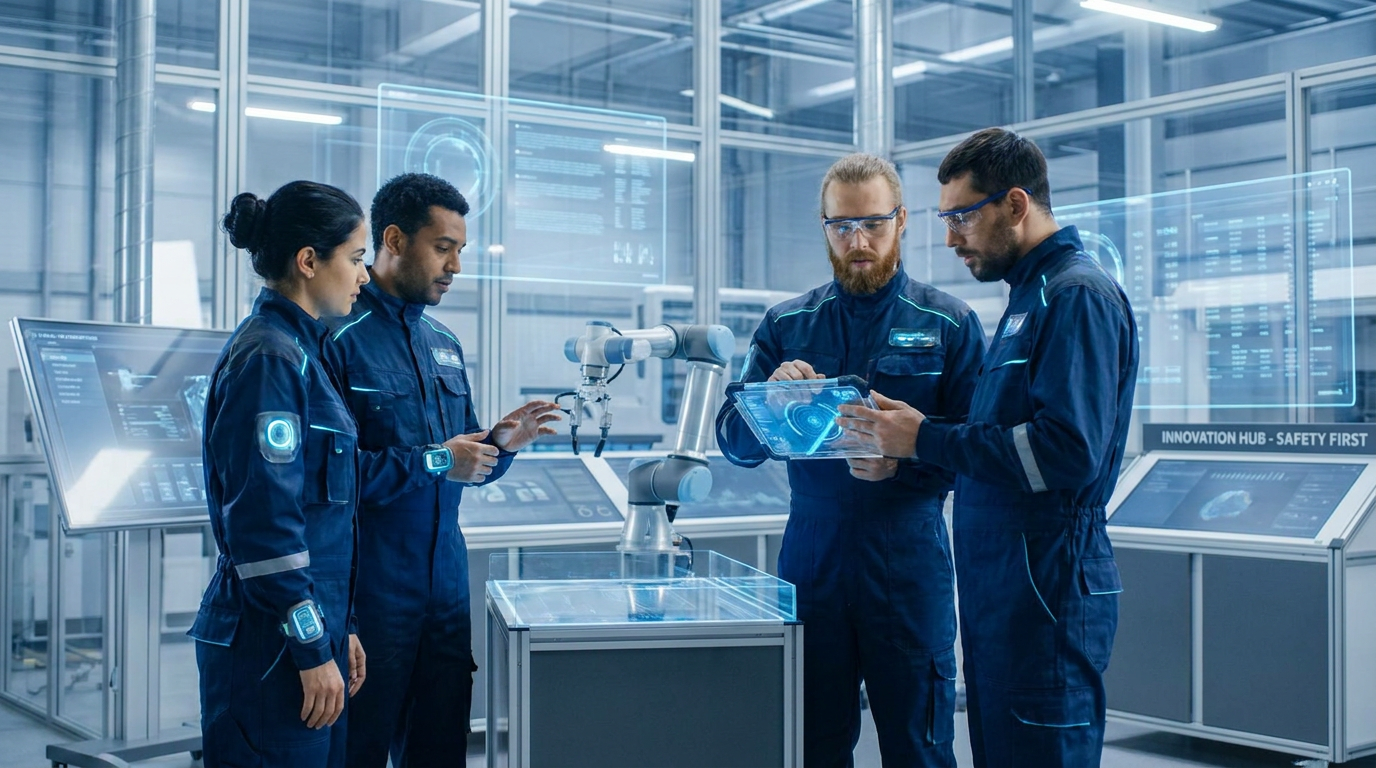
For decades, the principle of intrinsic safety has served as the silent guardian of our most hazardous industries. By fundamentally limiting electrical and thermal energy, it has created a world where instrumentation and control can exist safely within explosive atmospheres, preventing countless catastrophes in oil refineries, chemical plants, and pharmaceutical labs. This foundational concept of energy limitation has been a masterpiece of engineering—robust, reliable, and life-saving. However, the industrial world is in the midst of a radical transformation. The relentless push towards Industry 4.0, driven by the Industrial Internet of Things (IIoT), big data, and artificial intelligence, is demanding more than just passive protection. It demands connectivity, intelligence, and real-time insight. This creates a critical tension: how do we reconcile the need for cutting-edge digital technology with the non-negotiable requirement for absolute safety in environments where a single spark can have devastating consequences? The answer lies not in abandoning the principles that have kept us safe, but in reimagining them. We are entering a new era where intrinsic safety is evolving from a static barrier into a dynamic, intelligent enabler, paving the way for a future where our most dangerous workplaces can also become our smartest, most efficient, and most connected. This article is a deep dive into that future, exploring the transformative technologies, the key stakeholders, the profound benefits, and the strategic roadmap for embracing the next frontier of industrial safety.
Master Hazardous Area Compliance in the Digital Age
Transitioning from passive barriers to intelligent safety requires a firm understanding of modern hazardous area standards. Access our comprehensive IIoT Risk Assessment Guide to ensure your next integration meets strict compliance requirements.
Access the Compliance GuideThe Horizon of Hazard: Exploring the Future of Intrinsic Safety Innovations
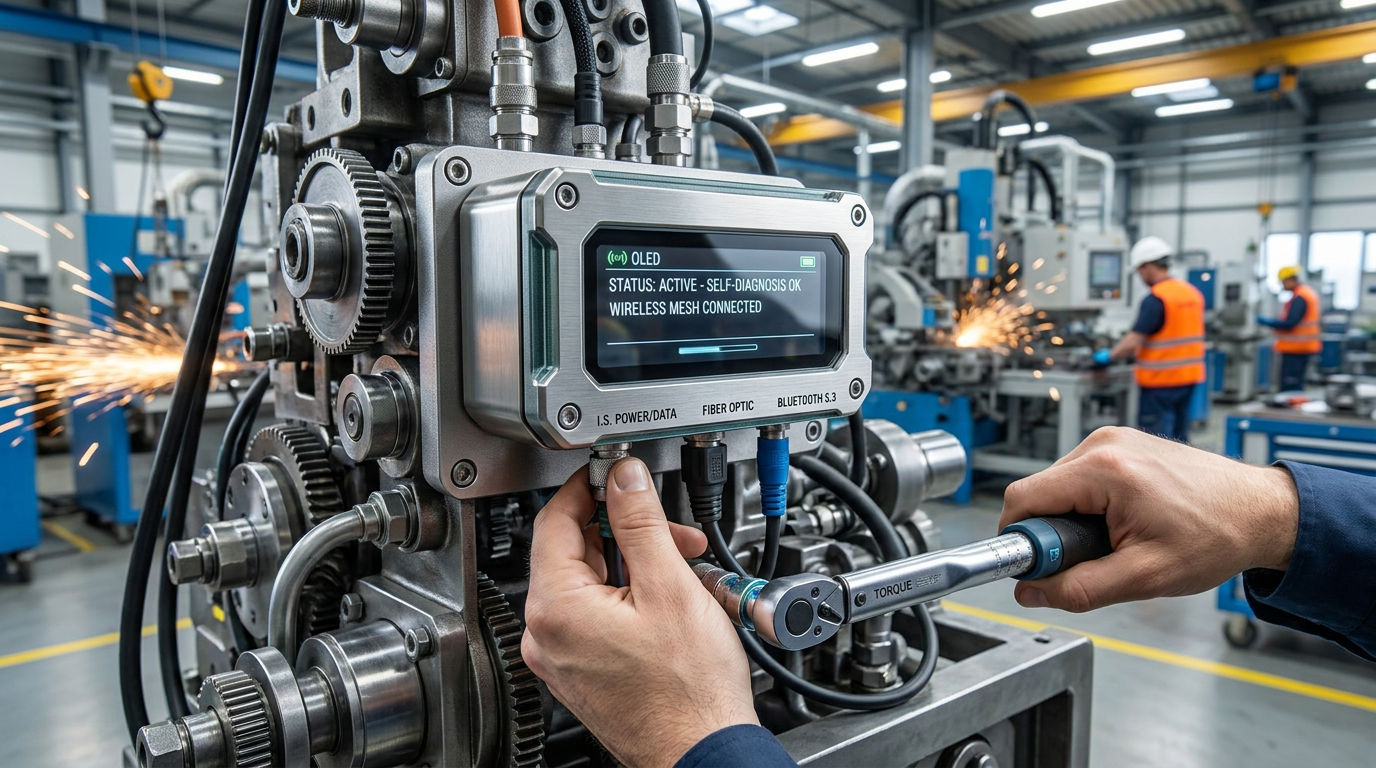
For decades, the principle of intrinsic safety (IS) has been a cornerstone of operational safety in hazardous environments. The core concept is elegantly simple yet profoundly effective: limit the electrical and thermal energy in a circuit to a level below what is required to ignite a specific hazardous atmospheric mixture. This design-based approach has prevented countless disasters in industries ranging from oil and gas and chemical processing to pharmaceuticals and mining. It has allowed for instrumentation and control in areas where a single stray spark could have catastrophic consequences. However, while the fundamental principles of energy limitation remain unchanged, the technological landscape in which intrinsic safety operates is undergoing a seismic shift. We are moving beyond the era of simple, hardwired 4-20mA loops and isolated barriers into a future where intrinsic safety is not just a passive safeguard but an active, intelligent, and integrated component of a much larger digital ecosystem. The future of intrinsic safety is not about replacing its core philosophy but about augmenting it with the transformative power of modern technology, creating a new paradigm of predictive, interconnected, and deeply insightful hazard prevention.
Key Benefits of Intrinsic Safety Innovations
- Enhanced Human Safety: By creating a more secure working environment, these innovations reduce worker anxiety and the risk of human error, fostering a culture of psychological safety.
- Predictive Maintenance: The integration of IIoT and AI allows for the prediction of equipment failures, reducing unplanned downtime and preventing potential ignition sources from developing.
- Economic Advantages: Lighter, more flexible, and less expensive to install and maintain, intrinsically safe systems reduce both capital and operational expenditures, making advanced safety technology more accessible.
- Improved Efficiency: Real-time data from a network of sensors provides unprecedented insight into operations, allowing for data-driven decisions that optimize processes and increase throughput.
- Greater Flexibility: Wireless and self-powered sensors can be deployed in previously inaccessible areas, providing a more complete and accurate picture of a facility’s operational health.
Intrinsically Safe Devices Comparison
| Product Name | Category | Key Application | Price |
|---|---|---|---|
| Intrinsically Safe Atexxo iPhone 15 Case View Details | Smartphone Enclosure | Premium Apple ecosystem protection for hazardous zones | $2,545.92 |
| Tab-Ex 05 Class I Division 2 Tablet View Details | Android Tablet | Mobile field data collection in C1D2 environments | $2,946.00 |
| BARTEC Agile S Industry Tablet PC View Details | Windows Tablet PC | Rugged industrial data collection & SCADA access | $4,150.00 |
Equip Your Connected Workforce
Deploying digital workflows in hazardous zones requires rugged, certified hardware. Browse our extensive inventory of Class 1 Div 1 and ATEX-certified communication tools engineered for seamless data integration in explosive atmospheres.
Shop Intrinsically Safe Mobile DevicesFAQs
What is the main driver behind the evolution of intrinsic safety?
The primary driver is the Industrial Internet of Things (IIoT), which demands more connectivity, intelligence, and real-time data from hazardous environments, pushing the boundaries of what is possible with traditional intrinsic safety.
How do wireless technologies contribute to intrinsic safety?
Wireless technologies, such as LoRaWAN and NB-IoT, eliminate the need for expensive and inflexible cabling, allowing for the rapid and cost-effective deployment of intrinsically safe sensors in a wide range of locations.
What is the role of AI and machine learning in this new paradigm?
AI and machine learning analyze the vast amounts of data collected by IIoT sensors to identify complex patterns and predict equipment failures before they happen, transforming safety from a reactive to a predictive strategy.
What are some examples of new intrinsically safe devices?
New devices include wearable sensors that monitor a worker’s health and location, micro-robotics for pipeline inspection, and intrinsically safe smartphones and tablets that allow for digital workflows in hazardous areas.
What is the concept of the “Connected Worker”?
The Connected Worker is a vision of the future where personnel are equipped with intrinsically safe wearable technology that provides real-time safety alerts, communication, and access to data, creating a dynamic safety bubble around each individual.
Conclusion
As we look toward the horizon of industrial operations, it becomes clear that the evolution of intrinsic safety is not merely an incremental improvement but a fundamental paradigm shift. The journey we have explored moves us decisively away from a world of isolated, passive protection and into a dynamic ecosystem of interconnected, intelligent safety. The core principle of energy limitation remains our unshakeable foundation, but upon it, we are building a structure powered by the transformative potential of the Industrial Internet of Things, wireless connectivity, and artificial intelligence. This is a future where dense networks of low-power sensors provide unprecedented visibility into the heart of hazardous zones, where machine learning algorithms predict failures before they can become threats, and where the Connected Worker is empowered with real-time data and protection. Embracing this future requires more than just a technological upgrade; it demands a cultural shift. It calls for a collaborative effort from a diverse group of stakeholders—from the engineers designing the circuits to the executives shaping corporate strategy—all united by a vision that sees safety not as a compliance-driven cost center, but as a strategic enabler of operational excellence, sustainability, and human well-being. The path forward begins with education, strategic planning, and a willingness to see beyond the barrier, recognizing that the very technologies that promise to make our industries more productive are the same ones that, when engineered with care and foresight, will make them immeasurably safer.
