






















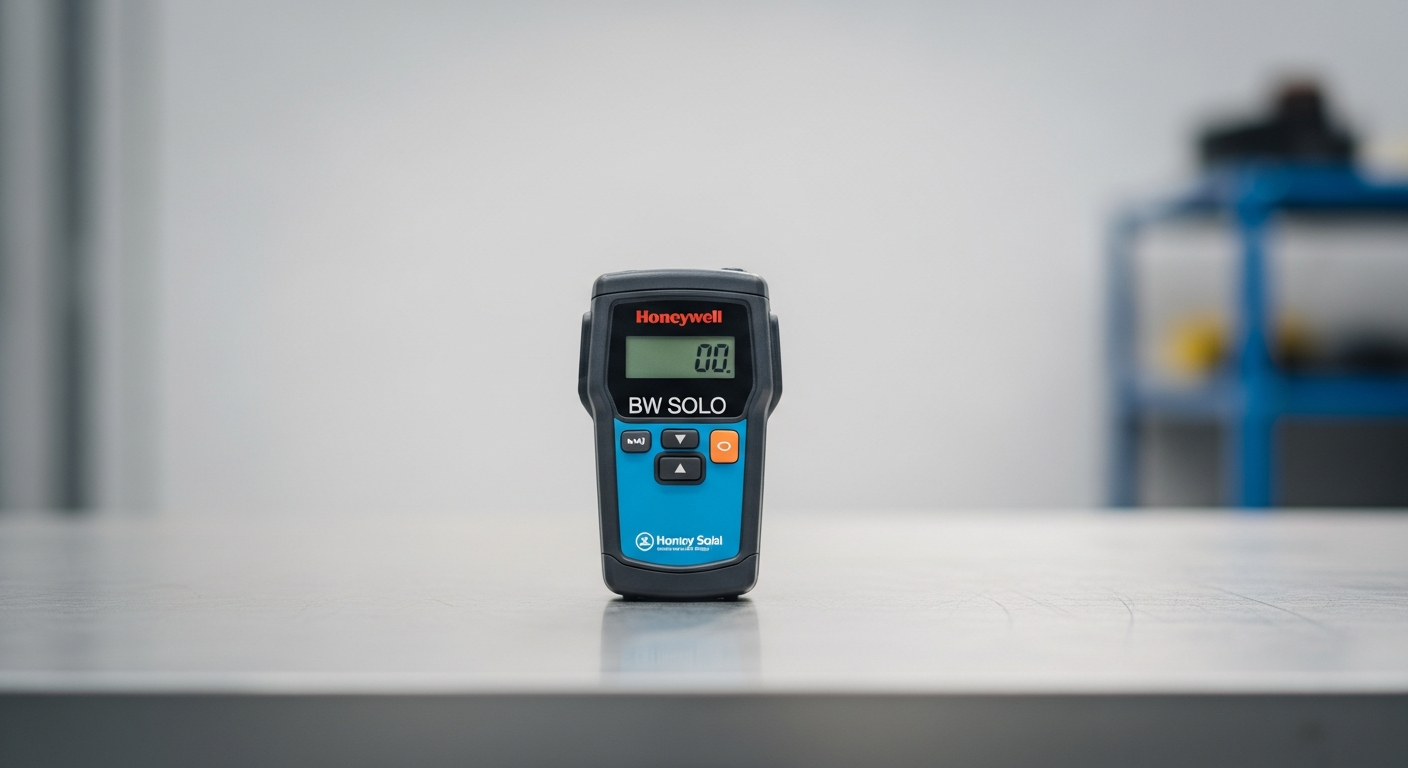
Proper calibration of the Honeywell BW Solo is a critical safety procedure, not just a routine maintenance task. For technicians working in hazardous environments, the accuracy of this single-gas detector can be the difference between a normal workday and a catastrophic incident. Ensuring your device responds correctly to target gas concentrations is essential for compliance and, more importantly, for personal safety. This guide provides the step-by-step process for calibrating the Honeywell BW Solo, ensuring your equipment is field-ready and performing to specification.
Understand the Core Principles of Intrinsic Safety
Calibration is a key part of maintaining certified equipment. Deepen your knowledge of how intrinsically safe devices prevent explosions in hazardous locations.
Why Regular Honeywell BW Solo Calibration is Crucial for Compliance
Regular calibration ensures that a gas detector’s sensors provide accurate readings. Over time, sensors can drift due to environmental factors, exposure to contaminants, or simple aging. Without periodic adjustments, a detector might fail to alarm at the correct gas concentration, creating a false sense of security. Regulatory bodies mandate these checks for good reason. For instance, standards such as OSHA 29 CFR 1910.146, which covers permit-required confined spaces, require that equipment used for atmospheric testing is properly maintained and calibrated. A failed audit or, worse, an accident resulting from an uncalibrated device carries severe consequences. Therefore, incorporating a routine Honeywell BW Solo calibration schedule is a non-negotiable part of any safety program.
Essential Equipment for Calibration
Before you start the calibration process, gather the correct tools and equipment. Using improper or expired materials will lead to an inaccurate calibration, defeating the purpose of the procedure. Ensure you have the following items ready and in good condition:
- Calibration Gas: A certified cylinder of calibration gas with a known concentration specific to the sensor in your BW Solo (e.g., H2S, CO, O2). Always check the expiration date on the cylinder.
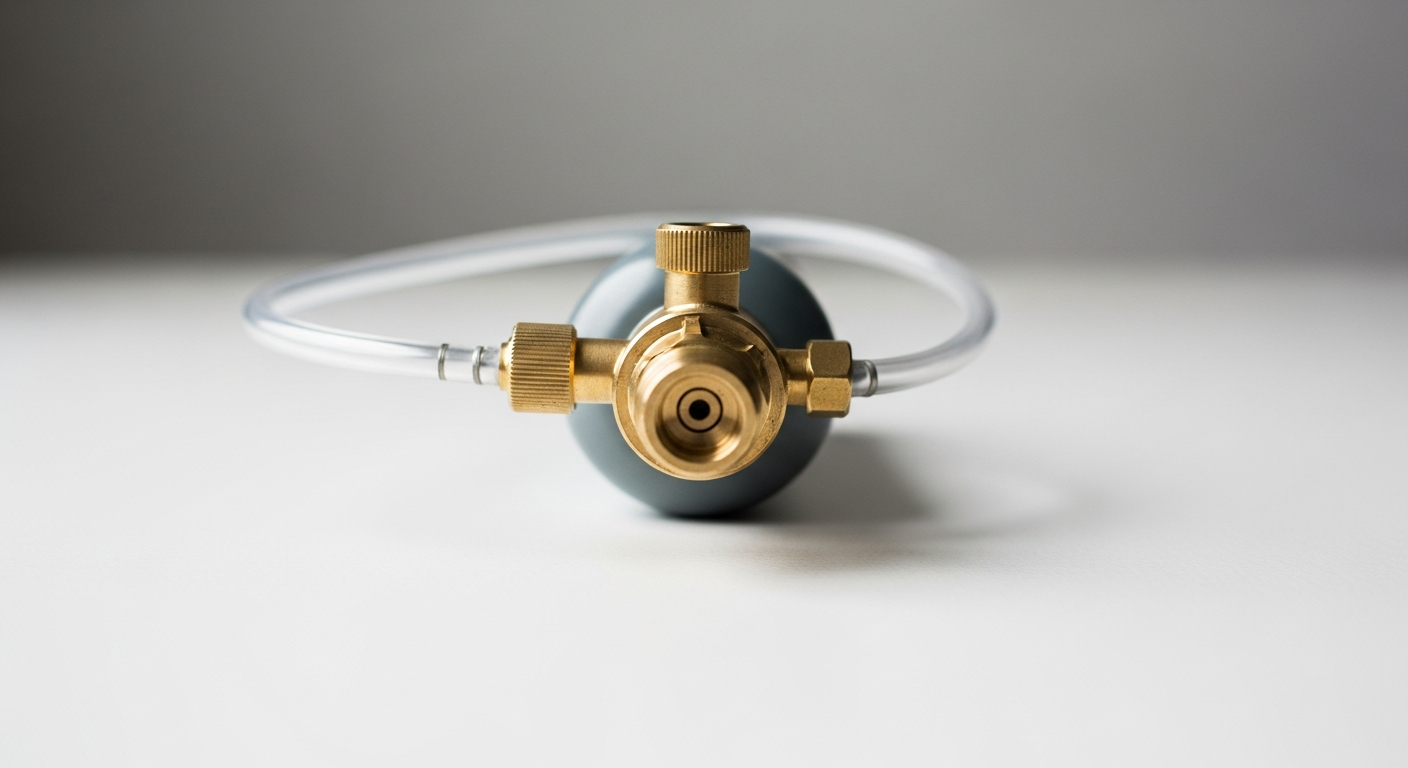
- Demand Flow Regulator: A regulator that matches the gas cylinder and provides the correct flow rate for calibration, typically around 0.5 liters per minute for the BW Solo.
- Calibration Tubing: Clean, uncracked tubing to connect the regulator to the calibration cap. Ensure the tubing is made of a material that will not react with or absorb the calibration gas.
- Calibration Cap: The specific cap designed to fit securely over the BW Solo’s sensor port, ensuring the gas is delivered directly to the sensor without leaks.
Step-by-Step Calibration Process for the Honeywell BW Solo
Calibrating the Honeywell BW Solo is a straightforward process when you follow the device’s built-in menu prompts. The detector guides you through most of the steps. Ensure you are in a clean-air environment before starting the procedure to properly zero the sensor.
- Enter Calibration Mode: With the detector on, press and hold the button until the calibration icon appears. Release the button to enter the menu. The screen will prompt you to apply zero air.
- Zero the Sensor: In a clean-air environment, press the button to confirm and begin the zeroing process. The detector will automatically adjust its baseline reading to the ambient air. Wait for the ‘Apply Gas’ screen to appear.
- Apply Calibration Gas: Securely attach the calibration cap to the detector. Connect the tubing from the gas cylinder’s regulator to the cap. Open the regulator valve to apply the calibration gas to the sensor.
- Span the Sensor: The detector will automatically recognize the gas and begin the span calibration. It will adjust its readings to match the concentration value of the gas being applied. The screen will show a countdown during this process.
- Complete the Calibration: Once the span is complete, the screen will display a ‘Calibration Passed’ message and show the date for the next required calibration. You can now turn off the gas flow, remove the cap, and the detector will return to normal operation mode.
Recommended Products for Honeywell BW Solo Calibration
The following products from our catalog are certified for use in hazardous areas and directly relevant to this guide:
| Product Category | Rating / Certification | Link |
|---|---|---|
| Measurement & Calibration Equipment | Intrinsically Safe / Certified | Shop Now |
| Gas Detection Calibration Kits | NIST-Traceable Standards | Shop Now |
Shop Certified Calibration Supplies
Ensure accurate readings and full compliance with our range of certified calibration gases, regulators, and accessories for your gas detection equipment.
Frequently Asked Questions
How often should I calibrate my Honeywell BW Solo?
Most manufacturers, including Honeywell, recommend calibrating your BW Solo at least once every 180 days (6 months). However, you should increase the frequency if the device has been subjected to physical shock, extreme temperatures, or high gas concentrations.
What is the difference between a bump test and a calibration?
A bump test is a quick functional check to confirm the sensor responds and the alarms work. You briefly expose the sensor to gas to see if it alarms. Calibration is a full adjustment procedure that resets the sensor’s response to a known concentration of gas to ensure its accuracy.
Can I use expired calibration gas?
No, you should never use expired calibration gas. The gas concentrations in an expired cylinder may have changed, which will lead to an inaccurate calibration and could put users at significant risk. Always check the expiration date before use.
What happens if the Honeywell BW Solo calibration fails?
If the calibration fails, the detector will display a ‘Calibration Failed’ message. This could be due to a faulty sensor, expired gas, or an improper setup. You should re-check your equipment and attempt the calibration again. If it continues to fail, the device must be taken out of service and sent for professional repair.
Do I need an IntelliDoX station to calibrate the BW Solo?
No, an IntelliDoX docking station is not required for manual calibration. The BW Solo is designed for easy manual calibration using the single-button interface as described in this guide. However, an IntelliDoX station can automate the process of bump testing, calibrating, and record-keeping for a fleet of detectors.
Chat for a Quote Call: 832-699-6726
Knowing how to calibrate the Honeywell BW Solo is a vital skill for anyone responsible for safety in hazardous environments. This procedure is more than a routine check; it is a fundamental practice that upholds safety standards, ensures compliance, and protects lives. Following the correct steps with the proper equipment ensures the detector’s integrity and reliability. A correctly performed calibration provides the confidence that your equipment will perform accurately when it matters most.