





















Wastewater treatment facilities are critical infrastructure that also contains significant, often invisible, hazards. The decomposition of organic matter naturally generates flammable gases like methane (CH4) and toxic hydrogen sulfide (H2S), creating potentially explosive atmospheres. In these environments, a single spark from non-rated electrical equipment can lead to a catastrophic event. For this reason, specifying and installing the correct intrinsically safe equipment for wastewater plants is a fundamental requirement for operational safety and regulatory compliance. This equipment is engineered to prevent ignition by limiting the electrical and thermal energy available, ensuring that even under fault conditions, it cannot become an ignition source. From gas detection to ventilation, every component must be certified to operate safely within these hazardous classified locations.
Master Gas Detection Safety
Accurate gas detection is the first line of defense in a wastewater plant. Learn how to select the right certified detectors for your specific hazards.
Understanding Hazardous Classifications in Wastewater Facilities
The National Electrical Code (NEC) establishes the framework for classifying areas where fire or explosion hazards may exist. In wastewater plants, these areas are typically classified as Class I locations due to the presence of flammable gases. Key areas like wet wells, digesters, and sludge processing rooms often fall under Class I, Division 1, where hazardous concentrations of gases are present continuously or intermittently under normal operating conditions. Proper classification is the first step in selecting the right intrinsically safe equipment for wastewater plants. Confined spaces within these facilities also present unique challenges. Compliance with standards like OSHA 29 CFR 1910.146 for permit-required confined spaces is mandatory. This standard dictates specific procedures for atmospheric testing, ventilation, and the use of certified equipment before and during entry to ensure worker safety.
Key Types of Intrinsically Safe Equipment
An effective safety strategy uses a multi-layered approach with certified equipment designed for hazardous environments. Each piece of equipment plays a specific role in mitigating ignition risks and helps the plant operate without interruption. Investing in the right equipment is critical for compliance and personnel protection.
- Gas Detection Systems: Fixed and portable multi-gas detectors are non-negotiable. They provide continuous monitoring for methane, hydrogen sulfide, and oxygen deficiency, sounding alarms when concentrations reach dangerous levels.
- Ventilation and Exhaust Fans: Explosion-proof fans are essential for diluting and removing hazardous gases from confined spaces and poorly ventilated areas, preventing the buildup of an explosive atmosphere.
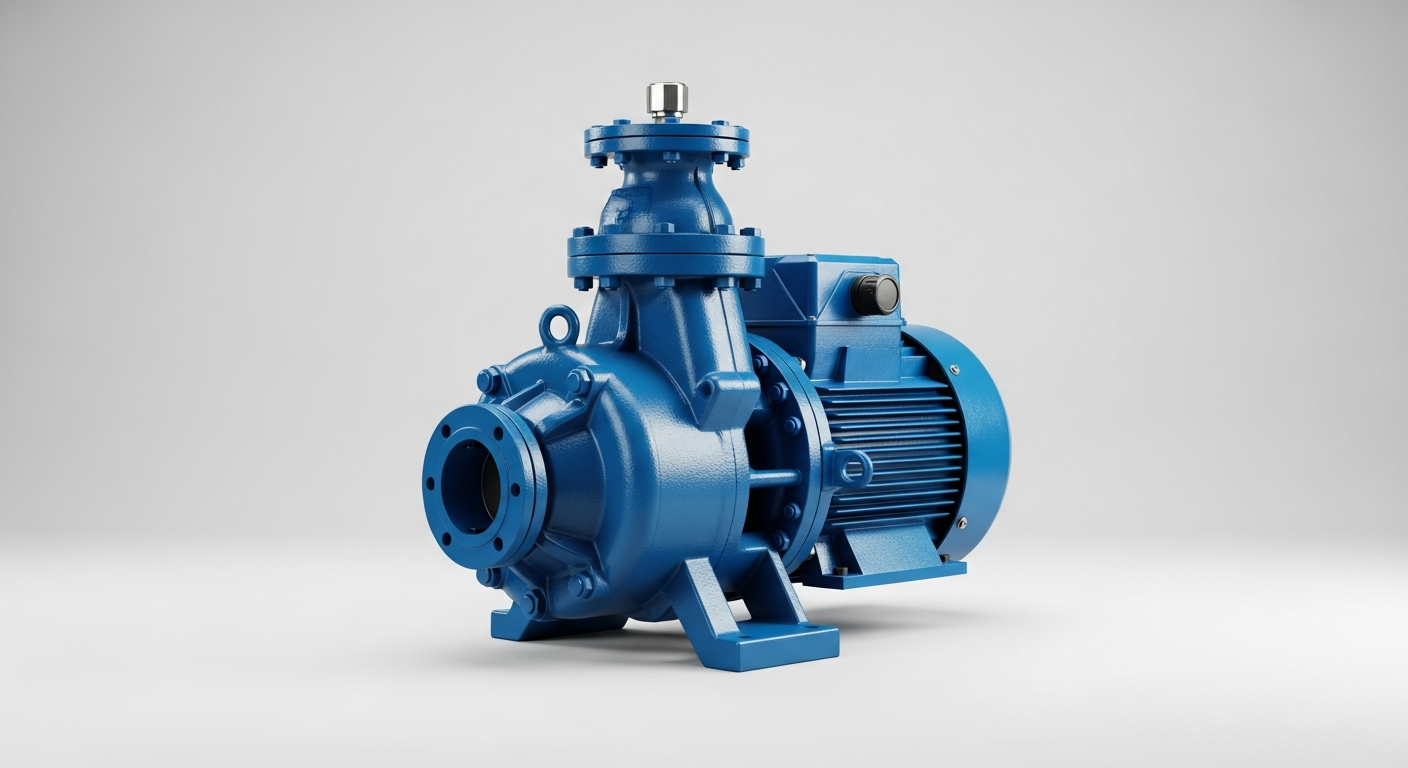
- Pumps and Motors: Submersible and transfer pumps used for moving sludge and effluent must have explosion-proof motors to prevent them from becoming an ignition source while submerged in or near hazardous materials.
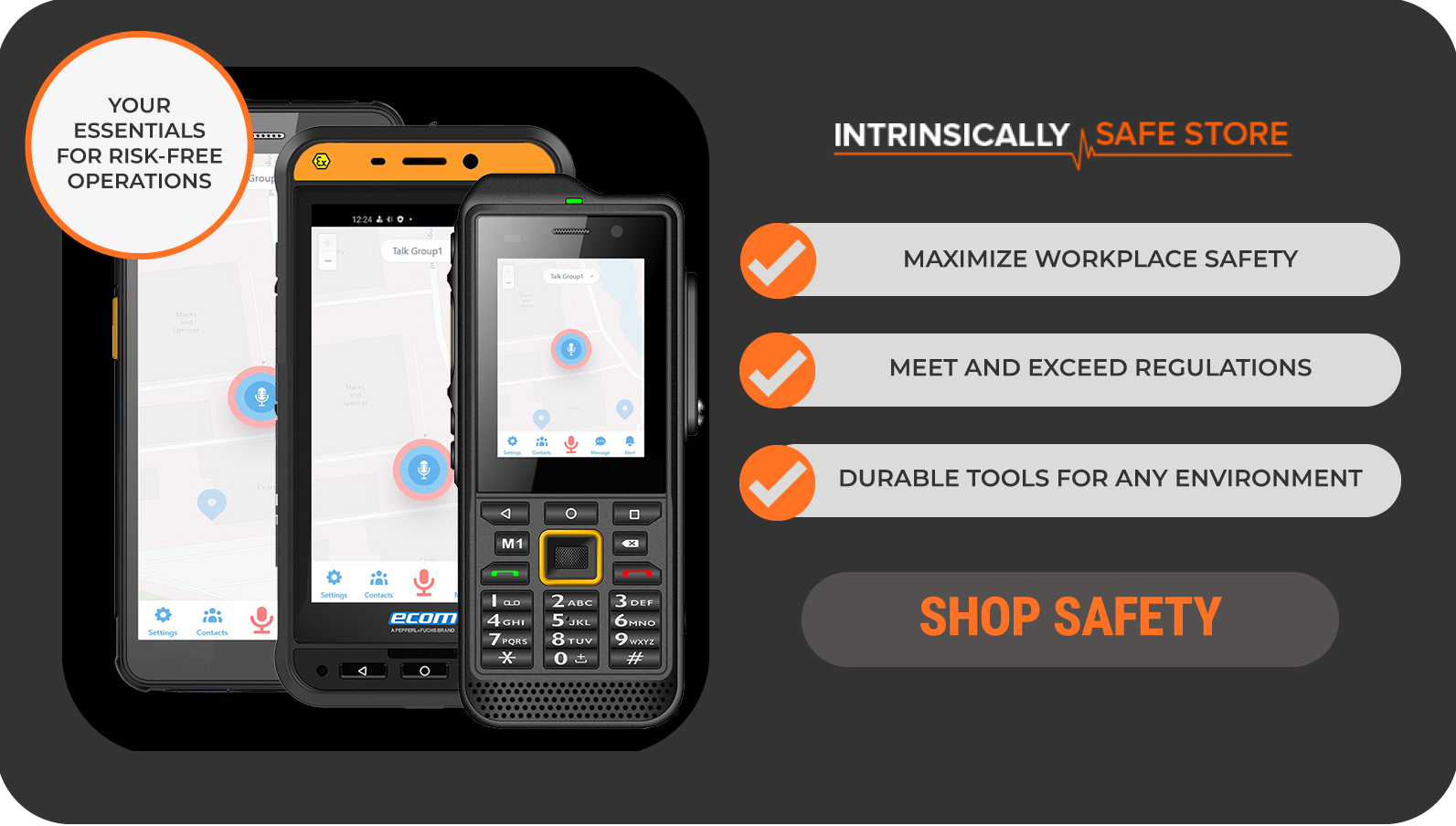
- Lighting and Communication: All lighting fixtures, from portable flashlights to fixed overhead lights, must be rated for the specific hazardous location. Likewise, two-way radios and mobile devices must be intrinsically safe to ensure safe communication.
Implementing a Safety and Compliance Strategy
Deploying intrinsically safe equipment is only part of the solution. A solid safety program is built on clear processes, regular maintenance, and thorough training. A structured implementation plan ensures that the investment in certified equipment leads to real risk reduction and reinforces a culture of safety.
- Conduct a Thorough Risk Assessment: Identify all hazardous locations within the plant according to NEC and NFPA standards. Map out the specific gas hazards and potential ignition sources in each area.
- Select Certified Equipment: Choose equipment with the correct Class, Division, and Group ratings for each specific location. Verify certifications from recognized bodies like UL or ATEX.
- Establish Maintenance Protocols: Create and adhere to a strict schedule for equipment inspection, testing, and calibration. This step is critical for gas detectors, which require regular calibration to remain accurate.
- Provide Thorough Training: Ensure all personnel who work in or near hazardous locations understand the risks, the function of the safety equipment, and the emergency procedures. This includes training on confined space entry per OSHA guidelines.
Recommended Products for Wastewater Plant Safety
The following products from our catalog are certified for use in hazardous areas and directly relevant to this guide:
| Product Category | Rating / Certification | Link |
|---|---|---|
| Explosion Proof Pumps | Class I, Division 1 | Shop Now |
| Explosion Proof Exhaust Fans | Class I, Division 1 / ATEX Zone 1 | Shop Now |
Shop Certified Explosion Proof Pumps
Ensure safe and reliable fluid transfer in hazardous locations with our selection of certified explosion-proof pumps, designed for compliance and performance.
Frequently Asked Questions
What makes a wastewater plant a hazardous area?
Wastewater plants are considered hazardous due to the anaerobic decomposition of organic materials, which releases flammable gases like methane and hydrogen sulfide. When these gases mix with air, they can form an explosive atmosphere that can be ignited by a spark.
Is ‘intrinsically safe’ the same as ‘explosion proof’?
They are different protection methods. Intrinsically safe equipment limits energy to prevent sparks, making it safe to use directly in a hazardous area. Explosion-proof equipment is built into a rugged enclosure that can contain an internal explosion and prevent it from igniting the surrounding atmosphere.
How often should gas detectors be calibrated in a wastewater plant?
Most manufacturers and safety guidelines recommend calibrating gas detectors before each use (bump test) and performing a full calibration monthly or quarterly, depending on the sensor type and environmental conditions. Always follow the manufacturer’s specific instructions.
What are the main gas hazards in wastewater treatment?
The primary gas hazards are methane (CH4), which is highly flammable, and hydrogen sulfide (H2S), which is both flammable and extremely toxic. Oxygen (O2) deficiency is also a major risk in confined spaces like tanks and wet wells.
Does OSHA require specific safety equipment for confined spaces?
Yes, OSHA standard 29 CFR 1910.146 mandates a permit system for entry into confined spaces. This requires continuous atmospheric monitoring with a calibrated gas detector, mechanical ventilation, and the use of certified intrinsically safe communication and lighting equipment.
Chat for a Quote Call: 832-699-6726
Safe operation of a wastewater treatment plant depends on understanding its inherent risks and deploying the correct technology to mitigate them. Properly classifying hazardous areas, using a layered defense of certified equipment, and maintaining a focus on safety through training and maintenance are the keys to protecting personnel and assets. The main points are to conduct thorough risk assessments, never compromise on equipment certification, and diligently maintain all safety systems. A proactive approach to sourcing and managing intrinsically safe equipment for wastewater plants is essential for ensuring long-term compliance and preventing serious incidents.