






















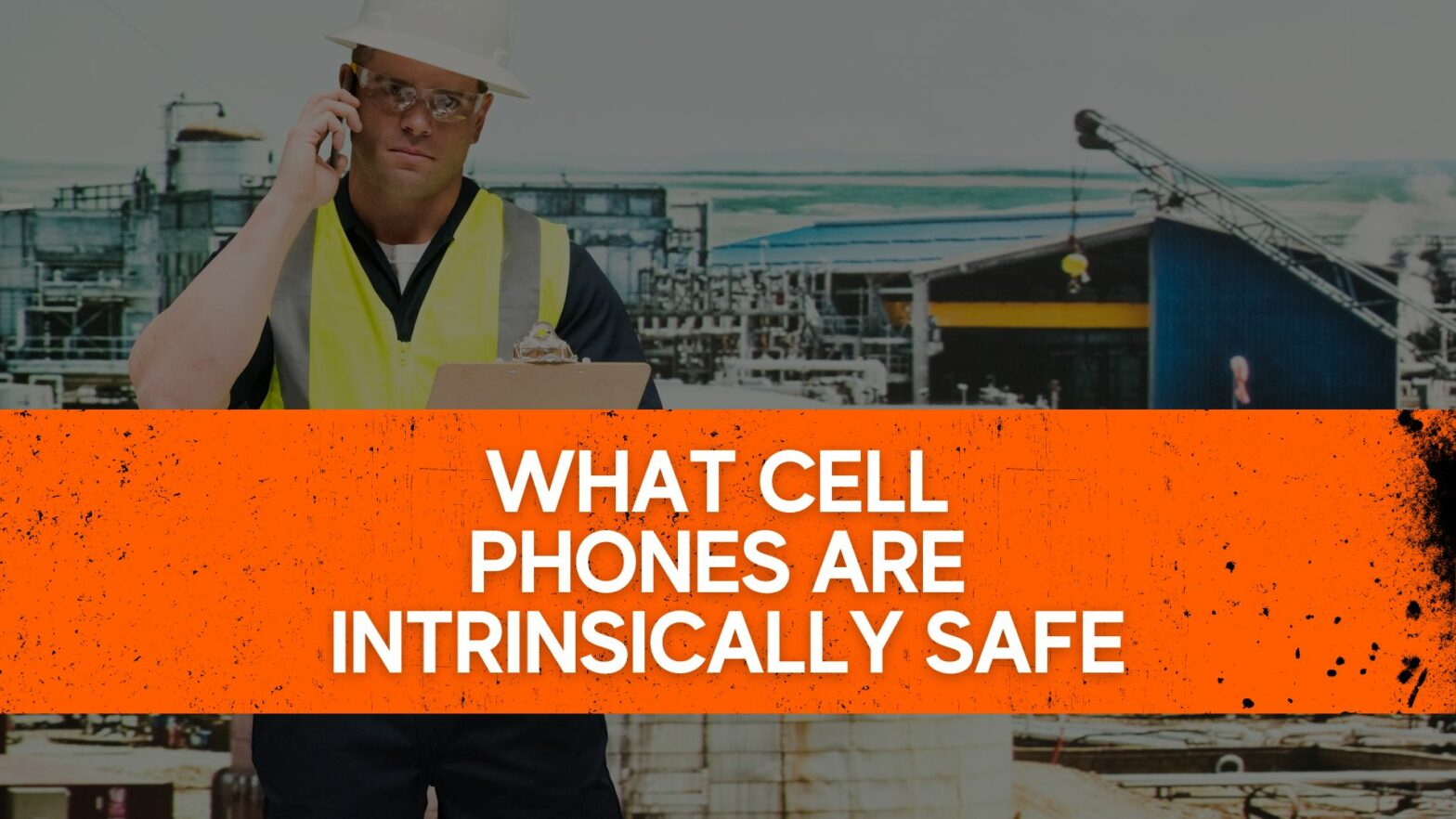
Intrinsically safe cell phones offer safe and reliable mobile communication within a classified or hazardous area. You can stay connected within Class 1 Division 1 classified hazard areas (Zone 1/21, Div. 1, and Zone 2/22). Intrinsically safe mobile phones must meet specific battery design criteria to achieve UL, ATEX directive, or IECEx certification for use in explosive atmospheres.
Only IS-designed battery-operated, self-contained devices can be Intrinsically Safe by themselves. Other field devices and wiring are intrinsically safe only when employed in a properly designed IS system. Moreover, systems are designed and documented according to the standard IEC 60079-25 Intrinsically safe electrical systems, installed according to IEC 60079-14, and inspected and maintained according to IEC 60079-17.
Working in a hazardous environment doesn’t mean you must go without electronics or a communication device. IS phones designs prevent ignition and safety-related concerns in hazard areas. And, the phone operates with an HD Video camera, ergonomic form factor, rugged housings, and scratch-resistant displays that function with wet hands or gloves. Furthermore, the device contains high-performance operating systems and powerful lithium-ion batteries.
Understanding Intrinsically Safe vs. Regular Phones
While a standard smartphone is designed for convenience and performance in everyday environments, an intrinsically safe phone is engineered from the ground up for safety in hazardous locations where flammable gases, vapors, or combustible dust may be present. The core difference lies in their internal circuitry and construction.
- Energy Limitation: Intrinsically safe phones are designed to limit the electrical and thermal energy to a level below that which can cause ignition of a specific hazardous atmospheric mixture. Every component, especially the battery, is designed to prevent sparks and control heat under fault conditions.
- Robust Construction: Beyond internal electronics, these devices feature rugged, sealed enclosures to prevent ingress of dust and moisture (IP rating) and to withstand drops and impacts, which could otherwise damage components and create an ignition source.
- Certified Safety: Unlike a regular phone, an IS-certified phone has undergone rigorous testing by third-party notified bodies to prove it meets strict safety standards for use in explosive atmospheres.
Key Certifications to Look For (ATEX, IECEx, NEC)
When procuring mobile devices for hazardous areas, understanding the certification markings is critical. These labels confirm the device is safe for specific environments. Here are the main certifications you will encounter:
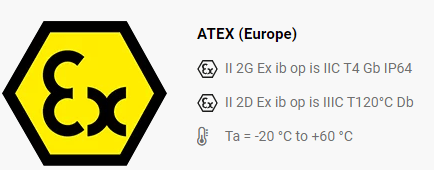
- ATEX: A mandatory European directive for all equipment used in potentially explosive atmospheres. ATEX markings indicate the specific Zone (e.g., Zone 1 for high-risk gas/vapor areas) the device is approved for.
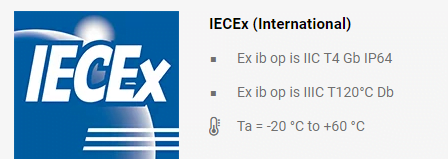
- IECEx: An international certification system that provides a globally recognized mark of conformity. IECEx simplifies international trade of equipment for use in explosive atmospheres, ensuring it meets established safety standards.
- NEC/UL (North America): In the United States and Canada, the National Electrical Code (NEC) defines hazardous locations using a Class and Division system (e.g., Class I, Division 1). Certifications from organizations like UL (Underwriters Laboratories) confirm compliance with these North American standards.
A device may carry multiple certifications, making it suitable for use in facilities across different global regions. Always check that the device’s rating matches the classification of your specific hazardous area.
Top Certified Intrinsically Safe Phones
The market for IS mobile devices is constantly evolving, with leading manufacturers offering powerful, Android-based smartphones that don’t compromise on performance or safety. These devices combine the functionality of a modern smartphone with the ruggedness and certification needed for hazardous environments.
A review of leading models and brands
While specific models change, leading brands consistently deliver reliable and compliant devices. When evaluating options, consider these industry leaders:
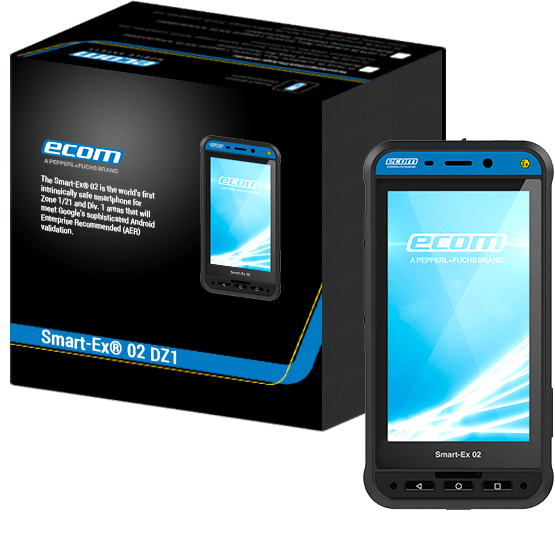
- ECOM Instruments (A Pepperl+Fuchs Brand): Known for their high-end Smart-Ex line, ECOM phones offer robust performance, global certifications (ATEX, IECEx, NEC), and features like Push-to-Talk and lone worker protection.
- BARTEC: Another German engineering leader, BARTEC offers devices like the Pixavi series, which are known for their exceptional camera quality, making them ideal for remote inspections and video collaboration in hazardous zones.
- Samsung (Rugged Line): Certain models from Samsung’s rugged XCover series are adapted and certified by specialists to be intrinsically safe. This provides a familiar user interface combined with the necessary safety approvals for Zone 1/21 work.
- i.safe MOBILE: This manufacturer specializes exclusively in mobile communication devices for explosive atmospheres, offering a wide range of phones and tablets that meet global standards.
Can I Use a Regular Phone with an IS Case?
This is a common and critical question. The answer is an unequivocal no. An “intrinsically safe case” cannot make a non-certified device safe for use in a hazardous area. Intrinsic safety is an inherent property of a device’s entire electrical design, not an external accessory.
The internal components of a standard smartphone—including the battery, processor, and display—are not designed to limit energy and can generate sparks or heat sufficient to cause an explosion. A simple plastic or rubber case does nothing to mitigate this internal risk. Using a non-certified phone, even in a rugged case, in a classified hazardous area violates safety regulations and puts personnel and facilities at extreme risk. Always procure devices that are fully certified as intrinsically safe from the manufacturer.
Is Intrinsically Safe Certified Equipment More Expensive than Non-certified Versions?
Intrinsically safe equipment is slightly more expensive than noncertified versions. In other words, equipment pricing results from obtaining and maintaining safety certifications. Whereas, on the contrary, most additional or uncommon components arrive at a more inexpensive cost.
Does Intrinsic Safety certification affect the performance of the certified device?
No, the performance is the same as the non-certified with higher reliability. These devices use the same parts as the non-certified device but have designs that limit the energy stored and heat generated in case of an internal fault condition.