























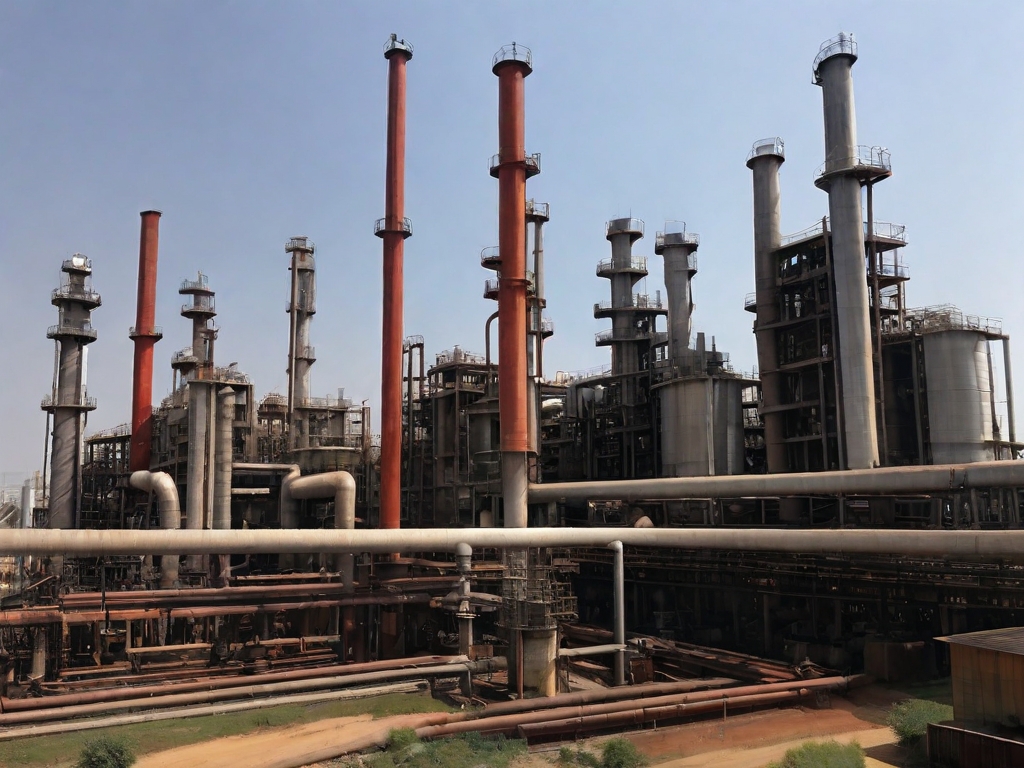
When it comes to hazardous environments, understanding the electrical requirements is crucial for safety and compliance. This article will provide an overview of the electrical requirements for Class 1 Division 2 hazardous areas. As a leading provider of intrinsically safe and explosion-proof devices, Intrinsically Safe Store is committed to helping you navigate these complex requirements. We invite you to explore our website for a wide range of products designed for hazardous areas.
What is an NEC Class 1 Hazardous Location?
The National Electrical Code (NEC), specifically in Articles 500 through 505, defines a Class 1 hazardous location as an area where flammable gases or vapors may be present in the air in quantities sufficient to produce explosive or ignitable mixtures. These locations are common in industries such as petroleum refineries, chemical processing plants, and fuel storage facilities. The classification is based on the type of hazardous substance present, its properties, and the likelihood of its presence in combustible concentrations.
What is a Class 1 Division 2 Hazardous Area?
A Class 1 Division 2 (C1D2) hazardous area is defined by the National Electrical Code (NEC) as a location where a flammable gas or vapor is present in the air in quantities sufficient to produce explosive or ignitable mixtures under abnormal conditions, such as a leak or system failure.
Key Differences: Class 1 Division 1 vs. Division 2 Environments
The primary distinction between Division 1 and Division 2 lies in the probability of hazardous concentrations of flammable substances being present. This difference dictates the level of protection required for all electrical systems.
- Class 1 Division 1: Ignitable concentrations of flammable gases or vapors exist under normal operating conditions. They may also exist frequently due to repair or maintenance operations, or because of equipment breakdown that simultaneously causes an electrical failure.
- Class 1 Division 2: Ignitable concentrations are present only under abnormal operating conditions. This includes accidental ruptures, container failures, or system breakdowns. The hazardous substance is typically confined within closed systems or containers from which it can escape only in case of an incident.
Core Electrical Requirements for Class 1 Division 1 Areas
Due to the high probability of an explosive atmosphere, Division 1 requirements are the most stringent. The primary goal is to contain an internal explosion and prevent it from igniting the surrounding atmosphere. Key protection methods include:
- Explosion-Proof Enclosures: Equipment must be housed in enclosures robust enough to withstand an internal explosion of a specified gas or vapor and prevent the ignition of the external atmosphere.
- Intrinsic Safety (IS): Circuits are designed to be low-energy, ensuring that any spark or thermal effect is incapable of causing ignition. This is a common requirement for instrumentation and control devices.
- Purged and Pressurized Systems: A protective gas, like clean air or nitrogen, is supplied to the enclosure to maintain a positive pressure, preventing the hazardous substance from entering.
Core Electrical Requirements for Class 1 Division 2 Areas
Since the hazardous condition is abnormal, Division 2 requirements focus on ensuring electrical equipment does not become an ignition source during normal operation. The NEC and other standards like IEC 60079 outline these key requirements:
- Designers must design equipment to prevent the ignition of a flammable mixture due to arcing or high temperatures during normal operation. This often involves using non-incendive or hermetically sealed components.
- Devices must be able to operate safely at their rated voltage, even in the presence of a flammable atmosphere.
- Surface temperature of any equipment must remain below the auto-ignition temperature of the specific hazardous substances present in the area.
- Equipment must be tested and certified by a recognized testing laboratory (e.g., UL, CSA, FM) for Class 1 Division 2 locations.
Wiring Methods and Sealing for Class 1 Locations
Proper wiring is as critical as the equipment itself. For Class 1 locations, threaded rigid metal conduit (RMC) or intermediate metal conduit (IMC) are standard. A crucial component of the wiring system is the use of seals. Sealing fittings are installed in conduits to prevent the passage of gases and vapors from a hazardous area to a non-hazardous area and to limit the volume of an explosion. These seals must be installed within 18 inches of any enclosure that contains arcing or high-temperature devices.
Selecting Compliant Equipment for Your Hazardous Area
Choosing the right equipment is paramount for site safety and audit readiness. When selecting devices, you must verify their certification for the specific Class, Division, and Gas Group corresponding to your environment. Electrical equipment used in C1D2 areas must be designed and tested to ensure it will not ignite these potentially explosive atmospheres. This includes devices such as lighting, switches, sensors, and communication devices like the intrinsically safe tablets we offer. The Intrinsically Safe Store offers a wide range of C1D2 certified products, ensuring safety and compliance in these hazardous areas.
Importance of Compliance
Compliance with these electrical requirements is not just a matter of regulatory adherence; it’s a matter of safety. Non-compliant equipment can lead to fires or explosions, causing injury, loss of life, and significant property damage. Furthermore, non-compliance can result in hefty fines and legal consequences.

Case Study: The Value of Compliance
A case study from the oil and gas industry illustrates the importance of compliance. A company experienced a significant safety incident due to non-compliant equipment in a C1D2 area. The resulting explosion caused substantial damage and halted production for weeks. After the incident, the company invested in compliant equipment, preventing further incidents and improving overall safety.
Partner with an Expert for Guaranteed Compliance
Navigating the complexities of NEC standards and equipment certification can be challenging. Partnering with a specialist supplier like the Intrinsically Safe Store ensures that you procure correctly certified devices for your specific application. Our experts can help you interpret area classification documents and select equipment that guarantees both safety and compliance, mitigating risk and ensuring your operations are audit-ready.
Navigating Electrical Requirements for Class 1 Division 2 Hazardous Areas
Understanding and adhering to the electrical requirements for Class 1 Division 2 hazardous areas is crucial for maintaining safety and compliance. These requirements ensure that electrical equipment will not ignite potentially explosive atmospheres, protecting people and property. The Intrinsically Safe Store is your partner in achieving this compliance, offering a wide range of C1D2 certified products. Explore our catalog of C1D2 certified equipment, or talk to a hazardous-area specialist today for personalized assistance.