

























An engineer working alone in a Class I Division 1 refinery needs immediate assistance after a fall. How is the alarm raised when no one is around to witness the event? This critical question is answered by using intrinsically safe lone worker devices. These specialized tools are life-saving systems designed to operate safely in explosive atmospheres, providing a constant digital link to personnel working in isolation. For industries like oil and gas, chemical processing, and mining, the safety of every individual is a primary operational requirement. This guide covers the essential features, selection criteria, and compliance standards necessary for choosing the right device to protect your team in hazardous environments.
Technical Guide to Intrinsically Safe Smartphones
Many lone worker devices are built on smartphone platforms. Understand the pricing, features, and procurement process for these critical devices.
What Defines an Intrinsically Safe Lone Worker Device?
An effective lone worker solution for hazardous areas must meet two critical criteria. First, it must be ‘intrinsically safe’—a protection concept defined in standards like IEC 60079-11—meaning its electrical and thermal energy is limited to a level below that which can ignite a specific hazardous atmospheric mixture under both normal and fault conditions. This certification is non-negotiable for equipment used in environments with flammable gases, vapors, or combustible dust. Second, it must function as a ‘lone worker device,’ equipped with features specifically designed to monitor an individual’s well-being and trigger an alarm in an emergency. These features turn a standard communication tool into a proactive safety monitor. Regulatory bodies recognize the unique risks of isolated work. For example, compliance with standards like OSHA 29 CFR 1915.84, which mandates reliable communication for employees in confined or isolated spaces, is a foundational requirement. These devices combine certified hardware with specialized software to create a reliable safety system.
Essential Features for Maximum Protection
When evaluating intrinsically safe lone worker devices, certain features are critical for a rapid and effective emergency response. These capabilities provide automated, reliable monitoring that goes beyond simple communication.
- Man-Down & No-Motion Alerts: This is arguably the most critical feature. Using internal accelerometers and gyroscopes, the device can detect a sudden impact (a fall), a change in orientation (an operator becoming horizontal), or a complete lack of movement for a pre-set period. If a potential emergency is detected, the device will initiate a local pre-alarm, giving the worker a chance to cancel it if it’s a false alarm. If not canceled, it automatically transmits an alert to a monitoring center or supervisor with the worker’s precise location.
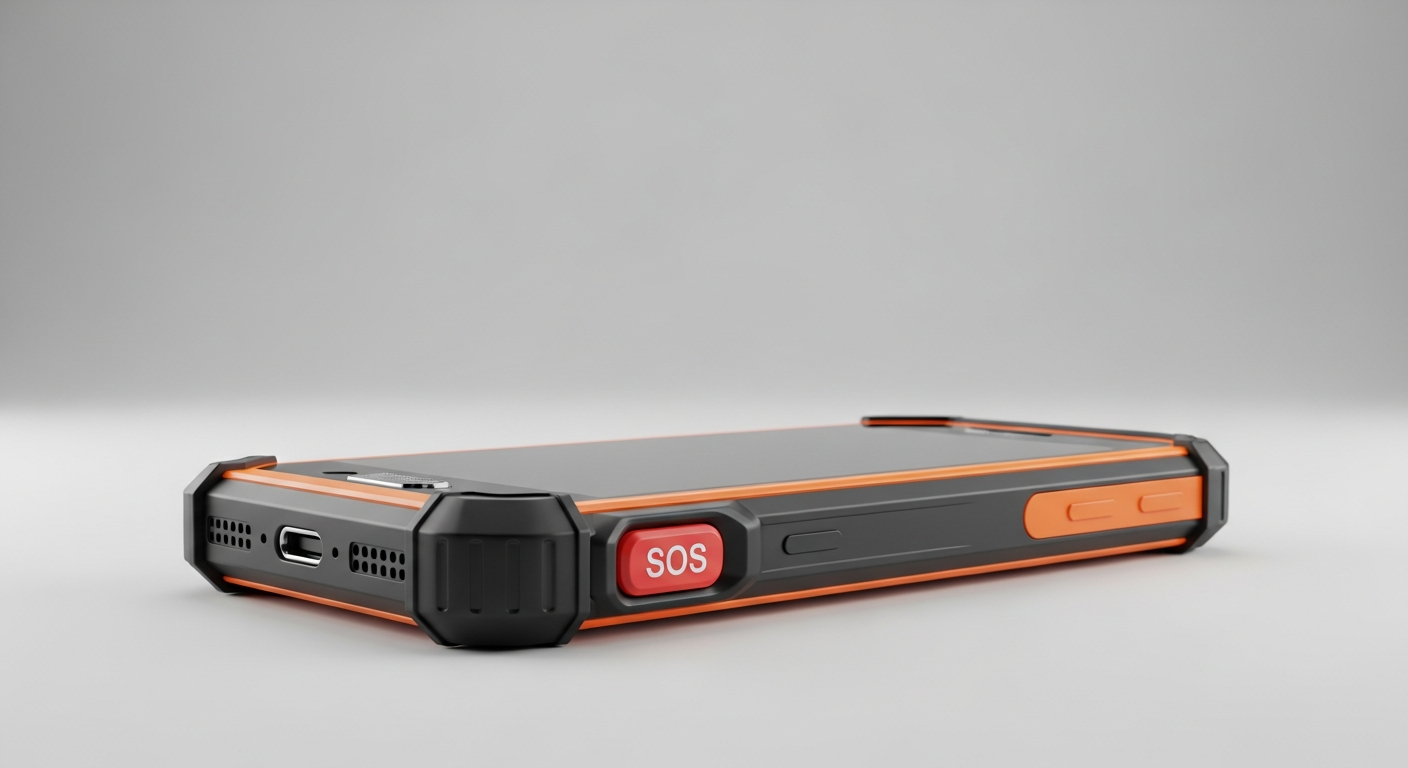
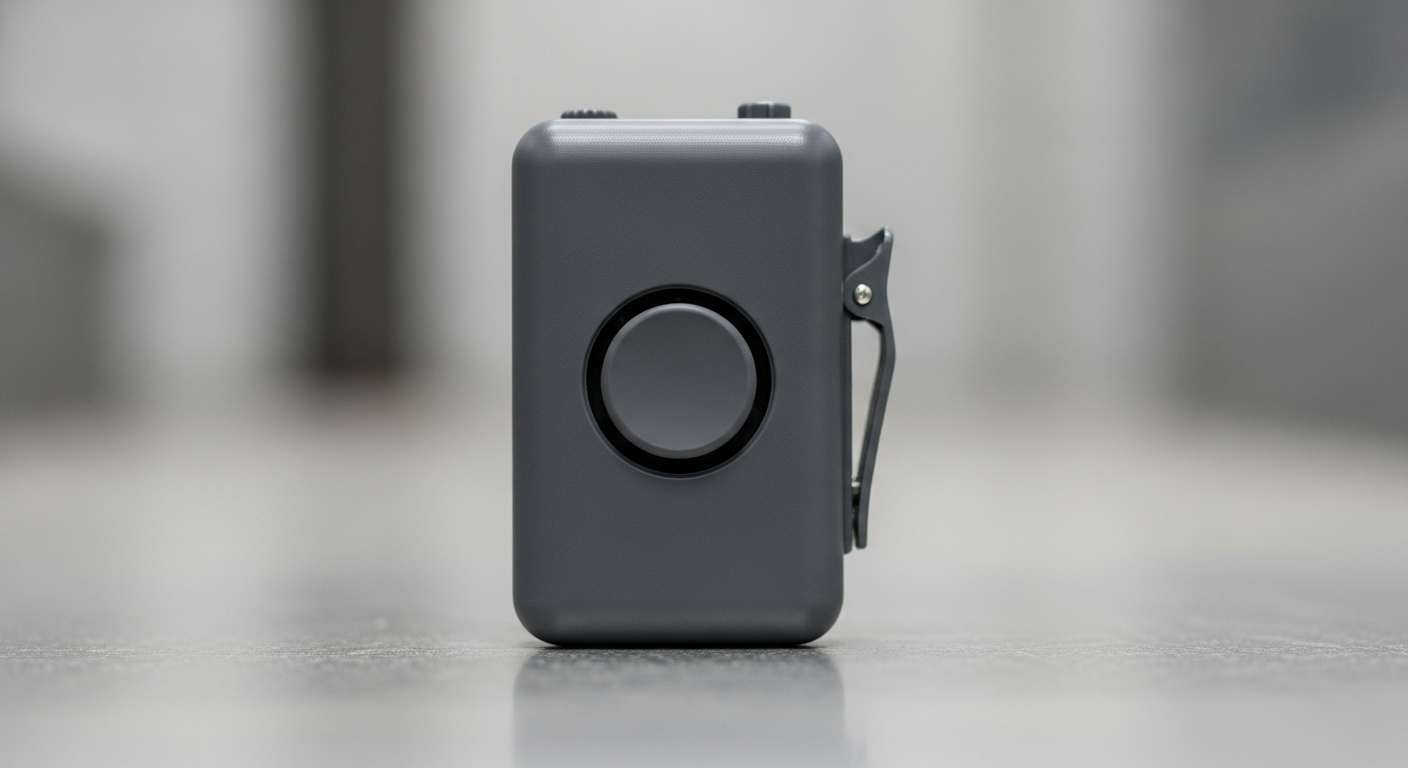
- Dedicated SOS Button: If a worker is conscious but in distress, such as during a medical emergency, security threat, or sudden hazard, they need a simple, one-touch method to call for help. A dedicated, easily accessible SOS button bypasses the need to unlock the screen or navigate menus. Pressing it immediately sends an alarm and location data to the designated response team.
- GPS & Indoor Location Tracking: Knowing a worker’s location is critical for a fast response. Outdoor GPS is standard, but many hazardous environments are indoors or in complex multi-level structures where GPS signals fail. Advanced devices incorporate Wi-Fi, Bluetooth beacons, or NFC technology to provide accurate indoor positioning, ensuring that responders can find a downed worker quickly, even in a large facility.
- Two-Way Communication and ‘Listen-In’ Capability: Once an alarm is triggered, clear, two-way voice communication is essential for the monitoring team to assess the situation and reassure the worker. Some systems also allow for a remote ‘listen-in’ function, which enables the response team to hear ambient sounds to better understand the emergency context, even if the worker is unable to speak.
Selecting the Right Device for Your Environment
Choosing the correct intrinsically safe device requires a careful analysis of your operational needs and environmental hazards. A one-size-fits-all approach can lead to compliance gaps and inadequate protection. Consider the following factors during your selection process:
- Hazardous Area Certification: Ensure the device’s certification matches your environment’s requirements. This includes standards like ATEX (Europe), IECEx (International), and NEC/CEC (North America). The Class/Division or Zone rating must be appropriate for the type and presence of flammable substances in your facility.
- Environmental Durability (IP and MIL-STD): Lone workers often operate in harsh conditions. Look for a high Ingress Protection (IP) rating, such as IP67 or IP68, which indicates resistance to dust and water immersion. A MIL-STD-810G/H rating signifies that the device has been tested against drops, shocks, vibration, and extreme temperatures, ensuring it will function reliably in the field.
- Connectivity and Network Coverage: A lone worker device is useless without a reliable connection. Assess whether your site has consistent cellular (4G/5G) coverage. If not, consider devices that also support Wi-Fi or even satellite communication for truly remote locations. The ability to switch between networks automatically is a significant advantage.
- Battery Life: The device must be able to last an entire work shift, and preferably longer, on a single charge. A device that dies mid-shift creates a dangerous blind spot in your safety protocol. Look for devices with long-life batteries and clear battery status indicators.
Recommended Products for Lone Worker Safety
The following products from our catalog are certified for use in hazardous areas and directly relevant to this guide:
| Product Category | Rating / Certification | Link |
|---|---|---|
| Intrinsically Safe Cell Phones | Class I Div 1 / ATEX Zone 1 | Shop Now |
| Intrinsically Safe Mobility Solutions | ATEX / IECEx Certified | Shop Now |
Shop Certified Intrinsically Safe Cell Phones
Equip your team with certified, rugged mobile devices designed for safety and communication in the most demanding hazardous environments.
Frequently Asked Questions
What is a lone worker device?
A lone worker device is a piece of equipment worn or carried by an individual working in isolation. It is designed to monitor their safety through features like fall detection, motion sensors, and an SOS button, automatically sending an alert to a supervisor or monitoring center in an emergency.
Why must a lone worker device be intrinsically safe in some environments?
In hazardous environments containing flammable gas, vapor, or dust (e.g., oil rigs, chemical plants), standard electronic devices can create a spark and cause an explosion. An intrinsically safe device is engineered to limit its electrical and thermal energy, preventing it from becoming an ignition source and ensuring it can be used safely.
How does a man-down alert work?
A man-down alert, also known as fall detection, uses sensors like an accelerometer to detect a sudden impact followed by a period of motionlessness. If the device’s parameters for a fall are met, it will trigger an automated alarm, sending the worker’s location to a predetermined response team for immediate assistance.
Can I use a regular smartphone with a safety app?
No, a regular smartphone is not safe for use in a classified hazardous area as it is an ignition source. Consumer-grade phones also lack the durability, dedicated SOS buttons, and reliable sensor technology of purpose-built lone worker devices. For safety and compliance, you must use a device certified for your specific hazardous environment.
What industries require intrinsically safe lone worker devices?
Industries such as oil and gas, petrochemical refining, chemical manufacturing, mining, pharmaceuticals, and utilities frequently have hazardous locations where lone workers are present. Any industry with classified zones (e.g., Class I Division 1 or ATEX Zone 0/1) where employees work alone should implement these devices.
Chat for a Quote Call: 832-699-6726
Device Selection and Safety Protocol
Selecting the right equipment is a critical responsibility for any organization with personnel working alone in hazardous locations. The device must have the correct intrinsic safety certification for your specific environment to prevent ignition. It must also be equipped with effective lone worker features like man-down alerts, an SOS button, and reliable location tracking. Durability and battery life are also essential for dependable performance in the field. Investing in certified, purpose-built solutions provides a critical layer of protection for your personnel. A thorough evaluation of these factors is the correct way to select the most effective intrinsically safe lone worker devices for your team.
Disclaimer: This guide provides general information and should not be used as a substitute for a site-specific risk assessment conducted by a qualified safety professional. Always verify that equipment certifications match your specific hazardous area classification, local regulations, and company policies.