
























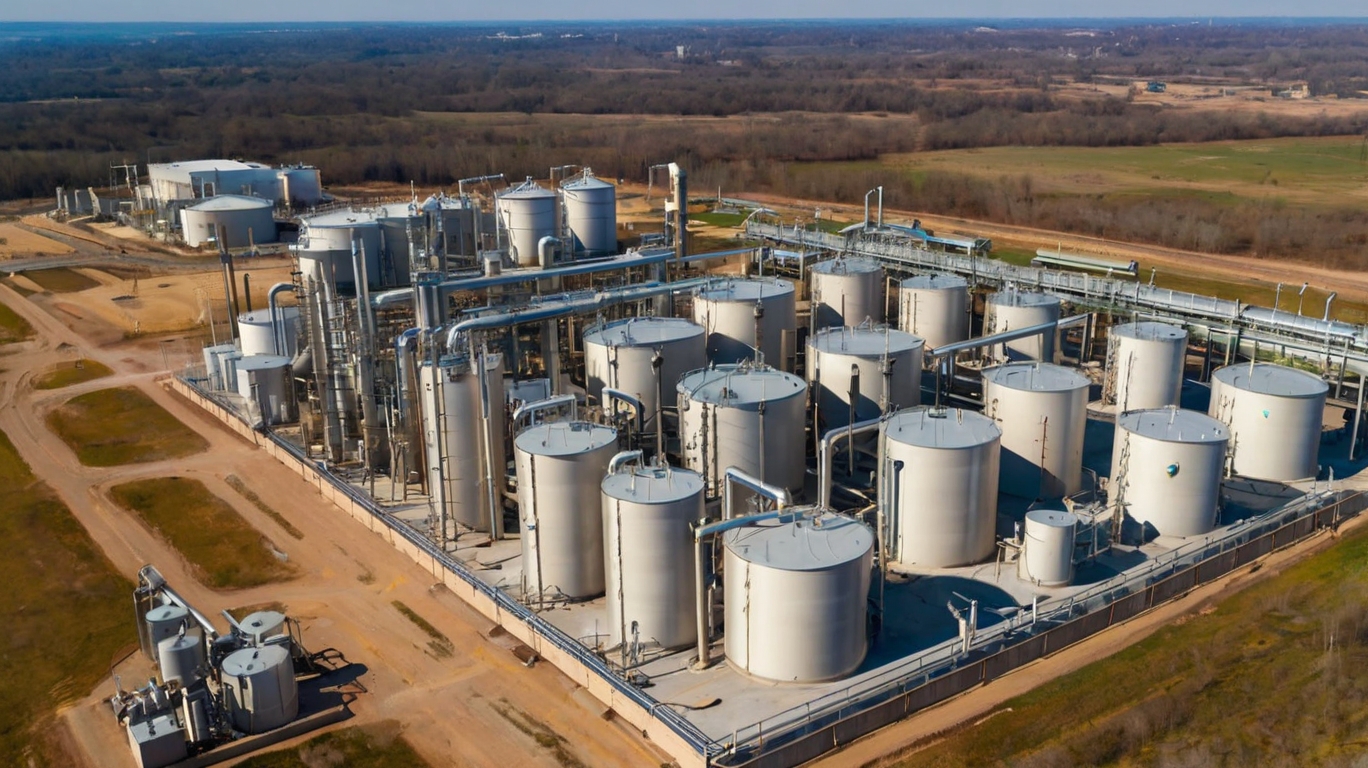
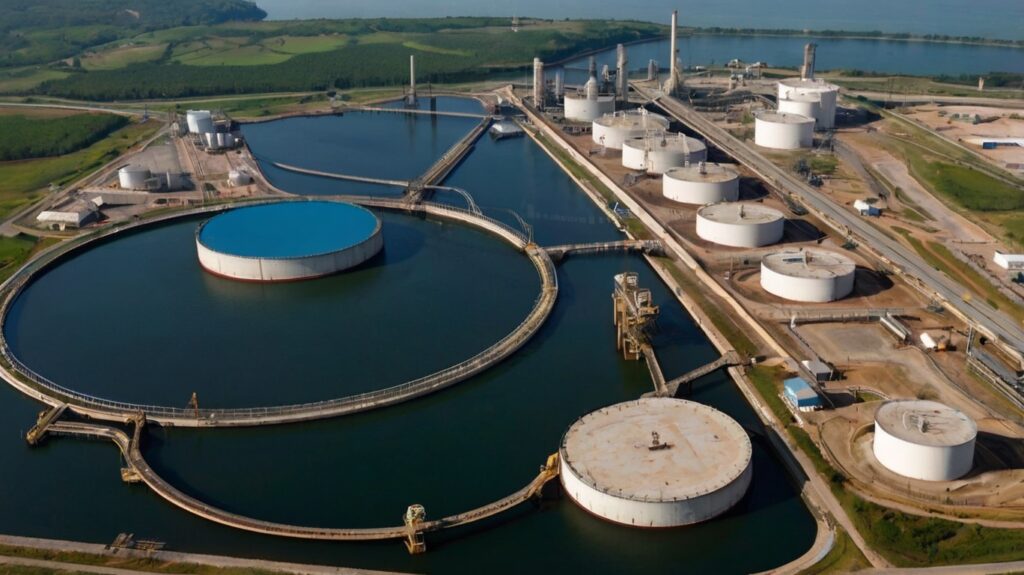
- Class 1 Division 1 (C1D1) refers to environments where flammable gases, vapors, or liquids are present under normal operating conditions.
- Compliance with safety standards like NEC and IEC is crucial for ensuring safety and operational efficiency in hazardous locations.
- Intrinsically safe and explosion-proof certified equipment, such as the BCS 3600 series scanners, is essential for mitigating risks in Class 1 Division 1 environments.
When it comes to working in hazardous environments, understanding safety classifications is crucial. Companies operating in industries such as oil and gas, chemical manufacturing, and mining need to ensure that both their equipment and protocols comply with safety standards to prevent catastrophic incidents. To ensure compliance and precision in these environments, many companies rely on certified measurement and calibration tools to monitor pressure, temperature, flow, and more. One such crucial safety classification is Class 1 Division 1 (Class 1 Div 1). But what is Class 1 Div 1, and why is it so important?
Want to reduce risks and protect your crew?
Download our free Hazardous Area Safety Checklist and make sure your team is always compliant with ATEX & IECEx standards.
This article will delve into the intricacies of Class 1 Division 1, breaking down its definition, the conditions it covers, and its significance in ensuring safety in hazardous locations. At The Intrinsically Safe Store, we pride ourselves on being the global authority in hazardous area solutions, offering a wide range of intrinsically safe and explosion-proof products, including a full range of intrinsically safe portable lighting ATEX-certified flashlights and headlamps for Class 1 Div 1 environments. Through this article, we aim to provide you with the knowledge and insights necessary for safer operational practices in hazardous environments.

Understanding Class 1 Division 1
When asking, “What is Class 1 Div 1?”, it is essential to understand that this designation is a classification for environments where volatile substances are present. Class 1 Division 1, or C1D1, areas are locations where ignitable concentrations of flammable gases, vapors, or liquids can exist under normal operating conditions, or where such substances may frequently be present in equipment that operates under normal conditions.
How Class 1 Division 1 Locations Are Defined
The National Electrical Code (NEC) and other international standards define hazardous locations to ensure safety in environments prone to explosions and fires due to the presence of combustible materials. Class 1 Division 1 locations involve two main parameters:
- Class 1: Pertains to facilities where flammable gases or vapors are present.
- Division 1: Indicates that these hazardous substances are likely to be present during regular operations.
Examples of Class 1 Division 1 Locations
Specific industries often contain C1D1 environments due to the nature of their operations:
- Oil and Gas Industry: Refineries, drilling rigs, and production sites.
- Chemical Manufacturers: Sites handling volatile chemicals and solvents.
- Petrochemical Plants: Areas where processing of petroleum products occurs.
Safety Measures for C1D1 Areas
Given the high-risk nature of Class 1 Division 1 environments, stringent safety measures are necessary:
- Intrinsically Safe Equipment: Devices like our rugged handheld scanners, including the BCS 3600 series, are designed to prevent spark generation, thus minimizing the risk of igniting explosives.
- Explosion-Proof Enclosures: Equipment must be robust enough to contain any explosion and prevent external hazard propagation.
- Regular Inspections: Consistent monitoring and maintenance are essential to ensure no hazardous leakages or malfunctions occur.
Class I Div 1 Overview
To fully grasp the safety requirements of Class 1 Division 1, it’s essential to understand not just the definition but also the underlying principles of hazard classification. This framework, primarily defined by the NEC, helps engineers, safety managers, and technicians implement appropriate protective measures. The classification considers the type of flammable substance and the likelihood of its presence in ignitable concentrations.
Definition & Hazard Levels
The NEC breaks down Class I locations further into Groups to categorize substances by their explosive properties. This is a critical detail for selecting compliant equipment:
- Group A: Acetylene
- Group B: Hydrogen and other gases with similar characteristics.
- Group C: Ethyl ether, ethylene, and other similar vapors.
- Group D: Gasoline, propane, natural gas, acetone, and other common industrial solvents.
A Class 1 Division 1 designation signifies the highest level of risk, where an explosive atmosphere is expected to be present during normal operation. This requires the most stringent protection methods, such as explosion-proof enclosures or intrinsically safe circuits, ensuring that any electrical equipment cannot become an ignition source.
Recommended certified equipment for C1D1
If you’re working in Class 1 Division 1 areas, these are two of the most common certified equipment categories teams use to stay compliant and reduce ignition risk.
Being knowledgeable about what constitutes a Class 1 Division 1 area and adhering to the strict safety protocols, companies can significantly mitigate the risks associated with operating in these hazardous environments.
Differentiating Hazardous Locations
Understanding hazardous locations is crucial for ensuring safety and compliance in industries such as oil and gas. The National Electrical Code (NEC) classifies hazardous locations into different classes and divisions based on the nature and likelihood of hazardous substances being present. These classifications help determine the types of safety measures and equipment required to mitigate risks.
Class 1: Gases, Vapors, and Liquids
Class 1 locations are defined by the presence of flammable gases, vapors, or liquids that can create explosive or ignitable mixtures. Such environments are common in industries where volatile substances are stored, processed, or handled. The classification ensures that any equipment used in these areas is designed to prevent ignition and the resulting potential for explosions.
Division 1 vs. Division 2
The division within a class further specifies the frequency and duration of exposure to hazardous substances.
- Division 1 (Div 1): This is the more stringent classification within Class 1. It denotes environments where hazardous substances are consistently present under normal operating conditions. For instance, this could be an area where a flammable vapor is regularly released into the atmosphere as part of a routine process. Consequently, equipment used in Division 1 areas must be robust enough to prevent ignition even during constant exposure to dangerous gases or vapors.
- Division 2 (Div 2): In contrast, Division 2 signifies locations where hazardous substances are not usually present but may appear under abnormal conditions such as equipment malfunctions or accidental releases. Thus, Division 2 areas require safety measures to address these occasional risks, ensuring that any potential release is promptly controlled and mitigated.
The Importance of Proper Classification
Correctly identifying and classifying hazardous locations is essential to maintaining safety, compliance, and operational efficiency. Equipment designed for Class 1 Division 1 environments, like the rugged handheld scanners from the BCS 3600 series offered by The Intrinsically Safe Store, are engineered to perform reliably amid continuous exposure to hazardous substances. By using certified intrinsically safe and explosion-proof solutions, companies can significantly reduce the risk of accidents, ensuring a safer workplace for their employees and compliance with regulatory standards.
For detailed information about specific products and solutions tailored to your hazardous area needs, visit The Intrinsically Safe Store’s extensive catalog. Our expertise in hazardous area solutions enables us to provide the right tools for the job, safeguarding your operations while optimizing performance.
Exploring Safety Standards: NEC and IEC
When discussing Class 1 Division 1 safety, it’s crucial to understand the governing safety standards: the National Electrical Code (NEC) and the International Electrotechnical Commission (IEC). These standards are the backbone of safety protocols in hazardous environments, ensuring the reliability and safety of equipment and operations.
National Electrical Code (NEC)
The NEC, also known as NFPA 70, is a widely adopted standard in the United States. It sets guidelines for electrical installations, focusing on safe design and implementation to prevent fire and electrical hazards. For Class 1 Division 1 locations, the NEC classifies areas where flammable gases, vapors, or liquids are present under normal operating conditions. It’s mandatory for companies operating in such environments to comply with NEC regulations to mitigate risks and protect personnel.
Some key NEC guidelines for Class 1 Division 1 areas include:
- Intrinsically Safe Equipment: Devices must be designed to operate safely in explosive atmospheres, with components like rugged handheld scanners ensuring no ignition sources.
- Explosion-Proof Design: Equipment must be enclosed in robust housings to contain any potential explosions.
- Proper Wiring Methods: Implementing conduit and seal systems to prevent the infiltration of hazardous elements into safe areas.
International Electrotechnical Commission (IEC)
The IEC sets global standards for electrical, electronic, and related technologies. For hazardous locations, the IEC 60079 series outlines the classification and protection of equipment used in explosive atmospheres. While similar to NEC, the IEC uses a different system, referring to equivalent areas as Zone 0, Zone 1, and Zone 2.
In the context of Class 1 Division 1 areas, the IEC equivalent would be Zone 1, where explosive atmospheres are likely to occur during normal operation. Complying with IEC standards involves:
- Equipment Certification: Ensuring devices undergo rigorous testing and certification to meet IEC safety criteria.
- Ingress Protection (IP): Defining levels of protection against solids and liquids, crucial for equipment longevity in harsh environments.
- Temperature Classification: Assigning temperature classes to prevent surface temperatures from igniting flammable substances.
By understanding and implementing these safety standards, organizations can ensure robust operational safety and compliance in hazardous environments. This knowledge is not only essential for regulatory adherence but also for maintaining a high safety standard for personnel and equipment.
NEC vs ATEX Comparison
For global engineers and inspectors, understanding the crossover between the North American NEC system (Classes/Divisions) and the international IEC/ATEX system (Zones) is vital. While they share the same goal of preventing explosions, their classification methodologies differ. The following table provides a high-level comparison for Class I / gas environments.
| Feature | NEC (North America) | ATEX / IECEx (International) |
|---|---|---|
| Hazard Type | Class I: Flammable Gases/Vapors Class II: Combustible Dusts Class III: Ignitable Fibers | Group II: Gas (surface industries) Group III: Dust (surface industries) |
| Likelihood of Hazard | Division 1: Hazard present under normal operating conditions. Division 2: Hazard present only under abnormal conditions (e.g., leak). | Zone 0 / 20: Hazard present continuously or for long periods. Zone 1 / 21: Hazard likely to occur in normal operation. Zone 2 / 22: Hazard not likely in normal operation; if it occurs, it is for a short period. |
| General Equivalence | Class I, Div 1 is roughly equivalent to Zone 1 (and sometimes includes Zone 0). Class I, Div 2 is roughly equivalent to Zone 2. | Zone 1 is the closest parallel to Class I, Division 1. Equipment certified for Zone 1 is often suitable for Div 1 applications, but cross-certification is required. |
Typical Equipment & Enclosures
In a Class 1 Division 1 environment, every piece of electrical equipment must be specifically designed and certified to prevent ignition. This goes beyond just the device itself and extends to its housing, wiring, and connections. Common types of certified equipment include:
- Lighting Fixtures: Explosion-proof lights are built with heavy-duty frames, thick glass, and sealed gaskets to contain an internal ignition and withstand harsh conditions.
- Motors and Generators: These must use explosion-proof enclosures (Type ‘d’ in ATEX) that are robust enough to contain an internal explosion and cool escaping gases below the ignition temperature of the surrounding atmosphere.
- Control Panels and Junction Boxes: These enclosures are typically made of cast aluminum or stainless steel with threaded covers or bolted flanges to create a flame path that quenches any internal fire before it can escape.
- Sensors and Instrumentation: Many sensors utilize intrinsic safety (Type ‘i’ in ATEX), which limits the electrical energy in the circuit to a level below what is needed to ignite the hazardous substance.
- Portable Devices: Items like gas detectors, cameras, and scanners must be certified as intrinsically safe, ensuring they cannot create a spark even if dropped or damaged.
Class 1 Division 1 vs. Division 2: What Sets Them Apart
When discussing hazardous locations, understanding the difference between Class 1 Division 1 (Div 1) and Class 1 Division 2 (Div 2) is crucial for ensuring safety and compliance in your operations. Both classifications pertain to environments where flammable gases or vapors are present, but they differ significantly in terms of frequency and potential for hazardous conditions.
Class 1 Division 1 (Div 1) refers to an environment where hazardous conditions are present continuously, intermittently, or periodically under normal operating conditions. These areas are often found in industries such as oil and gas, chemical manufacturing, and refineries. In Div 1 locations, safety standards require the highest level of precaution and equipment that can resist ignition during standard operations. The BCS 3600 series scanners provided by The Intrinsically Safe Store are designed to meet these stringent requirements, ensuring that your critical operations remain safe and compliant.
On the other hand, Class 1 Division 2 (Div 2) environments have hazardous conditions that are not typically present during normal operations but may occur in the event of an accidental leak or system malfunction. For example, an area in a chemical plant where flammable liquid containers are stored may be classified as Div 2 since the risk is only present if a container leaks. While Div 2 locations also demand rigorous safety measures, the level of equipment protection required is not as tight as for Div 1 environments.
One of the key differences between Div 1 and Div 2 is also the type of safety equipment that must be used. For Div 1 areas, all components, including wiring and conduits, must be explosion-proof or intrinsically safe. In contrast, Div 2 areas may permit certain types of standard industrial equipment. However, any equipment used in Div 1 areas, such as the explosion-proof and intrinsically safe solutions we offer, can provide an extra margin of safety in Div 2 environments.
Understanding these distinctions helps companies make informed decisions about the types of safety measures and equipment necessary for their specific operational contexts. At The Intrinsically Safe Store, we are committed to providing robust solutions tailored to meet the demanding needs of both Class 1 Division 1 and Division 2 environments, ensuring the utmost safety and compliance for our clients.
Certified Equipment for C1D1 Environments
When operating in Class 1 Division 1 (C1D1) environments, the selection and use of certified equipment is crucial for ensuring safety and compliance. Intrinsically Safe (IS) and Explosion-Proof (XP) equipment are designed to function properly within these hazardous locations, reducing the risk of ignition and ensuring continued operation in potentially volatile atmospheres.
Intrinsically Safe Equipment
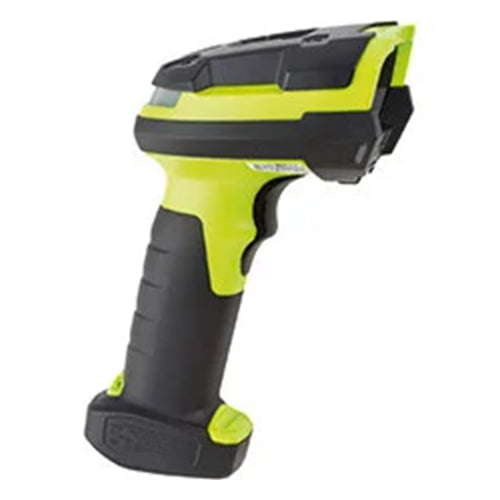
Intrinsically Safe equipment is designed to limit the energy—electrical and thermal—available for ignition in hazardous areas. This means that even in the event of electrical faults, the energy released will not be sufficient to cause an explosion. Products like the BCS 3600 series rugged handheld scanners offered by the Intrinsically Safe Store are exemplary of IS equipment, providing reliable operation without compromising safety in dangerous conditions. Another excellent example is the Nightstick XPP-5418RX Intrinsically Safe Flashlight, which offers 200 lumens of output, is certified for Class I Division 1, and is ideal for emergency response and confined space operations in oil & gas and chemical facilities.
Explosion-Proof Equipment
Explosion-Proof equipment, such as the James Industry O Series Explosion Proof Lights, is constructed to contain any explosion that could occur within its enclosures. This prevents the explosion from igniting the surrounding atmosphere. The certifications for such equipment ensure that they can withstand these internal explosions and maintain their structural integrity, thereby protecting the broader environment.
Importance of Certification
Certification is a vital aspect when selecting equipment for C1D1 environments. Certified equipment has been rigorously tested and approved to meet specific standards, such as those set by Underwriters Laboratories (UL) and the International Electrotechnical Commission (IEC). These certifications assure that the equipment is suitable for use in hazardous locations and provides a layer of security for operational integrity.
At the Intrinsically Safe Store, we offer a comprehensive range of certified C1D1 products. Our global authority in hazardous area solutions ensures that every product meets stringent certification standards, safeguarding your operations while maintaining peak performance.
By investing in certified C1D1 equipment, companies can ensure compliance with safety regulations, protect their workforce, and prevent costly accidents, ultimately securing their investments and promoting a safer working environment.
Browse our selection of Class 1 Division 1 certified equipment.
Cameras, scanners, and intrinsically safe phones for maximum protection in hazardous areas.
View Class 1 Div 1 Products
The Role of Intrinsically Safe Devices
In hazardous locations classified as Class 1 Division 1, the importance of intrinsically safe devices cannot be overstated. These devices are engineered to operate safely in environments where flammable gases, vapors, or liquids are continuously present under normal operating conditions. By limiting the energy available for ignition, intrinsically safe devices mitigate the risk of explosions and ensure operational safety.
At The Intrinsically Safe Store, we specialize in providing solutions that meet Class 1 Division 1 requirements. For example, our rugged handheld scanners, like the BCS 3600 series, are designed with specific safety features to function effectively in high-risk areas. These scanners not only adhere to stringent safety regulations but also deliver reliable performance, making them indispensable tools for industries such as oil and gas.
The use of intrinsically safe devices extends beyond preventing explosive incidents; it also contributes to regulatory compliance. Organizations operating in hazardous environments must adhere to a variety of safety standards and regulations, such as those specified by OSHA, NEC, and NFPA. By integrating intrinsically safe devices into their operations, companies can ensure compliance with these regulations, thereby avoiding potential penalties and enhancing workplace safety.
In addition, intrinsically safe devices are engineered for durability and longevity, reducing the need for frequent replacements or repairs. This endurance ultimately translates to lower operational costs and increased efficiency, allowing companies to focus on their core activities without compromising safety.
Installation & Safety Tips
Proper installation is as critical as selecting the right equipment. A certified device installed incorrectly can compromise the entire safety system. Adherence to NEC Articles 500 through 504 is mandatory. Key safety and installation tips include:
- Use Rigid Metal Conduit: In Class 1 Division 1 locations, wiring must be protected in threaded rigid metal conduit (RMC) or intermediate metal conduit (IMC). This provides physical protection and ensures a proper flame path.
- Install Sealing Fittings: Conduit seals are required to prevent flammable gases from traveling through the conduit system into non-hazardous areas or other enclosures. These must be installed within 18 inches of any enclosure that contains arcing or sparking devices.
- Ensure Proper Grounding and Bonding: A reliable grounding path is essential to prevent static electricity buildup and to ensure that fault currents can be safely dissipated. All metallic components in the hazardous area must be bonded together.
- Regular Maintenance and Inspection: Conduct routine checks for corrosion, loose connections, and damage to enclosures or conduit. Ensure that all covers and bolts are securely fastened to maintain the integrity of explosion-proof systems.
- Follow Manufacturer Instructions: Always adhere to the installation and maintenance guidelines provided by the equipment manufacturer to maintain certification and ensure safe operation.
Secure Your Operations with Class 1 Division 1 Certified Solutions
When operating in hazardous environments, safety and compliance are non-negotiable. At the Intrinsically Safe Store, we understand the complexities and challenges you face. That’s why we offer a range of products and services designed to meet the stringent requirements of Class 1 Division 1 environments.
Explore our extensive collection of intrinsically safe and explosion-proof solutions to ensure your operations are safe, compliant, and efficient. Our offerings include:
- Rugged Handheld Scanners: Discover our BCS 3600 series, optimized for hazardous locations with unmatched durability and performance.
- Explore our extensive collection of intrinsically safe and explosion-proof solutions to ensure your operations are safe, compliant, and efficient. For mobile inspection tasks and digital field operations, the iPad Pro 11in ATEX Zone 2 (2024) offers a rugged, certified option that combines usability with full Apple functionality. Our offerings include:
- Explosion-Proof Cameras: Capture critical visual data securely in the most challenging environments.
- Safety Accessories and Gear: Enhance your safety protocols with personal protective equipment and other essential accessories, including our intrinsically safe cases for hazardous environments.
Don’t compromise on safety. Equip your team with the best tools to navigate hazardous environments confidently. Ready to upgrade your hazardous location operations? Contact us today to learn more about our Class 1 Division 1 certified products and how we can help secure your operations. Let the Intrinsically Safe Store be your trusted partner in hazardous area solutions.
Conclusion
Understanding what is Class 1 Div 1 is essential for maintaining safety and compliance in hazardous environments like the oil and gas industry. Class 1 Division 1 specifies areas where flammable gases or vapors are present in sufficient quantities to pose a risk under normal operating conditions. Ensuring that equipment and operational protocols meet Class 1 Division 1 standards can prevent catastrophic incidents, protect workers, and maintain regulatory compliance.
At the Intrinsically Safe Store, we take pride in offering a comprehensive selection of intrinsically safe and explosion-proof certified solutions. From rugged handheld scanners like the BCS 3600 series to other essential equipment, our products are designed to excel in the most challenging environments, helping you adhere to stringent safety standards. As a global authority in hazardous area solutions, our mission is to provide you with the expertise and products needed to navigate and mitigate risks in hazardous locations.
Keep abreast of industry standards and best practices by following our blog. We offer invaluable insights on topics such as MIL-STD-461 testing requirements and developments in hazardous area solutions, ensuring you stay informed and prepared. Trust Intrinsically Safe Store to be your reliable partner in safety and compliance.
FAQs: Class 1 Division 1 Explained
What types of environments are classified as Class 1 Division 1?
Class 1 Division 1 environments are areas where flammable gases, vapors, or liquids are present in the air in sufficient quantities to produce explosive or ignitable mixtures. These conditions can be routine during normal operations, maintenance, repair activities, or even equipment malfunctions. Common examples include refineries, chemical plants, oil and gas drilling sites, and paint facilities.
What are the requirements for electrical equipment in Class 1 Division 1 areas?
Electrical equipment used in Class 1 Division 1 areas must meet stringent safety standards to ensure they do not ignite explosive gases or vapors. This equipment must be either intrinsically safe or explosion-proof. Intrinsically safe equipment limits electrical and thermal energy to levels incapable of causing ignition, while explosion-proof equipment is designed to contain any explosion within the housing, preventing it from igniting the surrounding atmosphere.
How is explosion-proof equipment designed for Class 1 Division 1 environments?
Explosion-proof equipment is engineered with robust housings that can withstand internal explosions. These housings are constructed to contain blasts and prevent any flames, sparks, or hot gases from escaping and igniting the external environment. Materials used in explosion-proof designs are typically high-strength alloys, and the equipment is often tested rigorously to ensure compliance with industry standards.
Can non-explosion-proof equipment ever be used in Class 1 Division 1 areas?
Non-explosion-proof equipment should never be used in Class 1 Division 1 areas due to the high risk of ignition. Only equipment certified as intrinsically safe or explosion-proof is permissible. Using non-compliant equipment can result in severe hazards, including explosions, fires, and injuries to personnel.
How are gases and vapors classified for Class 1 Division 1 areas?
Gases and vapors in Class 1 Division 1 areas are classified based on their properties, such as ignition temperature, explosion pressure, and potential explosive energy. These classifications help in selecting appropriate equipment and preventive measures. Standards like the National Electrical Code (NEC) and the International Electrotechnical Commission (IEC) provide guidelines for classifying and managing these hazardous gases and vapors.
For a comprehensive selection of Class 1 Division 1 compliant equipment, visit The Intrinsically Safe Store, your global authority in hazardous area solutions. Our rugged handheld scanners, like the BCS 3600 series, are designed for safe and efficient operation in hazardous environments.
