





















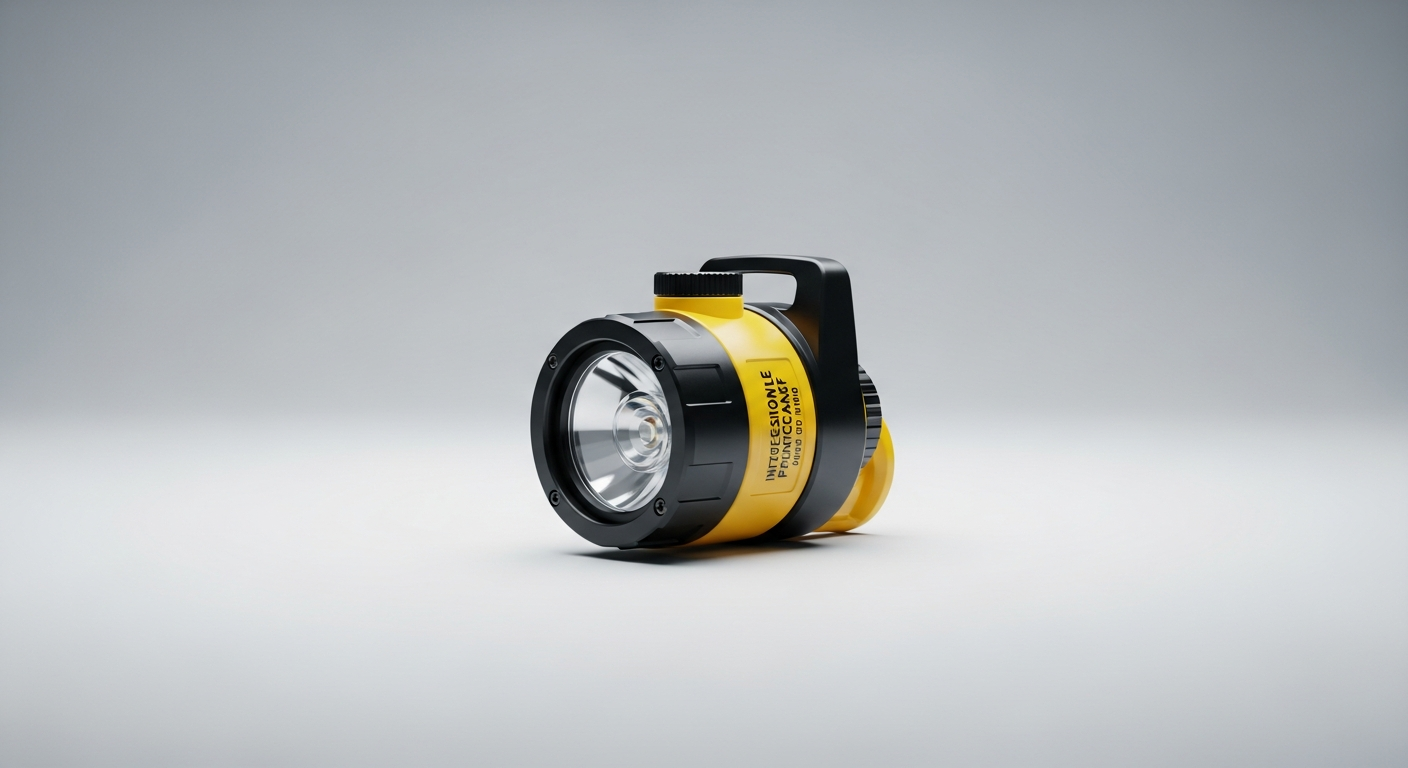
In hazardous environments, selecting the right personal protective equipment is non-negotiable. An intrinsically safe headlamp is more than a light source; it’s a critical safety device designed to prevent catastrophic accidents. These specialized headlamps are engineered to eliminate the risk of igniting flammable gases, vapors, or dust in volatile locations. Unlike standard headlamps, every component, from the battery to the bulb, is designed to operate at low thermal energy and prevent sparks. This guide covers the essential certifications and features to consider, helping you acquire a compliant and reliable headlamp that meets the safety standards of your workplace and protects your team from ignition hazards.
Explore Our Top Headlamp Picks
Before you buy, see our detailed review of the best intrinsically safe headlamps available, comparing features, battery life, and certifications.
Understanding Certifications Before You Buy
Before you can confidently buy an intrinsically safe headlamp, understanding the certifications is crucial. These are not suggestions but legal requirements in many jurisdictions. The primary goal of these certifications is to guarantee that a device will not become an ignition source in a hazardous environment. In North America, equipment must comply with standards set by bodies like OSHA, which often references the National Electrical Code (NEC). Specifically, regulations like NFPA 70 Article 500 define the classification of hazardous locations into Classes, Divisions, and Groups based on the type and presence of flammable substances. A headlamp certified for Class I, Division 1, for example, is approved for use where flammable gases or vapors are continuously present. Internationally, you will encounter ATEX and IECEx certifications, which use a Zone-based system. Knowing the specific classification of your work area is the first step in selecting a compliant headlamp.
Key Features to Evaluate in an Intrinsically Safe Headlamp
Beyond certifications, the practical features of a headlamp determine its performance and safety on the job. When comparing models, look past the price tag and assess the specifications that matter most in demanding conditions. A reliable headlamp is a tool that helps get the job done safely. Here are the most important features to consider:
- Lumen Output and Beam Distance: Consider the brightness (lumens) needed for your tasks. A higher lumen count isn’t always better if it drastically reduces battery life. Also, evaluate the beam distance to ensure it sufficiently illuminates your work area.
- Battery Type and Runtimes: Look for models with long runtimes to last a full shift. Decide between rechargeable or disposable batteries. Rechargeable models can be more cost-effective long-term, but disposable batteries might be more practical in remote locations without charging access.
- Durability and IP Rating: The headlamp must withstand rough handling. Look for heavy-duty construction materials and a high impact resistance rating. The IP (Ingress Protection) rating is also critical, indicating its resistance to dust and water intrusion.
- Ergonomics and Weight: A headlamp will be worn for hours, so it must be comfortable. Check the weight, adjustability of the straps, and the overall balance of the unit to prevent worker fatigue and ensure it stays securely in place.
Steps to Purchasing the Right Headlamp
Following a structured approach will help you buy the right intrinsically safe headlamp. This ensures you get a compliant device suited to your team’s operational needs. Taking these steps methodically prevents costly purchasing errors and improves workplace safety.
- Assess Your Environment: First, confirm the exact hazardous area classification for your worksite (e.g., Class I, Division 2, Group C). This information is critical and dictates the minimum certification required for any electronic device.
- Define User Needs: Consult with the end-users. Do they need a wide floodlight for close-up inspections or a focused spotlight for distance viewing? What are their minimum battery life requirements for a full shift?
- Compare Certified Models: Once you have your requirements, research headlamps that meet those specs. Create a shortlist of models from reputable manufacturers that hold the necessary certifications for your location.
- Verify Supplier Authenticity: Purchase only from authorized distributors or directly from the manufacturer. This guarantees you are receiving a genuine, certified product and not a counterfeit, which could pose a severe safety risk. The Intrinsically Safe Store is an authorized dealer for all major brands.
- Implement and Train: After purchasing, ensure all users are trained on the proper use, inspection, and battery replacement procedures for the specific headlamp model to maintain its safety rating.
Recommended Products for Intrinsically Safe Lighting
The following products from our catalog are certified for use in hazardous areas and directly relevant to this guide:
| Product Category | Rating / Certification | Link |
|---|---|---|
| Intrinsically Safe Headlamps | Class I Div 1 / ATEX Zone 0 | Shop Now |
| Intrinsically Safe Rechargeable Cap Lamps | IECEx / ATEX M1 Mining | Shop Now |
Shop Certified Intrinsically Safe Headlamps
Ensure compliance and worker safety with our curated selection of certified headlamps from leading brands, ready for immediate deployment.
Frequently Asked Questions
What makes a headlamp intrinsically safe?
An intrinsically safe headlamp is designed with circuitry that limits electrical and thermal energy to a level below what is required to ignite a specific hazardous atmospheric mixture. This prevents sparks and hot surfaces, ensuring it cannot be an ignition source in volatile environments.
How do I know which certification I need for my headlamp?
You must identify the hazardous area classification of your workplace. This is typically determined by a site safety assessment and will specify the required Class/Division (North America) or Zone (ATEX/IECEx) and Gas/Dust Group for your equipment.
Can I use a regular high-powered headlamp in a hazardous area?
No, absolutely not. Using a non-certified electronic device, including a standard headlamp, in a classified hazardous area can generate a spark or heat sufficient to cause an explosion or fire. Only use equipment specifically certified for that environment.
What is the difference between ATEX and IECEx ratings for headlamps?
ATEX is a mandatory certification for equipment used in the European Union, while IECEx is an international certification scheme accepted in many countries worldwide. While their technical standards are very similar, the legal frameworks and regional acceptance differ.
How often should an intrinsically safe headlamp be inspected?
It should be inspected by the user before every use for any signs of damage, such as cracks in the casing or lens, which could compromise its safety. Regular, more formal inspections should be conducted according to your company’s safety policy and the manufacturer’s recommendations.
Chat for a QuoteCall: 832-699-6726
Choosing the right intrinsically safe headlamp is fundamental to workplace safety. The process requires a technical understanding of your hazardous environment, a full evaluation of certifications like NFPA 70, and a focus on features that improve both safety and function. By prioritizing durability, battery life, and ergonomic design, you equip your team with a tool that they can rely on for entire shifts. Always source your equipment from trusted suppliers to guarantee authenticity and compliance. Investing in the correct certified headlamp protects your team and your facility’s operational integrity.