





















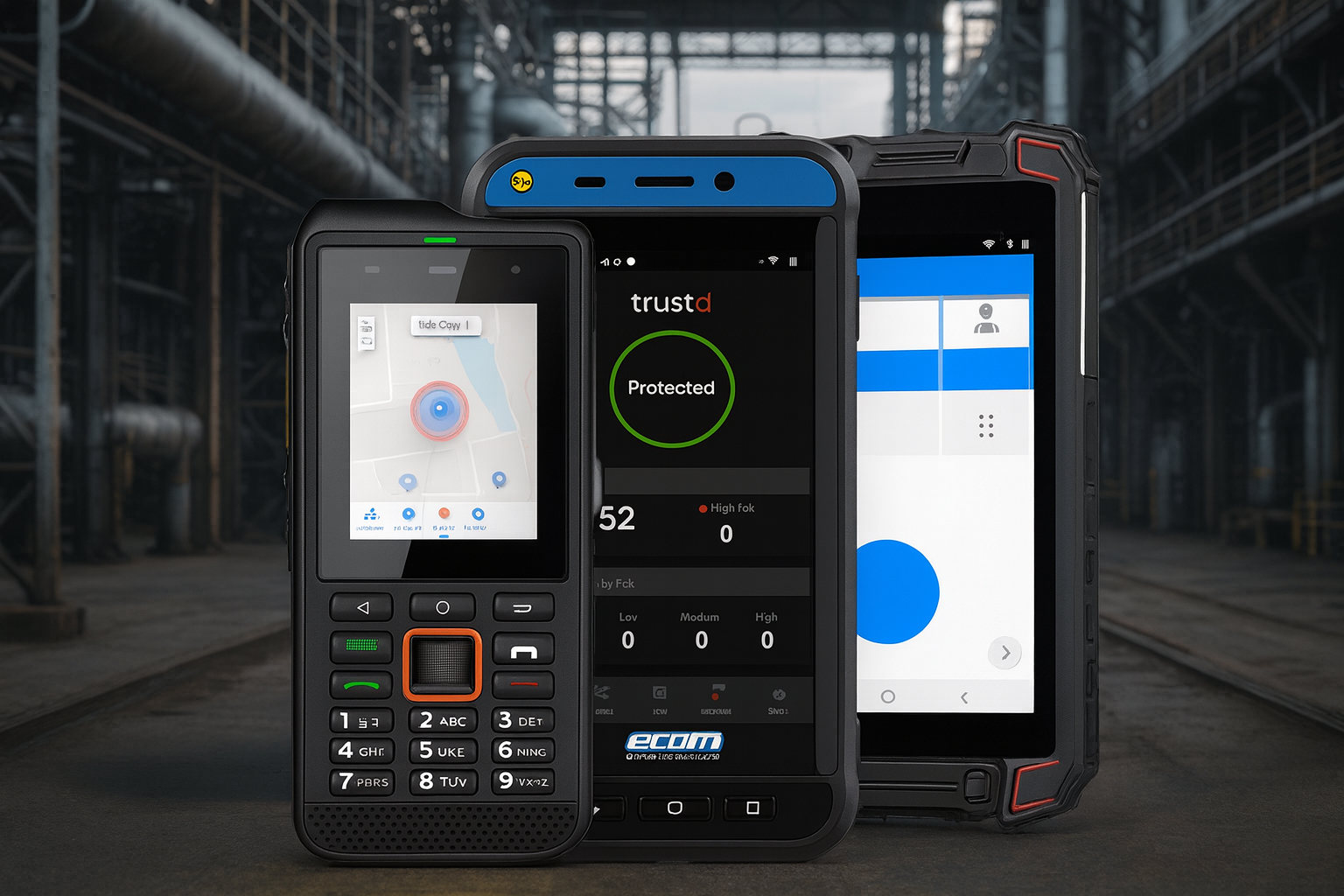
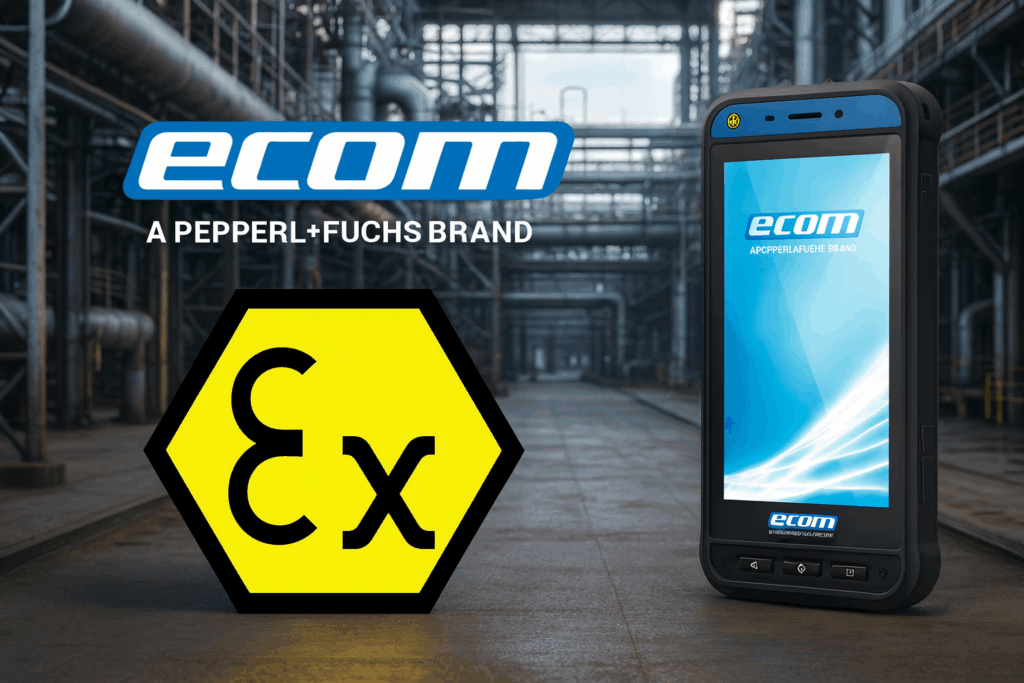
Choosing the right intrinsically safe smartphone is more important than ever. Industries operating in hazardous areas—oil & gas, chemicals, manufacturing, utilities, aviation, and mining—require mobile devices that eliminate ignition risks, support modern enterprise apps, and withstand rough field environments.
With supply chain delays and evolving certification standards, it’s crucial to compare not just features and performance, but also ATEX/IECEx ratings, lead times, battery safety, and availability.
This guide breaks down the top intrinsically safe smartphones currently in stock at Intrinsically Safe Store, helping you make a safe, compliant, and future-proof decision as an operations or safety manager.
Ready to compare certified smartphones?
Browse our in-stock intrinsically safe cell phones, check ATEX/IECEx ratings, and request a custom quote for your specific hazardous zone.
What Is an Intrinsically Safe Smartphone?
An intrinsically safe smartphone is a mobile device engineered to eliminate the possibility of igniting flammable gases, vapors, or dust during normal operation. This is achieved by using current-limiting circuits, specialized housings, sealed components, and protection techniques to comply with global hazardous-area standards such as ATEX, IECEx, and Class I Division 1/2.
These phones allow workers to safely run inspection apps, capture data, communicate in real time, and integrate with enterprise mobile software—without introducing ignition hazards.

Why You Need a Certified Phone in Hazardous Areas
Using a non-certified, standard consumer device in a hazardous area is a significant safety violation and operational risk. These devices can spark, overheat, or generate static discharge, creating a potential ignition source for flammable atmospheres. A certified intrinsically safe smartphone is essential for three main reasons: safety compliance, operational continuity, and enhanced productivity.
Safety and Compliance: Using certified devices is a legal and regulatory requirement in most jurisdictions. Failure to comply can result in heavy fines, operational shutdowns, and catastrophic accidents. Safety auditing data from multiple global agencies shows:
- 35% of ignition incidents in hazardous areas originate from unauthorized electronics.
- 80% of industrial safety managers now require ATEX/IECEx-certified devices for Zone 1/21 work.
- Digital transformation adoption is up 60% in hazardous industries since 2020, increasing demand for certified mobility devices.
These numbers highlight why the right hazardous-area smartphone matters—not only for compliance, but for productivity and operational safety. A certified phone is a critical piece of personal protective equipment (PPE) that protects your people and your assets.
Understanding Certifications: ATEX vs. IECEx vs. Class/Division
Navigating hazardous area certifications can be complex, but understanding the main standards is key to selecting a compliant device. ATEX, IECEx, and the Class/Division system are the three primary global frameworks. While they have different origins, they share the same goal: preventing explosions. Our experts can help you understand ATEX certification and other standards.
ATEX (Europe)
The ATEX directive is mandatory in the European Union. It classifies hazardous areas into Zones based on the frequency and duration of an explosive atmosphere’s presence.
| Zone | Description |
|---|---|
| Zone 0 | Explosive atmosphere continuously present |
| Zone 1 | Likely explosive atmosphere during normal operations |
| Zone 2 | Explosive atmosphere unlikely, but possible |
IECEx (International)
The IECEx scheme is a global standard that provides a single framework for certifying equipment for use in explosive atmospheres. Its goal is to create a universally accepted standard, simplifying international trade. A device with IECEx certification is recognized in many countries worldwide, often streamlining local approval processes.
Class/Division System (North America)
Used primarily in the United States and Canada, this system classifies hazardous areas by the type of flammable material (Class), its properties (Group), and the likelihood of its presence (Division).
Class I Division 1 (C1D1): High-risk areas where flammable gases or vapors are present continuously or intermittently during normal operations.
Class I Division 2 (C1D2): Lower-risk areas where flammable substances are present only in abnormal conditions, such as a container failure.
All top smartphones in this guide comply with a combination of these standards, ensuring global compatibility and safety.
Need a deeper dive into hazardous area certifications?
Learn how standards and classifications impact your choice of intrinsically safe smartphone:
Top 5 Intrinsically Safe Smartphones for 2026: A Detailed Review
Based on performance, certifications, and availability for 2026, these five models represent the best choices for demanding industrial environments. They are selected for their robust feature sets, reliability, and strong manufacturer support.
1. Ecom Smart-Ex 03 DZ1 5G: The Future-Proof Performer
Designed for digital transformation, the Smart-Ex 03 offers cutting-edge 5G connectivity and a powerful processor. It’s ideal for organizations deploying data-intensive applications like remote assistance, IoT data visualization, and cloud-based enterprise software. Its ATEX/IECEx Zone 1/21 rating ensures it can be used in the most common hazardous areas.
2. Bartec Pixavi Smartphone: The Rugged All-Rounder
The Bartec Pixavi Smartphone is a workhorse, trusted in oil & gas and chemical processing for its durability and reliable performance. It features a high-definition camera suitable for inspections and documentation, a glove-friendly touchscreen, and a long-lasting battery designed for extended shifts. It is certified for ATEX/IECEx Zone 1.
3. i.Safe Mobile IS520.1: The Battery Life Champion
For field services, utilities, and remote teams where charging opportunities are scarce, the i.Safe IS520.1 excels. Its highly optimized battery management system provides power for shifts lasting 12 hours or more. Combined with its rugged build and reliable 4G/LTE connectivity, it’s a dependable tool for workers far from the main facility.
4. Atexxo Explosion-Proof iPhone 15: Best-in-Class User Experience
When your enterprise applications are built for iOS, the Atexxo-converted iPhone 15 is the premier choice. It delivers the familiar, intuitive user experience of a consumer iPhone within a certified ATEX Zone 2 explosion-proof case. This allows teams to use powerful apps for asset management, inspections, and communications without compromising safety in lower-risk hazardous areas.
5. Ecom Ex-Handy 10 DZ1: The Affordable and Ultra-Durable Choice
For organizations needing reliable communication and basic data functions without the complexity of a full smartphone, the Ex-Handy 10 is perfect. Its physical keypad is ideal for glove use, and its extreme durability makes it suitable for the harshest environments. It is a cost-effective way to equip large teams with certified LTE connectivity.
Comparison Table: Best Intrinsically Safe Smartphones (2026)
| Model | Certifications | Key Features | Use Cases | Price (USD) |
|---|---|---|---|---|
| Bartec Pixavi Smartphone | ATEX Zone 1, IECEx | HD camera, rugged build, long battery | Oil & gas, inspections | $2,957.20 |
| Bartec Pixavi Gravity X Camera/Smartphone | ATEX Zone 1, IECEx | Advanced imaging, ergonomic design | Inspection teams, documentation | $3,698.69 |
| i.Safe IS520.1 Smartphone | ATEX Zone 1, IECEx | 4G/LTE, glove-friendly screen | Field ops, utilities, chemicals | $2,434.50 |
| Ecom Smart-Ex 02 DZ1 | ATEX Zone 1, IECEx | Enterprise apps, Android OS | Global industrial mobility | $1,853.87 |
| Ecom Ex-Handy 10 DZ1 | ATEX Zone 1, IECEx | Keypad device, LTE, rugged | Legacy industries, telecom | $973.87 |
| Ecom Smart-Ex 03 DZ1 5G | ATEX Zone 1, IECEx | Next-gen 5G, fast CPU | Digital transformation programs | $2,550.00 |
| Bartec SP9EX1 5G | ATEX Zone 2, IECEx | Ultra-rugged, high performance | Refineries, logistics, Zone 2 | $2,500.00 |
| Atexxo iPhone 15 / Galaxy S24 | ATEX Zone 2 | Consumer-grade UX in explosion-proof housing | Mobile apps requiring iOS/Android | $2,545.92 – $2,750.00 |
Feature Comparison: What to Look For in a Rugged Device
Beyond the core certifications, several features determine a device’s suitability for industrial use. As a trusted authority, we advise safety managers to evaluate the following when comparing models:
- Ingress Protection (IP) Rating: Look for IP68 or higher. This ensures the device is completely sealed against dust ingress and can withstand submersion in water, which is critical in mining, offshore, and chemical plant environments.
- Military Standard (MIL-STD-810G/H): This certification guarantees the device has passed rigorous testing for drops, shock, vibration, extreme temperatures, and humidity. It is a benchmark for true ruggedness.
- Screen Technology: A glove-friendly and wet-touch capable screen is essential for workers who cannot remove their PPE. Gorilla Glass or similar reinforced materials prevent cracks and scratches.
- Push-to-Talk (PTT): For teams accustomed to two-way radios, a dedicated PTT button provides instant, reliable communication, which is crucial for safety and coordination in loud industrial settings. Many of our certified mobility devices offer this feature.
- Battery Longevity and Safety: A powerful, field-replaceable battery is key for long shifts. Intrinsic safety standards also apply to the battery itself to prevent thermal runaway.
Building a full intrinsically safe mobility strategy?
Explore our complete range of certified smartphones, tablets, and accessories for hazardous areas, and request quotes for multi-device deployments.
Choosing the Right Phone for Your Industry (Oil & Gas, Pharma, Mining)
While certifications are universal, different industries have unique operational needs. Selecting the right device means matching its features to your specific work environment to maximize safety and efficiency.
Oil & Gas (Onshore/Offshore)
Needs: Extreme ruggedness, high-quality camera for asset inspection, long battery life for remote sites, and glove-friendly operation.
Best Overall: Bartec Pixavi Smartphone
Best Camera: Bartec Gravity X
Best Value: Ecom Ex-Handy 10 DZ1
Pharmaceutical and Chemical Manufacturing
Needs: Chemical-resistant housing, support for enterprise resource planning (ERP) and batch tracking apps, and often Zone 1/21 certification.
Best Enterprise Integration: Ecom Smart-Ex 03 DZ1
Best Price-to-Performance: i.Safe IS520.1
Mining and Extraction
Needs: High IP rating for dust and water protection (IP68), strong PTT functionality, resistance to shock and vibration, and a loud speakerphone.
Best Ruggedness: Bartec SP9EX1
Best Battery Life: i.Safe IS520.1
Utilities & Field Services
Needs: Excellent battery life, reliable connectivity for remote diagnostics, and a durable screen visible in bright sunlight.
Best Battery Life: i.Safe IS520.1
Best Ruggedness: Bartec SP9EX1
Inspection Teams
Needs: Superior camera and video quality for detailed documentation, fast processing for report generation, and ergonomic design.
Best Camera System: Bartec Gravity X
Best All-Around: Bartec Pixavi Smartphone
Need a larger screen for field workflows?
For digital forms, inspections, and SCADA dashboards, intrinsically safe tablets can complement or replace smartphones in hazardous areas.
How to Choose the Right Intrinsically Safe Smartphone (2026)?
Choosing the right intrinsically safe smartphone depends on five primary factors:
1. Certification Requirements
Identify whether your work zone requires:
ATEX Zone 1 or Zone 2
IECEx
Class I Division 1 or 2
Always match the smartphone’s certification exactly to your hazard classification.
2. Operating System (Android vs iOS)
Most intrinsically safe smartphones run Android.
If you need iOS, choose the Atexxo iPhone conversion models.
3. Battery Requirements
Consider long shifts, cold environments, or remote work locations.
4. Camera Needs
Inspection teams benefit from the advanced optics in the Gravity X.
5. Connectivity and Performance
For future-proofing, 5G models like the Smart-Ex 03 DZ1 or SP9EX1 are ideal.
Get Expert Help From Our 24/7 Hazardous Area Specialists
Making the right choice is critical for safety and your bottom line. Our team of hazardous area specialists is here to simplify the process. We are not just a retailer; we are a trusted authority dedicated to helping you navigate complex certifications and technical specifications. We can provide one-on-one guidance to match the perfect device to your exact operational needs, budget, and deployment timeline. Contact us for a no-obligation consultation and a formal quote.
Frequently Asked Questions about ATEX Phones
What certifications should an intrinsically safe smartphone have?
Look for ATEX, IECEx, or Class I Division 1/2 depending on your operational region and hazard level. These ensure the device won’t ignite flammable gases or dust.
Can you use a regular consumer phone in a hazardous area?
No. Consumer phones are not explosion-proof and can generate sparks, heat, or electrical faults that could ignite flammable materials. Using them poses a severe safety risk and violates compliance regulations.
Are iPhones available as intrinsically safe smartphones?
Yes. Atexxo offers explosion-proof iPhone conversions, including the iPhone 15, certified for ATEX Zone 2.
Do intrinsically safe smartphones support 5G?
Yes. The Ecom Smart-Ex 03 DZ1 and Bartec SP9EX1 both support 5G connectivity, enabling faster data transfer for modern industrial applications.
What is the difference between ATEX Zone 1 and Zone 2?
ATEX Zone 1 is an area where an explosive atmosphere is likely to occur in normal operation. ATEX Zone 2 is an area where it is unlikely, and if it does, it will only exist for a short time. Your device’s certification must match or exceed the requirements of the zone you work in.
How long do intrinsically safe smartphones last?
With proper care, most models last 4–6 years due to rugged design, replaceable batteries, and extended firmware support.
Get a Custom Recommendation for Your Zone
Talk to our hazardous-area specialists for one-on-one guidance, pricing, and lead-time details for your project.
Our team can help you match ATEX/IECEx certifications to your zones, compare devices, and prepare formal quotes.
Conclusion
The best intrinsically safe smartphone for your application depends on certification requirements, budget, performance needs, and industry use cases. Models like the Bartec Pixavi series, i.Safe IS520.1, and the newer Ecom Smart-Ex 03 5G deliver outstanding safety, ruggedness, and digital capability. By carefully evaluating your operational environment against key features like battery life, camera quality, and connectivity, you can confidently select a device that enhances both safety and productivity.
Whether you need world-class imaging, enterprise app support, or a budget-friendly workhorse, the Intrinsically Safe Store offers in-stock, certified-safe smartphones ready to ship, backed by expert guidance to ensure you make the right choice.
