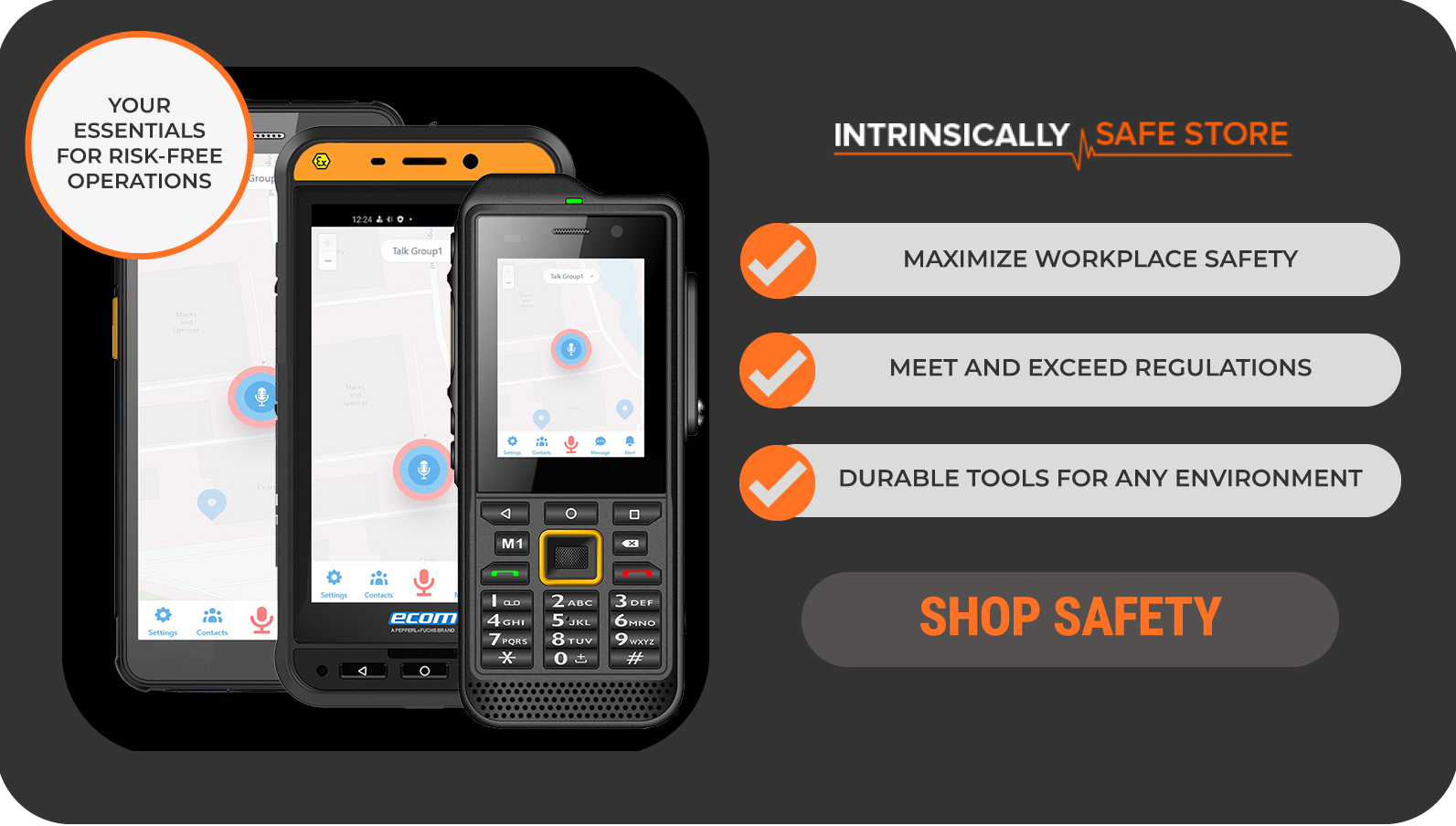






















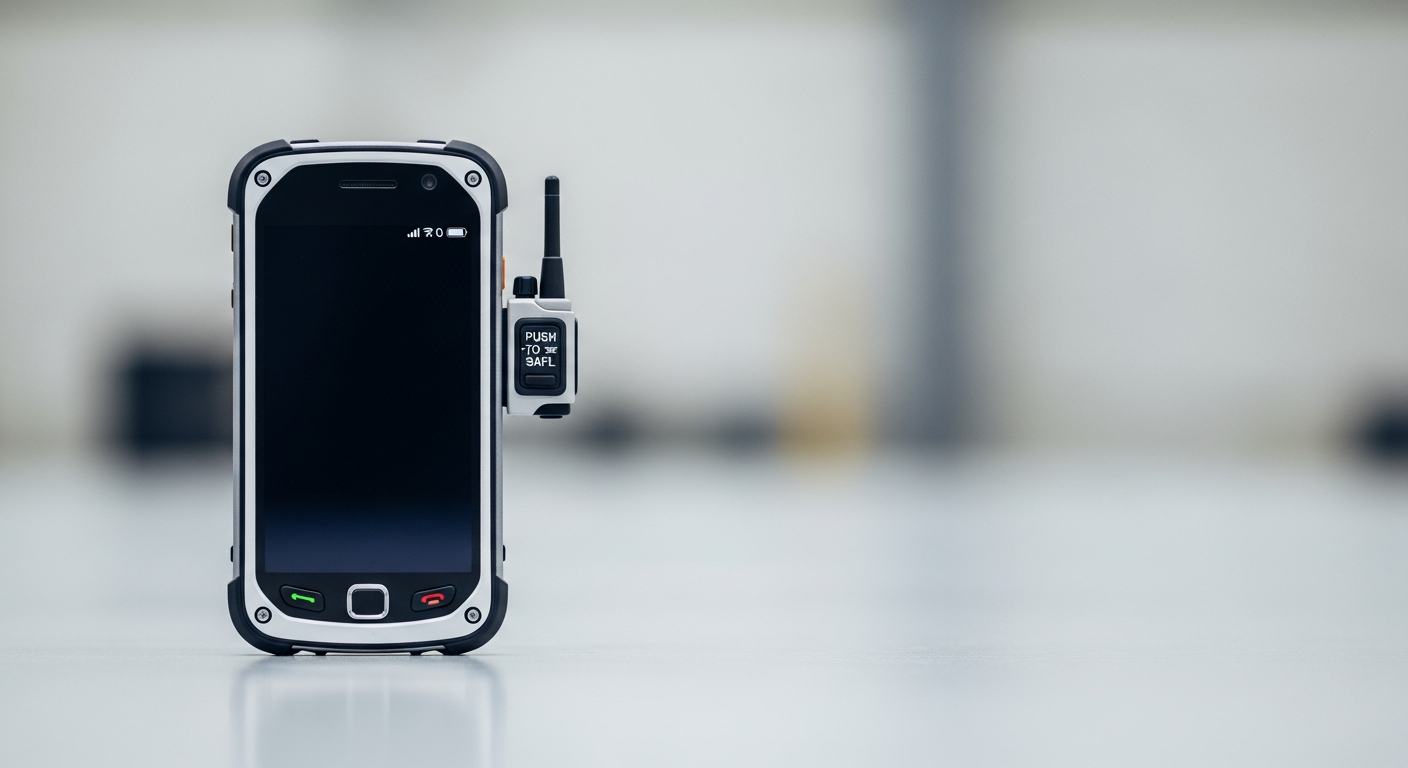
For teams in hazardous locations like oil refineries, chemical plants, or mining sites, clear and instantaneous communication is non-negotiable. Standard consumer smartphones are an ignition risk and unsafe for these environments. This is where mission critical push to talk phones are required. They combine the one-to-many communication of a two-way radio with the data capabilities of a modern smartphone, all inside a rugged, certified, intrinsically safe housing. To protect people and assets from catastrophic failure, organizations must build a reliable communication infrastructure, and that starts with understanding MCPTT technology.
Explore the Latest in Intrinsically Safe Smartphones
Learn about the features, certifications, and top models of certified mobile devices for hazardous environments.
What Defines Mission Critical Push-to-Talk (MCPTT)?
Mission Critical Push-to-Talk (MCPTT) is a standardized communication protocol for public safety and enterprise users who require instant, reliable group communication over cellular networks (LTE/5G). Unlike consumer-grade PTT applications like Zello or Voxer, MCPTT is built for high-availability scenarios where a dropped call is not an option. It provides features like low latency (sub-300ms), priority access to the network, and enhanced security to ensure that critical messages get through without delay, even on congested networks. For industrial teams, this means a worker can send an urgent safety alert to their entire group with a single button press, confident that the message will be received instantly. Equipment used in these environments must adhere to strict safety standards. According to NFPA 70 Article 500, all electrical apparatus in classified hazardous locations must be specifically approved for that environment to prevent ignition of flammable gases, liquids, or dusts. This requirement makes certified mission critical push to talk phones an essential safety tool.
Key Features of Intrinsically Safe PTT Phones
When selecting a PTT device for hazardous environments, several features are essential for both safety and function. These devices are built to withstand harsh conditions and provide reliable communication.
- Intrinsic Safety Certifications: This is the most important feature. Devices must be certified for the specific hazardous location where they will be used (e.g., Class I, Division 1 or ATEX Zone 1). This certification guarantees the device’s circuitry is designed to prevent sparks that could ignite flammable materials.
- Dedicated PTT Button: A physical, oversized PTT button allows for easy, tactile communication without needing to look at the screen. This is essential for users wearing heavy gloves or those who need to keep their eyes on their task.
- Loud and Clear Audio: Industrial environments are noisy. These phones are equipped with powerful, front-facing speakers (often 100dB+) and advanced noise-canceling microphones to ensure every message is heard clearly, even over the sound of heavy machinery.
- Rugged Construction and High IP Rating: Built to military standards (MIL-STD-810G/H), these phones can withstand drops, shocks, and extreme temperatures. An IP68 rating ensures they are completely sealed against dust and can be submerged in water.
Industries That Use MCPTT Technology
Reliable, safe, and instant group communication is critical in several industries where risk is high. MCPTT technology is designed to enhance safety protocols and streamline operations in these environments. The primary sectors that rely on these specialized devices include:
- Oil and Gas: From offshore platforms to downstream refineries, workers are often spread across vast, noisy, and highly flammable environments. MCPTT phones allow for instant coordination during drilling, maintenance, and emergency response procedures.
- Chemical Manufacturing: In plants where volatile chemicals are processed, any spark can be catastrophic. Intrinsically safe PTT phones are essential for coordinating production schedules, responding to spills, and conducting safety checks without introducing an ignition source.
- Mining: Both underground and surface mining operations require durable communication tools that can function in dusty, damp, and potentially explosive atmospheres. MCPTT ensures that teams can communicate reliably over long distances.
- Pharmaceuticals and Cleanrooms: In environments where solvent vapors may be present, certified PTT devices are necessary for communication without compromising safety or cleanroom protocols.
- Emergency Services: Firefighters, HAZMAT teams, and other first responders entering potentially explosive environments depend on MCPTT for life-saving coordination during critical incidents.
Recommended Products for Mission Critical Communication
The following products from our catalog are certified for use in hazardous areas and directly relevant to this guide:
| Product Category | Rating / Certification | Link |
|---|---|---|
| Intrinsically Safe Cell Phones | Class I Div 1 / ATEX Zone 1 | Shop Now |
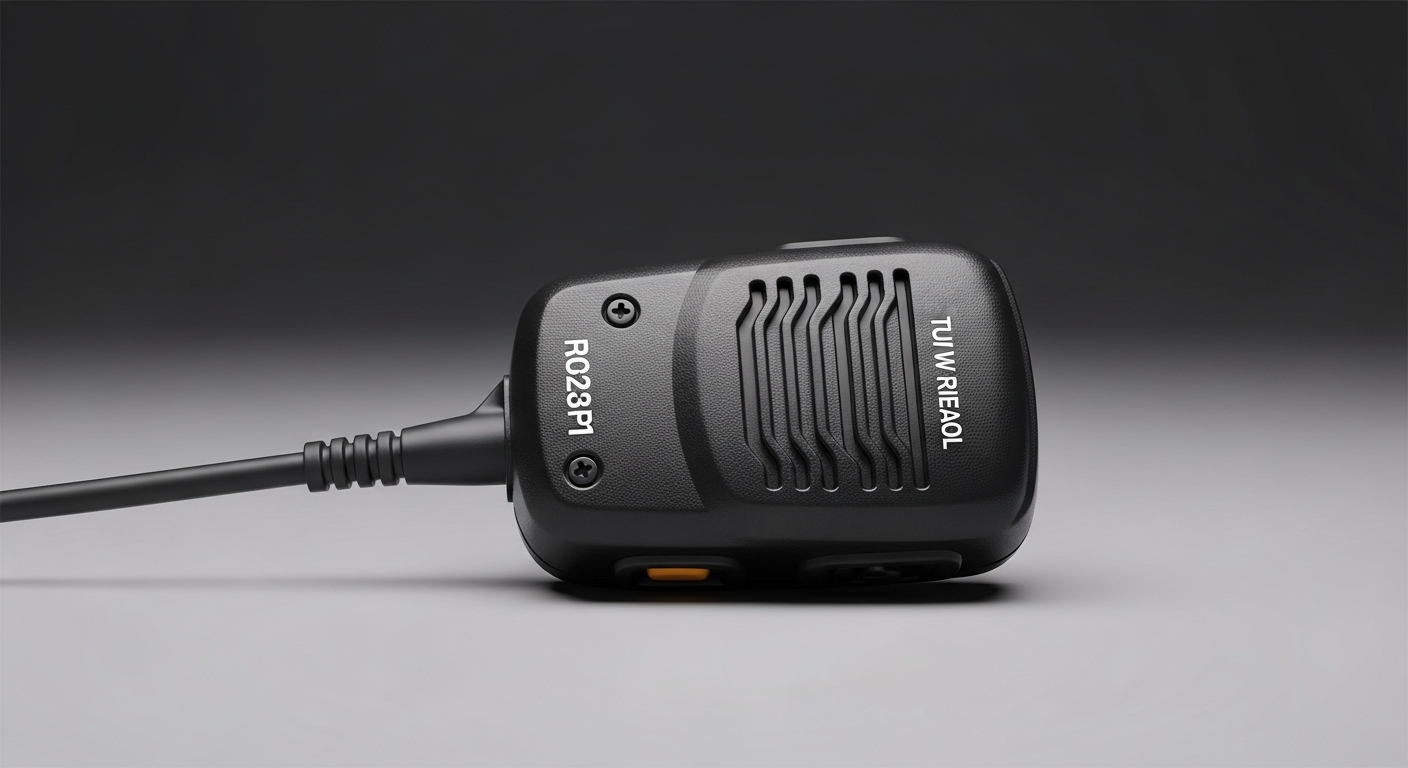
| Intrinsically Safe Remote Speaker Microphones | Varies by model | Shop Now |
Shop Certified Intrinsically Safe Phones
Find the right certified device for your hazardous location to ensure compliance, safety, and reliable team communication.
Frequently Asked Questions
What is the difference between PTT and MCPTT?
Standard Push-to-Talk (PTT) is a general term for half-duplex communication. MCPTT (Mission Critical Push-to-Talk) is a 3GPP-standardized service with carrier-grade reliability, network priority, low latency, and enhanced security features designed specifically for first responders and industrial professionals.
Can I use a regular PTT app on my smartphone in a hazardous area?
No. Using a non-certified device like a standard smartphone in a classified hazardous location is extremely dangerous and violates safety regulations. It can act as an ignition source. You must use an intrinsically safe device that is certified for your specific environment (e.g., Class I, Division 1).
Are mission critical push to talk phones expensive?
Intrinsically safe devices have a higher upfront cost than consumer electronics due to the specialized engineering, rigorous testing, and certification processes required. However, this investment is critical for preventing catastrophic accidents, ensuring compliance, and protecting workers.
Do PTT phones require a special network?
MCPTT operates over standard 4G LTE and 5G cellular networks. The ‘mission critical’ aspect comes from the device’s and carrier’s ability to prioritize PTT data traffic, ensuring it gets through even when the network is congested. Some devices also support direct device-to-device communication when out of network range.
What certifications should I look for on an intrinsically safe PTT phone?
The required certification depends on your location. In North America, look for UL, CSA, or FM approvals with Class/Division/Group ratings (e.g., Class I, Div 1, Groups C, D). In Europe and other regions, look for ATEX and IECEx certifications (e.g., Zone 1/21).
Chat for a Quote Call: 832-699-6726
For teams in hazardous industries, communication isn’t just about efficiency—it’s a critical safety system. Standard cell phones are not an option where an ignition source could be catastrophic. By investing in rugged, certified PTT devices, organizations give their teams the reliable connectivity needed to perform their duties safely. Choosing the right equipment is a fundamental part of a facility’s safety culture, and mission critical push-to-talk phones are a key component.