
























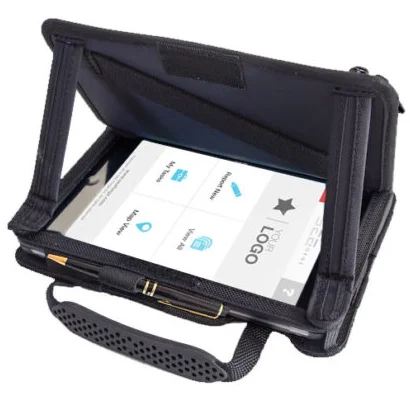
Definition: An intrinsically safe iPad case is a specialized protective casing designed to prevent the device from igniting flammable atmospheres or sparking in hazardous environments. These cases are part of a certified system engineered to ensure that the iPad cannot release enough electrical or thermal energy to ignite a flammable atmosphere, making them suitable for use in industries such as oil and gas, chemical plants, and other areas where explosive hazards are present.
Science Behind It: The design of intrinsically safe iPad cases involves careful consideration of electrical and thermal energy outputs. These cases are constructed with materials and components that limit the energy released by the device, preventing any potential ignition sources. The design of an intrinsically safe assembly ensures the entire system is incapable of producing an incendive spark or hot surface, even under fault conditions, as defined by standards like IEC 60079-11.
Examples in Action:
- Xciel Intrinsically Safe Cases: These cases, such as the Xciel XCRiPad Mini 4, are specifically designed for use in hazardous environments and are compatible with various iPad models.
- Industrial Settings: Companies in the oil and gas, chemical, and manufacturing sectors use intrinsically safe iPad cases to ensure safe and reliable communication and data access in potentially explosive areas.
Fun Fact: Intrinsically safe devices, including iPad cases, must meet strict standards and regulations, such as those set by the International Electrotechnical Commission (IEC) and the National Fire Protection Association (NFPA), to ensure they are safe for use in hazardous locations. This rigorous testing and certification process underscores the importance of safety in these environments.
- Intrinsically safe environments require equipment that limits electrical and thermal energy to prevent ignition in hazardous atmospheres, ensuring both safety and operational efficiency.
- Intrinsically safe iPad cases provide a secure solution for using iPads in hazardous environments, preventing ignition while maintaining device functionality and durability.
- Standard iPad cases are not certified for hazardous areas and lack intrinsic safety or other required protection methods, creating a significant ignition risk.
Understanding Intrinsically Safe Environments
In the quest for safety within hazardous environments, one term that frequently arises is “intrinsically safe”. But what exactly does this mean, and why is it crucial for professionals working in such conditions? Understanding the concept of intrinsically safe environments is essential for selecting the right equipment, such as the Intrinsically Safe iPad Case, to ensure both efficiency and safety in the workplace.
Intrinsic safety is a protection technique applied to equipment for hazardous environments, where energy levels are kept low enough to prevent the ignition of a particular hazardous atmosphere. This is critical in industries such as oil & gas, chemical manufacturing, mining, and pharmaceuticals, where the presence of flammable gases, vapors, or dust particles poses a constant risk. The technique involves using specially designed equipment that can operate safely within these explosive atmospheres without igniting them, even under fault conditions.
The principle behind intrinsically safe equipment lies in limiting the electrical and thermal energy available for ignition to levels below those that could ignite explosive mixtures. This is where the Intrinsically Safe iPad Case comes into play. It’s designed to encase your iPad, providing a barrier that ensures it does not release enough energy to cause an ignition, while still allowing full functionality of the device. This makes it an invaluable tool for professionals who rely on mobile technology to perform their duties in hazardous areas but need assurance against the risk of sparking an explosion.
Choosing equipment marked as ‘intrinsically safe’ is not only a matter of compliance with safety standards and certifications but also a critical step in safeguarding the lives of those working in hazardous environments. These standards are rigorous, ensuring that any certified product meets strict safety criteria before it can be deemed safe for use in explosive atmospheres.
Intrinsically safe environments require a comprehensive approach to safety, one that integrates certified equipment, like the Intrinsically Safe iPad Case, into a broader safety protocol. This approach ensures both the protection of personnel and the uninterrupted operation of essential digital tools in settings where any compromise in safety can have severe consequences.

Ready to Enhance Your Safety Protocols?
In hazardous environments, ensuring the safety of your team is paramount. With the Intrinsically Safe iPad Case from The Intrinsically Safe Store, you can maximize efficiency and safety simultaneously. Don’t let the risk of explosions or fires compromise your operation or the well-being of your staff.
- Secure Your Devices Today: Elevate your safety measures by equipping your devices with our Intrinsically Safe iPad Cases. Our products are designed to meet the rigorous demands of industries such as oil & gas, chemical manufacturing, mining, and pharmaceuticals. Explore certified cases for your specific iPad model and take the first step towards enhanced protection.
- Expert Advice Awaits: Unsure which safety solution fits your unique needs? Our team of experts is on standby to guide you through our extensive range of intrinsically safe and explosion-proof equipment. From iPads to Android devices, we have the knowledge to match you with the perfect protection. Talk to a hazardous-area specialist for a compliance check and learn more about how we can assist you in attaining operational excellence and unwavering safety.
- Invest in Compliance and Satisfaction: Align with safety standards and certifications effortlessly. Our commitment goes beyond selling products; we strive for your complete satisfaction and safety compliance, providing ongoing support for every purchase. Let’s work together to create a safer work environment. Request a detailed quote for your facility today and experience our dedication to safety and service excellence.
Take action to safeguard your team and operations. At The Intrinsically Safe Store, your safety is our priority.
The Concept of Intrinsically Safe iPad Cases
In the heart of industries where safety is not just a guideline but a stringent necessity, the demand for equipment that can withstand and operate safely in hazardous environments is paramount. Intrinsically safe iPad cases have been developed with this critical need in mind, providing a secure solution for using iPads in areas where standard electronic devices could pose a risk of ignition. Understanding the concept behind these specialized cases is key to maximizing safety and efficiency in such challenging settings.
At its core, an intrinsically safe iPad case is designed to limit electrical and thermal energy to levels below those that can ignite a specific hazardous atmospheric mixture. This is achieved through rigorous engineering and meticulous design that takes into account the volatile nature of hazardous environments – be it in oil & gas extraction sites, chemical plants, or pharmaceutical manufacturing facilities. The cases are thoroughly tested and certified to meet global safety standards, ensuring they can be used safely even in the presence of flammable gases, vapors, or dust.
The protection offered by intrinsically safe iPad cases is not just about preventing ignition. These cases also shield the device from extreme conditions such as dust, water, shocks, and vibrations, thereby ensuring that the iPad remains operational and intact regardless of the environmental challenges. This dual focus on intrinsic safety and physical durability makes these cases an essential tool for professionals working in hazardous areas.
Moreover, the integration of iPads into hazardous locations via these cases allows for better data management, real-time communication, and access to critical information without compromising on safety. By adding a layer of protection, intrinsically safe iPad cases enable the digital transformation of operations in environments where traditional electronic devices would be deemed too risky to use.
Choosing the right intrinsically safe case requires understanding the specific hazards of your environment and selecting a case that is certified to protect against those risks. The Intrinsically Safe Store specializes in offering a wide range of cases suitable for various industries and hazards, backed by expert support to assist customers in making informed decisions. Our commitment to operational excellence and customer satisfaction ensures that we provide not just products, but comprehensive safety solutions that meet the unique needs of our clients.
Risks of Using Standard iPad Cases in Hazardous Environments
When it comes to hazardous environments, such as those found in oil and gas, mining, chemical manufacturing, and pharmaceutical industries, the equipment used must meet stringent safety standards. These standards are designed to prevent accidents and ensure the safety of all personnel on site. Unfortunately, standard iPad cases are not designed with these environments in mind, posing several risks to both the device and the user.
Firstly, standard iPad cases lack explosion-proof certification. This means they are not constructed to contain and prevent the ignition of flammable gases or dust. In environments where explosive materials are present, even a small spark from an electronic device can trigger a major incident. Intrinsically safe iPad cases, on the other hand, are designed specifically to be incapable of releasing sufficient electrical or thermal energy under normal or abnormal conditions to ignite a specific hazardous atmospheric mixture.
Secondarily, standard iPad cases do not offer the same level of environmental protection as their intrinsically safe counterparts. Exposure to extreme temperatures, dust, and corrosive substances can damage the device, leading to potential data loss or communication failures in critical moments. This can compromise not only the efficiency of operations but also the safety of the personnel.
Furthermore, the lack of durability in standard cases means they are more likely to sustain damage from drops or impacts, common occurrences in rigorous industrial settings. This can lead to additional costs in repairs or replacements and operational downtime.
Lastly, the use of non-certified equipment, such as standard iPad cases, in hazardous areas can lead to non-compliance with safety regulations and standards. This not only puts the safety of workers at risk but also exposes the company to potential legal and financial penalties.
In summary, while standard iPad cases may provide a level of convenience and protection in everyday environments, their use in hazardous settings can introduce unnecessary risks. Companies and professionals operating in such environments must prioritize the use of intrinsically safe cases that are designed to mitigate these risks, ensuring both operational efficiency and the safety of all personnel involved.
Certification Standards for Intrinsically Safe Devices
In the realm of hazardous environments, safety and compliance are paramount. With the widespread adoption of digital tools in these industries, ensuring that devices like iPads meet intrinsic safety standards is critical. Intrinsically safe iPad cases play an essential role in this aspect, but understanding the underlying certification standards is key to ensuring compliance and safety.
Understanding Intrinsic Safety Standards
Intrinsic safety standards are sets of regulatory frameworks designed to ensure that electronics and other potential sources of ignition are safe to use in explosive atmospheres. These certifications confirm that a device, when encased in an intrinsically safe case, does not contain enough electrical or thermal energy to ignite a specific hazardous atmospheric mixture.
Global Certification Bodies
Several key organizations set the standards for intrinsic safety across different regions:
- ATEX and IECEx in Europe and International Respective: The ATEX directive (ATmosphères EXplosibles) governs the equipment and protective systems intended for use in potentially explosive atmospheres within the European Union. IECEx, on the other hand, is a global certification accepted in many countries for equipment used in explosive environments.
- UL (Underwriters Laboratories) in North America: UL certification involves testing to standards specific to the United States and Canada, ensuring that certified products meet stringent safety requirements.
- Other regional bodies: Depending on the geographic location, other certification bodies such as INMETRO for Brazil and GOST for Russia may also play a crucial role.
Key Standards and Ratings
When selecting an intrinsically safe iPad case, it’s crucial to look for certifications against the specific standards relevant to your industry and location:
- IP Rating (Ingress Protection): Although not directly a measure of intrinsic safety, the IP rating indicates the level of sealing effectiveness against foreign bodies like dust and water, offering additional protection in hazardous environments.
- Class/Division or Zone Rating: Intrinsic safety standards classify hazardous areas based on the likelihood of explosive atmospheres. In the US, this is typically referred to as Class I, II, III, with further divisions. Internationally, a Zone system is used (Zone 0, 1, 2 for gases, vapors, and mists, and Zones 20, 21, 22 for dusts).
By understanding these certification standards, professionals operating in hazardous environments can make informed decisions about the safety equipment they choose, including intrinsically safe iPad cases. At The Intrinsically Safe Store, we prioritize your safety by offering products that not only meet but exceed these global certification standards. Our commitment to operational excellence and customer satisfaction ensures that you receive the best-in-class support and advice suitable for your specific industry needs.
Comparing Intrinsically Safe Cases with Explosion-Proof Enclosures
When addressing the safety requirements of hazardous environments, it’s crucial to differentiate between two key solutions: Intrinsically Safe iPad Cases and Explosion-Proof Enclosures. Both are designed to mitigate the risks associated with operating electronic devices in potentially explosive atmospheres, but they do so in fundamentally different ways, each with its own set of benefits.
Intrinsically Safe iPad Cases are specifically engineered to limit the electrical and thermal energy available for ignition, ensuring that the device itself cannot become a source of an explosion. These cases are lightweight, portable, and designed for individual use, making them an ideal choice for professionals who require mobility and ease of use in their operations. The intrinsic safety of these cases allows for the direct interaction with the device’s touch screen and other features, offering an effortless user experience without compromising on safety.
On the other hand, Explosion-Proof Enclosures are designed to contain any explosion that may originate from within the device, preventing it from igniting an external atmosphere. These enclosures are typically bulkier and significantly restrict interaction with the device. While they offer a high level of protection, their size and weight can limit mobility and efficiency in the field.
The choice between an Intrinsically Safe iPad Case and an Explosion-Proof Enclosure depends on specific use cases and environments. For professionals in oil & gas, chemical, and pharmaceutical industries, who prioritize flexibility, efficiency, and direct interaction with their devices, the intrinsically safe case offers unparalleled advantages. It ensures that the device remains safe to use in explosive atmospheres without the bulk and limitations of traditional explosion-proof solutions.
Selecting the suitable protection for your iPad involves considering your operational needs, the specific hazards present in your workplace, and the requirements set forth by safety standards and certifications. An Intrinsically Safe iPad Case, available from The Intrinsically Safe Store, not only ensures compliance with these standards but also supports operational excellence and customer satisfaction by integrating seamlessly into the workflow of professionals in hazardous environments.
Industry Applications of Intrinsically Safe iPad Cases
The necessity for intrinsically safe iPad cases transcends a variety of industries, highlighting their crucial role in ensuring workplace safety and operational efficiency. These specialized cases enable the safe use of iPads in environments where traditional electronics could pose a risk of igniting flammable gases or particles. Here, we explore several key sectors where intrinsically safe iPad cases are not just beneficial but essential.
Oil and Gas
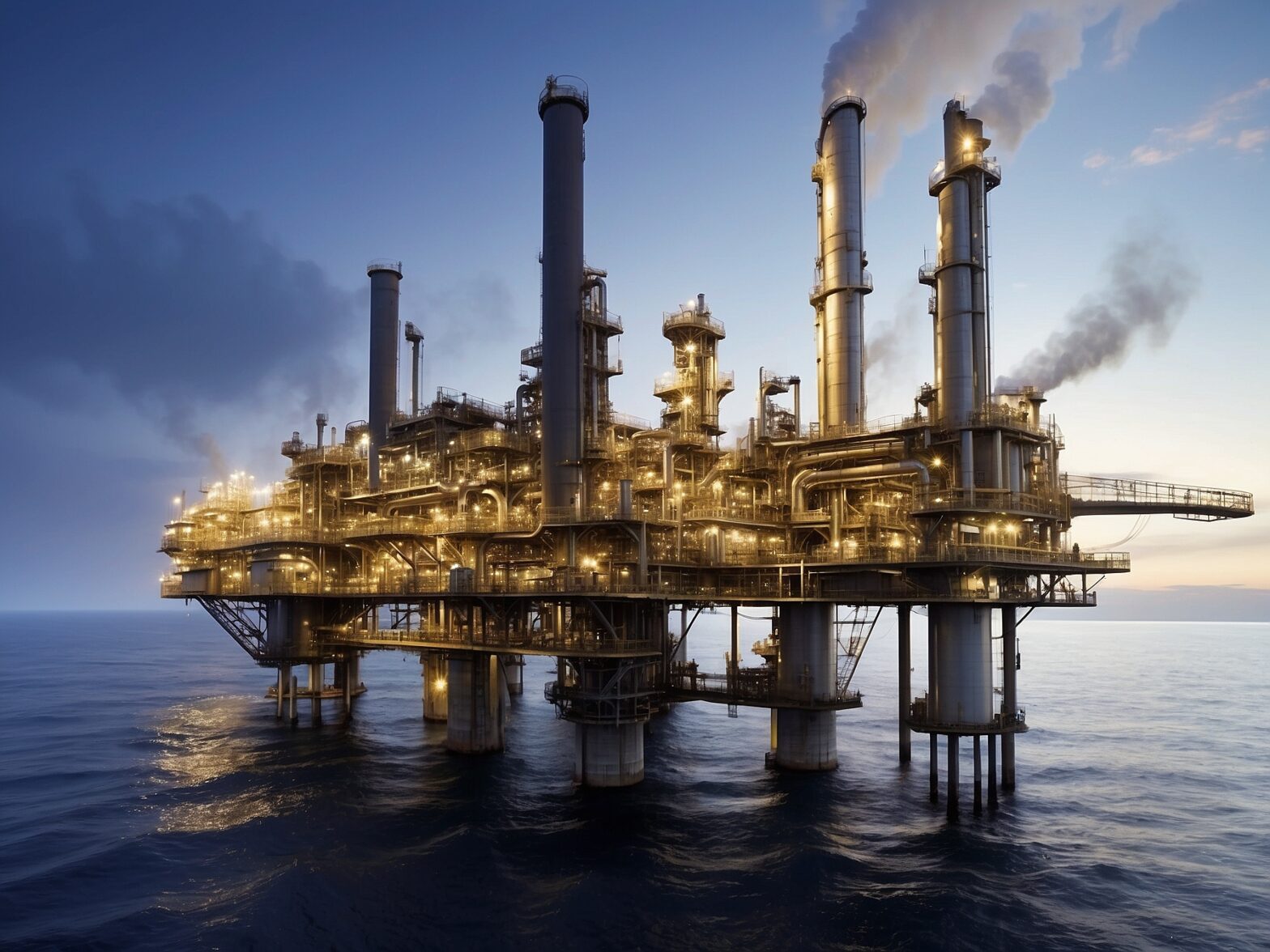
In the oil and gas sector, where the risk of fire and explosion is high due to the presence of flammable gases and liquids, maintaining operational safety is paramount. Field engineers and technicians rely on intrinsically safe iPad cases to securely carry out diagnostics, maintenance scheduling, and data logging directly on-site, reducing the need for back-and-forth between the field and control rooms. This enhances efficiency and response times to potential issues, contributing significantly to uninterrupted production and safety compliance.
Chemical Manufacturing
The chemical manufacturing industry handles numerous substances that can be hazardous under certain conditions. Integrating iPads encased in intrinsically safe covers allows for real-time monitoring of processes, inventory management, and access to Material Safety Data Sheets (MSDS) on the go. This immediate access to crucial information can be pivotal during emergency situations or when adjusting parameters to maintain safe production processes.
Pharmaceutical Plants
Pharmaceutical manufacturing involves precise control over environmental conditions to ensure product purity and compliance with health regulations. Intrinsically safe iPad cases facilitate the seamless execution of quality control procedures, batch monitoring, and maintenance operations without introducing ignition risks to sensitive areas. The mobility offered by iPads can significantly streamline workflow and information management, enhancing operational standards and safety.
Mining Operations
The mining industry is fraught with potential hazards, including explosive dust and gas environments. Utilizing intrinsically safe iPad cases allows for better communication, mapping, and tracking within these environments. It enables workers to access and share critical information about mine layouts, air quality, and equipment status in real-time, bolstering both safety and productivity.
Emergency Response Teams
Emergency responders operating in hazardous environments benefit greatly from the versatility and functionality of iPads protected by intrinsically safe cases. These teams can quickly access and disseminate vital information, including hazard maps, emergency plans, and personnel locations, facilitating more coordinated and effective response strategies to mitigate risks and manage incidents.
In each of these industries, the adoption of intrinsically safe iPad cases is a testament to the growing recognition of the balance between technological advancement and safety integrity. By allowing safe and efficient use of iPads in hazardous areas, these industries are not only safeguarding their employees but also enhancing their operational capabilities. The Intrinsically Safe Store is proud to support this integration of safety and technology, providing expert advice and a comprehensive selection of intrinsically safe products tailored to meet the rigorous demands of these critical sectors.
Understanding iPad Certifications: ATEX Zone 2 vs. Class 1 Div 2
For a Safety Manager, selecting the right equipment is a matter of compliance, safety, and operational continuity. When it comes to deploying iPads in hazardous areas, understanding the difference between ATEX Zone 2 and Class 1 Division 2 certifications is critical. While both standards aim to prevent explosions, they originate from different regulatory systems and have distinct implications.
- ATEX Zone 2: This is the European Union standard. Zone 2 designates an area where a mixture of air and flammable substances in the form of gas, vapor, or mist is not likely to occur in normal operation but, if it does, will persist for only a short period. Equipment certified for ATEX Zone 2 is designed to prevent ignition sources during normal operation.
- Class 1 Division 2: This is the North American standard (NEC/CEC). Class I refers to flammable gases or vapors. Division 2 is similar to Zone 2, defining an area where ignitable concentrations of flammable gases, vapors, or liquids are present only under abnormal operating conditions.
The key takeaway is that the choice of certification depends on your geographical location and the specific regulations governing your site. An iPad case certified for Class 1 Div 2 is required for compliance in the US and Canada, while an ATEX Zone 2 certified case is necessary for operations in the EU. Ensuring your equipment carries the correct certification is the first step in a compliant safety strategy.
Top 3 Features to Look For in a Hazardous Area Tablet Case
Beyond the core certification, the practical features of an intrinsically safe iPad case determine its effectiveness and usability in the field. As a Safety Manager, you need a solution that protects both your team and your technology investment. Here are the top three features to evaluate.
Ruggedness, Sealing (IP Rating), and Accessibility
- Ruggedness: The case must be able to withstand drops, shocks, and vibrations common in industrial environments. Look for cases built from durable, non-sparking materials that meet military standards (e.g., MIL-STD-810G) for drop protection. This ensures the iPad remains functional even after accidental impacts.
- Sealing (IP Rating): Ingress Protection (IP) ratings are crucial. An IP67 or IP68 rating ensures the case is completely sealed against dust and can withstand immersion in water. This is vital in environments with fine particulates (like in pharmaceuticals) or where exposure to liquids is common (like on an oil rig).
- Accessibility: A safe case is useless if it hinders productivity. Ensure the design allows for easy access to the screen, buttons, and charging ports without compromising the seal. Features like compatibility with gloves, responsive screen protectors, and options for carrying straps or mounts are essential for user adoption and efficiency.
Recommended Cases for Oil & Gas vs. Pharmaceutical Use
Different industries present unique challenges. The ideal intrinsically safe iPad case for an offshore oil platform may not be the best fit for a sterile pharmaceutical cleanroom.
- For Oil & Gas: Priority should be on extreme ruggedness, high IP ratings (IP68) to protect against saltwater and drilling fluids, and resistance to corrosive chemicals. Cases from brands like Xciel are specifically designed for these harsh conditions, often featuring robust outer shells and secure port covers.
- For Pharmaceutical Use: The focus shifts to cleanability and material composition. The case must be made from materials that can withstand frequent sterilization with harsh chemicals without degrading. A smooth, non-porous exterior is preferable to prevent the trapping of contaminants. The case should also be lightweight and ergonomic for frequent handling during quality control and batch record management.
Checklist: Getting Purchase Approval from Procurement
Justifying the investment in certified equipment is a key part of your role. Use this checklist to build a strong case for procurement and get the approval you need:
- Confirm Required Certifications: Document the specific ATEX, IECEx, or Class/Div rating required for your operational areas.
- Provide Technical Specifications: Present datasheets for the selected case, highlighting its IP rating, drop-test certification (MIL-STD), and material composition.
- Calculate Total Cost of Ownership (TCO): Compare the cost of the certified case against the potential cost of an incident (downtime, fines, damages) and the cost of replacing non-rugged devices frequently.
- Show Proof of Compliance: Include the certification documents for the proposed product to demonstrate due diligence.
- Obtain a Formal Quote: Get a detailed quote from a reputable supplier like the Intrinsically Safe Store that includes warranty, support, and shipping details.
FAQs: Enhancing Workplace Safety with Intrinsically Safe iPad Cases
How does an intrinsically safe iPad case enhance safety?
Intrinsically safe iPad cases are specifically designed to minimize the risk of igniting a fire or causing an explosion in hazardous environments. These cases limit the electrical and thermal energy of the device so that it cannot cause ignition, providing an additional layer of safety for users in potentially explosive atmospheres. This makes them crucial for ensuring the safety of employees working in such conditions.
What certifications should an intrinsically safe iPad case have?
An intrinsically safe iPad case should be certified by recognized international standards to ensure it meets strict safety criteria. Look for certifications such as ATEX (for use in Europe), IECEx (international standard), or UL (for use in North America). These certifications confirm that the case has been rigorously tested and is safe for use in explosive environments.
What are the benefits of using an iPad with an intrinsically safe case?
Using an iPad encased in an intrinsically safe cover offers multiple benefits:
- Enhanced Safety: Provides peace of mind by significantly reducing the risk of accidental explosions.
- Operational Efficiency: Allows the use of iPads for data collection, communication, and other tasks without compromising safety.
- Cost-Effectiveness: Protects your investment in technology by extending the lifespan of the device, even in harsh environments.
- Compliance: Helps ensure that your operations comply with safety regulations and standards, avoiding potential fines and shutdowns.
What types of industries commonly use intrinsically safe iPad cases?
Industries that operate in hazardous environments frequently use intrinsically safe iPad cases. These include:
- Oil and Gas: For exploration, drilling, and refining operations.
- Chemical Manufacturing: Especially in plants that handle flammable chemicals.
- Mining: For communication and data management underground or in explosive dust environments.
- Pharmaceuticals: In environments where the production process might create explosive dust. These sectors require stringent adherence to safety protocols, where intrinsically safe devices can make a significant difference.
How is an intrinsically safe case different from a regular protective case?
While a regular protective case is designed to safeguard a device from physical damage due to drops, scratches, or water, an intrinsically safe case is engineered to prevent the device from becoming a source of ignition in explosive atmospheres. This involves limiting the electrical energy within the device to levels that cannot ignite a hazardous atmosphere. Therefore, although both types of cases offer protection, intrinsically safe cases address the specific risks associated with operating in hazardous environments, combining physical durability with explosion safety measures.
