


















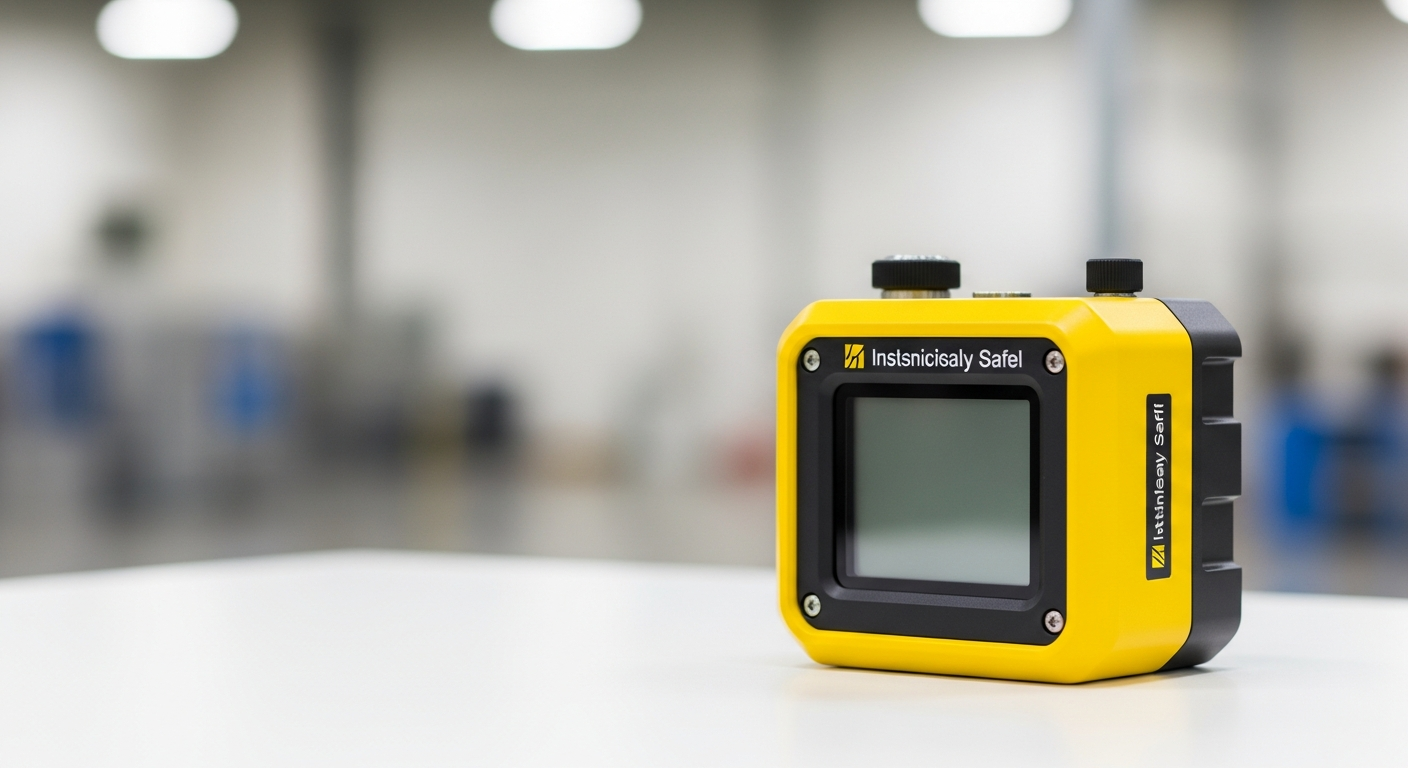
Documenting maintenance in an ATEX Zone 2 area, such as a chemical processing plant or a refinery storage facility, requires specialized equipment. Standard cameras introduce an ignition risk, making an intrinsically safe camera for zone 2 not just a recommendation, but a critical safety and compliance tool. These devices are engineered to prevent sparks by limiting electrical and thermal energy to levels that cannot ignite a hazardous atmosphere. This ensures that visual inspections, asset tracking, and incident reporting can be performed without compromising the safety of personnel or the facility. This guide will walk you through the essential criteria for selecting the right camera, from understanding certification markings to evaluating key features that enhance operational efficiency in hazardous environments.
Deep Dive into Explosion Proof Camera Technology
Learn more about the specific requirements for cameras used in extreme environments like oil rigs, which often share similar certification needs for hazardous areas.
Understanding ATEX Zone 2 and Camera Requirements
An ATEX Zone 2 is defined as an area where an explosive atmosphere consisting of a mixture of air and flammable substances in the form of gas, vapor, or mist is not likely to occur in normal operation but, if it does occur, will persist for only a short period. This contrasts with Zone 1 (likely to occur) and Zone 0 (present continuously). While the risk is lower in Zone 2, it is never zero. Therefore, any electronic device, including a camera, must be specifically designed and certified to prevent it from becoming an ignition source. The fundamental principle of intrinsic safety is to ensure that even under fault conditions, the device cannot produce a spark or heat capable of igniting the specific hazardous atmosphere.
All equipment intended for use in such areas must comply with stringent international standards. A key standard governing this is IEC 60079-0, which specifies the general requirements for the construction, testing, and marking of electrical equipment and Ex Components intended for use in explosive atmospheres. When selecting an intrinsically safe camera for Zone 2, verifying its compliance with this and other relevant parts of the IEC 60079 series is the first and most critical step. This certification provides the assurance that the device has been rigorously tested and deemed safe for its intended environment.
Key Features in an Intrinsically Safe Camera for Zone 2
Beyond the essential safety certifications, several features determine the practical usability and effectiveness of a camera in an industrial setting. Evaluating these characteristics ensures you invest in a tool that not only meets compliance standards but also improves workflow and data collection.
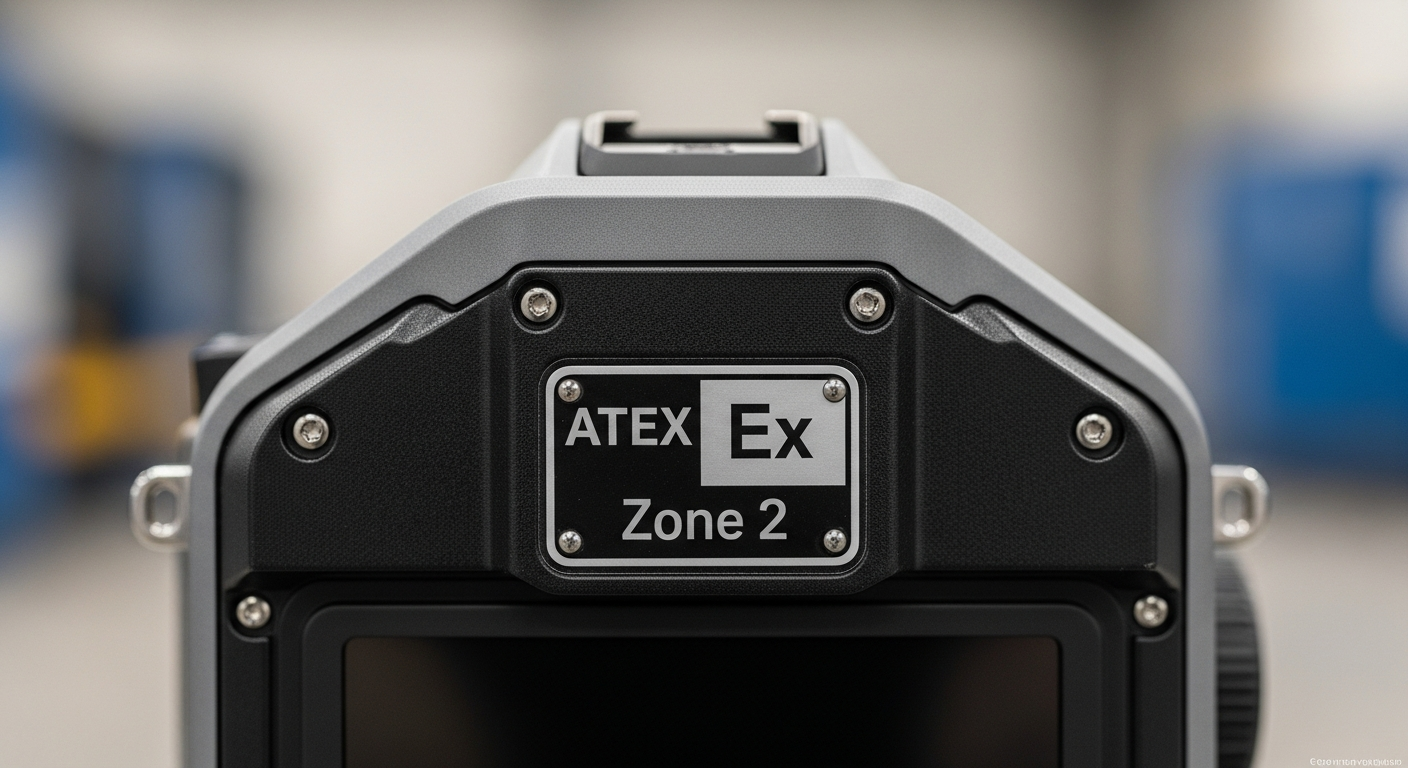
- Certification and Markings: Ensure the camera is explicitly rated for ATEX Zone 2 and carries the correct ‘Ex’ markings, including the equipment protection level (EPL) ‘Gc’. This information must be clearly visible on the device’s nameplate.
- Image and Video Quality: High-resolution sensors are crucial for capturing detailed images for maintenance logs, incident reports, and asset verification. Look for features like optical zoom, macro functionality for close-ups of equipment plates, and high-definition video recording.
- Durability and Ingress Protection (IP Rating): Hazardous environments are often harsh. A ruggedized camera with a high IP rating (e.g., IP67 or IP68) is essential to protect against dust, water, and accidental drops, ensuring long-term reliability.
- Battery Life and Data Transfer: A long-lasting, field-replaceable battery is vital for completing full work shifts without interruption. Furthermore, seamless data transfer options, such as Wi-Fi or Bluetooth, allow for quick and efficient sharing of images and videos from the field to the office.
How to Verify ATEX Certification for Zone 2 Cameras
Verifying that a camera is genuinely certified for Zone 2 is a crucial due diligence step. Misinterpreting labels or accepting counterfeit equipment can have catastrophic consequences. Follow this structured process to confirm a device’s compliance:
- Check the Nameplate: The camera body must have a permanently affixed plate containing all essential certification information. This includes the manufacturer’s name, the model number, the CE mark, the Notified Body number, and the specific ‘Ex’ marking string.
- Analyze the Ex Marking String: The marking provides a code detailing the camera’s protection. For a Zone 2 gas environment, you should expect to see something like ‘II 3 G Ex ic IIC T4 Gc’. Here, ‘3 G’ indicates suitability for Zone 2, and ‘Gc’ is the corresponding Equipment Protection Level.
- Request the EU Declaration of Conformity (DoC): The manufacturer or supplier is legally obligated to provide a DoC. This document formally declares that the product complies with all relevant ATEX directive requirements. Cross-reference the information on the DoC with the camera’s nameplate.
- Confirm the Notified Body: The four-digit number after the CE mark identifies the third-party organization (Notified Body) that certified the equipment. You can verify this number on the European Commission’s NANDO database to ensure its legitimacy.
Recommended Products for Intrinsically Safe Cameras
The following products from our catalog are certified for use in hazardous areas and directly relevant to this guide:
| Product Category | Rating / Certification | Link |
|---|---|---|
| Intrinsically Safe Digital Cameras | ATEX Zone 2 Certified | Shop Now |
| All Zone 2 Rated Equipment | ATEX Zone 2 | Shop Now |
Shop Certified Intrinsically Safe Cameras
Ensure compliance and safety with our range of ATEX-certified cameras specifically designed for Zone 2 hazardous areas.
Frequently Asked Questions
What is the difference between a Zone 1 and Zone 2 camera?
A Zone 1 camera is designed for areas where explosive atmospheres are likely to occur during normal operation. A Zone 2 camera is for areas where such atmospheres are unlikely and would only exist for short periods. Consequently, Zone 1 equipment has more stringent protection requirements.
Can I use a regular ‘rugged’ camera in a Zone 2 area?
No. A rugged camera is built to withstand physical damage like drops and water, but it is not designed to prevent ignition in a hazardous atmosphere. Only a camera explicitly certified as intrinsically safe for Zone 2 can be used, as it has been engineered to limit electrical and thermal energy.
What does the ‘Gc’ EPL marking mean on an intrinsically safe camera?
The Equipment Protection Level (EPL) ‘Gc’ signifies that the device provides an enhanced level of protection suitable for use in ATEX Zone 2. It confirms that the equipment is safe during normal operation and for some expected malfunctions, aligning with the risk profile of a Zone 2 environment.
Are intrinsically safe cameras waterproof?
Most intrinsically safe cameras are designed for harsh industrial environments and have a high Ingress Protection (IP) rating, such as IP67, which means they are dust-tight and can be submerged in water up to 1 meter. However, you should always check the specific IP rating of the model you are considering.
How often do intrinsically safe cameras need to be inspected or recertified?
Regular visual inspections should be part of your site’s maintenance schedule to check for any damage that could compromise the camera’s safety features. While there isn’t a fixed recertification interval for the device itself, facility safety protocols and local regulations often dictate periodic inspection requirements for all hazardous area equipment.
Chat for a Quote Call: 832-699-6726
Conclusion
Selecting the correct camera for a Zone 2 hazardous area is a decision that directly impacts operational safety and regulatory compliance. It goes beyond just choosing a device that can take pictures; it requires a thorough understanding of ATEX certifications, protection levels, and the specific demands of your industrial environment. Key takeaways include prioritizing verified Zone 2 certification, assessing practical features like durability and image quality, and knowing how to interpret the ‘Ex’ markings on equipment. By diligently following these guidelines, you can confidently source and deploy an intrinsically safe camera for zone 2 that not only enhances your team’s data collection capabilities but, most importantly, upholds the highest standards of safety in your facility.