





















Executing an iec 60079-14 cable installation correctly is a critical safety requirement for any facility with explosive atmospheres. This international standard provides the technical framework for the design, selection, and erection of electrical installations in hazardous areas. Adhering to its guidelines for cable glands is essential for maintaining the integrity of explosion-proof enclosures and preventing ignition sources from contacting flammable gases, vapors, or dust. Misinterpretation or incorrect application of these rules can lead to catastrophic equipment failure, endangering both personnel and assets. This guide provides a detailed overview of the best practices to ensure your installations are compliant and safe.
Understand Enclosure Protection
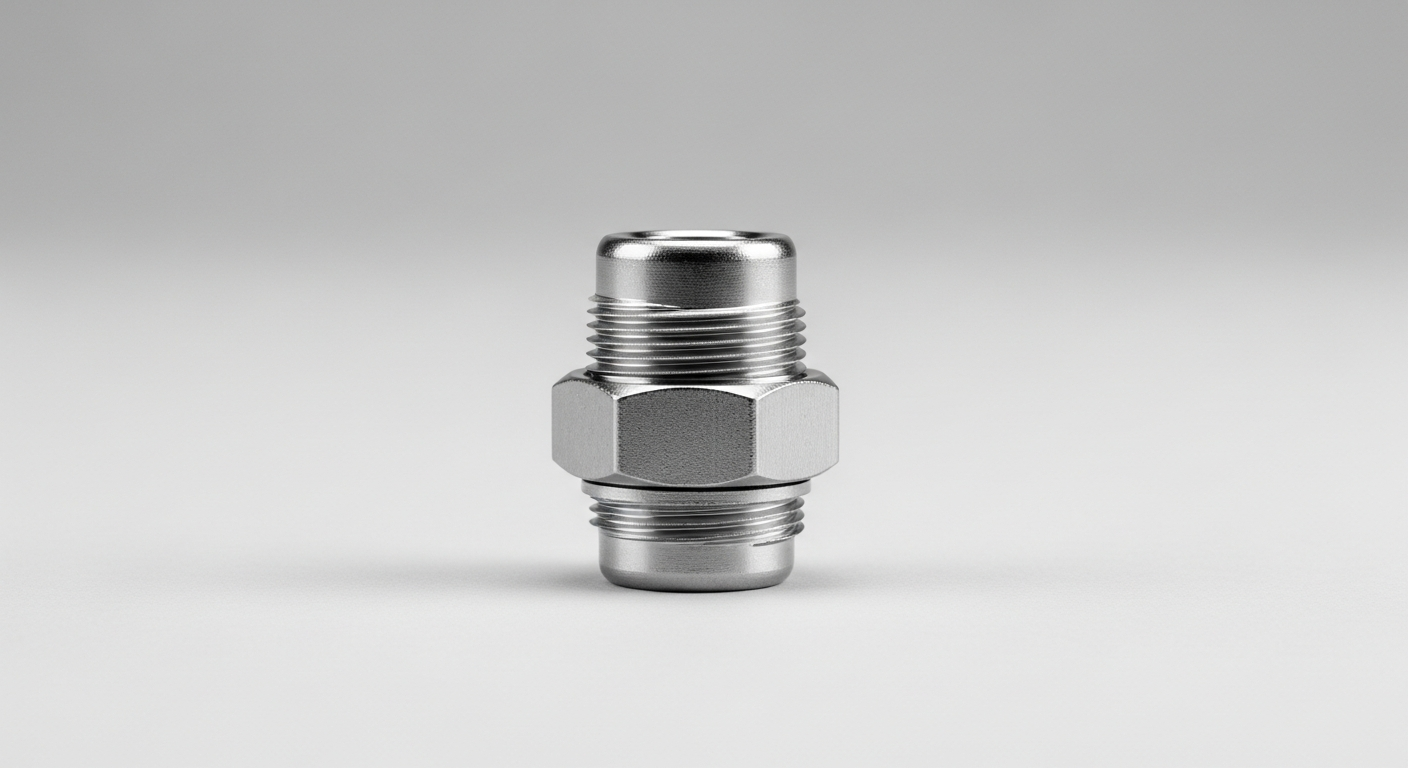
Cable glands are a critical component of hazardous area enclosures. Understand the protection ratings of the enclosures they connect to with our detailed guide.
Understanding the Core Principles of IEC 60079-14
The standard IEC 60079-14 outlines the specific requirements for electrical installations in hazardous areas to prevent explosions. It is the primary guide for engineers, installers, and inspectors. A core principle of the standard is maintaining the integrity of the chosen explosion protection method (e.g., Ex d, Ex e). For cable entries, this means the gland must match the protection concept of the enclosure it is attached to. For example, an Ex d (flameproof) enclosure requires a cable gland that can withstand the pressure of an internal explosion and prevent flame propagation. According to IEC 60079-14, the selection process must consider the type of cable used, the environmental conditions, and the specific gas or dust group present. Failure to correctly select and install the gland invalidates the enclosure’s certification, creating a significant safety risk.
Key Selection Criteria for Cable Glands
Choosing the correct cable gland is a technical process that goes beyond just matching thread sizes. Several critical factors must be evaluated to ensure a compliant and safe installation. Overlooking any of these can compromise the safety integrity of the entire system.
- Material Compatibility: The gland’s material (e.g., brass, stainless steel, polyamide) must be resistant to corrosion from ambient chemicals and moisture. A corroded gland can fail, compromising the seal and the enclosure’s protection.
- Cable Type and Construction: Is the cable armored or unarmored? Is its bedding extruded or cold-flow susceptible? The gland must be designed to correctly terminate the specific cable type, providing both a secure seal on the outer sheath and proper grounding for armor, if present.
- Ingress Protection (IP) Rating: The gland’s IP rating must be at least equal to that of the enclosure. This ensures that dust and moisture cannot enter, which could lead to short circuits or compromise the explosion protection method.
- Temperature Ratings: Both the ambient and operating temperatures must be within the gland’s certified range. Extreme temperatures can cause sealing materials to degrade, leading to a loss of seal effectiveness and potential failure.
Step-by-Step Installation Best Practices
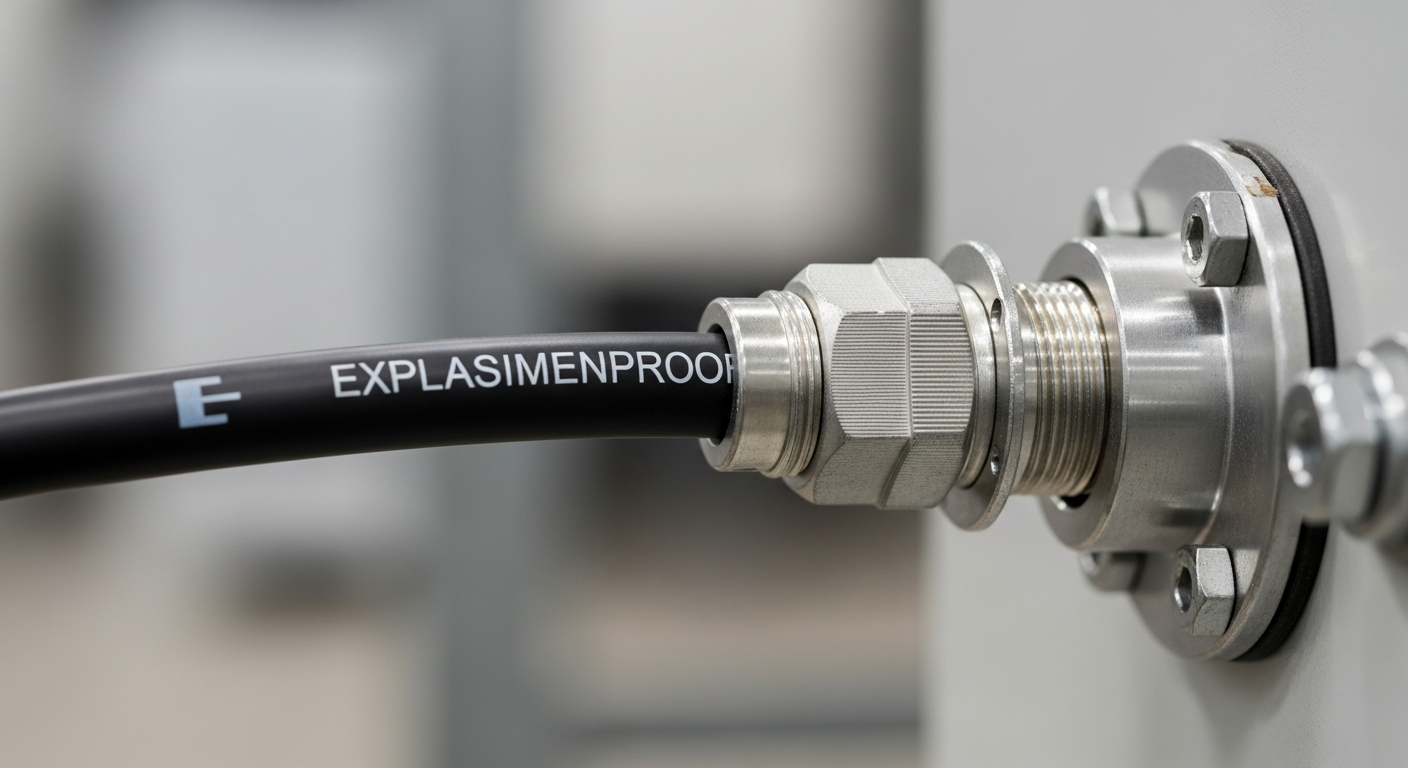
A compliant iec 60079-14 cable installation depends entirely on meticulous workmanship. Even a certified, correctly selected gland can be rendered ineffective by poor installation techniques. Following a structured process is essential for safety and compliance.
- Preparation of the Cable: Carefully strip the cable’s outer sheath to the precise length specified in the gland’s instructions. Ensure the cut is clean and square. For armored cables, expose the armor layer correctly to ensure proper clamping and earthing.
- Correct Assembly of Components: Disassemble the gland and slide the components onto the cable in the correct order. It is a common error to invert seals or washers, which will completely negate the gland’s protective capabilities. Always refer to the manufacturer’s diagram.
- Tightening to Specification: Use a calibrated torque wrench to tighten the gland components to the manufacturer’s specified torque values. Overtightening can damage the cable’s inner bedding and the gland’s seals, while undertightening will result in a poor seal and inadequate grip.
- Interface Sealing: Ensure that the interface between the gland and the enclosure is properly sealed. This typically requires a certified sealing washer (e.g., nylon or fiber) compatible with the enclosure material and IP rating requirements.
- Final Inspection: After installation, conduct a thorough visual inspection. Check that the seals are correctly compressed, the armor (if applicable) is properly clamped, and the gland is securely fastened to the enclosure. Verify that the cable is held firmly and cannot be pulled out.
Recommended Products for IEC 60079-14 Cable Installation
The following products from our catalog are certified for use in hazardous areas and directly relevant to this guide:
| Product Category | Rating / Certification | Link |
|---|---|---|
| Explosion Proof Cable Glands & Accessories | ATEX / IECEx Certified | Shop Now |
Shop Certified Explosion-Proof Cable Glands
Ensure your installations meet stringent safety standards with our selection of ATEX and IECEx certified cable glands for all types of hazardous environments.
Frequently Asked Questions
What is the primary purpose of IEC 60079-14?
IEC 60079-14 specifies the rules for the design, selection, erection, and initial inspection of electrical installations in, or associated with, explosive atmospheres. Its main goal is to ensure that these installations do not become a source of ignition, guaranteeing safety in hazardous locations.
How do you select the right cable gland for a hazardous area?
Selection depends on the hazardous area classification (Zone/Division), gas/dust group, temperature class, type of cable (armored/unarmored), and the protection concept of the enclosure (e.g., Ex d, Ex e). You must also consider material compatibility and the required Ingress Protection (IP) rating.
What is the difference between a barrier gland and a standard Ex d gland?
A standard Ex d gland creates a flameproof seal on the cable’s outer sheath. A barrier gland adds a compound-filled seal around the individual cable conductors inside the gland body. This is required by IEC 60079-14 in certain conditions to prevent gas migration through the cable core.
Are all metallic cable glands suitable for explosive atmospheres?
No, absolutely not. A cable gland must be specifically designed, tested, and certified for use in explosive atmospheres according to standards like ATEX or IECEx. Using a standard, non-certified industrial gland in a hazardous area is a serious safety violation.
What are common mistakes in cable gland installation?
Common mistakes include failing to use a torque wrench, resulting in improper tightness; installing seals or washers in the wrong order; inadequate preparation of the cable armor; and using a gland that is not certified for the specific hazardous area classification.
Chat for a Quote Call: 832-699-6726
Compliance with IEC 60079-14 is non-negotiable for safety in hazardous environments. Proper selection and installation of cable glands are fundamental to this compliance. You must match the gland to the cable type and protection concept, account for material and environmental compatibility, and strictly follow manufacturer instructions and torque specifications during installation. Adhering to these principles ensures the integrity of your safety systems and protects against the risk of explosion. By treating every step with precision, you guarantee a safe and compliant iec 60079-14 cable installation.