




















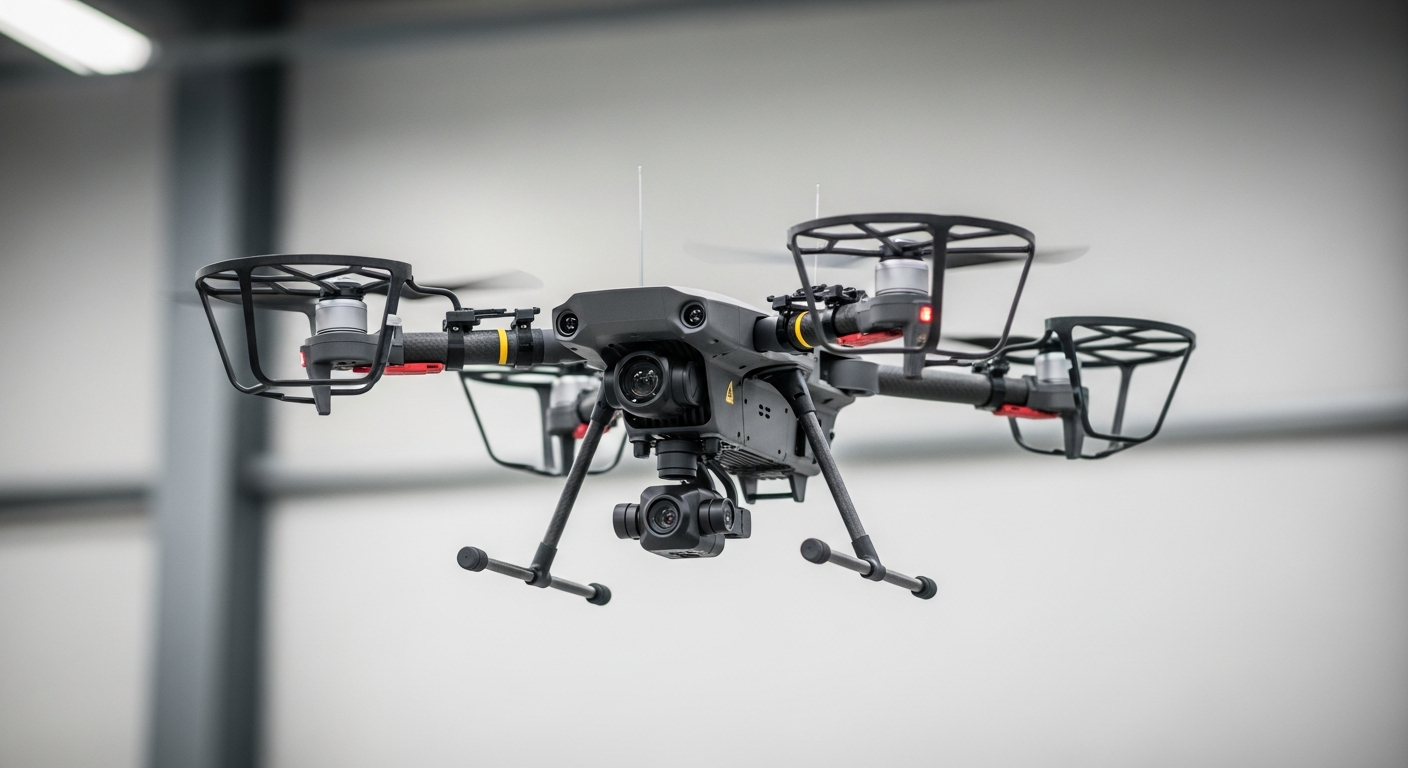
Performing manual inspections inside a volatile environment like a storage tank or chemical processing pipeline poses significant risks to personnel. An intrinsically safe drone for inspection is a practical solution for gathering high-resolution visual and thermal data without introducing an ignition risk. These specialized unmanned aerial vehicles (UAVs) are engineered with low-power components and protective circuits that prevent sparks or hot surfaces, making them a critical tool for maintenance and safety audits in hazardous locations. By deploying a certified drone, companies can significantly reduce human exposure to dangerous conditions, speed up inspection timelines, and capture detailed data that is often impossible to obtain through traditional methods, improving both safety and operational efficiency.

Understand the Technology Behind Safe Imaging
Before deploying a drone, understand what makes any camera safe for hazardous areas. Our buyer’s guide explains the core principles of intrinsic safety for imaging devices.
What Defines an Intrinsically Safe Drone for Inspection?
An intrinsically safe drone is engineered differently from a standard consumer or commercial drone. Its design is centered on eliminating the possibility of creating a spark or thermal event that could ignite flammable gases, vapors, or dust present in a hazardous environment. This is achieved through the engineering of its electrical systems. All circuits operate on very low voltage and current, and components are selected to ensure they cannot store enough energy to become an ignition source. These drones also incorporate redundant safety features, such as sealed enclosures and specialized wiring, to prevent any electrical fault from creating an ignition event. Compliance with standards like NFPA 70 Article 500 is not optional. It is a core requirement that validates the device’s suitability for specific hazardous location classifications, such as Class I, Division 1 or 2. This certification process involves rigorous third-party testing to prove that, even under fault conditions, the drone will not trigger an explosion.
Key Applications for Certified Inspection Drones
The ability to operate safely in confined and volatile spaces opens up a wide range of critical applications for intrinsically safe drones. They are changing how industries approach asset integrity management, safety compliance, and operational planning. The benefits go beyond safety, offering higher quality data and reducing facility downtime. Here are some of the primary use cases:
- Internal Tank and Vessel Inspection: Drones can navigate the interior of large storage tanks, pressure vessels, and boilers without the need for costly scaffolding or hazardous human entry, capturing high-definition video of welds, corrosion, and structural integrity.
- Pipeline and Conduit Surveys: For oil and gas, chemical, and utility industries, drones can fly inside pipelines to detect leaks, blockages, or coating failures, providing a clear visual record for maintenance teams.
- Mining and Underground Operations: In mining shafts and tunnels where methane gas can accumulate, these drones perform safety checks, geological surveys, and post-blast assessments without risking personnel.
- Pharmaceutical and Chemical Processing Plants: Inspecting reactors, mixing tanks, and complex pipework in these facilities often requires a shutdown. An intrinsically safe drone can perform these inspections quickly during brief operational pauses, minimizing production loss.
Evaluating Features in an Intrinsically Safe Drone
When selecting an intrinsically safe drone for inspection tasks, several key features beyond the safety certification must be considered to ensure it meets the specific demands of your application. The drone’s effectiveness depends on its ability to navigate complex environments and capture the right data. Evaluating its technical specifications is essential for a successful deployment.
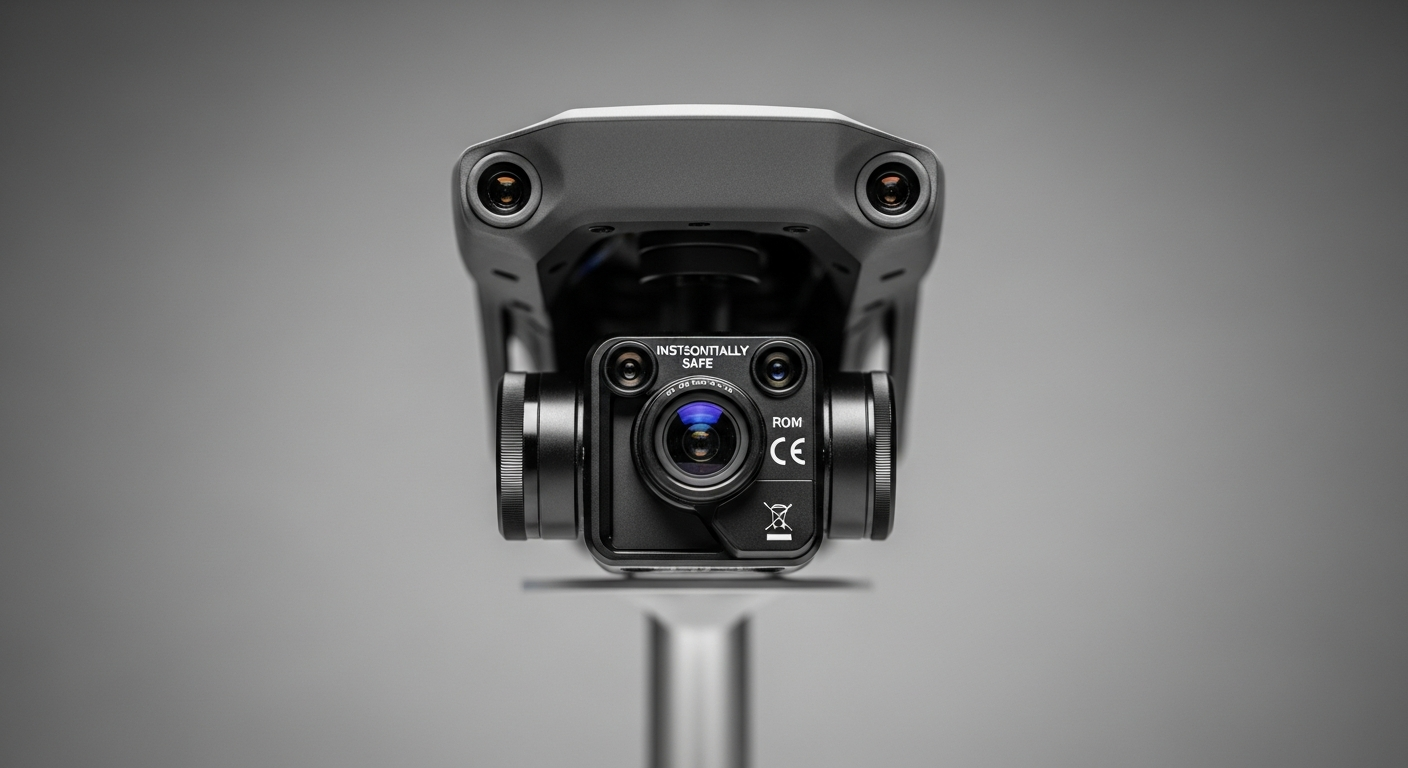
- Sensor and Payload Capabilities: The drone’s primary purpose is data collection. Evaluate the resolution of its visual camera (e.g., 4K video, high-megapixel stills), its thermal imaging capabilities for detecting temperature anomalies, and whether it can carry other sensors like gas detectors or LiDAR scanners.
- Flight Time and Battery System: Inspection tasks can be time-consuming. A longer flight time (typically 15-25 minutes for IS models) means more area can be covered per battery. Also, consider the battery swapping process. It must be fast and safe to perform outside the hazardous area to minimize downtime.
- Navigation and Collision Avoidance: GPS is often unavailable inside tanks or underground. Look for drones with LiDAR or vision-based positioning systems for stable, reliable flight in GPS-denied environments. Reliable collision avoidance is essential for protecting the asset and the drone itself.
- Maneuverability and Form Factor: The drone must be small and agile enough to fit through manholes and navigate around internal structures. A protective cage is often a standard feature to prevent damage from accidental contact with surfaces.
Recommended Products for Intrinsically Safe Drone Inspection
The following products from our catalog are certified for use in hazardous areas and directly relevant to this guide:
| Product Category | Rating / Certification | Link |
|---|---|---|
| Intrinsically Safe Drones | ATEX Zone 2 / Class I, Div 2 | Shop Now |
| Intrinsically Safe Cameras | ATEX Zone 1 / Class I, Div 1 | Shop Now |
Shop Certified Intrinsically Safe Drones
Equip your team with drones specifically designed and certified for safe operation in explosive atmospheres. Ensure compliance and gather critical data without risk.
Frequently Asked Questions
What is an intrinsically safe drone?
An intrinsically safe drone is a UAV specifically designed with low-power electrical circuits that are incapable of producing a spark or thermal energy sufficient to ignite flammable materials in a hazardous environment. Every component is engineered and certified to prevent ignition under both normal and fault conditions.
Can any drone be used for inspections in hazardous areas?
No, absolutely not. Using a standard, uncertified drone in a hazardous area is extremely dangerous and can lead to a catastrophic explosion. Only drones that have been third-party tested and certified to intrinsic safety standards (like ATEX, IECEx, or NEC) are permitted for such operations.
What certifications should I look for in an inspection drone?
The required certification depends on your location and the specific hazardous environment. Look for markings such as ATEX (for Europe), IECEx (international), or Class/Division ratings (for North America). The specific Zone or Division rating must match the requirements of the area where the drone will be operated.
How do intrinsically safe drones improve inspection safety?
They improve safety by eliminating the need for human entry into confined, dangerous spaces like tanks or vessels. This removes risks associated with falls, atmospheric hazards, and chemical exposure. By providing a remote visual presence, they allow inspectors to work from a safe location.
Are there flight time limitations for intrinsically safe drones?
Yes, due to the low-power design requirement of intrinsic safety, these drones typically have shorter flight times compared to their non-certified counterparts, often ranging from 15 to 25 minutes per battery. Operations should be planned with efficient routes and quick battery swaps in a safe area to maximize productivity.
Chat for a QuoteCall: 832-699-6726
Intrinsically safe drones represent a significant step forward for industrial safety and asset management. These are critical, engineered tools designed for operation where standard electronics would pose an ignition risk. They provide a safe, efficient method for collecting visual and thermal data in explosive atmospheres, helping companies conduct thorough inspections while complying with safety regulations and protecting personnel. Integrating a certified intrinsically safe drone for inspection into a maintenance protocol is a practical investment in operational safety and data quality.