























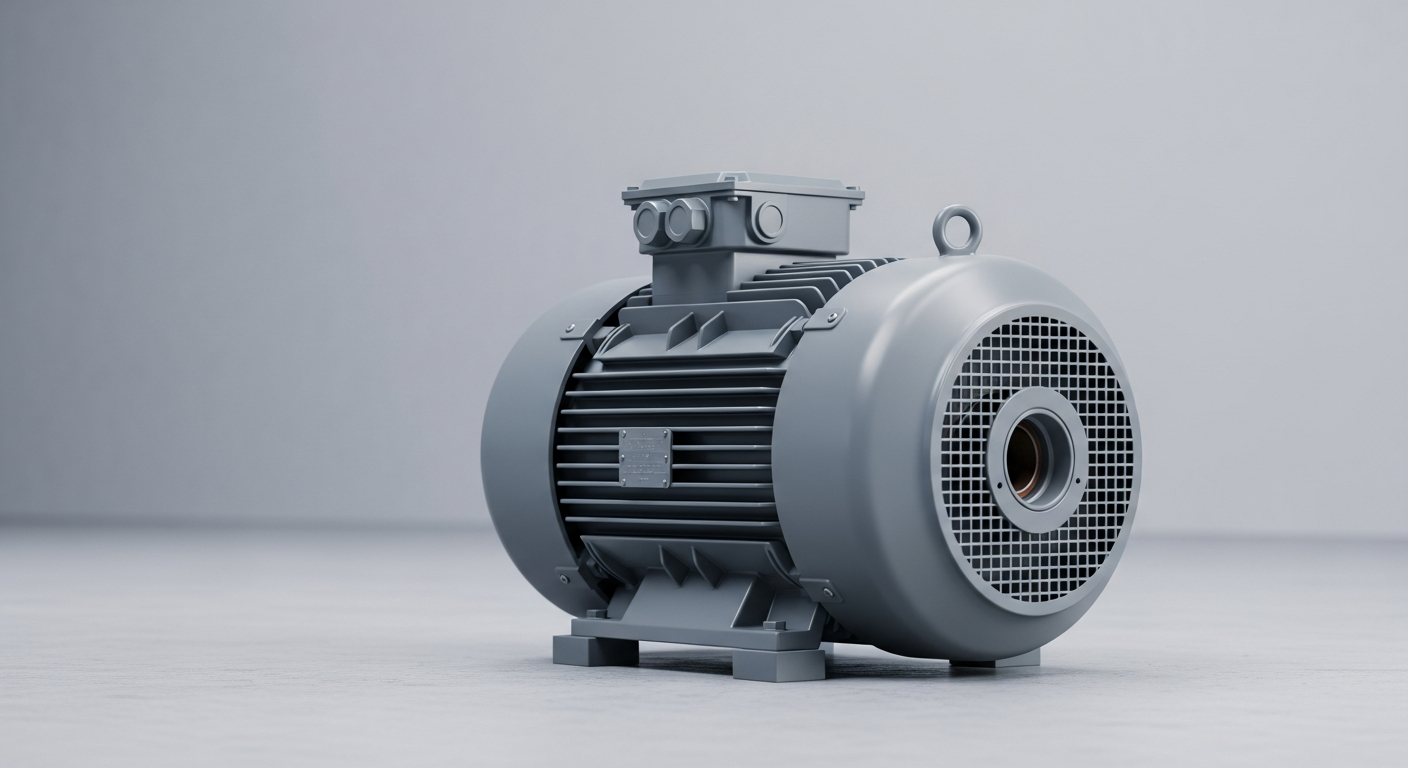
Maintaining the integrity of explosion proof motors is not just about performance; it’s a critical safety requirement in hazardous locations. A systematic approach, guided by a detailed maintenance checklist, is essential for preventing catastrophic failures. These motors are engineered with specific flame paths and enclosure tolerances that contain internal explosions and prevent the ignition of external flammable gases, vapors, or dust. Neglecting regular inspections can lead to the degradation of these safety features, rendering the motor unsafe and non-compliant with industry standards. This guide provides a detailed checklist to ensure your explosion proof motors remain safe and reliable throughout their service life, minimizing downtime and protecting personnel.

Understand Your Hazardous Location Classifications
Proper maintenance starts with understanding the environment. Our guide explains Class 1 Division 1 areas to ensure your procedures meet safety standards.
Understanding the Core Principles of Explosion Proof Motor Safety
Before reviewing the checklist, it is important to understand the principles behind these procedures. An explosion proof motor is not designed to be hermetically sealed. Instead, its construction is based on the principle of containment. The motor’s enclosure is built to withstand the pressure of an internal explosion of a specified gas or vapor and to prevent the propagation of that explosion to the surrounding hazardous atmosphere. This is achieved through carefully machined surfaces known as ‘flame paths.’ These are the joints and gaps where parts of the motor enclosure meet. If an ignition occurs inside the motor, the hot gases are forced through these long, narrow flame paths. As they travel, they are cooled to a temperature below the ignition point of the external atmosphere, rendering them harmless. Adhering to standards like NFPA 70B, Recommended Practice for Electrical Equipment Maintenance, guides these inspections to ensure these critical safety features are properly maintained.
Pre-Inspection and Visual Checklist Items
A thorough visual inspection is the first line of defense in any effective maintenance program. These checks can be performed regularly without taking the motor out of service and can identify potential issues before they escalate into serious safety hazards. Your routine visual inspection should be systematic and cover all external aspects of the motor and its installation.
- Check the Nameplate: Ensure the motor’s nameplate is clean, legible, and securely attached. It contains critical information about the motor’s classification (Class, Division/Zone, and Group), temperature code, and other specifications necessary for ensuring it is correctly applied and maintained.
- Inspect the Enclosure: Look for any signs of physical damage, such as cracks, corrosion, or distortion on the motor housing, terminal box, and conduit connections. Any damage can compromise the integrity of the flame paths and the enclosure’s ability to contain an explosion.
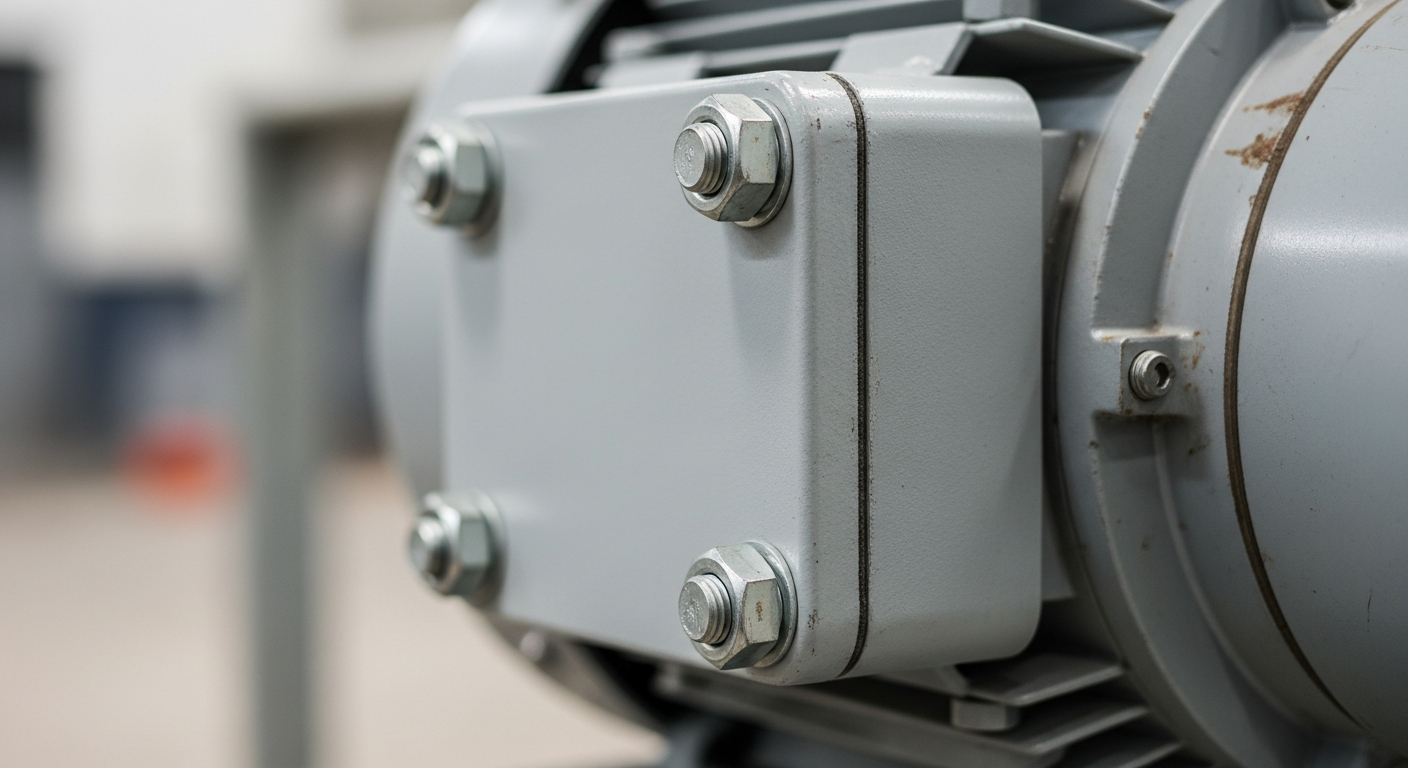
- Examine Fasteners and Gaskets: Verify that all external bolts, screws, and fasteners are present, tight, and of the correct type as specified by the manufacturer. Missing or incorrect hardware can create gaps that violate the flame path design. Check for damaged or deteriorating gaskets.
- Assess the Surrounding Area: Ensure the area around the motor is clean and free from obstructions or accumulations of dust, dirt, or other materials. Blocked ventilation can cause the motor to overheat, potentially exceeding its temperature code (T-code) and creating an ignition risk.
Mechanical and Electrical Maintenance Checklist
Beyond visual checks, a more detailed mechanical and electrical inspection schedule is necessary. These tasks often require the motor to be de-energized and locked out for safety. The frequency of these checks depends on the operating environment, application severity, and manufacturer recommendations.
- Flame Path Integrity Check: This is the most critical maintenance task. Disassemble joints only if necessary and in a clean, non-hazardous area. Inspect flame path surfaces for pitting, corrosion, or scoring. Never use abrasive materials or tools that could damage these precision-machined surfaces. Clean them with a non-residue solvent and ensure they are reassembled to the manufacturer’s exact specifications.
- Bearing and Lubrication Service: Listen for unusual bearing noise during operation. Follow the manufacturer’s lubrication schedule precisely, using only the specified type and amount of grease. Over-lubrication can be as damaging as under-lubrication, causing overheating and premature failure.
- Winding and Insulation Testing: Periodically perform insulation resistance tests (megger tests) to check the integrity of the motor windings. A deteriorating trend in resistance values can indicate insulation breakdown, which could lead to an internal fault and potential ignition source.
- Terminal and Connection Inspection: Open the terminal box and check all electrical connections for tightness and signs of corrosion or overheating. Ensure that conduit seals are properly installed and maintained to prevent flammable materials from entering the motor enclosure through the conduit system.
Recommended Products for Hazardous Area Operations
The following products from our catalog are certified for use in hazardous areas and directly relevant to this guide:
| Product Category | Rating / Certification | Link |
|---|---|---|
| Explosion Proof Motors | Class I, Div 1 & 2 / ATEX Zone 1 & 2 | Shop Now |
Shop Certified Explosion Proof Motors
Ensure compliance and safety with our range of certified explosion proof motors, built to withstand the toughest hazardous environments.
Frequently Asked Questions
How often should an explosion proof motor be inspected?
Frequency depends on the environment and usage. A general guideline is weekly visual inspections, with detailed mechanical and electrical checks performed quarterly or semi-annually. Always consult the manufacturer’s recommendations and standards like NFPA 70B.
What makes a motor ‘explosion proof’?
An explosion proof motor has an enclosure designed to contain an internal explosion and prevent it from igniting the surrounding atmosphere. This is achieved through robust construction and carefully engineered gaps called ‘flame paths’ that cool escaping hot gases.
Can you repair an explosion proof motor?
Yes, but repairs must be done by a qualified facility certified to work on explosion proof equipment. Unauthorized modifications, including incorrect parts or machining of flame paths, will void the motor’s certification and render it unsafe.
What is the main cause of explosion proof motor failure?
Bearing failure is one of the most common causes, often due to improper lubrication. Other major causes include winding insulation breakdown from overheating or contamination, and physical damage to the enclosure that compromises the flame path.
Are there special lubrication requirements for explosion proof motors?
Yes, you must use the specific type and amount of lubricant recommended by the manufacturer. Using the wrong grease can lead to bearing failure or overheating, which compromises the motor’s safety rating and its surface temperature code (T-code).
Chat for a Quote Call: 832-699-6726
The safety of your facility and personnel depends on the diligent maintenance of your explosion proof equipment. A structured program must prioritize flame path integrity, adhere strictly to manufacturer and regulatory guidelines like NFPA 70B, and require documentation for every inspection and repair. By treating this equipment with the specialized care it demands, you uphold its safety certification and ensure its reliability in the most demanding environments. A detailed maintenance checklist is the most effective tool for ensuring operational safety and compliance.